Published: April 8, 2026. The English Chronicle Desk.
The English Chronicle Online — Tracking the long arc of justice for the Gilgo Beach victims.
RIVERHEAD, N.Y. — In a “seismic” development for one of the most notorious cold case investigations in American history, Rex Heuermann is expected to enter a guilty plea this week for the murder of an eighth victim. The suspected Gilgo Beach serial killer, an architect whose arrest in July 2023 ended a decade of “tectonic” fear on Long Island, has reportedly reached an agreement with Suffolk County prosecutors. This latest admission follows a series of forensic breakthroughs that have linked Heuermann to a growing list of women whose remains were discovered along a desolate stretch of Ocean Parkway between 2010 and 2011.

While the identity of the eighth victim is expected to be formally confirmed in court on Friday, sources close to the investigation suggest the case involves a “digital footprint” found on burner phones and encrypted accounts seized from Heuermann’s Massapequa Park home. For the families of the victims, the expected plea offers a “human-centered” reprieve from the grueling anticipation of a multi-year trial, potentially providing definitive answers to questions that have remained “unfiltered” for over fifteen years.
The expansion of the case from the original “Gilgo Four” to eight confirmed victims is a testament to the “system update” in modern criminalistics.
-
DNA and Mitochondrial Evidence: Investigators have utilized advanced hair-follicle testing to link Heuermann to sites beyond the immediate Gilgo Beach area.
-
The ‘Digital Shadow’: A “technical glitch” in Heuermann’s own data-wiping protocols allegedly allowed investigators to recover search histories and location data that placed him in the vicinity of several missing persons at the time of their disappearances.
-
Property Records: As an architect, Heuermann’s professional travel and access to various vacant sites in Manhattan and Long Island have been cross-referenced with the “market shock” discovery of new evidence.
The Gilgo Beach case has profoundly shaped “Life & Society” on Long Island, transforming a scenic coastal road into a somber memorial. The 2026 proceedings have been marked by a “holding pattern” of quiet dignity from the victims’ families, who have consistently advocated for the “Gilgo Law”—a proposed legislative change to improve the coordination of missing persons cases across multi-jurisdictional boundaries.
However, the case has also hit a “bum note” regarding the early years of the investigation. The expected guilty plea has reignited criticisms of the Suffolk County Police Department’s initial handling of the files, with many questioning why it took a “seismic” change in leadership and the intervention of the FBI to finally identify a suspect who lived just miles from the dump sites.
Legal analysts suggest that Heuermann’s decision to plead guilty to an eighth count may be a strategic attempt to avoid a potential death penalty—though New York State does not currently have an active death row—or to secure a “global settlement” that would allow him to serve his multiple life sentences in a specific facility. Regardless of the motive, the “unfiltered” truth provided by a plea is seen as a victory for the District Attorney’s office, which has spent the last three years meticulously building a “bulletproof” case.

As the court prepares for Friday’s hearing, the shadow of the Gilgo Beach serial killings finally appears to be receding. For a community that spent years looking over its shoulder, the eighth guilty plea is not just a legal milestone; it is the closing of a dark chapter in New York’s history.
Related News:
 Suspect in Rhode Island Ice Hockey Shooting Killed Ex‑Wife and Son
 EPSTEIN MYSTERY: Five Unanswered Questions Surround Jeffrey Epstein’s Death
 Stop Releasing Phone Thieves Who Reoffend, Met Police Chief Urges Courts
 “It’s Never Too Late”: Savannah Guthrie’s New Plea for Mother’s Release as FBI Analyses Glove
 FBI Won’t Co-operate on Alex Pretti Investigation, State Officials Say
 Disability and LGBT Hate Crimes Set to Become Aggravated Offences
 ‘Staggeringly Stupid’ Man Jailed After Tattooing Children
 Last‑ditch Call to Save Police Front Counters in London
 Desperate Hunt for Breakthrough in Nancy Guthrie Case Turns to Mexico
 Epstein Eyed Record Label Investment to Access Women, Files Suggest
 Sadistic Pair Jailed for Blowing Up Sheep
 Inside Kyiv’s resolve as conflict nears five‑year mark
 US Partially Evacuates Beirut Embassy Amid Rising Iran Tensions
 Family Offers $1M Reward to Bring Home Missing Mother
 US ‘Suitcase Murderer’ Deported From Bali After 11 Years in Jail
 Hillary Clinton Tells House Panel She Had No Idea of Epstein’s Crimes
 Grave of Murdered Toddler James Bulger Vandalised
 Outsiders Disrupted Search for Missing Teen Noah Donohoe
 Police Brothel Raids Target Organisers, Not Sex Workers
 Family of Girl Groomed by Ian Huntley Beg Medics to Save His Life
 Sarah Everard’s Killer Wayne Couzens ‘Petrified’ After Ian Huntley Prison Attack
 Undercover officer deceived women with ‘grotesque and cruel’ lies, spycops inquiry told
 Gran Vows to Shield Huntley’s Daughter From Soham Killer’s Funeral
 Two Charged After Bomb Attack Outside NYC Mayor’s Home
 Burglar’s Bizarre Excuse After Bedroom Break-In
 King Charles Strips MBE and OBE Titles from Nine People Including Stuart Hogg
 Mum Forces Killer Son Back to Crash Scene After He Mows Down Pensioner
 Mum-of-Three Blackmailed Men After Sending Nude Photos
 Blind Woman Forced to Move Out After Leak Causes Ceiling to Cave In
 Wealthy Parents Play Dead After Son Hires Hitman to Kill Them
 Rapist Caught After Victim Calls Police Mid-Attack

 Brutal Attack on Officer Leads to Five-Year Sentence
 Utah Bereavement Author Convicted in Husband’s Poisoning Case
 Ecuador Deploys 75,000 Forces in Anti-Gang Drive
 Hazardous Material Found in Scots Home Raid
 Families Tortured by Authorities During Investigations Inquiry Told
 Mother’s Heartbreak as Son Traumatised by Friend’s Sexual Abuse
 Watchdog Probes Police Handling of Andrew Tate Abuse Claims
 Dawn Raids in Scotland and Spain: Eight Arrested in Major Organised Crime Sting
 ‘I Didn’t Realise’: ‘Housebound’ Benefit Cheat Caught Ziplining in Mexico
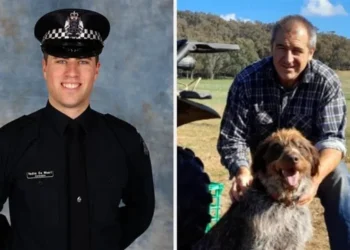 ‘An Evil Man is Dead’: Australian Fugitive Dezi Freeman Shot Dead After 216 Days
 Three-Minute Heist: Renoir, Cézanne, and Matisse Masterpieces Stolen in Italy
 “Shocking to the Conscience”: NYC Infant Fatally Shot in Stroller During Brazen Moped Attack
 ‘Ghost Offences’: Data Reveals No Children Charged with New ‘Adult Crime’ Laws in 11 Years
 ‘The Nanny of Bondi’: Accused Pinochet Agent Adriana Rivas to be Extradited to Chile
 ‘I Know Him in My Bones’: Melissa Gilbert Denies Being ‘Naive’ in Defense of Timothy Busfield
 ‘A Toxic Garbage Sink’: UN Expert Condemns US Waste Dumping in Mexico
 The Fallen Icon: Ben Roberts-Smith Charged with Five War-Crime Murders
 Heartbreak in Bournemouth: The Tragic Death of James Blanch
 The Changing Face of Georgia: Trump-Backed Clay Fuller Wins Election
 Rebranded or Reclaimed? Seized Tate Assets to Fund Domestic Abuse Support
 Targeted Attack in Bury Sparks Murder Investigation as Community Awaits Justice
 Merseyside Police Helicopter Crew Cleared After Low-Altitude Pursuit of Suspect
 No Evidence Found to Substantiate Alleged Rape in Oxfordshire Churchyard, Police Confirm
 French Taxi Driver Cleared in David Lammy Theft Case After Fare Dispute
 Man Denies Stealing Bronze Age Gold from Museum
 Runaway Driver Caught by DNA Evidence
 Woman Jailed for Life After Killing E-Bike Rider in Tragic Mistaken Identity Case
 Police Doubt Fugitive Dezi Freeman Survived Bushland
 Motorists Could Face ‘Mandatory’ Driving Ban for Road Offences Under Tougher Laws
 Nine Arrested in France Over Death of Far‑Right Student
 Fly-Tippers to Be Hunted by ‘Drone Squad’ in Crackdown from the Sky
 Rape Accused Had Fight With Man in Alley, Court Told
 American Citizen Killed in Cuba Boat Shooting, U.S. Officials Say
 Suspects in Lisa Dorrian Case Released on Bail
 Deadly Texas Bar Shooting ‘Potentially Act of Terrorism,’ FBI Says
 Driver Jailed Over Fatal Water Treatment Tank Crash
 Calls Grow to Remove Billboard Following Lyra McKee Graffiti
 Labour MP’s Partner Arrested on Suspicion of Spying for China
 Police Scotland Pays £8m Compensation to Staff
 Armed police incident closes major road
 Real Estate Brothers Convicted in Sex Trafficking Trial
 Scots Man Convicted in Dirty Money Case After DNA Found on Cash
 Teen Wins Payout After TRNSMT Crush Horror
 Two Men Bailed Following Arson Attack on Jewish Charity Ambulances
 US Lawmaker Demands Testimony Over Sarah Ferguson’s ‘Close Epstein Ties’
 Woman Deported from China Over Manx Passport Mix-Up
 The “Protective Shield”: Who is Todd Blanche, the New Acting U.S. Attorney General?
 The Moral Crisis Looming Within the American Chain of Command