Published: 09 April 2026. The English Chronicle Desk. The English Chronicle Online.
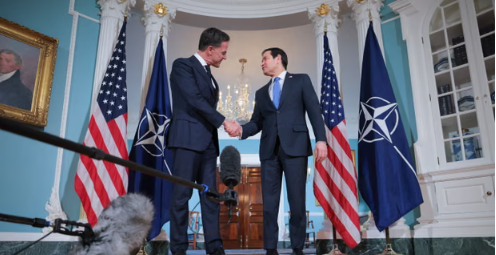
The shifting landscape of global diplomacy faced a significant tremor this week in Washington. Mark Rutte recently sat down for a private discussion with the current American president. This meeting followed weeks of intense military action and high stakes within the Middle East. The secretary general of Nato emerged to find a flurry of urgent media inquiries. He confirmed that the president felt clearly disappointed by the actions of his allies. These nations recently refused to join the American military effort against the Iranian state. Such a refusal has sparked a deep rift within the historic transatlantic partnership. The conversation took place behind closed doors within the walls of the White House. Rutte described the exchange as being very frank and also very open indeed. He noted that the two men remain good friends despite their public disagreements. However, the underlying tension regarding the future of the alliance was quite palpable. The secretary general declined to say if a total withdrawal was explicitly discussed. Instead, he painted a nuanced picture of the current state of international affairs.

The timing of this high-level diplomatic meeting was particularly sensitive for all involved. A fragile two-week ceasefire had just been reached between Washington and Tehran recently. This agreement includes a vital plan to reopen the strategic Strait of Hormuz soon. The world watched as global oil prices began a slow and steady decline. Trump had previously warned that an entire civilization might die without a deal. His rhetoric reached a fever pitch just before the Tuesday evening deadline passed. The president threatened to target civilian infrastructure if the waterway remained closed tightly. This aggressive stance has alienated many European leaders over the last several weeks. They preferred a diplomatic solution rather than a full-scale war in the region. Their refusal to provide military assistance has become a major point of contention. Trump has since referred to the decades-old alliance as a mere paper tiger. He believes the organization failed its primary benefactor during a time of crisis. This sentiment was echoed in several fiery posts on his social media platform.
The president specifically mentioned his past frustrations regarding the island of Greenland recently. He linked the current military disagreement to his earlier failed attempts at acquisition. To many observers, this connection seems unusual within the context of Middle Eastern war. Yet, it illustrates the personal nature of the president’s current foreign policy approach. He characterized the alliance as being absent when the United States needed them. The White House press secretary also acknowledged that leaving Nato was under consideration. Karoline Leavitt confirmed the topic was on the agenda for the Rutte meeting. This admission has sent shockwaves through the various capitals across the European continent. Many leaders are now questioning the long-term reliability of the American security umbrella. The mutual defense agreement remains the core pillar of the entire Nato organization. It has only been officially activated once throughout its long and storied history. That occurred after the tragic events of September eleventh in the United States. Since then, the alliance has fought alongside American troops in many foreign lands.
Senator Mitch McConnell recently issued a stern reminder of this shared combat history. He urged the president to remain clear and consistent with our loyal allies. The veteran lawmaker argued against nursing old grudges during such a dangerous time. He believes the focus should remain on deterring common adversaries across the globe. There is also the matter of a specific law passed in twenty-twenty-three. This legislation prevents any president from leaving Nato without the approval of Congress. It remains unclear if the current administration will attempt to challenge this law. Interestingly, the law was originally championed by the current secretary of state himself. Marco Rubio met with Rutte separately to discuss the shifting burden of defense. They focused on the need for allies to increase their military spending significantly. The state department emphasized the importance of coordination during the current Iran crisis. They also discussed the ongoing efforts to resolve the conflict in eastern Europe. The reduction of American support for Ukraine has already rattled many foreign diplomats.
The president’s badgering of the alliance has only intensified since late February lately. He insists that securing the Strait of Hormuz is not solely an American task. He believes countries dependent on oil should take the lead in military actions. “Go to the strait and just take it,” he famously told reporters recently. This blunt approach has not sat well with leaders in London or Paris. Spain and France even restricted the use of their airspace for combat missions. This decision deeply angered the president and his senior military advisors in Washington. These nations did agree to join a post-conflict coalition for maritime safety. However, they remained firm in their refusal to engage in active regional warfare. British Prime Minister Keir Starmer has been a primary target of presidential ire. He is currently traveling to the Gulf to help stabilize the ceasefire deal. The United Kingdom is working on a long-term security plan for the waterway. This plan aims to ensure the free flow of trade through the region.

The secretary general faces a difficult task in balancing these competing national interests. He must maintain the unity of the alliance while addressing American financial concerns. The president often complains that the United States pays a disproportionate share of costs. This argument has resonated with many voters across the American heartland this year. They see the lack of European support as a betrayal of their trust. Meanwhile, European citizens are wary of being dragged into another Middle Eastern conflict. They fear the humanitarian consequences of a prolonged war with the Iranian people. The current ceasefire provides a small window of opportunity for meaningful diplomatic talks. Whether this period of calm will lead to a lasting peace remains uncertain. The rhetoric from the White House suggests that patience is wearing very thin. The future of Nato may depend on the outcomes of the next month. If the ceasefire holds, the calls for withdrawal might begin to fade away. If the conflict resumes, the alliance could face its greatest challenge since inception.
The global community remains on high alert as the situation continues to evolve. Markets are reacting to every statement released by the White House press office. The price of fuel continues to fluctuate based on the latest military rumors. Families across the world are feeling the economic impact of this geopolitical strife. It is a reminder of how interconnected the modern world has truly become. A decision in Washington can affect the lives of people in small villages. The English Chronicle will continue to monitor these developments with great care. Our team is dedicated to providing balanced and responsible reporting for our readers. We strive to capture the human stories behind these high-level political maneuvers. The relationship between Trump and Rutte will be key to the coming weeks. Their ability to find common ground is vital for global security and peace. As the sun sets over the Potomac, the world waits for news. The next steps taken by these leaders will define the next decade surely. For now, the ceasefire offers a glimmer of hope in dark times. We must hope that diplomacy prevails over the drums of impending war. The strength of our international institutions is being tested like never before today. Only time will tell if they are robust enough to survive this.
Related News:
 British Woman in Iran ‘Losing Hope’ Amid Ongoing Detention
 BBC Journalist Held and Interrogated in Vietnam
 UK University Suspends Human Rights Research Following Pressure from China
 BBC to Apologise Over Edited Trump Speech Amid Backlash
 Britain deploys RAF specialists to assist Belgium with drone threats
 Ukraine-Russia war latest: Putin’s troops exploit bad weather to force Kyiv withdrawal from multiple towns
 US Justice Department Files Lawsuit Against California Over Partisan Voting Maps
 Greene Pushes Epstein Files Amid Trump Fallout
 Trump Deploys DHS to Charlotte in Major Arrest Operation
 December Run-Off in Chile as Election Produces No Winner
 Canada Passes Carney’s First Budget in Tight Parliamentary Vote
 Shadow Fleet at Sea: Europe’s Battle Against Illicit Oil Shipping
 Pentagon Officials in Ukraine to Discuss War End
 Venezuela Threatens Nobel Winner Machado with Fugitive Status
 Trump Envoy to Discuss Ukraine Peace at Kremlin
 Georgians Defy Government Crackdown After Year of Protests
 India’s Labour Law Overhaul Sparks Fierce Debate
 EU plans $105bn Ukraine aid using frozen Russian assets
 Global campaign launched to free Palestinian leader Barghouti
 Russia losses Ukraine war peace talks intensify amid rising deaths
 Zelenskyy Accuses Russia of Sabotaging Peace Talks
 Albanese Opens Door to Bondi Royal Commission Amid Rising Pressure
 Trump Escalates Minnesota Immigration Surge Amid Rising Tensions
 Iran Protesters Defy Crackdown as Violent Clashes Intensify
 Trump Threatens Strong Action If Iran Executes Protesters
 Machado Trump medal gesture reshapes Venezuela power struggle
 Trump Receives Machado’s Nobel Medal in White House Meeting
 EU weighs response amid Greenland tariff crisis with Trump
 US Considers Asylum for British Jews Amid Rising Antisemitism
 ICE street raids expose a chilling future for public freedoms
 EU Says US Ties Have Suffered ‘Big Blow’ After Greenland Crisis
 Andrew Hastie Emerges as Leadership Rival to Ley
 Starmer China visit underscores clear-eyed national security stance
 Starmer China visit raises human rights pressure on Beijing
 Israel Moves to Bar MSF From Gaza Operations
 Trump Praises ‘Terrific’ Petro After White House Talks
 Sydney Protest Escalates and Elderly Woman Suffers Severe Injury
 Tarique Rahman’s Rise Toward Bangladesh’s Top Job
 Glass Cliff Debate After Ley’s Ouster
 Australian Families Leave Syrian Camp for Home
 Trump Attacks UK-California Energy Pact
 Kim Jong-un Unveils Housing for War Families
 Trump and Chagos Deal Rift Over Iran Strikes
 Andrew Mountbatten-Windsor Arrest After FBI Radar
 Andrew Arrest Sparks Republic Debate in Australia
 Global corruption crisis: Who Washington shields
 Duterte ICC Hearing Begins Amid Defiance
 Farage Chagos Islands Row Sparks Fury
 Trump Tariffs Threat Spark UK and EU Alarm
 The Dangerous Rise of Remigration Across Modern Europe
 Trump Speech Sparks Intense Debate Across Divided America
 Jacinda Ardern Moves To Australia Following Her US Fellowships
 US to offer passport services in West Bank settlements
 Has Europe truly learned from the failures of 2022?
 Health Funding Row Rocks US‑Africa Relations
 Trump Faces Questions Over Iran Conflict Plan
 Nick Greiner Warns Over Election Review Fallout
 Herzog Asio meeting sparks security storm
 Trump Rebukes Starmer Over Iran Strikes Row
 UK Prepares Aircraft Carrier for Middle East Crisis
 Pete Hegseth Iran War Remarks Spark Alarm
 Kasasa Island Dispute Fuels Japan-China Tensions
 Trump Pressures Congress Over Save America Act
 Iranian Football Squad Asylum Drama Shocks Australia
 Queensland Protest Laws Spark Free Speech Backlash
 Eswatini Deal Sparks Global Outcry Over US Deportations
 Yvette Cooper: UK Must Follow Principles, Not US Pressure
 Trump Iran War Stance Hardens as Conflict Widens
 Hormuz Strait Crisis: Trump Pressures Allies to Act
 US Citizens Angry Over Lack of Middle East Backup Plan
 Nicolas Sarkozy Faces New Trial Over Libya Funding
 Trump Nato threats expose Iran strategy vacuum
 Trump Cuba blackout: US hints at dramatic takeover
 Philippines energy emergency sparks coal power surge
 Trump Iran Plan Faces Doubts Amid Renewed Tensions
 Ghalibaf Iran: Survivor Emerges in Shifting Power Game
 Air Canada CEO Faces Outcry Over Recent Language Misstep
 Trump Facing Backlash from Epstein Survivors Over Files
 Report Says Pezzullo Acted ‘Recklessly’ in Dealings
 Trump Employs Nixon’s Madman Theory Amid Iran Crisis