Published: April 9, 2026. The English Chronicle Desk.
The English Chronicle Online — Defending the freedom of the seas and the stability of the UK economy.
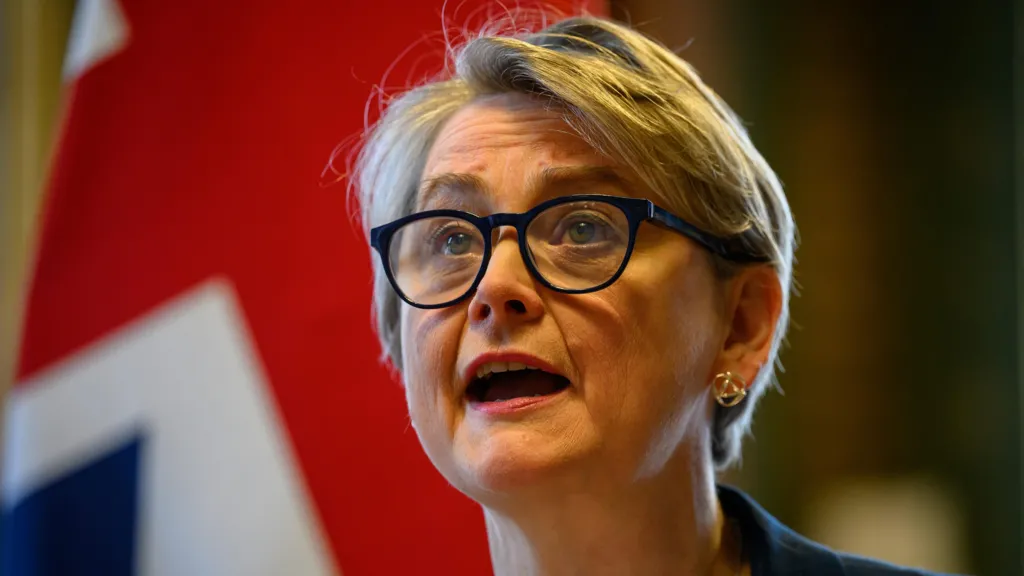
LONDON / ISLAMABAD — Home Secretary Yvette Cooper has issued a “seismic” ultimatum to regional powers, urging the “full, immediate, and toll-free” reopening of the Strait of Hormuz. Speaking ahead of a critical security briefing this Thursday, Cooper emphasized that the 14-day ceasefire currently in place must be utilized to dismantle the “logistical friction” that has paralyzed global energy markets since late February. The Home Secretary’s intervention comes amid reports that certain regional factions are attempting to impose “transit fees” or “security levies” on merchant vessels, a move the UK government has characterized as an “unfiltered act of maritime extortion.”

For the British public, the stakes could not be higher. The “tectonic” disruption of the Hormuz route has contributed to a 15% spike in domestic energy forecasts over the last month. Cooper’s demand represents a “human-centered” push to protect UK households from further “market shocks” while ensuring that the “Iron Horse” of global trade returns to its 2024 efficiency levels. “The freedom of navigation is not a bargaining chip,” Cooper stated. “It is a fundamental pillar of international law that must be restored without caveats.”
The Home Secretary’s specific focus on a “toll-free” reopening is a response to recent “bum notes” in diplomatic chatter suggesting a new tax on Gulf exports to fund regional reconstruction.
-
The Anti-Extortion Stance: Cooper argued that any attempt to “monetize” the passage of tankers would set a dangerous precedent for other global chokepoints, such as the Suez Canal or the Malacca Strait.
-
The Insurance Barrier: By demanding a “full” reopening, the UK is pushing for a “system update” in maritime security that would allow Lloyd’s of London and other insurers to lower “war-risk” premiums, which currently add millions to the cost of a single voyage.
-
The ‘Digital Footprint’ of Smuggling: Cooper also warned that a prolonged closure is fueling a “seismic” increase in illicit “dark fleet” activity, where shadow tankers bypass sanctions and safety protocols, risking an environmental catastrophe in the Gulf.
The “Life & Society” impact of the Hormuz closure has reached a “holding pattern” of severe strain.
-
Energy Bills: While the ceasefire has cooled wholesale prices, the “unprecedented” uncertainty means that UK price caps remain under pressure. Cooper’s mission is to secure a “remarkable wisdom” in the upcoming Islamabad protocols that would see prices return to pre-war levels by the summer.
-
Supply Chain Fragility: Beyond oil, the Strait is a vital conduit for the chemicals used in UK manufacturing and water treatment. A failure to reopen the route soon could lead to a “technical glitch” in essential services across the country.
Cooper is expected to coordinate her “unfiltered” message with Prime Minister Keir Starmer, who is currently conducting a parallel “diplomatic sprint” through the Gulf. Together, they are presenting a “Power Plant” of British influence, arguing that a stabilized Hormuz is the only way to prevent a global recession in late 2026.

As the “World holds its breath” for the final terms of the Islamabad peace deal, Yvette Cooper’s stance has drawn a clear line in the sand. For the UK, the goal is not just a temporary silence of the guns, but a permanent restoration of the seas. As the Home Secretary concluded, “We cannot allow the world’s most vital artery to become a private toll road for those who seek to profit from conflict.”
Related News:
 Rachel Reeves to lead UK trade push in Saudi Arabia amid rights debate
 Diplomatic Sprint: Starmer Heads to the Gulf as 14-Day Truce Holds
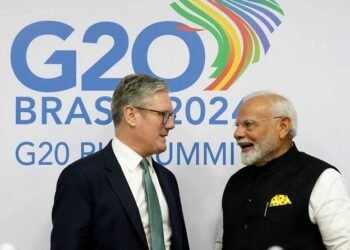 Modi’s London Visit Seals Historic UK-India Trade Pact Amid Global Tensions
 UK Must Act with Courage and Clarity on Israel-Palestine Conflict, Says Foreign Affairs Committee Report
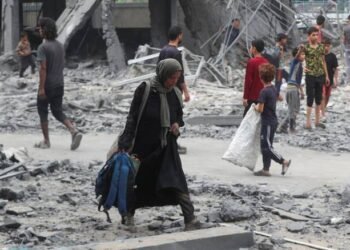 MPs Call on UK Government to Delay Biometric Visa Checks for Gaza Students Amid Humanitarian Crisis
 Radioactive Leak at UK’s Nuclear Warhead Base Sparks Outcry Over Safety and Secrecy
 Mutual Inconvenience: Why Alaska Was Chosen for the Trump-Putin Summit on Ukraine
 Chancellor Rachel Reeves Pushes for Sweeping Changes to Environmental Protections to Accelerate Development
 Is the UK Ready to Put Boots on the Ground in Ukraine? Assessing Military Capacity and Challenges
 Shein UK Faces Allegations of Shifting Majority of Profits to Singapore to Reduce UK Tax
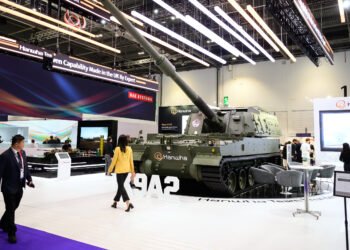 Protests Expected as Israeli Arms Firms Join Global Defence Trade Fair in London
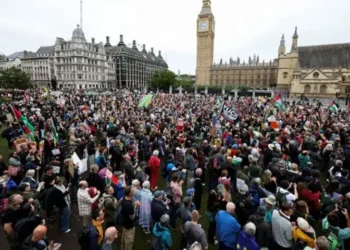 Thousands Gather in London to Protest Donald Trump’s Second UK State Visit
 Trump Urges UK to “Call Out the Military” to Secure Borders Amid State Visit
 British AI Startup Outshines Human Forecasters in Global Prediction Contest
 UK Fighter Jet Purchase Could Breach Nuclear Treaty, Warns CND
 A Third of EU Citizens in UK Report Discrimination by Public Bodies Post-Brexit
 Jailed Georgian Opposition Leaders Warn UK of Iranian Links to Ruling Party
 Senior Tories Condemn Badenoch’s Vow to Repeal Climate Change Act as Catastrophic
 Kemi Badenoch Unveils ‘Golden Rule’ to Halve Spending Cuts for Deficit Reduction at Tory Conference
 Public Trust in SNP Hits Historic Low Amid NHS Concerns
 Johnson Suggests Mandelson Linked to China Spy Controversy
 Witness statements reveal the CPS China spy row collapse in the UK
 China warns UK over delayed London mega embassy decision
 Rachel Reeves signals welfare reform ahead of key budget
 Kosovo agrees to host Britain’s refused asylum seekers
 British Woman in Iran ‘Losing Hope’ Amid Ongoing Detention
 Johnson Approved China’s London ‘Super-Embassy’ in 2018
 BBC Journalist Held and Interrogated in Vietnam
 Trump’s UK Ambassador Urges North Sea Drilling to Strengthen US Ties
 UPS Cargo Plane Crash in Kentucky Kills Seven
 Millionaires group urge Reeves to introduce wealth tax to ‘lift kids out of poverty’
 Canada Passes Carney’s First Budget in Tight Parliamentary Vote
 Rama Rebukes Mahmood for Targeting Albanian Families
 PM Highlights UK Business at G20 in South Africa
 India’s Labour Law Overhaul Sparks Fierce Debate
 Starmer Says Labour’s Economic Plan Needs Years to Deliver
 MPs warn AI financial risks threaten UK stability
 MPs warn AI financial risks threaten UK stability
 Starmer China visit raises human rights pressure on Beijing
 Labour Must Revive High Streets to Avoid Election Collapse
 UK New Car Discounts Near £6,000 as Prices Are Slashed
 Could Manchester Lead the UK’s Economic Revival?
 Starmer Weighs Fast-Tracking Defence Boost
 Reform Plans to Keep UK’s Budget Watchdog in Office
 Jenrick: I’ll Back OBR but There’ll Be No More Cosy Consensus
 Another U-turn Ahead as Labour Reconsiders Youth Minimum Wage
 Trump and Chagos Deal Rift Over Iran Strikes
 How Much Could Andrew’s Arrest Hurt the Royal Family?
 Andrew Mountbatten-Windsor Arrest After FBI Radar
 Australian PM Says Former Prince Andrew Has Suffered ‘Extraordinary Fall’ but That Won’t Prompt Republic Referendum
 Farage Chagos Islands Row Sparks Fury
 US Will Not Back Out of Tariff Deals with UK and Others, Says Trump Trade Representative
 Trump Tariffs Threat Spark UK and EU Alarm
 Ministers Urged to Ban Crypto Political Donations
 Reeves Must Back Defence Plan or Face Dismissal, Says Unite Chief
 Starmer Speaks to Trump After UK Joins Defensive Operation
 UK Will Allow US to Use Bases to Strike Iranian Missile Sites, PM Says
 Labour’s Employment Shake‑Up ‘Makes Britain Worse Than France’
 Sarwar Rejects Father’s Tribute to Iran’s Supreme Leader
 Trump Rebukes Starmer Over Iran Strikes Row
 Minister Meets Crews Who Will ‘Take Out’ Iranian Drones
 UK Prepares Aircraft Carrier for Middle East Crisis
 UK–US Tensions Ease as Starmer and Trump Hold First Call Since Iran Row
 Gulf Oil Shock Sends Global Economic Ripples
 Iran Rejects Ceasefire, Warns Trump With Chilling Message
 US Says 16 Iranian Mine Ships Destroyed in Hormuz
 UK Fuel Tax Hike Plan to Be Kept Under Review Over Iran Conflict
 Yvette Cooper: UK Must Follow Principles, Not US Pressure
 UK Wage Growth Slows as Jobs Market Holds Firm
 UK Forces Ready to Seize Russian Shadow Fleet Vessels
 Starmer Launches Labour Local Election Campaign Under Shadow of ‘Bloodbath’ Predictions
 The 8 Million Dilemma: Why Britain’s Disability Safety Net is Facing a ‘2026 Reckoning’
 The ‘Peterborough Windfall’: Council Calculator Finds £84,800 in Unclaimed Support
 ‘Better Off Not Planting’: UK Farmers Face 36% Fertiliser Spike as Gulf Crisis Bites
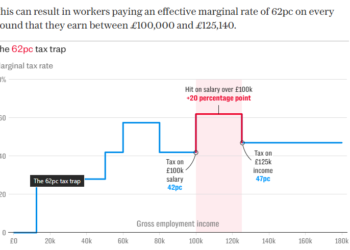 The ‘Career Ceiling’: One in Five High Earners Say £100k Tax Trap is ‘Ruining’ Their Ambition
 Oil and Diplomacy: Russian Refineries Burn as Zelenskyy Secures Middle East Shield
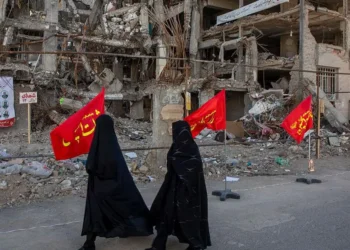 “A Perfect Storm”: UK Small Businesses Face Doubling Energy Bills as Iran War Rattles Markets
 Debt Relief or Drop in the Ocean? UK Caps Student Loan Interest at 6%
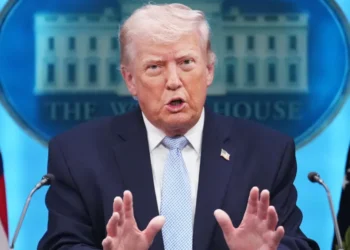 The $100 Billion Peace: Trump’s ‘Grand Bargain’ Ends Iran Conflict at a Staggering Cost
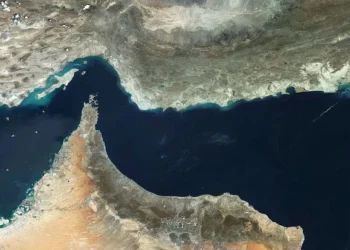 The Great Chokehold: Why the Strait of Hormuz is the Epicenter of the 2026 Crisis