Published: 13 April 2026. The English Chronicle Desk. The English Chronicle Online.
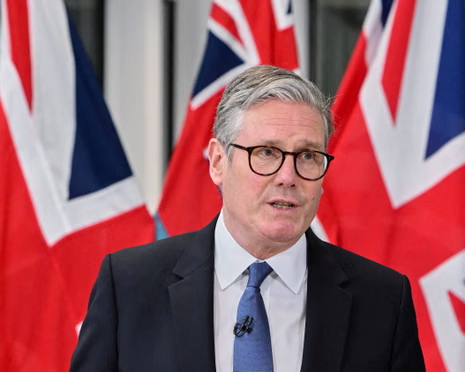
Prime Minister Keir Starmer has robustly defended a controversial new plan for the United Kingdom. He believes that aligning more closely with European Union regulations will serve the national interest well. This shift comes as the world faces significant instability due to the ongoing conflict in Iran. Starmer suggests that a stronger partnership with Europe is essential for British security and economic health. The Prime Minister spoke to the BBC following revelations about upcoming legislation for future trade deals. These plans involve using specific powers to align with European rules without frequent parliamentary votes today. Ministers intend to utilize so-called Henry VIII powers to streamline the adoption of these new rules. This approach allows the government to update standards dynamically as European Union requirements evolve over time. Starmer argues that the country must look forward ten years after the original Brexit referendum vote. He believes the old arguments of the last decade should finally be put to rest now.
A new bill focusing on food and drink trade is expected before the summer starts soon. This legislation will contain the legal powers needed to maintain alignment with our European neighbors easily. It will allow the United Kingdom to implement single market rules whenever the national interest requires. The government aims to avoid the need for full parliamentary scrutiny for every single minor change. Starmer denies that this plan represents a form of integration with the EU by stealth today. He insists that Members of Parliament will still have a final say on the primary legislation. The Prime Minister believes that global uncertainty makes a closer relationship with Europe more vital now. He cites defense and security as key areas where cooperation with our neighbors is absolutely crucial. Energy policy and the broader economy also stand to benefit from this new strategic direction taken.

The planned legislation aims to make trade much easier for businesses operating across the English Channel. Starmer notes that reducing administrative burdens will eventually lead to lower prices for many British consumers. Lower food and agricultural costs are a primary goal of this new regulatory alignment policy today. The Prime Minister thinks most people would support measures that help to reduce their weekly grocery. He argues that the world has changed significantly since the original vote to leave the union. The current volatility in international affairs requires a more pragmatic approach to our European trade relationships. Starmer wants to move beyond the divisive debates that have defined British politics for many years. He suggests that a stronger relationship with Europe is the best path for the UK’s future. The government believes this move will add billions of pounds to the struggling domestic economy soon.
They also hope it will temper the negative economic effects of the ongoing conflict in Iran. Boosting sluggish productivity remains a top priority for the current administration as they move forward now. However, the Conservative Party has issued a strong condemnation of these new regulatory alignment plans today. Shadow Business Secretary Andrew Griffith claims that Starmer is unable to accept the 2016 referendum result. He argues that Parliament will be reduced to a mere spectator while Brussels sets the terms. Griffith believes that British sovereignty is being undermined by this shift toward European Union standards once. Nigel Farage has also voiced his strong opposition to the government’s proposed legislative framework this week. The Reform UK leader described the plan as a backdoor attempt to reclaim European Union control. He believes that the British people did not vote for this kind of regulatory subjection before.
Despite these criticisms, the government appears committed to its more open and pro-European stance this year. Starmer insists that opponents must recognize how much the global landscape has shifted in recent years. He wants to focus on the future rather than revisiting the conflicts of the previous decade. The Prime Minister believes that a volatile world demands a more unified and cooperative European front. Under the proposed bill, negotiators could seek to adopt EU rules for many different industrial sectors. This could include everything from automotive manufacturing standards to complex farming regulations for the whole nation. The government intends to use secondary legislation to implement these various changes across the British economy. Parliament can still approve or reject these measures, but they will not be able to amend. This process could lead to MPs rubber-stamping new deals without the traditional deep level of debate.
Any attempt by Parliament to block these votes could cause significant diplomatic issues with European leaders. A government source clarified that Parliament will still have a role in overseeing any new deals. However, the use of secondary legislation is intended to provide the speed and flexibility required now. An insider within the government expects a significant fight from those who favored a hard Brexit. They anticipate that critics will use strong language to describe this new shift in national policy. The insider claims that all international agreements require some level of shared rules and common standards. They argue that the most successful free traders have always been pragmatic about their international relationships. The government believes that Nigel Farage is unwilling to engage in the necessary work of deal-making. They suggest that his opposition is based on political posturing rather than practical economic concerns today.

The Prime Minister remains focused on the potential benefits of this new arrangement for the entire country. He believes that a closer relationship with Europe is the most responsible path during these turbulent times. The focus on food and drink trade is seen as a vital first step forward now. Reducing the cost of living for ordinary families is a central theme of this new policy. The government hopes that the public will prioritize economic stability over old ideological debates about European sovereignty. As the bill approaches its introduction to Parliament, the debate is likely to intensify across Britain. Both supporters and critics will be watching the progress of this legislation very closely this summer. The outcome will have a profound impact on the future of the UK’s relationship with Europe. Starmer is gambling that the public is ready for a more pragmatic and less confrontational approach. He believes that the national interest must always come before the political divisions of the past.
The global situation continues to provide a stark backdrop for these significant domestic policy shifts this year. With the war in Iran creating economic ripples, the government feels a sense of great urgency. They believe that isolation is no longer a viable option for a modern and prosperous Britain now. Strengthening ties with our closest neighbors is presented as a logical response to a dangerous world. The Prime Minister is prepared to defend his vision for a more integrated and cooperative European future. He knows that the road ahead will be challenging and full of political obstacles to overcome. Yet he remains convinced that this is the right direction for the country to take today. The English Chronicle will continue to provide updates on this developing story as it unfolds further. Readers can expect detailed analysis of the upcoming bill and its potential impact on the national economy. The debate over our relationship with Europe is clearly far from over in British politics today. This new chapter promises to be just as consequential as the ones that came before it.
Related News:
 British Woman in Iran ‘Losing Hope’ Amid Ongoing Detention
 Green Party Surges Past Labour in Latest UK Poll
 Celebrities and Charities Demand UK Government Act on Child Poverty
 Trump’s UK Ambassador Urges North Sea Drilling to Strengthen US Ties
 FBI Director Kash Patel Defends Girlfriend Amid Government Jet Claims
 French Taxi Driver Cleared in David Lammy Theft Case After Fare Dispute
 ‘Reckless’ cuts to victims’ services will cost more than they save
 Millionaires group urge Reeves to introduce wealth tax to ‘lift kids out of poverty’
 Starmer Faces Growing Dissent as Labour MPs Weigh Leadership Challenge
 Reeves rejects £1bn plea for NHS redundancy payouts
 Politics latest: Starmer ‘will fight any leadership coup’ as Streeting denies attempt to oust Labour PM
 PM Condemns Leaks, Vows Loyalty to Ministers and Stability
 Major Rent Reform Ends No-Fault Evictions in England
 Peers Flood Assisted Dying Bill with 942 Amendments
 England’s Special Needs Support Faces Breaking Point
 MoD warned over Excel risks before Afghan data breach
 Labour Faces Historic Decline in Wales
 PM Highlights UK Business at G20 in South Africa
 Most Tories Expect to Support a Farage-Led Government
 Labour MP claims devolution bill is ‘blatant discrimination’ against Cornwall
 Millions Face Higher Taxes Under Reeves New Budget
 Starmer Says Labour’s Economic Plan Needs Years to Deliver
 Culture secretary to review Telegraph takeover by Daily Mail owner
 Plans to Limit Jury Trials Face Retreat After Mounting Opposition
 Right Must Unite After Jenrick Defection, Urges Rees-Mogg
 UK Ministers Drop Foreign Student Targets for Global Education Push
 MPs warn AI financial risks threaten UK stability
 MPs warn AI financial risks threaten UK stability
 No Gas Boiler Ban as UK Warm Homes Plan Backs Heat Pumps
 Hugh Grant Joins Call for Under-16 Social Media Ban in UK
 Shinzo Abe’s killer receives life sentence in Japan
 Lords Vote Piles Pressure on Starmer Over Social Media Ban
 Reform UK Health Plan ‘Would Cost £1.7bn’, Streeting Says
 Police response times face strict new national limits
 Labour policing overhaul sparks fears over growing central control
 Tories criticised after Braverman defection sparks mental health row
 Burnham Westminster return hopes fade amid Labour rift
 Starmer warns of toxic division politics in Reform challenge
 Starmer China visit raises human rights pressure on Beijing
 Palantir contracts face UK halt calls over transparency
 Labour Thinktank Row Deepens Over Journalist Probe Claims
 Labour Lord Doyle Apologises Over Paedophile Ties in Political Storm
 Cabinet Secretary Shake-Up Triggers Due Diligence Warning
 Starmer Faces Inquiry Calls Over Thinktank Probe
 Royal Mail Delivery Crisis Deepens Amid Weather Chaos
 Farage to Name Jenrick as Reform Chancellor Pick
 NHS Negligence Ruling Raises Payout Costs
 Civil Service Pay: Union Urges Ministers to End ‘Barking Mad’ Limits
 Antonia Romeo appointment sparks criticism
 Trump and Chagos Deal Rift Over Iran Strikes
 Farage Chagos Islands Row Sparks Fury
 Trump Tariffs Threat Spark UK and EU Alarm
 Gasfield Deal Sparks Debate Over Fracking in Lincolnshire
 Reform UK targets workers’ rights repeal
 Mandelson Denounces Arrest Over ‘Baseless’ Fleeing Claims
 Russian Trade Routed Through British Islands Exposed
 Mandelson Arrest: Met Apologises to Hoyle
 Palestine Action ban appeal moves forward
 Reeves Must Back Defence Plan or Face Dismissal, Says Unite Chief
 NHS Maternity Units Cover Up Harmful Childbirth Errors
 Green Party Stuns Labour in Gorton and Denton Byelection
 Refugee Status Overhaul Sparks UK Debate
 BBC Charter Reform Sparks Independence Battle
 Asylum Seekers to Work After Year-Long Wait
 Thousands Protest Iran Strikes Outside US Embassy London
 US Bombers Arrive at RAF Base Amid Rising Iran Tensions
 UK Prepares Aircraft Carrier for Middle East Crisis
 UK Oil and Gas Supplies Reassured Amid Middle East Concerns
 Proposed Law Leaves Gap for Children of Convicted Paedophiles
 Ministers Urged to Act Faster on Deepfakes Threat
 Yvette Cooper: UK Must Follow Principles, Not US Pressure
 UK Cuts Climate Aid by 14% in Strategic Refocus
 Iran’s Failed Strike on Diego Garcia Sparks UK Security Concerns
 Wes Streeting Backs Starmer Amid Speculation of Leadership
 NHS Staff Shortages Stifling Recovery for Stroke Survivors
 Can King Charles Calm Trump on Key US Visit?
 Keir Starmer Expresses Concern Over Kanye West Wireless Festival Dates
 Wes Streeting Accuses Doctors of Torpedoing Pay Deal
 UK to close 11 asylum hotels amid reform push
 The Lasting Shadow: How Austerity Redefined UK Childhood