Published: 15 April 2026. The English Chronicle Desk. The English Chronicle Online.
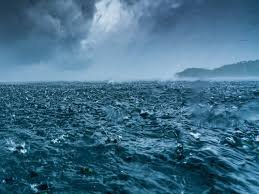
The vast blue heart of our planet is beating with a rhythm that has sustained life for millennia. This rhythmic pulse is known to scientists as the Atlantic Meridional Overturning Circulation or the vital Amoc system. It serves as a massive conveyor belt that moves warm tropical water toward the chilly North Atlantic. Recent scientific findings have now sent a chilling shockwave through the global academic and environmental community. Research indicates that this essential current system is significantly more likely to collapse than experts previously thought. This revelation comes after a deep dive into the complex computer models used to forecast climate. Scientists have discovered that the models predicting the most drastic slowdown are actually the most realistic. This means that the pessimistic scenarios are no longer just theories but are becoming our reality. The news has been described as very concerning by those who study these oceanic patterns daily. A total collapse would bring about catastrophic consequences for nearly every corner of the modern world. Europe, Africa, and the Americas would face a future that looks vastly different from today. We are currently witnessing a system that is at its weakest point in sixteen centuries. This decline is a direct and measurable result of the ongoing global climate crisis today.
The Amoc system functions by transporting sun-warmed water from the tropics up toward the Arctic. Once this water reaches the far north, it cools down and increases in physical density. This heavy and cold water then sinks deep into the ocean to return southward again. This continuous loop acts as a giant radiator that keeps the climate of Europe temperate. Without this warmth, the British Isles and northern Europe would face a much harsher reality. Scientists have been closely monitoring this delicate balance for several decades with great care and precision. They spotted initial warning signs of a dangerous tipping point as early as three years ago. We know from geological records that the Amoc has collapsed in the distant history of Earth. However, the speed of the current change is what truly alarms the scientific community right now. Climate experts typically use dozens of different computer simulations to guess our environmental future. These models have historically produced a wide and confusing range of possible future outcomes for us. Some older models suggested there would be no further slowdown by the year twenty-one hundred. Other simulations indicated a massive deceleration of about sixty-five percent within that same time frame. The latest study has narrowed this gap by using real-world observations of our changing oceans. This new approach has significantly reduced the spread of uncertainty that plagued previous climate reports.

The researchers combined decades of ocean data with the most advanced computer models available today. They found an estimated slowdown of forty-two to fifty-eight percent is expected by twenty-one hundred. Such a drastic reduction in flow is almost certain to end in a full collapse. The lead researcher for this study is Dr Valentin Portmann from a prestigious French center. He explains that the Amoc is declining much faster than the average model originally suggested. This means that the ocean is much closer to a tipping point than we realized. Professor Stefan Rahmstorf has also weighed in on these startling new findings with deep concern. He is a renowned expert who has studied this specific current for thirty-five years now. He believes that the realistic models are the ones that align with our observational data. Unfortunately, these realistic models are the ones that show a very strong and rapid weakening. This expert now worries that we may pass the point of no return very soon. He suggests the shutdown could become inevitable by the middle of this current twenty-first century. This timeline is incredibly close and leaves very little room for global policy adjustments today. Rahmstorf has argued for years that a collapse must be avoided at all costs now. Even a five percent chance of a shutdown was considered a risk far too high. Now that the probability looks to be over fifty percent, the situation is dire.
The historical record shows that the most dramatic climate shifts involved changes in the Amoc. When the current switches to a different state, the global environment reacts with extreme violence. One of the most immediate impacts would be a shift in tropical rainfall belts. Millions of people in Africa and South America rely on these rains for their food. A sudden shift would lead to widespread crop failures and unprecedented levels of human migration. Meanwhile, Western Europe would be plunged into a cycle of extreme cold and winter storms. These freezing winters would likely be followed by periods of intense and damaging summer droughts. Sea levels around the Atlantic coast would also see a sharp and sudden additional rise. Experts predict an extra fifty to one hundred centimeters of water on top of existing rises. This would threaten coastal cities from London to New York with frequent and severe flooding. The physical reason for this slowdown is linked directly to rising temperatures in the Arctic. As the air warms, the northern ocean water does not cool as quickly as before. Warmer water is less dense and therefore it does not sink into the deep depths. This slower sinking allows more fresh rainfall to accumulate on the salty surface of the sea. Fresh water is also less dense than salt water, which further slows the entire process.

This creates a dangerous feedback loop that reinforces the weakening of the entire current system. The Amoc is a highly complex mechanism that is influenced by many natural environmental factors. While precise predictions are difficult, a major weakening is now a scientific expectation for us. The research utilized a statistical method called ridge regression to analyze the various climate models. This method helped identify which models better reflect the salinity of the South Atlantic Ocean. Scientists have long known that surface salinity is a key indicator of the current’s health. By focusing on this data, the researchers have made their work incredibly credible and robust. However, some experts believe the reality might be even worse than this pessimistic assessment shows. Many current computer models do not yet include the impact of melting Greenland ice caps. This melting ice pours massive amounts of fresh water directly into the North Atlantic ocean. This additional freshening of the sea water serves to slow the Amoc even further still. It is a factor that could accelerate the timeline of a total system collapse significantly. The implications of this study are a call to action for every nation on Earth. Reducing carbon emissions to net zero is no longer just a goal for the future. It is a necessary step to prevent a climate catastrophe that could last for centuries. The heartbeat of our ocean is slowing down, and we must listen to its warning. The transition to a world with a broken Atlantic current would be difficult and painful. We must act now to protect the stable climate that has allowed our civilization to thrive.
The scientific community is now calling for urgent and renewed focus on oceanic monitoring systems. We need more data to understand exactly how close we are to the final edge. Every fraction of a degree of global warming increases the pressure on this fragile maritime system. Public awareness is also a key component in driving the political change we need today. The English Chronicle will continue to follow this developing story with the gravity it deserves. Our future depends on the stability of the natural systems we often take for granted. The Atlantic current is not just a distant scientific concept but a vital life support. Understanding its decline is the first step toward finding a way to save our world. We remain committed to bringing you the most accurate and responsible news on this topic. The time for debate has passed, and the time for meaningful action is finally here. We must ensure that the pessimistic models do not become the final history of Earth. There is still a narrow window of opportunity to steer away from the tipping point. Let us hope that global leaders hear this message and act with the necessary urgency. The health of the Atlantic is the health of our shared home and our children. It is a story that affects every single person living on this planet right now. Together, we can work toward a future where the pulse of the ocean remains strong. This report serves as a reminder of our deep connection to the natural world around us. We are all passengers on a planet that relies on these ancient and powerful currents. Protecting them is the greatest challenge and the greatest responsibility of our modern generation.
Related News:
 Virgin Trains Moves Closer to Challenging Eurostar Monopoly
 UK Bans Fake Numbers: Scammers Lose Their Trick
 Vibe coding’ named Collins dictionary’s word of the year
 Patients to Test Health at Home to Ease NHS Winter Pressure
 Britain deploys RAF specialists to assist Belgium with drone threats
 Stop using ChatGPT to write speeches, AI minister tells MPs
 Northern Lights may illuminate UK skies this week
 New laws to bolster UK’s defences against cyber attacks on NHS, transport and energy
 Hitler’s DNA Confirms He Truly Had Only One Testicle
 Working-Class Men with Prostate Cancer Left Behind by NHS
 New AI tool could cut wasted efforts in organ transplants
 How Cultures Interpreted the Aurora Through History
 From Baby Teeth to Bioengineering: The Future of Self-Healing Teeth
 Sundar Pichai Cautions on AI Hype and Market Risks
 Google Chief Urges Caution: Don’t Trust AI Blindly
 US Judge Says Meta Did Not Hold Illegal Social Media Monopoly
 Healthy Habits in Your 30s That Boost Life in Your 70s
 Coffins Now Too Large to Cremate Amid Rising Obesity Crisis
 AI Actress Creator Says Tilly Norwood Won’t Replace Actors
 Headline: Cancel Zombie Subscriptions to Save Hundreds Annually
 Google Removes Some AI Health Summaries Over Safety Concerns
 Nasa ISS Medical Evacuation: Crew-11 To Return Early
 UK Threatens Action Against X Over Sexualised AI Images
 Musk’s X Blocks Grok AI from Creating Sexualized Images
 EU launches Grok AI probe into X over explicit images
 AI job losses UK: Britain faces sharper employment shock
 UK AI avatar firm Synthesia valuation jumps to $4bn
 ABC Facebook Page Briefly Hacked, Adult Photos Posted
 US Robotaxis Train for London Streets Before Launch
 Meta trial over child exploitation claims begins
 Autistic Girls Often Missed in Childhood Diagnoses, Study Finds
 Most Statin Side-Effects Are Not Caused by Drugs, Study Confirms
 TikTok Design Faces EU Crackdown Over Addictive Features
 Childnet Censorship Row Over Teen Safety Speeches
 BT Names New Openreach Chief Amid Major Fibre Expansion
 AI fears hit UK wealth and comparison sites
 Tech Trends Set to Transform Life in 2026
 Starmer Targets AI Chatbots Over Child Safety Concerns
 Ocean Warming Drives Massive Marine Life Loss, Study Warns
 How Ancient Scottish Rocks Challenge ‘Snowball Earth’ Theory
 Stewart Brand on Musk, Bezos and a Life of Long Thinking
 Facial Recognition Error Leads to Wrongful Arrest in Milton Keynes
 Zorevunersen Breakthrough for Dravet Syndrome
 Cancer Death Rate in Britain Falls by Nearly a Third
 Taking Multivitamins Daily Could Slightly Slow Ageing, Study Finds
 Tesla Enters British Energy Market Following Ofgem Approval
 The Kill Line: A Shifting Vision of the American Dream
 ‘Drinking from a Fetid Pond’: Superbug Genes in Lough Neagh
 Scientists Unveil Heavier Proton at CERN LHC
 Meta child exploitation verdict shocks tech world
 Artemis II: Humanity Returns to the Moon After Decades
 Artemis II Returns After Historic Moon Flyby
 Norway’s Telenor Faces Lawsuit Over Myanmar Data Breach
 Robots Outpace Humans in Beijing Half-Marathon
 Gene Therapy Wins Major Prize for Restoring Vision
 UK Faces Growing Threat of Scale Hacktivist Attacks
 Older Than Dinosaurs: Secrets of Mayfly Dance Revealed
 Disney+ Wins Champions League Rights in Key Markets
 WHO approves first malaria drug for babies
 Germany to Return Rare Irritator Dinosaur Skull to Brazil
 Starmer’s Top Aide Held 16 Private Meetings With Tech Giants
 Cambridge South Signals New Era for British Rail Travel
 Trump Lands in Beijing for High-Stakes Summit with Xi
 Gotta Catch an MP! The New Political Craze Sweeping Britain
 Court Upholds Landmark Win for Transgender Rights
 Labor Defies Warnings Over Controversial Capital Gains Reform
 British Paralympian Set to Make History in Earth Orbit
 Watchdog Hands UK Publishers Power to Block Google AI
 Stolen Mobiles Could Soon Become Useless Bricks
 SpaceX Prepares for Historic Valuation Launch
 Silicon Valley Shifts South as AI Boom Transforms City Housing
 AI to Help Botanists Win the Critical Race Against Extinction
 UK Ministers Lobby Trump Over Under-16s Social Media Ban
 Deadly H5 Bird Flu Reaches Australia’s East Coast
 Sydney Records Hottest June Since 1859 as Expert Warns New High a ‘Signature’ of Global Warming
 Record £28m Fine for Virgin Media Over Cancellation Woes
 Telstra Software Fault Triggers Massive Nationwide Outage
 Police Alert Facials: A New Era of Retail Security
 Weight-Loss Drugs Offer Food Savings Mainly to High Earners
 Gen Z turns to BirdTok for a gentler digital escape