Published: 27 April 2026. The English Chronicle Desk. The English Chronicle Online.
The prospects for a lasting peace in the Middle East have diminished significantly this weekend. A profound sense of deadlock now characterizes the ongoing conflict between Iran and the United States. Despite months of intense diplomatic activity across the region, both nations remain entrenched in their respective positions. Washington and Tehran show little desire to moderate their sharp rhetoric or offer meaningful concessions. There are currently no formal negotiations scheduled that might bring this volatile war to a definitive conclusion. The diplomatic landscape has grown increasingly bleak as communication channels appear to close almost entirely today.
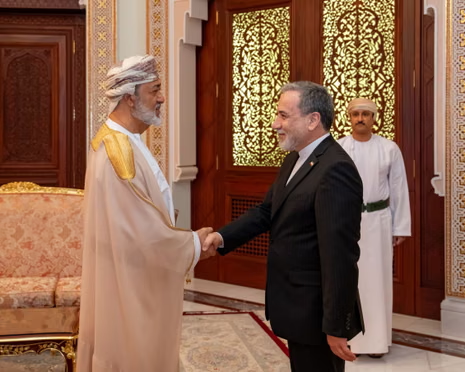
On Sunday, Iranian Foreign Minister Abbas Araghchi returned to Pakistan for a second consecutive day of talks. He sought to engage with regional mediators following a brief, high-stakes trip to Oman for separate discussions. Araghchi described his initial Pakistan trip on Saturday as being a very fruitful and constructive diplomatic encounter. However, he immediately signaled deep skepticism regarding the true intentions currently held by the American leadership team. He expressed his doubts on the social media platform X, questioning if the United States is serious. His public remarks reflect the severe lack of trust that continues to plague these delicate international negotiations.

The Iranian foreign minister is also scheduled to meet with Russian President Vladimir Putin early this week. This high-level meeting is expected to begin on Monday as part of a wider diplomatic tour. Russia and Iran have become increasingly close allies in recent years while facing tough western economic sanctions. This growing partnership suggests that Tehran may look toward Moscow for support while its relations with Washington deteriorate. Both nations appear determined to navigate the current geopolitical crisis through these strengthening ties with global partners. Observers are watching this developing alliance with concern as it complicates an already fragile regional security situation.
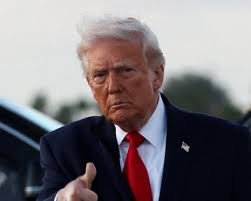
On Saturday, Donald Trump made a surprising announcement that he had canceled an important diplomatic visit. His envoys, Steve Witkoff and Jared Kushner, were expected to travel to Pakistan to meet with Iranian counterparts. The two men were prepared to participate in a second round of talks that had been tentatively scheduled. These discussions were viewed by some international analysts as the last real opportunity for a breakthrough this month. The sudden cancellation of this mission highlights the hardening stance taken by the Trump administration against the Iranian leadership. The failure to initiate these talks leaves the international community without a clear path toward a peaceful resolution.
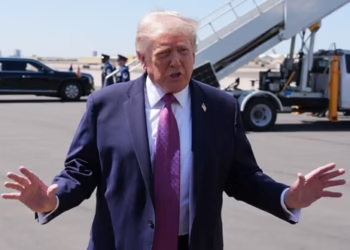
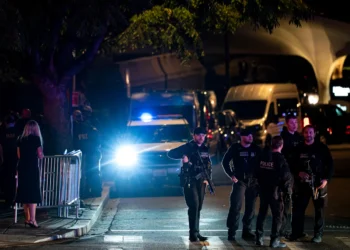
Speaking from Florida, Trump explained his decision to abandon the diplomatic mission to his team of advisors. He claimed the proposed visit involved too much travel and excessive expense for the American government to justify. Furthermore, he dismissed the latest Iranian proposal as being entirely inadequate for the current geopolitical climate he faces. His remarks were delivered just moments before he was abruptly rushed away from a high-profile dinner event. The White House Correspondents’ Association dinner in Washington was interrupted after a gunman reportedly fired shots at security. This chaotic event has only added to the sense of instability surrounding the American political response to the crisis.
The international community continues to watch these developments with a growing sense of alarm and deep anxiety. Mediators in Pakistan and Oman are struggling to maintain a foothold as the primary antagonists pull further away today. Without a willingness to compromise, the cycle of hostility seems destined to persist for the foreseeable future period ahead. Humanitarian concerns are mounting as the lack of a diplomatic solution keeps the entire region on high alert. The potential for further escalation remains a constant fear for neighboring nations attempting to maintain their own regional stability. Every failed attempt at dialogue serves to embolden hardliners on both sides of this bitter and long-standing political divide.
Military analysts suggest that the window for a peaceful settlement is closing much faster than many experts had anticipated. The refusal of both Iran and the United States to engage in meaningful debate creates a dangerous power vacuum. This void is quickly being filled by mutual mistrust and the constant threat of increased military posturing along the borders. Leaders in other capitals are now calling for renewed restraint to prevent the situation from spiraling into a wider conflict. Whether the parties involved can find a way to resume talks remains the most critical question for global security today. The world waits to see if cooler heads will eventually prevail in this tense and highly volatile diplomatic environment.
Ultimately, the lack of progress highlights the inherent difficulties in reconciling such vastly different national security interests and political ideologies. Diplomacy requires a measure of flexibility that currently seems absent from the highest levels of both the American and Iranian governments. Until one side chooses to break this cycle of silence, the prospects for peace will remain tragically out of reach. The coming days will be vital in determining if any bridge can be built across this vast chasm of deep disagreement. The people of the region remain caught in the middle of a struggle that currently offers very little hope for resolution. International pressure will likely intensify as the costs of this deadlock continue to rise for all nations involved in this crisis.

The United Kingdom and other global powers remain committed to supporting any efforts that might lead to a sustainable and lasting peace. However, their influence is limited by the rigid positions adopted by the main protagonists in this ongoing struggle for influence. Professional diplomats continue to work behind the scenes to keep the spirit of negotiation alive, despite the public failures of this weekend. There is still a slim hope that back-channel communications might yield a path forward when the current public tensions begin to subside. For now, the world must prepare for a period of continued uncertainty as the diplomatic efforts remain effectively frozen in place. The situation remains fluid, but the lack of progress this weekend is a sobering reminder of how difficult achieving peace can be.
The path ahead remains treacherous for all diplomats involved in trying to steer these two nations back toward a meaningful conversation. It is clear that any future success will require more than just technical meetings; it will require a genuine shift in political will. As the regional dynamics continue to shift, the pressure on all stakeholders will only increase in the coming weeks and months. The international chronicle will continue to monitor these events closely as the situation develops further, providing updates as they become available to the public. For the moment, we are left to witness a standoff that challenges the core principles of international mediation and cooperative global governance. The eyes of the world are fixed on the region as we wait for any sign of a thaw in this icy diplomatic freeze.
Related News:
 Capitol Attack Anniversary Sparks Deep Political Divide
 Saudi Officials Report Zubaidi Flee Before Yemen Peace Talks
 UK Targets in New York Bomb Threat Hoax: Man Jailed
 Gambia Supreme Court Hears Case to Overturn FGM Ban
 Trump targets Iran trade with 25% tariff warning
 Rudd successor: Defence chief and former ministers considered
 US Senate rejects resolution limiting Trump military powers
 Venezuela regime claims release of political prisoners signals new era
 Gulf states warn Trump Iran strikes risk wider Middle East war
 Machado Trump medal gesture reshapes Venezuela power struggle
 Greenland defence seen as shared Nato duty amid troop arrivals
 Geopolitical football: Iran, Trump and the World Cup clash
 Canada-China trade gains momentum in new strategic partnership
 Trump Receives Machado’s Nobel Medal in White House Meeting
 Syria President Declares Victory as Ceasefire Reached with SDF
 US Considers Asylum for British Jews Amid Rising Antisemitism
 Trump slams UK ‘stupidity’ over Chagos Islands, eyes Greenland takeover
 Trump Tightens Grip on EU and UK Energy Supply
 Shinzo Abe’s killer receives life sentence in Japan
 China General Under Investigation Amid Leadership Purge
 Philippines ferry disaster leaves 15 dead, dozens missing
 Cambridge Faces Scrutiny Over Arms Investment Transparency
 Epstein UAE Emails Shake British Royal Andrew’s Legacy
 Christchurch gunman seeks to vacate guilty plea
 Infantino Faces Russia Threat and Trump Concerns at Uefa Congress
 Concerns rise for Canberra boy amid Iran detention fears
 Caribbean Leaders Urge Dialogue Amid US Oil Embargo on Cuba
 Ukraine Sends Drone Experts to Defend US Bases in Jordan
 Abramovich Chelsea Sale Cash Faces Jersey Probe
 Yvette Cooper: UK Must Follow Principles, Not US Pressure
 Slovenia Election: A Nation at a Crossroads
 Jury Rules Meta and YouTube Liable for Addictive Design
 Saudi Arabia Urging US to Keep Up Iran Attacks
 Trump Softens Cuba Oil Stance as Russian Tanker Nears
 The Woman Guarding Earth From the Threat of Asteroids
 IMF Predicts Global Economic Crisis Due to Gulf Unrest
 California Defies Trump With Strict New AI Standards
 Germany Grapples With AI Abuse Following TV Star Scandal
 Exiled Tycoon Warns of New Russian Attacks on UK Soil
 Labor Under Fire Over Stalled University Fee Reform
 LA 2028: Millions of Affordable Olympic Tickets Announced
 Trump Slams Europe as Transatlantic Tensions Boil Over
 Inside the Deceptive Machine: A Former Producer Speaks Out
 Italy Faces Third Successive World Cup Absence After Loss
 Starmer Urges Ambitious EU Ties Amid Middle East Conflict
 Spain Faces Backlash Over Xenophobic Chants in Egypt Draw
 A Global Voice For Justice: Stephen Lewis Dies At Age 88
 Trump Issues Stark Warning After Strike On Iran’s Largest Bridge
 Hope and Fear as Iranians Flee Across the Turkish Border
 Tragic End to Outback Search as Floods Claim a Life
 Ben Roberts-Smith Arrested Over Alleged War Crimes
 Reform UK Pledges To Halt Visas Over Reparations Demands
 US and Iran Agree to Two-Week Provisional Ceasefire
 Starmer visits Gulf as US and Iran agree ceasefire
 Gaza Child Arrives in UK for Life-Changing Care
 Israel Defies Ceasefire as Lebanon Operations Persist
 Pakistan Brokers Historic Peace Deal Amid Rising Tensions
 Netanyahu Vows Continued Lebanon Strikes Amid Peace Talks
 UK Holds Firm on Strait of Hormuz Amid Trump Pressure
 Rory McIlroy Eyes New Horizons After Masters Defence
 Trump Signals Hope for New Iran Talks as Ceasefire Fades
 Reeves Slams Trump Over Iran War Lack Of Exit Plan
 US and Iran Pursue Extension of Ceasefire via Pakistan
 Trump’s Islamabad Gamble: The High Stakes of a New Iran Deal
 Wall Street Hits Historic High Amid Hopes for Iranian Peace
 Ian Katz to Step Down as Channel 4 Content Chief
 Middle East Conflict Risks UK Food Supply Chains This Summer
 The General’s Gambit: Pakistan’s New Role in Global Peace
 England Eye Landmark 500th Game Glory in Iceland
 Mexico, Spain and Brazil call for Cuba dialogue amid crisis
 US Forces Seize Iranian Ship Near Hormuz Blockade
 Pakistan’s Ambitious Bid for Middle East Peace
 Trump Starts $166bn Tariff Refund Process
 Israeli Soldiers Jailed Over Vandalism of Lebanese Statue
 Trump Weighs Sending Afghan Allies to the Congo
 Timor-Leste Faces Tough Questions Over Resort Proposal
 Pentagon Shakes Up Navy Leadership Amid Hormuz Blockade
 Trump Threatens UK With Big Tariff Over Tech Tax
 Prominent Voices Challenge Palestine Action Ban
 Security Scrutiny After Washington Shooting Incident