Published: 30 April 2026. The English Chronicle Desk. The English Chronicle Online.
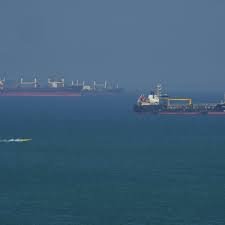
The global energy landscape shifted dramatically on Wednesday as Brent crude oil prices surged past the significant threshold of $122 per barrel. This sudden spike represents the highest valuation for the commodity seen since the early months of the 2022 Ukrainian conflict. Financial markets reacted with visible panic as the price of Brent crude experienced a massive one-day increase of nearly 10 percent. While the price settled closer to $120 by the evening, the psychological damage to the global markets was already done. Traders are now pricing in the reality of a prolonged and incredibly volatile standoff between Washington and Tehran. The current crisis centers on the critical Strait of Hormuz which serves as a vital artery for energy. Almost one-fifth of the world’s daily oil supply passes through this narrow and highly contested maritime passage. Recent satellite imagery suggests that the strait remains effectively closed to most commercial international tanker traffic today.
This blockade has created a massive supply vacuum that the global economy is struggling to fill quickly. Investors were spooked this week by a series of aggressive statements emerging from the White House recently. Donald Trump appears increasingly committed to maintaining a strict US Navy blockade of all Iranian ports. In retaliation, Tehran has leveraged its geographical position to ensure the Strait of Hormuz remains entirely impassable. This “staring contest” has effectively choked off nearly 20 million barrels of crude oil every single day. The immediate consequence of this maritime deadlock is a frantic scramble for alternative energy supplies globally. Most analysts had initially hoped for a diplomatic breakthrough during proposed talks in Islamabad this past weekend. However, those high-stakes negotiations in Pakistan failed to materialise, leaving a dangerous diplomatic void in place. The lack of dialogue suggests that neither side is currently willing to blink or offer concessions.

President Trump met with several prominent oil executives on Wednesday to discuss the ongoing military strategy. During this meeting, he reportedly suggested that Iran needs to become much smarter very soon indeed. A senior White House official indicated that the administration is prepared to maintain the blockade for months. This rhetoric stands in stark contrast to earlier projections that the conflict would last only six weeks. The war is now entering its tenth week with no clear end or resolution in sight. Tehran has shown surprising resilience despite the massive economic pressure being applied by the American naval forces. The Iranian government continues to insist that it will not buckle under these heavy-handed tactics. Meanwhile, the global cost of this stubbornness is becoming increasingly difficult for many nations to bear. Oxford Economics recently issued a dire warning regarding the potential for a catastrophic price hike soon. Their latest blog post suggests that oil could reach $190 per barrel by this August.
Such a price point would be unprecedented and could shatter the foundations of the modern economy. Even the legendary economist Paul Krug has expressed deep concerns about the current trajectory of the crisis. He argued on his Substack that most market analysts are being far too optimistic right now. Krug believes a full-blown global recession is now more likely than not for most developed nations. If the strait remains closed for three more months, the economic damage may be entirely irreversible. We are already seeing the early signs of this contagion spreading through various international financial sectors. In the United States, inflation figures for March showed a worrying spike to 3.3 percent annually. Across the Atlantic, the United Kingdom is facing its own unique set of economic challenges today. A leading thinktank warned that Britain faces a staggering £35bn hit to its national economy. This massive financial blow puts the UK at a very high risk of recession.
The ghost of the 2008 financial crisis looms large over these current developments in the oil market. During that previous global meltdown, crude oil prices hit a then-record high of about $147 per barrel. Just two weeks after initial strikes began, Tehran warned the world to prepare for $200 oil. While that figure once seemed like hyperbole, it now feels like a very grim and possible reality. The effects of this supply shock are cascading through every level of the global supply chain. Transport costs are rising, which in turn drives up the price of basic consumer goods. Ordinary citizens are feeling the pinch at the petrol pump and in their weekly grocery bills. This inflationary pressure is creating political instability in several regions that were already struggling with debt. The human cost of this high-level geopolitical posturing is becoming more evident with each passing day. Governments are now under immense pressure to find a solution before the damage becomes permanent.
In Washington, the political atmosphere has become increasingly tense as the costs of war continue climbing. US Defense Secretary Pete Hegseth faced intense questioning from Congress regarding the current military strategy and goals. Lawmakers are demanding to know how long the American taxpayer must fund this expensive naval operation. There are also growing concerns about the potential for the conflict to escalate into something larger. While the US focuses on military pressure, Iran is busy working the phones on the international stage. Foreign Minister Abbas Araghchi spent the day reaching out to leaders in India, Kenya, and Poland. Tehran is clearly attempting to shore up international support and find loopholes in the American blockade. These diplomatic maneuvers suggest that Iran is preparing for a very long and difficult period of isolation. The international community remains deeply divided on how to best handle this rapidly deteriorating global situation. Some nations are calling for immediate de-escalation while others support the firm stance against the regime.

The volatility in the energy sector is also forcing a rapid reassessment of national energy security. Countries that rely heavily on Middle Eastern oil are now desperately seeking to diversify their energy portfolios. This shift is likely to accelerate the transition toward renewable energy sources in the long term. However, in the short term, the world remains tethered to the price of a barrel. The interconnectedness of our global economy means that a closure in Hormuz affects everyone, everywhere. From a factory in Germany to a small farm in Brazil, the ripples are felt. Market speculators are currently watching every move made by the US Navy and the Iranian Guard. Any sign of further military escalation could send prices even higher within a matter of minutes. The world is essentially holding its breath as it waits for the next move. Without a diplomatic off-ramp, the risk of a global economic depression continues to grow significantly. The coming weeks will likely determine the economic fate of the world for years to come.
As the sun sets on another day of uncertainty, the price of oil remains stubbornly high. The $122 mark serves as a constant reminder of the fragility of our global systems today. Leaders in London, Washington, and Tehran must find a way to break this dangerous cycle of escalation. The stakes have never been higher for the global economy or for international peace and security. If the current impasse continues, the summer of 2026 could be remembered for all the wrong reasons. For now, the world can only watch the charts and hope for a sudden breakthrough. The cost of failure is simply too high for any nation to contemplate with any comfort. Only time will tell if diplomacy can triumph over the current impulse for military confrontation. Until then, the shadow of expensive oil will continue to darken the global economic outlook. Every cent added to the price of crude is a burden on the global public. We must hope for wisdom to prevail in the halls of power across the globe.
Related News:
 BBC to Apologise Over Edited Trump Speech Amid Backlash
 Britain deploys RAF specialists to assist Belgium with drone threats
 Palace May Restore Hyphen to Andrew Mountbatten-Windsor’s Name
 Greene Pushes Epstein Files Amid Trump Fallout
 December Run-Off in Chile as Election Produces No Winner
 Zelenskyy Signs Fighter Jet Deal Amid Russian Drone Attacks
 Canada Passes Carney’s First Budget in Tight Parliamentary Vote
 Shadow Fleet at Sea: Europe’s Battle Against Illicit Oil Shipping
 Tiny Curacao Makes History as Smallest Nation to Reach World Cup
 Deadly Russian Strikes Hit Western Ukraine, 20 Killed in Ternopil
 Ukraine Peace Plan: Zelensky Ready for Dialogue
 Royal Navy Shadows Russian Warships Entering the Channel
 US Suspends Afghan Immigration After White House Shooting
 Georgians Defy Government Crackdown After Year of Protests
 Tokyo court rules Japan’s same-sex marriage ban constitutional
 ‘Extinct’ Antelope Returns to Sahara, Bringing Hope
 American Mother Extradited From UK to U.S. on Murder Charges
 Irish Beach Tragedy: Irish Drown at Whitehaven Beach in Australia
 Sanctioned oil tankers sail Channel amid Russia scrutiny
 US and UK Withdraw Personnel as Middle East Tensions Rise
 Half the World’s Largest Cities Face Rising Water Stress
 Pentagon Signals Reduced Role in Deterring North Korea
 UK and US Drop in Global Corruption Index Rankings
 SA Police Intensify Search in Gus Lamont Case
 Canberra Poster Seizure Sparks Free Speech Row
 Evo Morales Returns After Mysterious Absence
 El Mencho Killed as Mexico Faces Violence
 Australian children in Syria deserve safe return
 Greenpeace $345m Ruling Sparks Appeal Battle
 Jacinda Ardern Moves To Australia Following Her US Fellowships
 Jacinda Ardern Move Sparks Kiwi Reflection
 Middle East Airspace Crisis Strands Thousands
 Nick Greiner Warns Over Election Review Fallout
 Kelly Wilkinson Inquest Reveals Bail Failure
 Tehran Strikes Mark War’s Most Devastating Night
 Injured Mojtaba Khamenei Elevated as Iran Leader
 Gordon Brown urges court for crimes against children
 Gaza Detainee Abuse: Israel Drops Charges Against Soldiers
 The Kill Line: A Shifting Vision of the American Dream
 Oil Prices Jump After Trump Claims Iran Oil Hub Destroyed
 Pakistan Targets Militant Hideouts in Afghanistan
 Lebanon Ground Campaign Raises Occupation Fears
 UK Condemns Reckless Iranian Missile Threats on Global Bases
 ICE detention warning sparks fear among immigrants
 Air Canada CEO Faces Outcry Over Recent Language Misstep
 Extreme Weather: Europe Shivers as Cyclone Narelle Hits
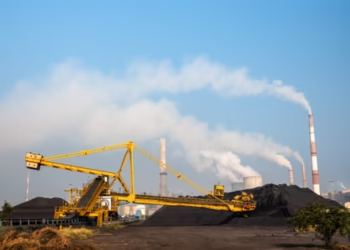 Asia Turns Back to Coal Amid Middle East Energy Crisis
 Relationship with Trump may be beyond repair, Starmer warned
 Trump’s Six-Week Iranian War: The High Cost of Ignorance
 Artemis II Returns After Historic Moon Flyby
 Orbán Ousted: Péter Magyar’s Tisza Party Wins in Hungary
 Trump Brokers Landmark Lebanon Ceasefire Amid Regional Hopes
 Ben Roberts-Smith Denies War Crime Allegations in First Statement
 Coalition pushes fossil fuel phaseout plan
 Trump approval plunges amid Iran war fears
 Ohio’s Battle for Trust: Democrats Vying to Flip the Buckeye State
 US ‘Narco Boat’ Strikes Draw Global Outcry
 FIFA Confirms Global Ban for Benfica Star Prestianni
 US Awaits Iran Reply on New Ceasefire Proposal
 US and Mexico Face Heatwave as Floods Batter South Africa
 Putin Signals War End as Russian Momentum Stalls
 Australia Welcomes the Iconic Michelin Guide
 Scepticism and tight security as Beijing braces for Trump
 Philippine Senator Flees After Days Under Senate Siege
 Tensions Flare as Israeli Nationalists March in Jerusalem
 High Street Crisis: Fears Grow Over Post Office Closures
 Xi Hosts Putin for Talks Right After Trump Visit
 Fragile Truce Shattered as Violence Escapes Diplomatic Control
 Oil Markets Face ‘Red Zone’ Threat Amid Iran Crisis
 Pope Meets Families in Italy Toxic Waste Zone
 Discontent grows around Putin amid war strain
 US Strikes Iranian Sites Amid Shaky Ceasefire Talks
 Starmer Leadership Under Pressure After Setbacks
 Papal Visit Offers Political Lifeline to Spanish Premier
 Aukus Deal Facing Fierce Backing and Historic Criticism
 Thai Princess Bajrakitiyabha Passes Away at 47
 Le Pen to Run for President Despite Embezzlement Conviction
 Ukraine Creates Long-Range Strike Command
 Houthis Strike Saudi Arabia as Middle East Tensions Rise
 Former Diplomats Urge UK and France to Act on Palestine