Published: 19 May 2026. The English Chronicle Desk. The English Chronicle Online.
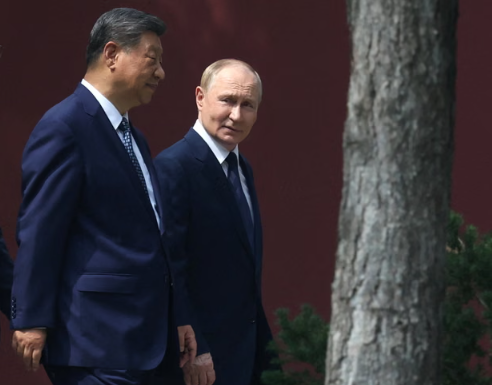
The grand halls of Beijing are witnessing an extraordinary display of modern diplomatic choreography this week. President Xi Jinping is preparing to welcome Russian President Vladimir Putin to the Chinese capital. This high-profile visit comes a mere four days after Donald Trump concluded his own summit. The American leader recently departed from China following several days of intense, high-stakes negotiations. The rapid succession of these visits has captured the attention of geopolitical observers worldwide. Beijing is rapidly positioning itself as the primary focal point of contemporary global diplomacy. The scheduling underscores China’s unique ability to engage with competing global superpowers simultaneously.
On Sunday, the Chinese and Russian leaders exchanged warm and formal congratulatory letters. These messages were sent ahead of the Russian president’s highly anticipated arrival in Beijing. State media outlets reported that Xi praised the deepening cooperation between the two nations. This year marks the important thirtieth anniversary of their comprehensive strategic partnership. The bond between Moscow and Beijing has steadily solidified despite growing international pressures. Both nations seem eager to showcase their unity on the grand global stage. Their relationship has evolved from simple diplomatic alignment into a deep strategic alliance. According to Kremlin aide Yuri Ushakov, Putin will arrive in China on Tuesday evening. The formal meetings between the two leaders are scheduled to begin on Wednesday morning. Ushakov informed reporters that the discussions will cover all major areas of bilateral relations. A primary topic on their agenda is the ambitious Power of Siberia 2 pipeline. This massive energy project represents a significant step forward for their economic integration. The pipeline would drastically increase the volume of natural gas flowing into China. It symbolizes the growing economic interdependence that defines their current relationship today.
An article published on Monday in the state-run Global Times highlighted these events. The tabloid noted that hosting both leaders within a week is extremely rare. Such back-to-back visits have not been seen since the Cold War era ended. Analysts suggest this sequencing reflects Beijing’s rising influence in international statecraft and diplomacy. The Chinese government is successfully navigating its relationships with both Washington and Moscow. This dual engagement allows China to project immense power on the world stage. It positions President Xi as a central arbiter of modern global affairs.
However, the deepening relationship between China and Russia causes immense worry in the West. Western leaders have expressed continuous concern since the invasion of Ukraine in 2022. China’s economic and diplomatic support has been vital for Russia during this conflict. Western diplomats argue that this assistance has effectively sustained Moscow’s ongoing military campaign. Despite international sanctions, the bond between Xi and Putin has only grown stronger. The two leaders have now met on more than forty separate occasions. This frequency far outstrips the number of encounters Xi has with Western counterparts.
Bilateral trade between China and Russia has soared to record levels since 2022. China now buys more than one-quarter of all Russian exports worldwide. These large purchases of Russian crude oil provide Moscow with critical financial revenues. The funds help support the Russian economy during its prolonged conflict in Ukraine. Data from the Centre for Research on Energy and Clean Air is revealing. It shows Beijing has bought over three hundred billion dollars in fossil fuels. This massive economic injection has successfully cushioned Russia from the impact of Western sanctions.
These energy purchases have simultaneously bolstered the domestic energy security of China. Secure energy supplies have become especially crucial due to recent Middle East instability. Conflict in that region has severely disrupted oil shipping through the Strait of Hormuz. By importing Russian oil via land routes, China effectively mitigates these maritime risks. The partnership provides a reliable supply of energy that bypasses vulnerable ocean lanes. This arrangement serves the strategic interests of both nations in a turbulent world. Russia finds a desperate buyer, while China secures its necessary industrial power.
Interestingly, the war in Ukraine did not feature heavily during Trump’s recent visit. The official Chinese statement made only a very brief reference to the crisis. Meanwhile, the official American statement completely omitted any mention of the ongoing war. Instead, the US-China talks focused intensely on trade tariffs and regional security matters. The two leaders spent considerable time discussing the escalating tensions in the Middle East. Trump later claimed that China agreed on the necessity of reopening the Hormuz strait. Both nations share an interest in maintaining global commercial shipping lanes open.
The sensitive issue of Taiwan was also a major focal point of discussion. Xi explicitly warned Trump about the potential for conflict regarding the self-governing island. The Chinese president emphasized that mismanagement of this issue could lead to confrontation. Trump left Beijing stating he had not decided on a major weapons deal. This pending multibillion-dollar agreement would send advanced American weapons to the Taiwanese military. Halting this significant arms sale would represent a major diplomatic victory for Beijing. The Chinese government continues to seek total control over the democratic island.
However, the vast majority of the Taiwanese population remains strongly opposed to unification. They prefer to maintain their current democratic system and distinct way of life. The geopolitical maneuvering around Taiwan heavily influences China’s broader strategic decisions and alliances. Experts believe that the island is the ultimate subtext of the upcoming meeting. Joseph Webster, a senior fellow at the Atlantic Council, shared this specific view. He suggested that Beijing wants to secure additional energy agreements with Moscow now. These deals would protect China from potential blockades during a future conflict.
Expanding the capacity of Russian oil pipelines would significantly enhance Chinese energy security. This infrastructure would prove vital in the event of a future Taiwan contingency. If Western nations attempted an energy embargo, land pipelines would remain operational. Therefore, Beijing is highly motivated to finalize these long-term infrastructure projects quickly. Russia is equally eager to move forward with the Power of Siberia 2. This project would add fifty billion cubic meters of capacity to networks. It would effectively redirect gas supplies that previously went to European markets.
The geopolitical landscape is shifting rapidly as Beijing hosts these consecutive superpower summits. President Xi is demonstrating remarkable diplomatic dexterity by balancing relations with rival global powers. The outcomes of these meetings will undoubtedly shape international relations for years. As Putin arrives, the world will watch how these two autocrats respond. They face a changing global order and a newly assertive United States administration. The decisions made in Beijing this week will reverberate far beyond Asia’s borders. The strategic partnership between China and Russia appears poised to reach new heights.
Related News:
 BBC to Apologise Over Edited Trump Speech Amid Backlash
 Britain deploys RAF specialists to assist Belgium with drone threats
 Palace May Restore Hyphen to Andrew Mountbatten-Windsor’s Name
 Greene Pushes Epstein Files Amid Trump Fallout
 December Run-Off in Chile as Election Produces No Winner
 Zelenskyy Signs Fighter Jet Deal Amid Russian Drone Attacks
 Canada Passes Carney’s First Budget in Tight Parliamentary Vote
 Shadow Fleet at Sea: Europe’s Battle Against Illicit Oil Shipping
 Tiny Curacao Makes History as Smallest Nation to Reach World Cup
 Deadly Russian Strikes Hit Western Ukraine, 20 Killed in Ternopil
 Ukraine Peace Plan: Zelensky Ready for Dialogue
 Royal Navy Shadows Russian Warships Entering the Channel
 US Suspends Afghan Immigration After White House Shooting
 Georgians Defy Government Crackdown After Year of Protests
 Tokyo court rules Japan’s same-sex marriage ban constitutional
 ‘Extinct’ Antelope Returns to Sahara, Bringing Hope
 American Mother Extradited From UK to U.S. on Murder Charges
 Facebook Slow to Remove Bondi Attack Praise, Anti-Hate Group Claims
 Albanese Opens Door to Bondi Royal Commission Amid Rising Pressure
 US Clears Nvidia AI Chip Sales to China in Policy Shift
 Gulf states warn Trump Iran strikes risk wider Middle East war
 EU weighs response amid Greenland tariff crisis with Trump
 Sydney Shark Attack Surge Shocks Australia Beaches
 EU Says US Ties Have Suffered ‘Big Blow’ After Greenland Crisis
 Videos reveal earlier clash before Alex Pretti shooting
 UK New Car Discounts Near £6,000 as Prices Are Slashed
 Israel Moves to Bar MSF From Gaza Operations
 Tragic Ski Lift Accident Claims Australian Snowboarder
 Portugal Election Delivers Socialist Win as Far Right Surges
 Australian Families Leave Syrian Camp for Home
 SA Police Intensify Search in Gus Lamont Case
 Trump Attacks UK-California Energy Pact
 Andrew Arrest Sparks Republic Debate in Australia
 Farage Chagos Islands Row Sparks Fury
 Hilary Knight speaks out on Trump’s recent hockey remarks
 Has Europe truly learned from the failures of 2022?
 Social Media Trial: Woman Says Addiction Began at Six
 Trump Faces Questions Over Iran Conflict Plan
 Iran Civilian Deaths Surge Past 200 Amid Fear
 Herzog Asio meeting sparks security storm
 Trump rebukes Starmer over Iran strikes
 Iran-Iraq border airstrikes spark new tensions
 Petrol Prices Soar as Retailers Accused of Gouging Amid Global Tension
 Penny Wong silent on Australian crew in sub strike
 Australians on US Submarine in Iranian Warship Strike
 Oil Prices Surge Above $100 Amid Iran War
 India T20 World Cup Triumph Seals Historic Title Defence
 Trump Pressures Congress Over Save America Act
 Iranian Football Squad Asylum Drama Shocks Australia
 Goma Drone Attack Kills Three as Conflict Escalates
 Queensland Protest Laws Spark Free Speech Backlash
 Yvette Cooper: UK Must Follow Principles, Not US Pressure
 Iranian Captain Departs Australia Amid Asylum Tension
 Trump Nato threats expose Iran strategy vacuum
 Philippines energy emergency sparks coal power surge
 Australia Imposes Sudden Travel Ban on Iranian Visitors
 Trump Facing Backlash from Epstein Survivors Over Files
 Russia: The Unforeseen Winner of the Iran Conflict
 Report Says Pezzullo Acted ‘Recklessly’ in Dealings
 Trump’s Middle East Misstep: The Bitter Cost of Hubris
 US and Iran Pursue Extension of Ceasefire via Pakistan
 Tragedy Strikes Outside Melbourne Comic Con
 “I was fighting two wars”: Ukraine soldiers’ addiction crisis
 Ukraine Urges UK to Seize Russian Oil Tankers
 Capitalism ‘Suicidal’, Warns Petro at Climate Summit
 Cartel crackdown raises fears of fresh violence
 Ukraine strikes Tuapse as oil disaster worsens
 US to Escort Trapped Ships Through the Strait of Hormuz
 Premier League drama defines crucial weekend
 Trump Threatens UN Budget Cuts as US Pushes ‘Trade Over Aid’ Agenda
 US Court Restores Abortion Pill Access Temporarily
 Miami Upgrades Shake Up F1 Title Fight
 Three Australian Women Detained Over Islamic State Links
 US Awaits Iran Reply on New Ceasefire Proposal
 Crisis in the Canary Islands as Cruise Ship Evacuated
 US and Mexico Face Heatwave as Floods Batter South Africa
 Putin Signals War End as Russian Momentum Stalls
 Australia Welcomes the Iconic Michelin Guide
 Philippine Senator Flees After Days Under Senate Siege
 High Street Crisis: Fears Grow Over Post Office Closures