**Published: 13 August 2026. The English Chronicle Desk. The English Chronicle Online**
Indian Prime Minister Narendra Modi’s renewed appeal to Russian President Vladimir Putin to bring an end to the war in Ukraine reflects the complicated balance at the heart of India’s foreign policy. New Delhi has maintained close political, defence and energy ties with Moscow while simultaneously expanding its relationships with the United States, Europe, Japan and Australia.
Speaking on Monday during a regional summit in Kyrgyzstan, Modi said that every day spent in war pushed humanity backwards and that every step towards peace created new hope. His remarks were directed at a conflict that has continued since Russia launched its full-scale invasion of Ukraine in February 2022.

The latest intervention is significant because India remains one of Russia’s most important international partners. Yet it does not necessarily represent a fundamental change in India’s position. New Delhi has repeatedly called for dialogue and diplomacy without joining Western efforts to isolate Moscow.
Modi made a similar appeal in 2022, telling Putin that “now is not the time for war”. Since then, India has continued to avoid directly condemning Russia while urging both sides to pursue negotiations.
That approach is rooted in what Indian officials describe as strategic autonomy. Rather than aligning itself completely with either Washington or Moscow, India has sought to preserve the freedom to cooperate with different powers according to its own economic and security interests.
For New Delhi, maintaining the relationship with Russia has practical importance. Moscow remains a major supplier of military equipment to India and has also become a crucial source of relatively inexpensive energy. Russian oil purchases have helped India manage its energy costs even as Western governments have criticised the scale of those imports.
Russia continues to account for a substantial share of India’s defence imports, giving the relationship a security dimension that cannot easily be replaced. Indian armed forces operate equipment with Russian origins across several categories, meaning that military cooperation involves long-established supply chains, maintenance arrangements and technical relationships.
The relationship also has a broader geopolitical foundation. India and Russia cooperate through organisations including Brics and the Shanghai Cooperation Organisation. Moscow has historically supported India’s position on several strategic issues, while the two countries have maintained high-level political contacts despite major changes in the international system.
At the same time, India has moved significantly closer to the West. New Delhi is a member of the Quad alongside the United States, Japan and Australia, a grouping partly focused on maintaining a free and open Indo-Pacific. India has also deepened defence, technology and economic cooperation with Washington and European capitals.
That creates a delicate diplomatic equation. India wants stronger relations with Western economies and security partners, but it does not want to sacrifice its longstanding relationship with Russia.
Modi’s public appeal therefore appears less like a break with Moscow and more like an expression of India’s established diplomatic position. New Delhi has consistently argued that differences should be resolved through dialogue rather than military confrontation.
There is also a domestic and economic calculation behind India’s approach. The prolonged war has created uncertainty in energy markets, disrupted trade routes and contributed to wider global economic pressures. As one of the world’s fastest-growing major economies, India has a strong interest in a more stable international environment.
The war also affects India’s relationship with Europe and the United States. Western governments have repeatedly encouraged India to take a stronger position against Russia. New Delhi has resisted pressure to impose sanctions on Moscow, but it has also avoided endorsing Russia’s invasion.
This middle position has allowed India to maintain dialogue with both sides. Modi has spoken with Putin several times while also maintaining close communication with Ukrainian President Volodymyr Zelensky and Western leaders.
The question now is whether Putin is prepared to respond to the latest appeal.
The Russian president’s response to Modi was polite but notably non-committal. Putin thanked the Indian prime minister and said Russia was “moving forward along this path”. However, he did not announce a ceasefire or signal an immediate willingness to enter negotiations on terms acceptable to Ukraine.
That ambiguity is important.
Russia’s leadership continues to argue that its military campaign is necessary to protect Russian security interests and achieve its stated objectives. The Kremlin has shown little indication that public appeals from foreign leaders alone will persuade it to halt military operations.
Kazakhstan’s President Kassym-Jomart Tokayev also publicly encouraged Putin to freeze the conflict and return to negotiations several weeks ago. There was no immediate evidence that the appeal changed Moscow’s approach.
The military situation remains central to Putin’s calculations. Russian officials have increasingly argued that time is working in their favour and that continued pressure on Ukraine could improve Moscow’s position in any eventual negotiations.
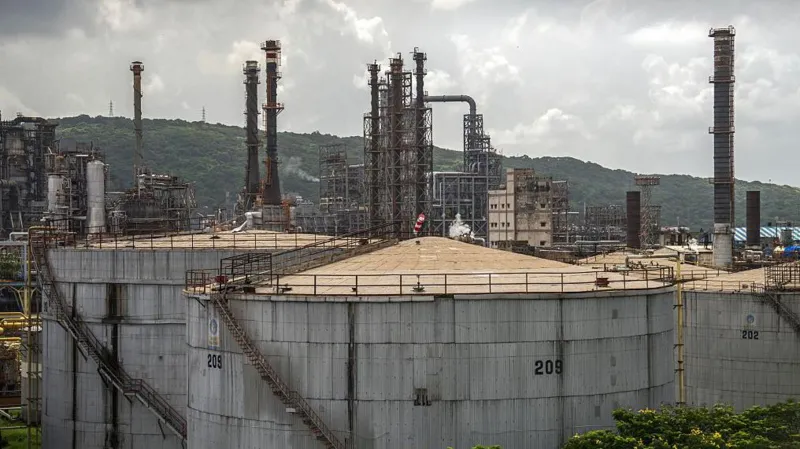
At the same time, Ukraine has demonstrated an increasing ability to strike targets deep inside Russia. Ukrainian drone attacks on oil infrastructure have caused disruption to fuel supplies in some parts of the country, while Russian missile and drone attacks against Ukrainian cities and critical infrastructure have continued.
The escalation creates a difficult environment for diplomacy. Each side believes that battlefield developments could improve its negotiating position, reducing the incentive for an immediate compromise.
For Modi, however, publicly calling for peace carries relatively little diplomatic risk. India can demonstrate that it supports an end to the conflict without committing itself to Western sanctions or abandoning Russia.
The approach also reinforces India’s image as an independent diplomatic actor. New Delhi has increasingly sought to position itself as a country capable of maintaining communication with competing global powers. That role has become more important as tensions between the United States, China and Russia reshape international politics.
India’s relationship with Russia is also influenced by its concerns about China. Moscow has strengthened its relationship with Beijing since the invasion of Ukraine, but India still sees Russia as an important strategic partner. Maintaining communication with Moscow gives New Delhi another channel through which it can manage the changing balance of power in Asia.
Yet India’s position has limits. Western governments remain important economic and technological partners, and India’s expanding trade with Europe and the United States makes a complete tilt towards Moscow unrealistic.
For that reason, Modi’s language has remained carefully calibrated. He has expressed concern about the human and economic costs of war while avoiding language that would directly condemn Putin or publicly endorse Ukraine’s negotiating position.
The latest statement is therefore unlikely to produce an immediate change in the war. Putin’s response suggests that Moscow heard the message but has not altered its fundamental calculations.

The larger significance lies in India’s continued willingness to use its relationship with Russia to advocate dialogue. Modi can maintain a channel to Putin that many Western governments have struggled to preserve, while simultaneously insisting that war should eventually give way to diplomacy.
Whether that influence can become meaningful remains uncertain. Russia’s military objectives, Ukraine’s determination to defend its territory and the broader confrontation between Moscow and the West remain the dominant forces shaping the conflict.
For now, Modi’s intervention is best understood as part of India’s long-running strategy of strategic autonomy rather than a dramatic shift in foreign policy. New Delhi wants the war to end, but it also wants to preserve its ability to work with Russia, the West and other major powers.
Putin’s response indicates that he is willing to listen, at least diplomatically. But listening is not the same as agreeing to stop the war. Unless Russia’s calculation about the military and political costs of continuing the conflict changes, Modi’s latest appeal is unlikely on its own to bring the fighting to an end.
Related News:
 UK Must Act with Courage and Clarity on Israel-Palestine Conflict, Says Foreign Affairs Committee Report
 Tottenham Takes On Newcastle
 Radioactive Leak at UK’s Nuclear Warhead Base Sparks Outcry Over Safety and Secrecy
 Terence Stamp, ’60s British Film Legend and Star of Superman, Dies at 87
 Hong Kong Summons UK and Australian Envoys Following Asylum Grants to Democracy Activists
 Is the UK Ready to Put Boots on the Ground in Ukraine? Assessing Military Capacity and Challenges
 Channel Crossings Surge: Over 1,000 People Arrive in the UK in Small Boats in a Single Day
 Widow of Charlie Kirk Forgives Killer at Emotional Memorial Service
 Public Executions in Gaza City Captured on Video Amid Ongoing Conflict
 Macron Phones Trump Over Traffic Jam in New York
 Comey Indictment Deepens Fears of Political Retribution Under Trump
 Google at 27: The Untold Story of Ruth Kedar, the Woman Behind the Iconic Logo
 Yvette Cooper Signals Global Momentum Towards Gaza Peace Deal Amid Humanitarian Crisis
 “It Was Very Tough, But I Love Life”: Former Israeli Hostage Rebuilds Life After Family Killed by Hamas
 Chaos at Ibrox as Martin’s Rangers Era Comes to an End
 Nobel Prize Honours Pioneers Behind Materials That Could Heal the Planet
 Trump Claims Modi Has Agreed to Halt Russian Oil Imports Amid Heightened US Pressure
 Russia’s Latest Push to Win US Favors Shows Deep Desperation
 BBC to Apologise Over Edited Trump Speech Amid Backlash
 Britain deploys RAF specialists to assist Belgium with drone threats
 Trump Urges Herzog to Grant Netanyahu Full Pardon
 Indian authorities demolish Kashmir home linked to Red Fort blast
 Greene Pushes Epstein Files Amid Trump Fallout
 December Run-Off in Chile as Election Produces No Winner
 Zelenskyy Signs Fighter Jet Deal Amid Russian Drone Attacks
 Shadow Fleet at Sea: Europe’s Battle Against Illicit Oil Shipping
 Tiny Curacao Makes History as Smallest Nation to Reach World Cup
 India’s COP30 Delay Raises Global Climate Concerns
 US Suspends Afghan Immigration After White House Shooting
 Georgians Defy Government Crackdown After Year of Protests
 ‘Extinct’ Antelope Returns to Sahara, Bringing Hope
 Irish Beach Tragedy: Irish Drown at Whitehaven Beach in Australia
 Sanctioned oil tankers sail Channel amid Russia scrutiny
 Greenland Crisis Forces Europe to Draw a Line With Trump
 South Korea Jails Ex-President in Martial Law Ruling
 Pentagon Signals Reduced Role in Deterring North Korea
 UK and US Drop in Global Corruption Index Rankings
 SA Police Intensify Search in Gus Lamont Case
 Canberra Poster Seizure Sparks Free Speech Row
 Evo Morales Returns After Mysterious Absence
 Jacinda Ardern Moves To Australia Following Her US Fellowships
 Jacinda Ardern Move Sparks Kiwi Reflection
 Middle East Airspace Crisis Strands Thousands
 Nick Greiner Warns Over Election Review Fallout
 Kelly Wilkinson Inquest Reveals Bail Failure
 Tehran Strikes Mark War’s Most Devastating Night
 Injured Mojtaba Khamenei Elevated as Iran Leader
 Gordon Brown urges court for crimes against children
 Gaza Detainee Abuse: Israel Drops Charges Against Soldiers
 The Kill Line: A Shifting Vision of the American Dream
 Oil Prices Jump After Trump Claims Iran Oil Hub Destroyed
 Pakistan Targets Militant Hideouts in Afghanistan
 Lebanon Ground Campaign Raises Occupation Fears
 UK Condemns Reckless Iranian Missile Threats on Global Bases
 ICE detention warning sparks fear among immigrants
 Air Canada CEO Faces Outcry Over Recent Language Misstep
 Extreme Weather: Europe Shivers as Cyclone Narelle Hits
 Asia Turns Back to Coal Amid Middle East Energy Crisis
 Relationship with Trump may be beyond repair, Starmer warned
 Trump’s Six-Week Iranian War: The High Cost of Ignorance
 Artemis II Returns After Historic Moon Flyby
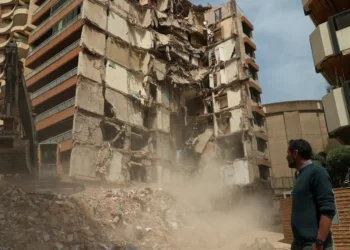 Trump Brokers Landmark Lebanon Ceasefire Amid Regional Hopes
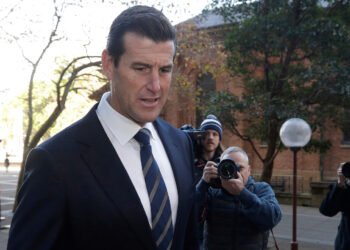 Ben Roberts-Smith Denies War Crime Allegations in First Statement
 RFU Backs Borthwick Despite England’s Poor Six Nations
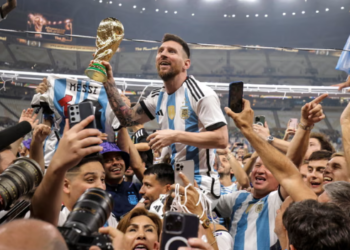 Infantino Defends Soaring World Cup 2026 Ticket Costs
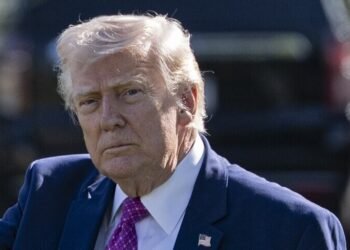 Trump Announces 3-Day Russia–Ukraine Ceasefire Deal
 Trump Rejects Tehran Peace Plan as Regional Truce Crumbles
 Fear and Betrayal: The Chilling Case of Kouri Richins
 Trump Sends 5,000 More US Troops to Poland
 Maldives Cave Diving Tragedy Raises Safety Alarm
 NDIS Overhaul Sparks Intense Clash Across Australia
 Britain’s Crowning Butterfly Takes the Nation by Storm
 Fifa Official Under Investigation Over Hand Gesture Controversy
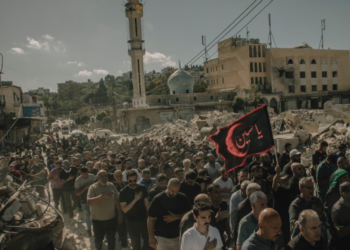 Grief and Devotion Amidst the Rubble of Nabatieh
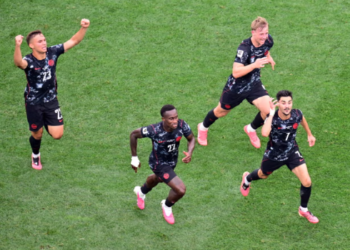 Canada Secure Historic Last 16 Spot with Late Goal
 England and Norway Fans Turn Miami Into World Cup Carnival
 Olympus Awaits Unesco Heritage Recognition
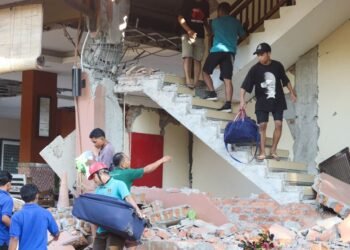 Powerful 7.7-Magnitude Earthquake Hits Eastern Indonesia
 Nepal-Tibet Flood Leaves 270 Dead and 1,400 Missing
 Families Fly to Nepal in Search of 33 Missing Britons