Published: 13 September 2025 | The English Chronicle Desk
Authorities in Utah confirmed on Friday that the nationwide manhunt for the suspected killer of conservative political activist Charlie Kirk came to an end late Thursday night, following a critical tip from within the suspect’s own family. The arrest of 22-year-old Tyler Robinson, a resident of Washington, Utah, brought to a close more than thirty hours of intense searching, which had drawn unprecedented public attention and involved the coordination of multiple federal and state law enforcement agencies.
Charlie Kirk, a well-known media personality and a prominent conservative figure, was fatally shot on Wednesday evening while speaking at Utah Valley University (UVU). The attack occurred during an outdoor event attended by nearly 3,000 people, when a single round fired from a nearby rooftop struck Kirk in the neck. Witnesses described the scene as chaotic and horrifying, with crowds screaming and rushing for cover as the shooting unfolded. Video footage of the incident spread rapidly across social media platforms, heightening public concern and sparking widespread calls for accountability.

In the immediate aftermath, investigators pursued numerous leads. Two individuals were initially detained and questioned but were later released after authorities determined they had no involvement in the attack. Meanwhile, surveillance footage and still images circulated widely, showing a man dressed in a black T-shirt emblazoned with an eagle and American flag, wearing dark sunglasses and a baseball cap, fleeing the scene and later disappearing into a wooded area.
What proved decisive in the sprawling investigation, however, was not forensic evidence or surveillance images, but rather the intuition of a father who recognized his son. According to a law enforcement source briefed on the case, Robinson’s father confronted him after seeing the images released by authorities. “Tyler, is this you? This looks like you,” he reportedly asked. Robinson then admitted to his father that he had fired the fatal shot at Kirk, allegedly telling him, “I would rather kill myself than turn myself in.”
Despite his son’s reluctance, the father sought guidance from a local youth pastor with ties to both the Washington County Sheriff’s Office and the U.S. Marshals Service. A family friend subsequently contacted law enforcement directly, passing along the crucial information that Robinson had confessed. That tip was relayed to the Utah County Sheriff’s Office and the FBI, leading to Robinson’s arrest later that evening at approximately 10 p.m.
The break in the case came just hours after Utah Governor Spencer Cox and other officials had stood before the media acknowledging that they did not yet know where the suspect was hiding. At a news conference the following morning, Governor Cox announced the arrest with a simple but resolute statement: “We got him.” He went on to praise the cooperation between state, local, and federal agencies, as well as the contributions of ordinary citizens. According to Cox, the FBI had received more than 7,000 tips from the public during the investigation—an extraordinary figure, second only to the Boston Marathon bombing in 2013.
Federal and state investigators believe Robinson acted alone, but the details of his motive remain unclear. According to an affidavit reviewed by investigators, Robinson had discussed Kirk’s scheduled appearance at a family dinner days earlier, expressing his disagreement with the activist’s political views. While Robinson had no formal party affiliation and had not participated in recent elections, relatives told investigators that he had grown more politically outspoken in recent years.
Court documents reveal further disturbing details. Robinson allegedly communicated through the messaging platform Discord about retrieving a rifle, concealing it in a bush, and later preparing it for use. He is also believed to have engraved messages on the rifle casings, including mocking or derogatory phrases aimed at political opponents. When arrested, Robinson was reportedly wearing clothing nearly identical to that captured in UVU surveillance footage, and investigators later recovered a bolt-action rifle wrapped in a towel, along with engraved ammunition.
The young man, described as a third-year student in an electrical apprenticeship program, is now being held without bail at the Utah County Jail. Prosecutors confirmed he faces preliminary charges including aggravated murder, felony discharge of a firearm, and obstruction of justice. He is expected to make his first court appearance on Tuesday, and Governor Cox has publicly stated that prosecutors will pursue the death penalty.
President Donald Trump, a close ally of Kirk and a frequent beneficiary of his advocacy among young voters, issued a statement applauding the work of law enforcement and vowing that “justice will be done.” In a television interview, Trump underscored the irony of the arrest, saying, “Essentially somebody very close to him turned him in.”
The killing of Charlie Kirk has reignited a national debate over the rise of politically motivated violence in the United States. Supporters and critics alike expressed shock at the brutal targeting of a high-profile public figure in such a public setting. Law enforcement officials acknowledged that the scale and speed of the manhunt reflected both the seriousness of the crime and the growing concern about political extremism.

Governor Cox closed his remarks with a somber acknowledgment: “There is one person responsible for what happened here, and that person is now in custody. He will be charged soon and will be held accountable. But we must also remember the broader lesson—that in times of crisis, it is the vigilance of ordinary citizens, and the courage of families to do what is right, that makes the greatest difference.”
As the investigation proceeds and the legal process unfolds, the death of Charlie Kirk remains a profound moment of reckoning for both Utah and the nation. The case has underscored the fragility of public life in an era of deep political polarization and highlighted the enduring need for accountability, justice, and civic responsibility.
Related News:
 Charlie Kirk Killing Used to Mobilise UK’s Largest Far-Right Rally in Decades
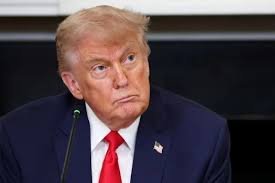 Trump Administration Dismisses 17 Immigration Judges, Sparking Debate Over Judicial Independence
 Tasers Introduced in UK Prisons to Combat Rising Violence and Protect Staff
 Tragedy Hits Manhattan as Police Officer Among Four Dead in Midtown Office Shooting
 Northern Ireland Family of Three Shot Dead in Maguiresbridge Home Incident
 A Fugitive’s Double Life Uncovered: My Interview with Nicholas Rossi, Scotland’s Notorious Escapee Facing Utah Rape Trial
 Ministers Accused of Defamation Over Palestine Action Ban and Mass Arrests
 Police Advised to Disclose Ethnicity of Suspects in High-Profile Cases
 Failed New Mexico Candidate Sentenced to 80 Years for Drive-By Shootings at Lawmakers’ Homes
 Jailed Georgian Opposition Leaders Warn UK of Iranian Links to Ruling Party
 UK Police to Gain New Powers to Manage Repeated Protests, Home Office Announces
 UK Extradition Law Change Sparks Fears Among Hong Kong Dissidents
 Shabana Mahmood Warns Border Failings Are Eroding Trust in States
 UK Gamer Recruited by Wagner Group Found Guilty of Arson
 Johnson Approved China’s London ‘Super-Embassy’ in 2018
 Pregnant UK Teen to Be Freed from Georgian Jail
 French Taxi Driver Cleared in David Lammy Theft Case After Fare Dispute
 Just Stop Oil Protesters Convicted Amid Climate Defence Row
 China-critical UK academics face ‘extremely heavy’ pressure from Beijing
 Met Police Culture Makes Racial Harm ‘Inevitable’
 British Grandmother to Return Home After Death Sentence in Bali
 New Epstein Files Spark Political Clash in Washington
 Ukraine Energy Corruption Scandal Hits Zelensky’s Inner Circle
 Trump Urges Herzog to Grant Netanyahu Full Pardon
 New review urges UK to repatriate Shamima Begum, others from Syria
 Victims’ commissioner Baroness Newlove dies aged 63
 US Justice Department Files Lawsuit Against California Over Partisan Voting Maps
 Oklahoma Governor Grants Last-Minute Clemency to Death Row Inmate
 Indian authorities demolish Kashmir home linked to Red Fort blast
 Trump Deploys DHS to Charlotte in Major Arrest Operation
 South African Detained After Neo-Nazi Rally in Australia
 Congress Approves Release of Epstein Files, Trump Expected to Sign
 Teens ‘Ran Amok’ at Ex-MP’s Covid Testing Firm
 Trump Slams Democrats With ‘Seditious’ Death Claim
 WhatsApp Messages Expose Nathan Gill’s Bribery
 Venezuela Threatens Nobel Winner Machado with Fugitive Status
 Texas Governor Faces Lawsuit From CAIR
 Trump Envoy to Discuss Ukraine Peace at Kremlin
 Video shows Israeli troops kill Palestinians after surrender
 Chinese & Japanese Boats Clash Near Disputed Islands
 Putin Meets US Envoy Amid Key Ukraine Peace Talks
 Kinnock’s Rebuke Echoes Loudly as Corbyn Allies Launch Left-Wing Breakaway: “A Gift to Farage”
 UK and Norway Forge Stronger Ties Through Joint Sanctions and Enhanced Defence Cooperation
 UK Must Act with Courage and Clarity on Israel-Palestine Conflict, Says Foreign Affairs Committee Report
 Targeted Attack in Bury Sparks Murder Investigation as Community Awaits Justice
 Man Remanded After Children Fall Ill at Leicestershire Summer Camp in Shocking Child Cruelty Case
 Trump Threatens 100% Tariff on Nations Importing Russian Oil Amid India Standoff Over Ukraine War
 Radioactive Leak at UK’s Nuclear Warhead Base Sparks Outcry Over Safety and Secrecy
 Mass Arrests in London as Protest Defies Ban on Palestine Action
 Mutual Inconvenience: Why Alaska Was Chosen for the Trump-Putin Summit on Ukraine
 Hong Kong Summons UK and Australian Envoys Following Asylum Grants to Democracy Activists
 Merseyside Police Helicopter Crew Cleared After Low-Altitude Pursuit of Suspect
 Is the UK Ready to Put Boots on the Ground in Ukraine? Assessing Military Capacity and Challenges
 Tanni Grey-Thompson Faces Abuse Over Opposition to Assisted Dying Bill
 UK Launches Major Crackdown on Networks Profiting from Online Child Sexual Abuse
 Conservative Influencer Charlie Kirk Fatally Shot During University Debate
 Thousands Gather in London to Protest Donald Trump’s Second UK State Visit
 Mahmood Pledges Reform of Modern Slavery Laws After Court Blocks Deportation Appeal
 Denmark Investigates Professional Drone Incursions Across Multiple Airports, No Evidence of Russian Involvement
 UK Fighter Jet Purchase Could Breach Nuclear Treaty, Warns CND
 Migrants in UK May Need to Contribute or Face Removal, Home Secretary Signals
 A Third of EU Citizens in UK Report Discrimination by Public Bodies Post-Brexit
 Digital ID Plans Ignite Debate Over £600m Treasury Tax Boost and Privacy Concerns
 Public Trust in SNP Hits Historic Low Amid NHS Concerns
 Cooper Unveils £4m Cyber Plan Against Russian Hackers
 Johnson Suggests Mandelson Linked to China Spy Controversy
 Rachel Reeves signals welfare reform ahead of key budget
 Nigel Farage’s partner linked to Brussels fraud probe
 Ireland Votes as Two Women Compete for Presidency
 Experts Warn Russia’s Burevestnik Missile Could Destabilise Arms Control
 Badenoch Warns Farage’s Grooming Gangs Plan Could Backfire
 FBI Director Kash Patel Defends Girlfriend Amid Government Jet Claims
 Peers Flood Assisted Dying Bill with 942 Amendments
 Rio Raid’s Death Toll Raises Questions About Gang Impact
 Charlotte Raids: 130 Arrested in Major Immigration Sweep
 Serial Rapist and Former Cop Found Guilty Again
 Man Charged Over Attempted Murder of Senior Officer
 Pentagon Officials in Ukraine to Discuss War End
 Two National Guard Soldiers Critically Injured Near White House
 Southern Lebanon reels as Israeli strikes shatter communities