Published: 23 September 2025. The English Chronicle Desk. The English Chronicle Online
For millions of football fans across the world, watching a Premier League match is not merely a pastime but a long-held dream. In England, season ticket holders and regular supporters take for granted the chance to follow their clubs week after week, traveling across the country and cheering in familiar stadiums. Yet, for international fans, the opportunity often comes only once in a lifetime. They save money for years, travel thousands of miles, and pay staggering sums of money in the hope of experiencing the passion and spectacle of English football first-hand. For many of them, however, this dream has begun to unravel due to the relentless rise of the black market in tickets.

This painful reality came to light once again last weekend in Brighton, where James, a devoted Tottenham Hotspur fan from South Korea, had journeyed 5,500 miles to witness his favorite team in action for the first time. He had paid £900 for what he believed to be his golden ticket, purchased from an online resale site. Yet, when he arrived at the Amex Stadium, his excitement quickly turned to despair. The ticket in his possession was invalid. Deactivated even before he reached the turnstile, it was part of an ongoing crackdown on illicit resales. Brighton officials advised him to go to the ticket office, only to confirm his worst fear: the ticket had been bought through unauthorized channels and was therefore void.
Standing outside the stadium, James struggled to contain his disappointment. “I am so upset. I didn’t understand this rule,” he said, still holding the paper that bore no entry. “I have been told I should try to get a refund, but it feels like the dream I saved for has been taken away.” James was not alone. More than 200 fans were similarly turned away for the same match, their tickets canceled after being traced to touts exploiting the system.
The BBC’s recent investigation revealed the industrial-scale nature of ticket touting in the Premier League. Despite UK laws prohibiting resale, countless websites continue to thrive by operating overseas, beyond the reach of British regulators. These platforms often rely on bot software and false identities to purchase hundreds of tickets within seconds, only to resell them for several times their face value. Fans, many of whom are desperate to secure tickets for matches that sell out instantly, are left vulnerable. They pay extortionate prices, only to find their tickets canceled or worthless.
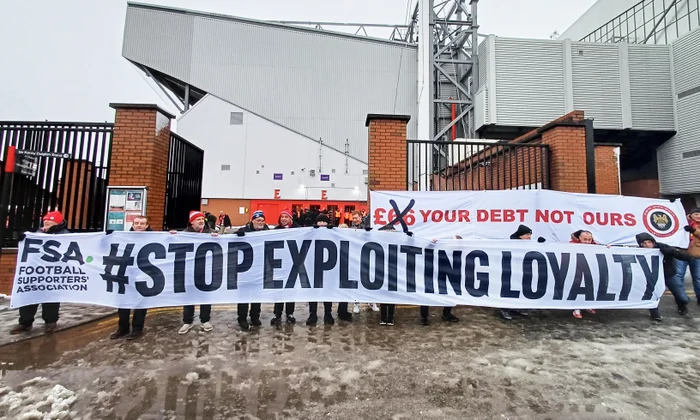
Tom Greatrex, chair of the Football Supporters’ Association, has warned that the situation is becoming endemic across the game. “Long-term supporters are finding it increasingly impossible to get tickets because of how they are siphoned off to secondary agencies,” he explained. What was once an isolated nuisance has now grown into a systemic problem undermining the integrity of match attendance and depriving genuine fans of the chance to support their clubs.
Brighton, to its credit, has stepped up efforts to confront the crisis head-on. The club recently created a new role, appointing Joseph Sells as their first-ever tickets investigation officer. For the Tottenham fixture, he was stationed at the stadium and oversaw the cancellation of hundreds of unauthorized tickets. “We’ve found hundreds today alone,” Sells explained. “Based on the black market rate, we’ve prevented about £100,000 from going into the hands of touts. We are investing heavily in technology to stop the problem at its core.”
The scale of the scam is striking. Sells recounted one family who had purchased six tickets for a Manchester City match, spending an extraordinary £6,000. All of them were invalid. “That’s very upsetting, of course. But it shows why we keep stressing: if you want to see a match, you must buy directly from the club.” At the Brighton-Tottenham match, 285 touted tickets were blocked in total. Additionally, twelve individual season ticket accounts suspected of being linked to touts were identified and canceled for future fixtures.
The creativity of some touts has even veered into the bizarre. One account was registered under the name “Tony Montana,” the infamous fictional gangster from the 1980s film Scarface, in a brazen attempt to bulk purchase tickets. But while some may treat the matter lightly, the financial and emotional consequences for real fans are anything but amusing.
The Premier League has also recognized the severity of the issue and is in the process of rolling out new rules for digital ticketing. Among the innovations are encrypted barcodes designed to make replication and resale far more difficult. Brighton’s bespoke software already scours resale websites for listings, flags suspicious transactions, and applies risk scores to purchases. “We’re essentially training a model to spot tout behavior before it gets into the system,” Sells explained. “For instance, if someone in Estonia is buying tickets with a prepaid card issued in the UAE, the model will flag that as high-risk.” Each day, the system learns more, adapting to the evolving tactics of touts.
The consequences of falling victim to the resale market can be devastating. For those who turn up with invalid tickets, Brighton hands out letters explaining what has happened and advising victims to contact their card issuer for a possible refund, treating them as fraud victims rather than culprits. In a gesture of goodwill, the club also offers any remaining seats in the stadium—whether from hospitality sections or season ticket holders unable to attend—to those stranded outside, though such opportunities are rare and cannot possibly accommodate everyone.
For fans like James, who believed the resale site had been his only chance of making his dream a reality, matchday turned into a nightmare. The financial loss was bad enough, but the emotional blow of being denied entry after such a long journey was far worse. His experience highlights the human cost of ticket touting, which exploits passion and turns loyalty into vulnerability.

As football continues to globalize, the demand for Premier League tickets among international supporters will only grow. Yet unless decisive action is taken, the very system intended to connect fans with their clubs risks being hijacked by profiteers who view loyalty not as devotion but as opportunity. The tragedy is that supporters like James—those most willing to sacrifice for their love of the game—are the ones left standing at the gates, staring in disbelief as the stadium doors close in front of them.
Related News:
 Sri Lanka Crush Bangladesh by 99 Runs to Seal ODI Series 2-1
 England’s Euro Odyssey: A Tale of Grit, Glory and the Lionesses’ Miraculous March to the Final
 Predicted Leicester Line-ups Reflect Cifuentes’ Tactical Plans Ahead of New Season
 Central London Gears Up for Lionesses’ Victory Parade as Thousands Prepare to Celebrate Historic Women’s Euros Win
 London Set to Honour Euro 2025 Champions as Lionesses Take Victory Parade Through the Capital
 Rangers Boss Russell Martin Launches Blistering Critique After Disappointing Draw with Motherwell
 Tottenham Takes On Newcastle
 Ngumoha Shines Bright as Liverpool’s Future Looks Fiercely Promising
 Golden Glory Beckons: Ballon d’Or 2025 Nominee Frenzy Ignites Global Football Stage
 It’s Thanks to Gabby That I Caught My Prostate Cancer in Time’ – Kenny Logan Opens Up on His Battle and His Mission to Save Lives
 Minute’s Silence for Diogo Jota Abruptly Ended After Wembley Tribute Disrupted
 Rugby Confronts Safety Concerns with Smart Mouthguards at Women’s World Cup
 Premier League Supercomputer Predicts Tough Season for Man Utd Amid Three-Team Title Battle
 Aston Villa Under Pressure as Newcastle Take on Hosts in Premier League Opener
 Isaac Price Shines as West Brom Clinch 3-2 Victory at Wrexham’s Championship Return
 FIFA Eyes Biennial Club World Cup from 2029, Plans Possible Expansion
 European Football: Atlético Madrid Stumble at Espanyol as Vitinha Secures PSG Win
 Leeds Mark Premier League Return with Gritty Win Over Everton
 Nottingham Forest Clarifies Position on Nuno Espirito Santo’s Future Following Opening Weekend Victory
 Manchester United Face £300m Transfer Loss as Squad Value Highlights Long-Term Mismanagement
 Grimsby Stun Manchester United in Dramatic Penalty Shootout
 Club Brugge Crush Ten-Man Rangers to Deepen Russell Martin’s Crisis
 Guardiola Admits City ‘Forgot to Play’ After Shock Defeat to Brighton
 Morgan MacRae: From 17 Minutes Dead to Returning to Rugby in Six Weeks
 Serbia Humiliated 0-5 by England in World Cup Qualifier
 India Triumph in Dubai Amid Unexpected Twists
 Fábio Carvalho’s Last-Minute Heroics Deny Chelsea Victory at Brentford
 Dembélé and Bonmatí Shine as Ballon d’Or Winners in Glittering Paris Ceremony
Liverpool Vs outhampton Set for Carabao Cup Clash at Anfield
Dembélé and Bonmatí Shine as Ballon d’Or Winners in Glittering Paris Ceremony
Liverpool Vs outhampton Set for Carabao Cup Clash at Anfield
 Chelsea Survive Lincoln City Scare to Advance in Carabao Cup
 Aston Villa Edge Bologna as Europa League Campaign Kicks Off
 Dramatic Derby: Sorloth Strikes as Atletico and Real Madrid Share the Spoils
 Arsenal VS Newcastle Hearts with Dramatic Late Turnaround at St James’ Park
 Aston Villa Fight Back to End Winless Run with Convincing Victory over Fulham
 Barcelona vs Real Sociedad
 ICC Women’s World Cup 2025: India to Host as Pakistan Fixtures Moved to Neutral Venues
 Postecoglou Stands Firm Amid Mounting Forest Fan Frustration
 Bournemouth Stun Fulham with Dramatic Comeback in Premier League Thriller
 Arsenal Showcase Depth and Flexibility as Arteta Eyes Title Challenge
 Cristiano Ronaldo Becomes Football’s First Billionaire Player
 Tuchel Critiques Wembley Atmosphere After England Victory, Sparks Debate on Fan Engagement
 Ruben Neves Strikes Late as Portugal Beat Ireland
 Kane’s Double Seals England’s World Cup Qualification
 Fulham vs Arsenal Trossard Strike Sends Gunners Three Points Clear
 Ange Postecoglou’s Naivety Premier League Misadventure Ends
 Arsenal vs Atlético Madrid,Gyökeres Double Secures 4-0 Champions League Victory
 Gibbs-White Inspires Forest to Thrilling Win Over Porto
 Go Ahead Eagles Shock Aston Villa as Buendía Misses Late Penalty
 Manchester United triumph as Mbeumo brace seals thrilling win
 Fabio Wardley stuns Joseph Parker to earn Usyk title shot
 Sarr Double Sinks Young Liverpool in Carabao Cup
 Salah & Gravenberch Lead Liverpool to Win Against Villa
 Dyche Criticises Corner Decision as Forest Draw with United
 Granit Xhaka Rescue Earns Everton Draw at Sunderland
 Burn and Joelinton Head Newcastle to Victory Over Bilbao
 Tension and Turmoil at Aston Villa v Maccabi Match
 Bellingham has ‘the edge’ among England No 10s
 Man City Masterclass on Guardiola’s Milestone Day Exposes Liverpool Woes
 Lando Norris Dominates Brazil GP to Strengthen F1 Title Bid
 England cannot afford to be in awe of the All Blacks, warns Jamie George
 VAR Must Rein Its Neck In to Save Football’s Spirit
 Trescothick Hints Pope Will Keep Number Three Spot
 Ronaldo Confirms Final World Cup and Plans Retirement
 Mary Earps’s Manchester United Return Faces Mixed Reception
 Sam Kerr Stars in Chelsea Return with Champions League Double
 This kid is something else: Alex Scott’s rise to England call-up
 Former Lion Heskey Warns of Shortage of England Strikers
 Australia Mourns Paralympic Champion Paige Greco
 Irish Hero Parrott Says Goal Brought First Tears in Years
 From heartbreak to glory: Scotland’s dramatic return to the World Cup
 Haiti Qualifies for World Cup Despite Coach Never Visiting Country
 Barcelona Returns to Camp Nou vs Athletic Bilbao
 Moyes Defends Gueye After Dramatic Everton Bust-Up
 Mbappe Scores 4 as Real Madrid Edge Olympiakos
 Man City Lose, Champions League Risk
 Jac Morgan to Miss Six Nations Start After Surgery
 Alexander Isak ends drought as Liverpool stop rot with win at West Ham
 Barcelona, Atletico set for decisive La Liga showdown
 Maxwell withdraws from IPL 2026 after 13 seasons
 Mbappe stars as Real Madrid thrash Athletic, close on Barca