Published: 02 October ‘2025. The English Chronicle Desk
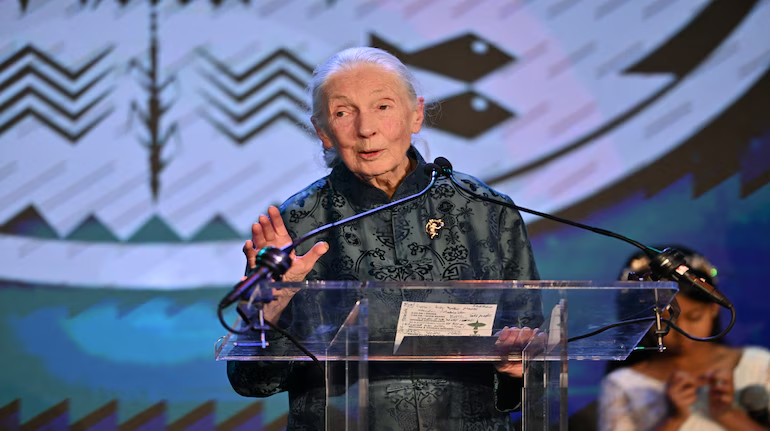
Jane Goodall, the renowned primatologist and conservationist whose groundbreaking research transformed the global understanding of animal behavior and emotions, has passed away at the age of 91. Her institute confirmed that she died of natural causes while on a speaking tour in California, leaving behind a legacy that has influenced generations of scientists, conservationists, and animal lovers around the world.
Goodall’s work with chimpanzees in Tanzania’s Gombe Stream National Park not only revolutionized primatology but also challenged the long-standing scientific assumption that humans were entirely unique in their capacity for emotion, intelligence, and social organization. Her pioneering observations revealed that chimpanzees were capable of forming intricate social bonds, using and even creating tools, displaying emotions, and exhibiting distinct personalities—traits once thought to be exclusively human.

In a statement released on social media, the Jane Goodall Institute said, “Dr. Goodall’s discoveries as an ethologist revolutionized science, and she was a tireless advocate for the protection and restoration of our natural world. Her lifelong dedication to understanding and safeguarding our environment has left an extraordinary legacy for humanity and nature alike.”
Throughout her illustrious career, Goodall received numerous accolades recognizing her scientific achievements and humanitarian work. She was appointed Dame of the British Empire in 2004 and awarded the United States Presidential Medal of Freedom in 2025. In 2002, she was named a Messenger of Peace by the United Nations for her tireless advocacy for the planet and its inhabitants.
Jane Goodall’s journey into the world of primatology began in 1960 when she was just 26 years old. At the invitation of Dr. Louis Leakey, a celebrated anthropologist and paleontologist, Goodall arrived in the Gombe Stream Reserve in Tanzania to study chimpanzees in their natural habitat. Remarkably, she had no formal higher education at the time, a fact that did not deter her from pursuing her passion. With patience and determination, she immersed herself in the forest, often spending long hours observing chimpanzees at close range.
Initially, the chimpanzees were wary of her presence. “They’d never seen a white ape before,” Goodall recalled in a 2019 interview with Deepak Chopra. Her breakthrough came when she earned the trust of an older chimpanzee she named David Graybeard. By carefully observing his behavior and offering gestures of reassurance, such as sharing a palm nut, Goodall established a relationship that allowed her to study the chimps in unprecedented depth. She noted how David Graybeard gently squeezed her fingers while handling the nut, a subtle act that demonstrated the emotional complexity of these primates. “In that moment, we communicated in a way that must have predated human language,” Goodall said.
One of Goodall’s most remarkable discoveries was the ability of chimpanzees to use and create tools. She observed them fashioning leafy twigs to extract termites from mounds, demonstrating a level of intelligence and problem-solving that had never been recorded in non-human animals before. This observation fundamentally altered the scientific understanding of tool use, previously considered a uniquely human trait. Goodall’s meticulous documentation of these behaviors highlighted the sophisticated cognitive abilities of chimpanzees, challenging existing theories about the sharp divide between humans and other species.
Beyond her scientific contributions, Goodall also transformed the methodology of primate research. She named individual chimpanzees and tracked their personalities, emotions, and relationships, rather than assigning numbers as was standard in scientific studies at the time. This approach, though controversial initially, proved to be revolutionary, emphasizing that animals could be studied as sentient beings rather than mere subjects. Many of her contemporaries were skeptical and even critical of her methods, questioning her credibility due to her young age and lack of formal academic training. However, Goodall remained steadfast, confident that her approach would yield insights impossible to obtain through traditional observation alone.
Her influence extended far beyond Gombe. Goodall became a global advocate for environmental protection, wildlife conservation, and ethical treatment of animals. She founded the Jane Goodall Institute in 1977, which supports wildlife research, conservation programs, and community-centered development initiatives. Her Roots & Shoots program, established in 1991, engages young people worldwide in environmental, conservation, and humanitarian projects, empowering them to create positive change in their communities.
Goodall’s work also highlighted the human impact on wildlife and ecosystems. She spoke passionately about deforestation, habitat destruction, climate change, and the illegal wildlife trade. Through countless lectures, books, and media appearances, she raised global awareness about the urgent need to preserve the planet and its biodiversity. Even in her later years, Goodall continued to travel extensively, inspiring audiences with her dedication, insight, and optimism about humanity’s capacity to make a difference.
The UN and other international organizations mourned her passing, acknowledging the extraordinary impact of her work. The UN tweeted, “Jane Goodall worked tirelessly for our planet and all its inhabitants, leaving an extraordinary legacy for humanity and nature.” Her efforts to connect humans with the natural world reshaped public perception of animals and inspired global initiatives to promote coexistence and environmental stewardship.
Goodall was also part of a remarkable trio of women, sometimes referred to as “Leakey’s Angels,” who were selected by Dr. Leakey to study great apes in their natural habitats. While Goodall focused on chimpanzees in Tanzania, Dian Fossey conducted pioneering research on gorillas in Rwanda, and Birutė Galdikas studied orangutans in Borneo. These women not only advanced primate science but also broke gender barriers in fields traditionally dominated by men, becoming role models for aspiring female scientists worldwide.
Throughout her life, Jane Goodall remained committed to bridging science with compassion. She advocated for a deeper understanding of animal emotions and social structures, challenging humans to rethink their relationship with the natural world. Her insights into empathy, community, and environmental responsibility continue to influence scientific research, education, and conservation policies across the globe.
Jane Goodall’s death marks the end of an era in primatology, but her pioneering spirit, discoveries, and advocacy ensure that her legacy will endure for generations. Through her research, teaching, and activism, she has left an indelible mark on science and society, reminding humanity of the shared connections we have with all living beings and the urgent need to protect the Earth for future generations.
In remembering Jane Goodall, the world not only honors a scientist but also a compassionate visionary whose work transcended the boundaries of science, culture, and geography. Her life’s work remains a beacon of hope, inspiring action for the protection of wildlife and the preservation of our fragile planet.
Related News:
 “I Feel English”: Young Migrant’s Dream of Britain Amid Political Pressure Over Channel Crossings
 My Husband Won’t Stop Playing with Lego and It’s Driving Me Nuts
 New Zealand mother and young son endure harrowing US detention over visa confusion
 EuroMillions Record-Breaking £210m Jackpot Won by Lucky Lottery Ticket Holder
 Calls Grow for a Complete Ban on Smacking as Public Opinion Shifts
 Lisbon’s Historic Funicular Turns to Tragedy: The Elevador da Glória Derailment
 Sycamore Gap Tree Confirmed to Be Over a Century Old, Scientists Reveal
 British Couple Among Victims in Lisbon Funicular Tragedy
 Ofsted Pushes Ahead with Controversial New Inspection Regime Despite Widespread Opposition
 First Group of Children from Gaza Arrive in UK for Life-Saving NHS Treatment
 Global Study Reveals Violence in GP Surgeries Linked to Long Waiting Times and Drug Refusals
 History Will Remember Who Showed Up: Pressure Mounts on Keir Starmer to Attend Cop30 Summit
White Low-Income Pupils in England Show Lowest Levels of School Engagement, Study Finds
History Will Remember Who Showed Up: Pressure Mounts on Keir Starmer to Attend Cop30 Summit
White Low-Income Pupils in England Show Lowest Levels of School Engagement, Study Finds
 Rachel Reeves Unveils Ambitious Plan to Bring a Library to Every Primary School in England
 Covid School Closures in UK Severely Disrupted Children’s Lives, Inquiry Finds
 A Third of EU Citizens in UK Report Discrimination by Public Bodies Post-Brexit
 UK Universities Warn Students Ahead of 7 October Pro-Palestine Protests
 Eating International Foods Linked to Greater Tolerance, UK Study Finds
 Phillipson urges UK universities to combat antisemitism
 MPs Urge UK to Let Gaza Scholars Bring Their Children
 Phillipson Warns Parents Over Poor Quality Online Advice
 One in 12 Secondary Pupils Sent to Isolation Weekly
 WW2 Pilot’s Long-Lost Crash Site Unearthed in Essex
 Marie Curie Launches End-of-Life Checklist to Ease Stress
 Posthumous books are messy and fraught – but Virginia Giuffre’s gives her a voice
 Children to Learn Local History in Major Curriculum Overhaul
 UK University Suspends Human Rights Research Following Pressure from China
 UK University Faces Counter-Terror Probe Over China Pressure
 Top Christmas Books Reads: Classics to Cozy Romcoms
 World Whisky Tour: 9 Global Gems
 Greta Thunberg Backs Student Facing UK Visa Revocation
China-critical UK academics face ‘extremely heavy’ pressure from Beijing
Greta Thunberg Backs Student Facing UK Visa Revocation
China-critical UK academics face ‘extremely heavy’ pressure from Beijing
 British Grandmother to Return Home After Death Sentence in Bali
 Parents Urge Home Office to Reunite Daughter After Hurricane
 No link found between paracetamol in pregnancy and autism
 Second world war veterans honoured as King leads Remembrance Sunday
 Mali’s Daily Life Cripples Under Jihadists’ Fuel Blockade
 Algeria Pardons French-Algerian Novelist Sansal After Year in Jail
 South Korea’s College Exam Tests Perseverance of Blind Students
 Deadly Peru Bus Crash Kills 37 on Pan-American Highway
 Truck Crashes into South Korean Market, 2 Dead, Dozens Hurt
 Bataclan Anniversary: France Remembers but Jihadist Danger Lingers
 UK Schools Face Staff Exodus Amid Wellbeing Crash
 Irish Hero Parrott Says Goal Brought First Tears in Years
 Scotland Fans Reflect on France ’98 as World Cup Looms
 Thousands at Risk in Gaza Amid Winter Flooding
 Forgotten War, Shattered Lives: Sexual Violence Devastates Women in Ethiopia
 Ethiopia Welcomes Historic Artefacts Returned from Germany
 South African Women Call Purple Protest Over Gender Violence
 Families wait in agony for missing after Hong Kong tower blaze
 A Colourful Cultural Escape in Mexico’s Querétaro
 Rare shark attack kills woman, injures man at remote NSW beach
 Europe, North America face early wave of bird flu
 Tokyo court rules Japan’s same-sex marriage ban constitutional
 UK Criticises Gaza Aid Delays as Tents Arrive After Year
 UK Must Act with Courage and Clarity on Israel-Palestine Conflict, Says Foreign Affairs Committee Report
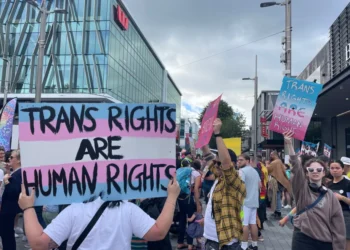 The Fight for Trans Safety Is a Fight for Everyone’s Safety — MPs Must Debate This Crucial Issue
 Princess of Wales Launches Animated Video Series to Support Early Childhood Development
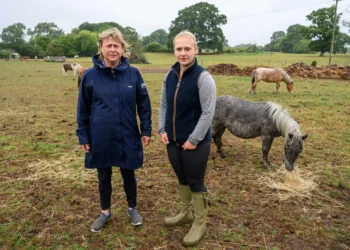 Heartbreak in the New Forest as Shetland Ponies Vanish, Community on Edge
 Education Leaders Call for End to Compulsory GCSE Resits in English and Maths
 Thousands of New School Nursery Places to Be Rolled Out Across England
 Jeremy Clarkson’s Pub: A Sunday Lunch Like No Other
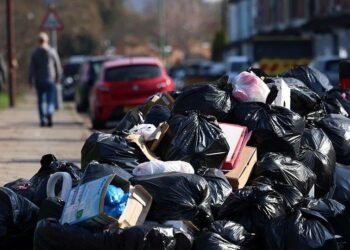 Birmingham Bin Strike Enters Sixth Month as Negotiations Stall
 Over 40% of Private Renters Forced to Ration Energy to Afford Bills, Study Reveals
 Northern Ireland Faces Fears of Prolonged Race Riot “Permacrisis”
 Scottish Teenager’s Petition on Single-Use Plastics Gains Parliamentary Support
 Yvette Cooper Signals Global Momentum Towards Gaza Peace Deal Amid Humanitarian Crisis
 Arsenal Showcase Depth and Flexibility as Arteta Eyes Title Challenge
 Public Trust in SNP Hits Historic Low Amid NHS Concerns
 Prince William Plants Trees with Brazil’s Nature Heroes
 Labour immigration crackdown could cost UK £4.4bn
 Son Reveals UK Couple in Iran Resort to Hunger Strike for Help
 Japan Deploys Police to Curb Deadly Bear Attacks
 Trump Deploys DHS to Charlotte in Major Arrest Operation
 Orban Says Ukraine Has ‘No Chance’ as EU Support Continues
 ‘Traumatic Wait’: Northern Ireland Women Face Breast Cancer Delays
 Scottish Families Take Legal Action Over School CO Leak
 Two National Guard Soldiers Critically Injured Near White House
 Fibromyalgia Patients Struggle as NHS Fails to Provide Care
 Virgin Media Fined £23.8m Over Telecare Safety Failures