Published: 08 October 2025. The English Chronicle Online.
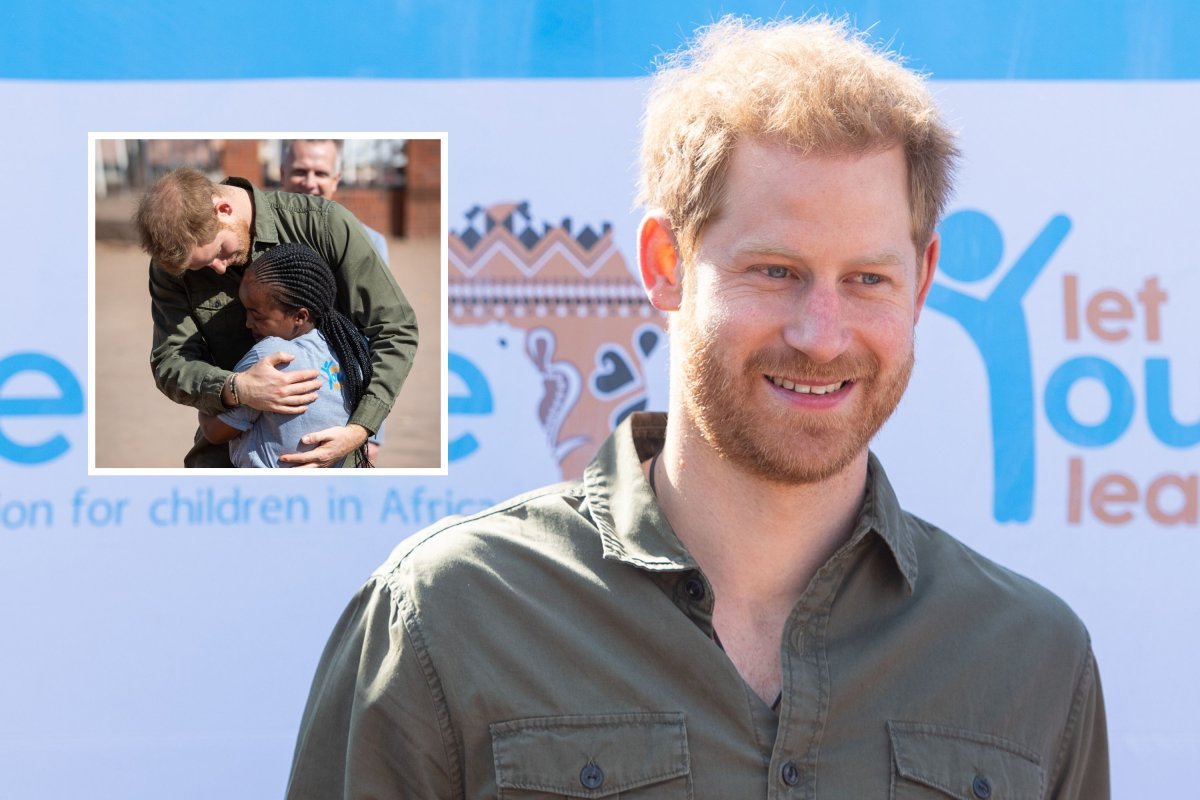
Prince Harry has spoken out following a Charity Commission report that criticised his former charity, Sentebale, for a public row that led to mass resignations among its trustees and founding patrons. The Duke of Sussex, who co-founded Sentebale in 2006 alongside Prince Seeiso of Lesotho, described the watchdog’s findings as falling “troublingly short,” highlighting concerns that the consequences of the internal dispute would affect the very children the charity exists to support.
The Charity Commission investigation, which spanned four months, cleared Prince Harry of any “over-reach” in his role at the charity but criticised the parties involved for allowing a damaging boardroom dispute to play out publicly. While the regulator found no evidence of widespread bullying, harassment, misogyny, or racism, it expressed concern over the perception of ill-treatment experienced by some parties and the impact this may have had on them personally.
A spokesperson for Prince Harry said: “Unsurprisingly, the Commission makes no findings of wrongdoing in relation to Sentebale’s co-founder and former patron, Prince Harry, Duke of Sussex. They also found no evidence of widespread bullying, harassment, or misogyny and misogynoir at the charity, as falsely claimed by the current Chair. Despite all that, their report falls troublingly short in many regards, primarily the fact that the consequences of the current Chair’s actions will not be borne by her—but by the children who rely on Sentebale’s support.”

The row at Sentebale came to a head after tensions developed in 2023, when the then trustees sought to implement a new fundraising strategy in the United States. Disputes soon emerged between the chairwoman, Dr Sophie Chandauka, and several trustees, alongside Prince Harry and Prince Seeiso. The conflict escalated into resignations and legal threats, creating a high-profile public dispute that drew widespread media attention.
The Charity Commission’s report noted that internal disputes were poorly managed due to “a lack of clarity around role descriptions and internal policies,” which left key decisions, including considerations for an executive chair role, “confusing, convoluted and poorly governed.” The regulator concluded that trustees had failed to put proper processes and policies in place to investigate internal complaints, contributing to the breakdown in relations and damaging the charity’s reputation.
The commission emphasised that the public airing of disagreements did not serve the charity’s best interests. Statements to the media and interviews with the parties involved contributed to confusion and undermined public trust. The watchdog stressed that a lack of clear policies and governance left Sentebale vulnerable to conflict, despite no evidence of systemic misconduct by Prince Harry, Prince Seeiso, or the chair.
In March 2025, Prince Harry and Prince Seeiso resigned as patrons, expressing support for trustees caught up in the dispute. “It is devastating that the relationship between the charity’s trustees and the chair of the board broke down beyond repair, creating an untenable situation,” the princes said at the time. Their departure marked a significant turning point for Sentebale, a charity they co-founded in memory of Harry’s mother, Princess Diana, to support young people affected by HIV and AIDS in Lesotho and Botswana.
Dr Chandauka, in turn, reported the trustees to the Charity Commission and took legal steps to prevent her removal, alleging misconduct. She maintained that she had been instrumental in protecting the charity during the dispute and criticised the resigning trustees’ handling of the situation. In response, the Charity Commission stressed that mismanagement arose from unclear delegations, inadequate policies, and failures in governance rather than intentional wrongdoing.
The regulator issued a formal action plan to Sentebale, recommending that the charity establish clearly defined roles for patrons in writing and improve its complaints and whistleblowing procedures. Trustees, past and present, were collectively held responsible for the missed opportunity to resolve disputes internally before they became public. Financial difficulties following the Covid-19 pandemic were also noted as contributing factors to tensions within the organisation.
David Holdsworth, chief executive of the Charity Commission, said: “Sentebale’s problems played out in the public eye, enabling a damaging dispute to harm the charity’s reputation, risk overshadowing its many achievements, and jeopardising the charity’s ability to deliver for the very beneficiaries it was created to serve.”
In response, Prince Harry’s team confirmed that he would continue to support the children aided by Sentebale through alternative channels. “As custodians of this once brilliant charity, Prince Seeiso, Prince Harry, and the former board of trustees helped grow Sentebale from the seed of an idea to – like its namesake – a flowering force for good,” the spokesperson said. “With the original mission of Sentebale firmly in mind – and in honour of the legacy he and Prince Seeiso began – the Duke of Sussex will now focus on finding new ways to continue supporting the children of Lesotho and Botswana.”
Dr Chandauka commented on the report and the charity’s future, saying: “The unexpected adverse media campaign that was launched by those who resigned on 24 March 2025 has caused incalculable damage and offers a glimpse of the unacceptable behaviours displayed in private. We are emerging not just grateful to have survived, but stronger: more focused, better governed, boldly ambitious, and with our dignity intact. Despite the recent turbulence, we will always be inspired by the vision of our founders, Prince Harry and Prince Seeiso, who established Sentebale in memory of their precious mothers, Princess Diana and Queen ‘Mamohato’. To all who believe in our mission: please walk with us as Sentebale recovers, renews, and rises to meet the hopes and expectations of the next generation.”
The Charity Commission stressed the importance of resolving internal disputes without public escalation, emphasising that poor governance and unclear roles can have lasting repercussions on a charity’s reputation and its ability to serve its beneficiaries. While the regulator stopped short of finding wrongdoing on the part of Prince Harry or the chair, its recommendations underscore the need for robust internal processes, clear governance frameworks, and proactive management of potential conflicts.
The Sentebale case has reignited discussions about transparency and accountability within charities, particularly high-profile organisations founded by public figures. Experts note that while the charity’s mission remains vital, disputes that become public can overshadow positive achievements and undermine donor confidence. Effective governance, clear roles for trustees and patrons, and well-documented procedures are seen as essential safeguards for charities, ensuring that organisational conflicts do not compromise their work or reputation.

Prince Harry’s response to the report highlights his commitment to the children of Lesotho and Botswana, signalling that while his role at Sentebale may have ended, his dedication to the cause remains steadfast. His spokesperson emphasised that the Duke will continue to seek alternative ways to support beneficiaries directly, ensuring that the original vision of the charity continues to have impact.
As the charity begins to implement the Commission’s recommendations and rebuild internal processes, Sentebale faces the dual challenge of restoring its public image and maintaining operational focus. Trustees and staff will need to ensure that governance frameworks are clearly defined, internal disputes are managed discreetly, and the charity’s core mission remains central to its activities. The case serves as a high-profile example of the consequences that can arise when internal disagreements are allowed to escalate publicly, highlighting the delicate balance between transparency, accountability, and operational stability in charitable organisations.
In conclusion, the Sentebale row underscores the importance of strong governance, clear delegation of authority, and careful management of internal disputes in charities. While no wrongdoing was found on Prince Harry’s part, the public dispute illustrates the potential risks faced by high-profile charities and the lasting impact such conflicts can have on both reputation and the people they serve. Prince Harry’s commitment to finding new ways to support vulnerable children in southern Africa signals a continuation of the charity’s mission, even as Sentebale works to recover from one of its most challenging periods.
Related News:
 Prince Harry Cleared of Bullying Allegations Amid Charity Dispute Fallout
 Close Friend of Princes William and Harry Faces Delicate Godparent Decision
 Where Is Prince William and Kate Middleton’s New House? Inside the Historic Lodge Set to Become Their ‘Forever Home’
 Duchess of Kent Dies at 92, Buckingham Palace Confirms
 Prince Harry Meets King Charles in First Private Encounter in 19 Months
 George and Amal Clooney Celebrate Global Human Rights Champions at Star-Studded Albies
 Sussexes Warn on Children’s Phone Use Echoing Princess of Wales
 Prince Andrew told Epstein “we are in this together”
 Admiral of the Fleet Sir David Bathurst Dies Aged 89
 King Charles to pray publicly with pope in historic Vatican visit
Prince Andrew steps aside as royal succession shifts
Giuffre’s bombshell memoir names Prince Andrew 88 times in shocking revelations
King Charles to pray publicly with pope in historic Vatican visit
Prince Andrew steps aside as royal succession shifts
Giuffre’s bombshell memoir names Prince Andrew 88 times in shocking revelations
 Harry and Meghan join global AI leaders urging superintelligence ban
 William Steps Up Over Prince Andrew Palace Response
 Prince Andrew May Leave Royal Lodge for Frogmore Cottage
 King Charles Heckled Over Prince Andrew-Epstein Links
Prince Andrew Hosted Epstein Days Before Arrest
Prince Andrew Under Pressure as MPs Question Royal Lodge Rent Arrangements
King Charles Heckled Over Prince Andrew-Epstein Links
Prince Andrew Hosted Epstein Days Before Arrest
Prince Andrew Under Pressure as MPs Question Royal Lodge Rent Arrangements
 Prince Andrew Stripped of Title: Giuffre Family Hails Historic Moment
 Kate Winslet to Narrate Film Highlighting King’s Environmental Mission
Trump Speaks on Prince Andrew’s Royal Scandal Fallout
Kate Winslet to Narrate Film Highlighting King’s Environmental Mission
Trump Speaks on Prince Andrew’s Royal Scandal Fallout
 Prince of Wales showcases volleyball skills on Brazil visit
 Prince William Plants Trees with Brazil’s Nature Heroes
 Meghan ‘to return to acting’ after eight-year hiatus
 Oprah enjoys Meghan’s jam on English muffins
 King Charles to Lead Nation in Remembrance Sunday Service
 Second world war veterans honoured as King leads Remembrance Sunday
 The Debate Over Princess Beatrice and Eugenie’s Royal Status Intensifies
 Farage appointee to lead Reform youth accused of anti-British views
Palace to reinstate hyphen in Andrew’s surname
Farage appointee to lead Reform youth accused of anti-British views
Palace to reinstate hyphen in Andrew’s surname
 Princess of Wales Hosts Festive Christmas Service at Abbey
 Princess Eugenie-Linked Gallery Faces Russia Sanctions Charges
 Princess Anne Takes the Controls in Airbus Flight Simulator
 Catherine urges end to stigma around addiction
 UK Must Act with Courage and Clarity on Israel-Palestine Conflict, Says Foreign Affairs Committee Report
 London Set to Honour Euro 2025 Champions as Lionesses Take Victory Parade Through the Capital
 Targeted Attack in Bury Sparks Murder Investigation as Community Awaits Justice
 Princess of Wales Launches Animated Video Series to Support Early Childhood Development
 Heartbreak in the New Forest as Shetland Ponies Vanish, Community on Edge
 Fire Contained at Edinburgh’s Arthur’s Seat After Overnight Battle by Firefighters
 Premier League Supercomputer Predicts Tough Season for Man Utd Amid Three-Team Title Battle
 UK Weather: Heat Alerts Extended as Temperatures Set to Reach 30°C This Weekend
 Merseyside Police Helicopter Crew Cleared After Low-Altitude Pursuit of Suspect
 Education Leaders Call for End to Compulsory GCSE Resits in English and Maths
 Thousands of New School Nursery Places to Be Rolled Out Across England
 Tanni Grey-Thompson Faces Abuse Over Opposition to Assisted Dying Bill
 Birmingham Bin Strike Enters Sixth Month as Negotiations Stall
 Over 40% of Private Renters Forced to Ration Energy to Afford Bills, Study Reveals
 Systemic Racism in Maternity Care Continues to Endanger Black Women in England, MPs Warn
 Northern Ireland Faces Fears of Prolonged Race Riot “Permacrisis”
 Nigel Farage Unveils Controversial Immigration and Welfare Plans at Reform UK Press Conference
 Scottish Teenager’s Petition on Single-Use Plastics Gains Parliamentary Support
 White Low-Income Pupils in England Show Lowest Levels of School Engagement, Study Finds
 No Evidence Found to Substantiate Alleged Rape in Oxfordshire Churchyard, Police Confirm
 UK House Price Growth Slows as Buyers Exercise Caution Ahead of Autumn Budget
 Kemi Badenoch Unveils ‘Golden Rule’ to Halve Spending Cuts for Deficit Reduction at Tory Conference
 Public Trust in SNP Hits Historic Low Amid NHS Concerns
 Yvette Cooper Backs Digital ID Plan for UK Teens
 Strictly Celebs Starstruck as Cynthia Erivo Shines
 Ian Watkins Killed in Prison; Ex-Girlfriend Speaks Out
 Johnson Suggests Mandelson Linked to China Spy Controversy
 Ministry of Justice fails to file £11bn in spending receipts
 Rachel Reeves signals welfare reform ahead of key budget
 Reform UK candidate fined £19,000 after using AI-generated cases to challenge election
 Hospice Cuts Raise Alarm Across England Amid Funding Crisis
 Green Party Surges Past Labour in Latest UK Poll
 Zarah Sultana Launches Party to Change Politics
 Children to Learn Local History in Major Curriculum Overhaul
 Granit Xhaka Rescue Earns Everton Draw at Sunderland
 Just Stop Oil Protesters Convicted Amid Climate Defence Row
 Earl of Yarmouth Faces £1.3m Legal Bill Over Family Estate
 Starmer Faces Growing Dissent as Labour MPs Weigh Leadership Challenge
 Son Reveals UK Couple in Iran Resort to Hunger Strike for Help
 Former Lion Heskey Warns of Shortage of England Strikers
 ‘Traumatic Wait’: Northern Ireland Women Face Breast Cancer Delays
 Serial Rapist and Former Cop Found Guilty Again
 Most Tories Expect to Support a Farage-Led Government
 Karen Carney Stuns on Blackpool Week, Deserves Strictly Final
 Fibromyalgia Patients Struggle as NHS Fails to Provide Care
 Virgin Media Fined £23.8m Over Telecare Safety Failures