Published: 13 October 2025. The English Chronicle Desk. The English Chronicle Online
Prince Andrew reportedly sent an email to convicted paedophile Jeffrey Epstein stating “we are in this together” the day after a photograph emerged showing him with Virginia Giuffre, reigniting scrutiny over the Duke of York’s connections to the disgraced financier. The message, dated 28 February 2011, appears to contradict Andrew’s long-standing claims that he severed all contact with Epstein months earlier.
The Sun on Sunday reported that in the email, sent from Andrew’s official address with the automated signature “HRH The Duke of York KG,” the duke wrote: “I’m just as concerned for you! Don’t worry about me! It would seem we are in this together and will have to rise above it.” He reportedly urged Epstein to “keep in close touch” and added, “We’ll play some more soon!!!!”

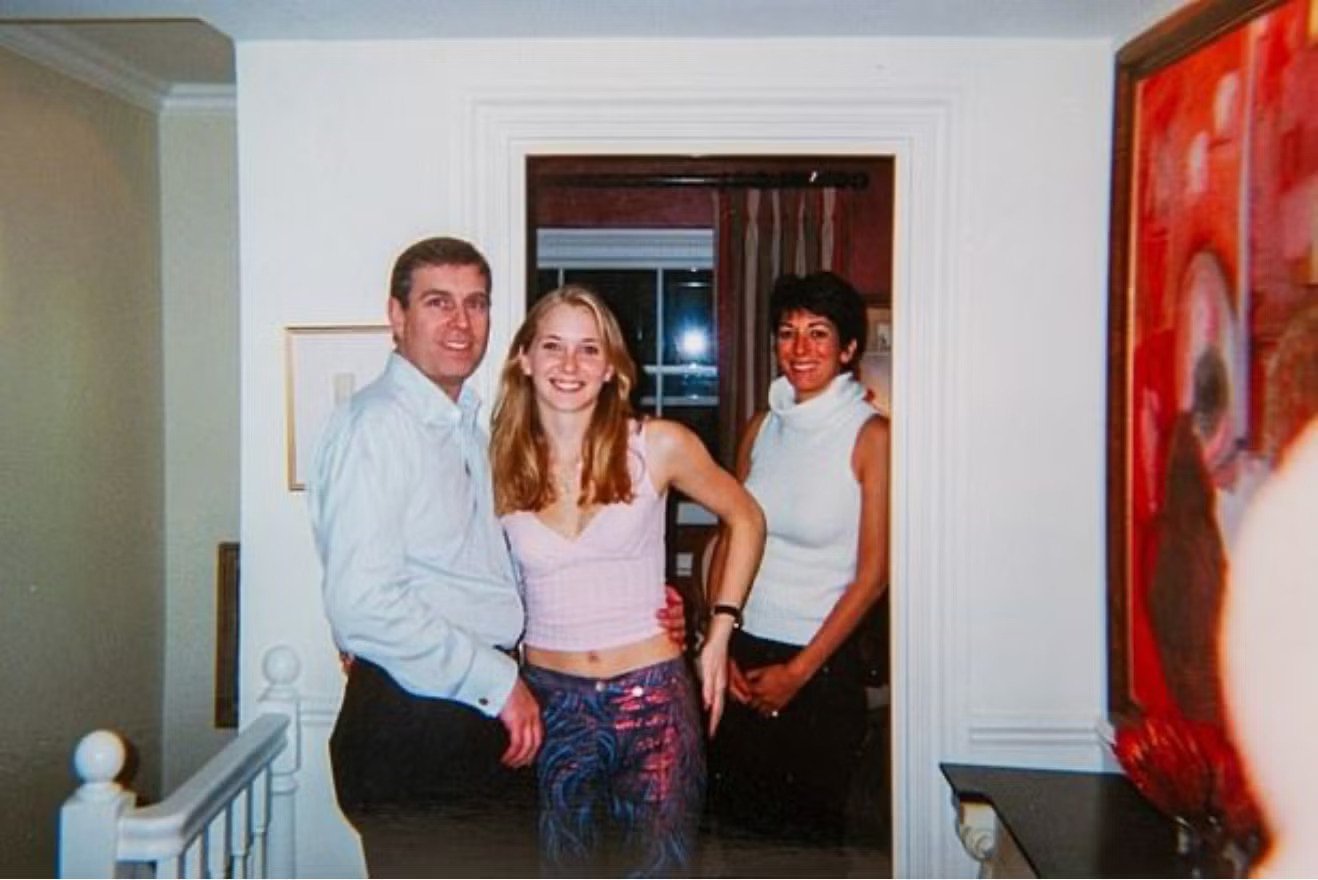
The photograph in question, published on 27 February 2011, shows Andrew with his arm around the waist of Virginia Giuffre at the London townhouse of Epstein’s associate, Ghislaine Maxwell. Maxwell is currently serving a 20-year prison sentence for recruiting and trafficking underage girls for Epstein. The image emerged just hours before Andrew’s email and captured what Giuffre has described as a visit to London in March 2001, when she was aged 17. She alleges that during this visit she was taken to dinner, drank with the duke, went to the Tramp nightclub, and later had sex with him.
Andrew, now 65, has consistently denied all allegations of sexual abuse. In 2019, he gave an infamous interview with the BBC’s Newsnight, insisting that he had severed contact with Epstein after being photographed with him in Central Park, New York, in December 2010. At the time, he claimed the photo marked the end of their friendship.
The newly revealed email, however, appears to challenge that assertion. By expressing solidarity with Epstein and indicating future meetings, the correspondence casts doubt on Andrew’s claim that his interactions with the financier had ceased. The message also raises questions about the veracity of his denial regarding his encounter with Giuffre, which he described in 2019 as a meeting that “didn’t happen.”
In the BBC interview, Andrew insisted that the photograph of him and Giuffre was not taken in London and offered explanations for why the image appeared misleading. “Oh it’s definitely me, I mean that’s a picture of me, it’s not a picture of… I don’t believe it’s a picture of me in London because… when I go out in London, I wear a suit and a tie,” he said. He added, “I am not one to, as it were, hug and public displays of affection are not something that I do. So that’s the best explanation I can give you and I’m afraid to say that I don’t believe that photograph was taken in the way that has been suggested.”
The email’s timing, just one day after the photo became public, has reignited criticism of Andrew’s behaviour and his long-standing association with Epstein. Giuffre has also alleged that the duke sexually abused her on Epstein’s private island, Little St. James, while she was still a teenager. Andrew has unequivocally denied these claims. In 2022, he agreed to settle Giuffre’s civil claim for a multi-million-dollar sum without admitting liability.
Experts and observers have noted that the revelation of the email may further complicate Andrew’s public image and legacy. While he has consistently sought to distance himself from Epstein, the new correspondence suggests a continued level of engagement even after the scandal surrounding Epstein’s criminal activities became widely known.
Legal analysts have highlighted that such communications, while not necessarily implying guilt, could be relevant in assessing claims about Andrew’s knowledge of Epstein’s activities and the nature of their ongoing relationship. The duke’s settlement with Giuffre in 2022 was one of several high-profile civil agreements related to Epstein’s victims, aimed at resolving claims without protracted litigation or admissions of wrongdoing.
The unfolding revelations come amid continued public interest in the Epstein-Maxwell scandal and its far-reaching implications, particularly regarding high-profile figures who maintained relationships with Epstein despite his documented criminal behaviour. Andrew’s association with Epstein has long been a source of controversy for the British royal family, generating criticism from the public, media, and advocacy groups alike.
Royal commentators have noted that the email could reignite debates about the duke’s accountability and the responsibility of those in positions of influence to sever ties with individuals engaged in criminal conduct. It also raises broader questions about institutional oversight and the mechanisms by which high-profile figures navigate legal and ethical boundaries.
While Andrew has maintained his innocence and framed the settlement as a pragmatic resolution, the resurfacing of emails and photographs continues to fuel media scrutiny and public debate. Analysts suggest that such revelations may influence public perceptions of the monarchy, particularly regarding transparency, accountability, and the handling of sensitive scandals involving members of the royal family.
As the conversation around Epstein and his network of associates continues, the release of this email serves as a reminder of the complexities and enduring consequences of high-profile relationships entwined with criminal activity. The juxtaposition of Andrew’s public denials and private correspondence underscores the challenges in reconciling official statements with documented communications, and the broader implications for trust and credibility in public life.

Prince Andrew’s case also highlights ongoing discussions about victim advocacy, civil settlements, and the legal recourse available to those affected by sexual abuse. Giuffre’s allegations, combined with public documentation such as photographs and emails, continue to inform debates on consent, accountability, and institutional responsibility, both within the context of the monarchy and society at large.
While Andrew has sought to navigate the fallout through legal settlements and media appearances, the emergence of the email adds a new dimension to the public record. It underlines the tension between personal narratives, public perception, and the evidence available to journalists, historians, and legal observers.
The enduring media coverage ensures that the story remains a focal point for discussions on ethics, law, and the responsibilities of public figures. As archival evidence, such as emails and photographs, continues to surface, analysts expect the discourse to evolve, encompassing both the historical context of the Epstein scandal and its contemporary ramifications for those involved.
The email, reportedly sent less than 24 hours after the photograph became public, exemplifies the ongoing scrutiny that Prince Andrew faces, despite legal resolutions and public denials. The revelations are likely to reignite debate on how accountability is pursued for high-profile individuals implicated in sexual abuse scandals, and the degree to which private communications align—or conflict—with public statements.
Related News:
 Prince Harry Cleared of Bullying Allegations Amid Charity Dispute Fallout
 Close Friend of Princes William and Harry Faces Delicate Godparent Decision
 Where Is Prince William and Kate Middleton’s New House? Inside the Historic Lodge Set to Become Their ‘Forever Home’
 Duchess of Kent Dies at 92, Buckingham Palace Confirms
 Prince Harry Meets King Charles in First Private Encounter in 19 Months
 George and Amal Clooney Celebrate Global Human Rights Champions at Star-Studded Albies
 Prince Harry Responds to Charity Commission Criticism Over Sentebale Row
 Sussexes Warn on Children’s Phone Use Echoing Princess of Wales
 Admiral of the Fleet Sir David Bathurst Dies Aged 89
 King Charles to pray publicly with pope in historic Vatican visit
Prince Andrew steps aside as royal succession shifts
King Charles to pray publicly with pope in historic Vatican visit
Prince Andrew steps aside as royal succession shifts
 Giuffre’s bombshell memoir names Prince Andrew 88 times in shocking revelations
 Harry and Meghan join global AI leaders urging superintelligence ban
 William Steps Up Over Prince Andrew Palace Response
 Prince Andrew May Leave Royal Lodge for Frogmore Cottage
 King Charles Heckled Over Prince Andrew-Epstein Links
Prince Andrew Hosted Epstein Days Before Arrest
Prince Andrew Under Pressure as MPs Question Royal Lodge Rent Arrangements
King Charles Heckled Over Prince Andrew-Epstein Links
Prince Andrew Hosted Epstein Days Before Arrest
Prince Andrew Under Pressure as MPs Question Royal Lodge Rent Arrangements
 Prince Andrew Stripped of Title: Giuffre Family Hails Historic Moment
 Kate Winslet to Narrate Film Highlighting King’s Environmental Mission
Trump Speaks on Prince Andrew’s Royal Scandal Fallout
Kate Winslet to Narrate Film Highlighting King’s Environmental Mission
Trump Speaks on Prince Andrew’s Royal Scandal Fallout
 Prince of Wales showcases volleyball skills on Brazil visit
 Prince William Plants Trees with Brazil’s Nature Heroes
 Meghan ‘to return to acting’ after eight-year hiatus
 Oprah enjoys Meghan’s jam on English muffins
 King Charles to Lead Nation in Remembrance Sunday Service
 Second world war veterans honoured as King leads Remembrance Sunday
 The Debate Over Princess Beatrice and Eugenie’s Royal Status Intensifies
 Farage appointee to lead Reform youth accused of anti-British views
Palace to reinstate hyphen in Andrew’s surname
Farage appointee to lead Reform youth accused of anti-British views
Palace to reinstate hyphen in Andrew’s surname
 Princess of Wales Hosts Festive Christmas Service at Abbey
 Princess Eugenie-Linked Gallery Faces Russia Sanctions Charges
 Princess Anne Takes the Controls in Airbus Flight Simulator
 Catherine urges end to stigma around addiction
 UK Must Act with Courage and Clarity on Israel-Palestine Conflict, Says Foreign Affairs Committee Report
 London Set to Honour Euro 2025 Champions as Lionesses Take Victory Parade Through the Capital
 Targeted Attack in Bury Sparks Murder Investigation as Community Awaits Justice
 Princess of Wales Launches Animated Video Series to Support Early Childhood Development
 Heartbreak in the New Forest as Shetland Ponies Vanish, Community on Edge
 Fire Contained at Edinburgh’s Arthur’s Seat After Overnight Battle by Firefighters
 Premier League Supercomputer Predicts Tough Season for Man Utd Amid Three-Team Title Battle
 Mystery Wallaby Spotted on Norfolk-Suffolk Border Sparks Police Appeal
 UK Weather: Heat Alerts Extended as Temperatures Set to Reach 30°C This Weekend
 Terence Stamp, ’60s British Film Legend and Star of Superman, Dies at 87
 Merseyside Police Helicopter Crew Cleared After Low-Altitude Pursuit of Suspect
 Is the UK Ready to Put Boots on the Ground in Ukraine? Assessing Military Capacity and Challenges
 Education Leaders Call for End to Compulsory GCSE Resits in English and Maths
 Police Scotland Spends £500,000 Compensating Officers Over Trump Visit
 Thousands of New School Nursery Places to Be Rolled Out Across England
 Urgent Action Needed on Windrush Compensation as Survivors Speak of “Waiting to Die”
 Tanni Grey-Thompson Faces Abuse Over Opposition to Assisted Dying Bill
 Rising Food Bank Dependence Highlights Deepening Hardship Across the UK
 Birmingham Bin Strike Enters Sixth Month as Negotiations Stall
 TfL Invites RMT to Resume Talks as London Tube Strikes End
 Over 40% of Private Renters Forced to Ration Energy to Afford Bills, Study Reveals
 Systemic Racism in Maternity Care Continues to Endanger Black Women in England, MPs Warn
 Northern Ireland Faces Fears of Prolonged Race Riot “Permacrisis”
 Nigel Farage Unveils Controversial Immigration and Welfare Plans at Reform UK Press Conference
 Scottish Teenager’s Petition on Single-Use Plastics Gains Parliamentary Support
 White Low-Income Pupils in England Show Lowest Levels of School Engagement, Study Finds
 No Evidence Found to Substantiate Alleged Rape in Oxfordshire Churchyard, Police Confirm
 UK House Price Growth Slows as Buyers Exercise Caution Ahead of Autumn Budget
 Massive London Poundland Fire Engulfs High Street
 Paedophile Singer Ian Watkins Dies After Prison Attack
 Johnson Suggests Mandelson Linked to China Spy Controversy
 Ministry of Justice fails to file £11bn in spending receipts
 Rachel Reeves signals welfare reform ahead of key budget
 Reform UK candidate fined £19,000 after using AI-generated cases to challenge election
 Hospice Cuts Raise Alarm Across England Amid Funding Crisis
 Green Party Surges Past Labour in Latest UK Poll
 Children to Learn Local History in Major Curriculum Overhaul
 Starmer Faces Growing Dissent as Labour MPs Weigh Leadership Challenge
 Son Reveals UK Couple in Iran Resort to Hunger Strike for Help
 Former Lion Heskey Warns of Shortage of England Strikers
 ‘Traumatic Wait’: Northern Ireland Women Face Breast Cancer Delays
 Serial Rapist and Former Cop Found Guilty Again
 Most Tories Expect to Support a Farage-Led Government
 Karen Carney Stuns on Blackpool Week, Deserves Strictly Final
 Fibromyalgia Patients Struggle as NHS Fails to Provide Care
 Virgin Media Fined £23.8m Over Telecare Safety Failures