Published: 15 October 2025. The English Chronicle Desk. The English Chronicle Online.
In the mid-1990s, Questlove, the Roots’ drummer, was approached to work on the first album by a promising new soul singer. At the time, he turned the offer down flat: “I was like, ehhh, soul singers in the 90s – whatever,” he later recalled. “I’m not doing this. Nothing about soul singing had moved me, from any 90s offering, the same way it did with Otis Redding, Stevie Wonder, Lou Rawls.”
A year later, with D’Angelo’s debut album Brown Sugar finally on the shelves, Questlove’s opinion underwent a complete reversal. Spotting D’Angelo in the audience at a Roots show, he “thwarted and threw off the entire show” by suddenly playing “an obscure Prince drum roll” in a successful bid to attract the singer’s attention. “The only person that mattered to me that night in the room was D’Angelo,” he admitted.

That moment marked the beginning of a creative partnership that would leave a lasting impact on modern soul music. Questlove, D’Angelo, and producer DJ J Dilla went on to form the Soulquarians, a collective that would drive some of the most innovative music of the era. But more than that, it was a testament to the revolutionary effect of Brown Sugar, which did far more than earn critical acclaim or commercial success—it defined a new sound and, unintentionally, a new genre.
Brown Sugar achieved platinum status in the United States and became the marketing foundation for what was soon called “neo-soul.” The term would later be criticised for representing music that merely recreated the past, but D’Angelo’s work was not about replication. Its influence came from blending the past and present, layering jazz, gospel, and blues influences with the raw energy of hip-hop, while his falsetto bore subtle echoes of Donny Hathaway and Al Green. Yet the album sounded undeniably modern, its production and sensibilities anchored in the 1990s, and D’Angelo’s auteur approach showed clear admiration for Prince—not merely as an inspiration, but as a model for how an artist could control every facet of their work.
The album’s mix of smooth vocals, evocative lyrics, and irresistible grooves was unlike anything else in 1995. Yet Brown Sugar was only the opening act for a career defined by ambition, experimentation, and intense personal struggle. D’Angelo’s progress was punctuated by moments of inspiration and long silences caused by writer’s block, addiction, and frustration with the way his music was marketed. Even so, his subsequent albums revealed a willingness to challenge conventions and expand the boundaries of soul music.
Voodoo, released in 2000 after four painstaking years, represented a bold evolution. It was darker, denser, and more experimental than its predecessor, abandoning standard song structures for a fluid, almost improvisational approach. Tracks like “Untitled (How Does It Feel)” channelled Prince’s sensuality and mastery of funk, while songs such as “The Root” laid bare a vulnerability rarely expressed in mainstream music. “I feel my soul is empty, my blood is cold, and I can’t feel my legs,” he sang. “I need somebody to hold me, bring me back to life before I’m dead.” The album explored pleasure, pain, and identity, demanding that listeners fully surrender to its emotional landscape. Critics drew comparisons to jazz greats such as Miles Davis and John Coltrane, recognising Voodoo as a work of extraordinary artistry.
Following Voodoo, D’Angelo entered a long period of silence. Part of this was his discomfort with the sexualised fame brought by Untitled, where his nude appearance in the video became iconic. Years of personal struggle and perfectionism delayed further releases, creating an aura of mystery around his career. When Black Messiah finally arrived in 2014, expectations were high. The album did not disappoint. Its release coincided with growing societal unrest following the shooting of Michael Brown and widespread debates over racial injustice in the United States. D’Angelo’s lyrics spoke to systemic racism, gun violence, and the complexities of Black life, while the sound itself was a raw, avant-garde fusion that recalled the urgency and depth of Sly and the Family Stone’s There’s a Riot Goin’ On. The music was both reflective and confrontational, echoing the turbulent times in which it was released.

Despite his relatively small discography, D’Angelo’s work remains monumental. Across three albums and a handful of singles over thirty years, he demonstrated a rare ability to innovate while staying deeply connected to the roots of soul music. A single, “Unshaken,” appeared in 2019, and speculation about a new album has persisted, with collaborators hinting at ongoing work, though nothing has been confirmed. Questlove captured the paradox of D’Angelo’s career perfectly: “I consider him a genius beyond words… Then again, the last work he did was so powerful that it’s lasted 10 years.”
D’Angelo’s influence is undeniable. He may have released music sparingly, but the quality of his output is exceptional, and its impact reverberates through contemporary soul, R&B, and hip-hop. His careful attention to detail, fearless experimentation, and unapologetic exploration of identity, sensuality, and societal issues have left a legacy that extends far beyond chart positions or commercial milestones. In many ways, D’Angelo’s career reminds us that true artistry is measured not by quantity but by depth, authenticity, and the ability to transform listeners’ understanding of what music can be. His albums continue to inspire artists and fans alike, proving that even with limited output, a visionary artist can reshape an entire genre.
Related News:
 Dave Ball: The Unsung Genius Behind Soft Cell’s Bold Sound
 Jack Osbourne Breaks Silence with Heartfelt Tribute Following Ozzy Osbourne’s Funeral
 Jack Holden reinvents Peter Pan and 1980s queer classics for stage and nightclub
 Labi Siffre Demands Tommy Robinson Stop Using Iconic Anti-Apartheid Anthem
 Jilly Cooper: The Bonkbuster Queen Who Redefined Romantic Fiction
 Paedophile Singer Ian Watkins Dies After Prison Attack
 Strictly Celebs Starstruck as Cynthia Erivo Shines
 Alan Davies Criticises England Flag Displays and Patriotism
 British Airways suspends podcast sponsorship after controversial interview
 Charlie Kaufman: They told me Being John Malkovich would never get made
 Amber Davies Shines on Strictly – Time to Drop the West End Debate
 David Szalay’s ‘Flesh’ Wins 2025 Booker Prize
 Pop Stars Call on UK Government to Cap Resale Prices for Fans
 Chef Skye Gyngell, Slow Food Pioneer, Dies Aged 62
 Reggae Legend Jimmy Cliff Dies at 81
 Rosalía Inspires Young Listeners to Discover Classical Music
 Farewell to a Cultural Icon: Malcolm-Jamal Warner Dies at 54 During Holiday in Costa Rica
 Ozzy Osbourne: The Prince of Darkness Bows Out, Leaving Behind a Legacy of Metal and Myth
 Farewell to a Legend: The World Mourns Ozzy Osbourne, Rock’s Unforgettable Rebel
 Wild Life of Ozzy Osbourne, Rock’s Eternal ‘Prince of Darkness’
 Ozzy Osbourne’s Final Journey: Birmingham Bids Farewell to the Prince of Darkness in Moving Public Procession
 Fringe Dreams Strained as Oasis Reunion Sparks Soaring Costs for Edinburgh Performers
 Unseen Killers of the Deep Inside the UK Lab Uncovering the Silent Deaths of Sea Creatures
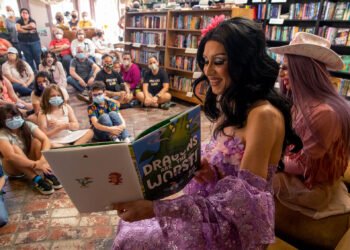 Drag Queens Forced to Stop Reading ‘Dear Zoo’ to Children Amid Protests at Belfast Library
 Wembley Investigates Allegations of Ticketless Entry at Oasis Reunion Concerts
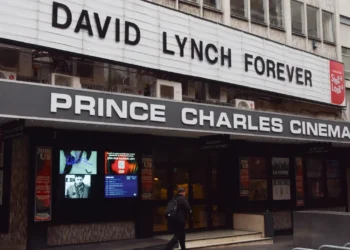 Prince Charles Cinema Eyes Expansion to East London Amid Leicester Square Uncertainty
 Russell T Davies Warns of Declining UK Gay Rights Amid Rise of Reform UK and Trump Influence
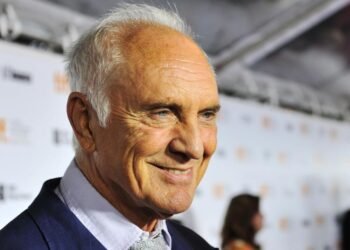 Terence Stamp, ’60s British Film Legend and Star of Superman, Dies at 87
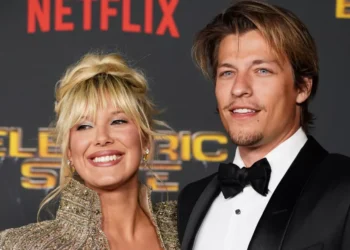 Millie Bobby Brown and Jake Bongiovi Begin Parenthood Through Adoption
 Kneecap Pushes Forward with European Tour Despite Hungary Ban and Canceled Gigs
 Chappell Roan Delivers Fairytale Spectacle at Reading Festival, Cementing Pop Stardom
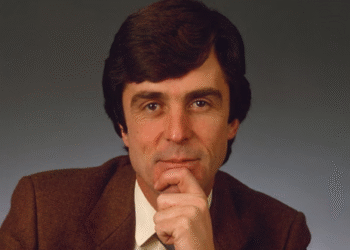 Watchdog, Cornflakes and Courage: Remembering John Stapleton, a Broadcaster Who Did It All
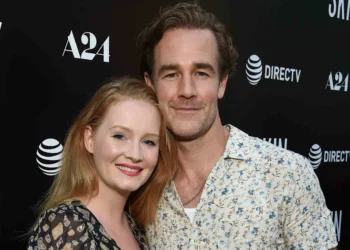 Dawson’s Creek” Cast Reunites for Special Broadway Benefit to Support James Van Der Beek
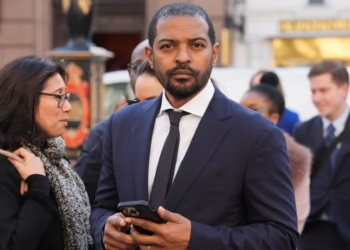 Actor Noel Clarke Arrested at London Home Amid Ongoing Investigation
 Patricia Crowther, Known as UK’s Oldest Witch, Dies Aged 97
 Man Buys Model Thunderbird 3 Only to Discover It’s a Gigantic 18-Foot Replica
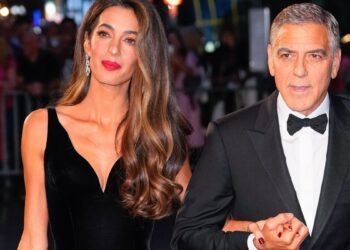 George and Amal Clooney Celebrate Global Human Rights Champions at Star-Studded Albies
 Karen Carney Shines on Strictly Come Dancing Week Two Despite Tango Wobbles
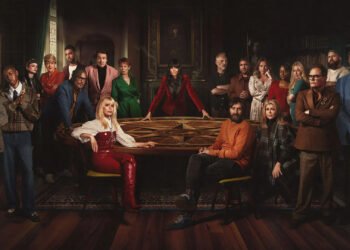 Celebrity Traitors First Look: A Star-Studded Highland Adventure That Hooks from the Start
 Who is Ruth Codd? All about the Irish actress on Celebrity Traitors
 Former BBC DJ Tim Westwood Charged with Rape and Sexual Assault
 Academy Award-Winning Actress Diane Keaton Dies at 79
 Grange Hill Creator Criticises TV’s ‘Oxbridge Gang’ Rule
 Man Charged Over 2020 Death of Tattoo Artist Georgina Ward
 Marianne Faithfull Family Clash Over £400k Inheritance
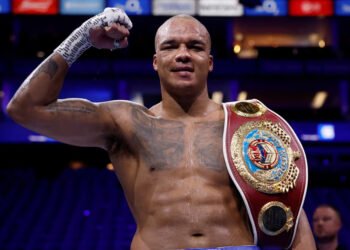 Fabio Wardley stuns Joseph Parker to earn Usyk title shot
 Netflix’s A House of Dynamite Hits Reality Walls
 Prunella Scales: From Fawlty Towers Icon to Beloved Canal Explorer
 The Line of Beauty, Almeida review: A wild, witty ride through Thatcher-era high society
 Kate Winslet to Narrate Film Highlighting King’s Environmental Mission
 UK launches search for first-ever ‘town of culture’ to highlight overlooked areas
 Hollywood Is an Industry of Looney Tunes Pretending to Be Normal
 Prince of Wales showcases volleyball skills on Brazil visit
 Top Christmas Books Reads: Classics to Cozy Romcoms
 Who is Rama Duwaji? What Zohran Mamdani’s wife has said about Gaza and ICE as he’s elected NYC mayor
 Meghan ‘to return to acting’ after eight-year hiatus
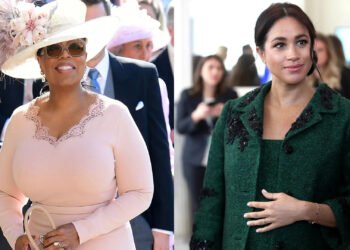 Oprah enjoys Meghan’s jam on English muffins
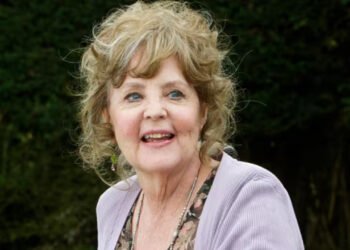 Pauline Collins, Beloved ‘Shirley Valentine’ Star, Dies at 85
 One of world’s last dinosaurs on sale for £3m
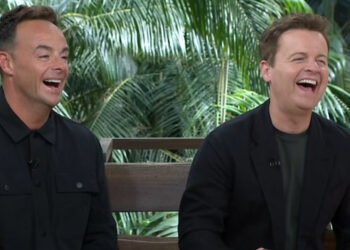 I’m a Celebrity 2025 line-up revealed: Osbourne joins
 Lola Petticrew: ‘Calling it the Troubles minimises what it really was’
 VAR Must Rein Its Neck In to Save Football’s Spirit
 Princess of Wales Hosts Festive Christmas Service at Abbey
 Anthony Joshua Faces Backlash Over Proposed Jake Paul Fight
 EastEnders icon Pat Butcher returns to Walford this Christmas
 Yungblud Pauses Tour Over Health Concerns, Apologises to Fans
 UK Government to Ban Reselling Tickets Above Face Value
 TikTok Star Jessie Yendle Mocked by KFC
 Miss Mexico Wins Miss Universe After Walkout Drama
 Sony, Warner, Universal Sign AI Music Deals With Klay
 11 Best Supermarket Wines Chosen by Experts and Sommeliers
 Bill Murray Terrified Wes Anderson but Became His Closest Collaborator
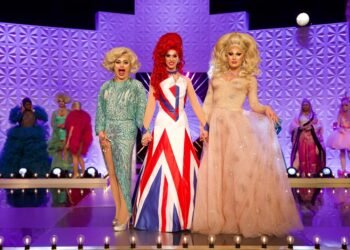 Belfast’s Elle Vosque finishes runner-up on Drag Race UK
 Rusty Bond-Era Aston Martin Restored to £1m Glory
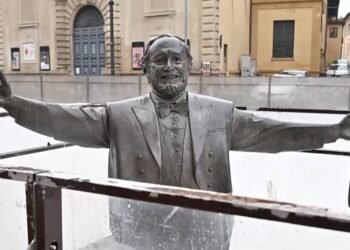 Pavarotti statue frozen in Italian ice rink sparks backlash
 UK Must Act with Courage and Clarity on Israel-Palestine Conflict, Says Foreign Affairs Committee Report
 London Set to Honour Euro 2025 Champions as Lionesses Take Victory Parade Through the Capital
 Targeted Attack in Bury Sparks Murder Investigation as Community Awaits Justice
 Princess of Wales Launches Animated Video Series to Support Early Childhood Development
 Heartbreak in the New Forest as Shetland Ponies Vanish, Community on Edge