Published: 24 October 2025. The English Chronicle Desk / Reporter Name. The English Chronicle Online.
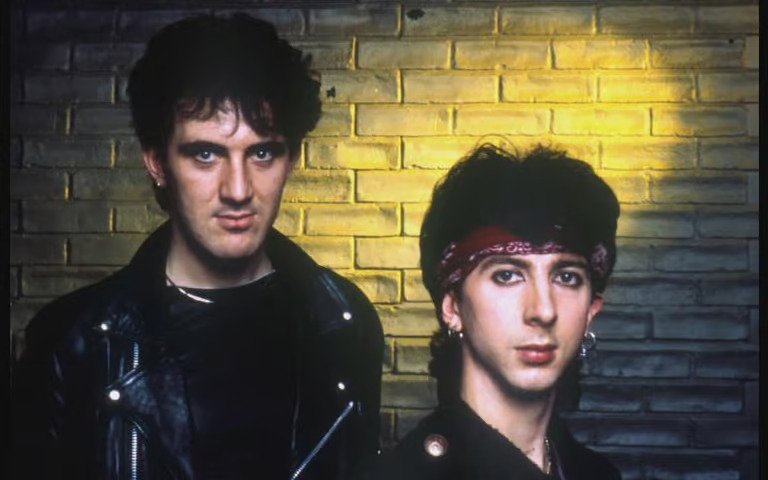
Soft Cell’s first appearance on Top of the Pops on 13 August 1981 remains one of the most unforgettable moments in British pop television. Their performance of Tainted Love propelled the single into the Top Ten and ultimately to number one, making it the second best-selling single of the year. Marc Almond, the band’s flamboyant frontman, stole the spotlight with his eyeliner, jewellery, and dramatic performance style. His charisma, combined with an unapologetic assertion of his identity as a gay man, challenged prevailing stereotypes on British television, and reportedly drew both intrigue and complaints from viewers and industry insiders. Even Almond’s record label had initially asked him to “butch it up a bit,” highlighting the subversive impact of his presence.
While Almond captured the attention of the public, Dave Ball, the moustachioed, largely silent figure behind the keyboards, was often underestimated. Yet as Almond himself later reflected, ignoring Ball’s contribution was a grave oversight. Ball was fiercely protective of his bandmate on stage and equally determined to shape the musical direction of Soft Cell. Hailing from Blackpool, a northern soul hotspot, Ball infused the band’s music with the dancefloor energy of northern soul, contributing significantly to tracks such as Tainted Love, What, and The Night, covers of obscure but beloved soul classics. His percussive keyboard work, emphasising the first two notes of Tainted Love, became instantly iconic. Moreover, his fascination with cinematic soundscapes, drawn from John Barry scores, added lush textures to Soft Cell’s most dramatic ballads, including Say Hello, Wave Goodbye.

Ball’s musical tastes were far from mainstream pop. He drew inspiration from the confrontational electronic experiments of Suicide and Throbbing Gristle, ensuring that Soft Cell’s sound retained an edge of subversion and unpredictability. His vision extended beyond music into the very ethos of the band, aligning with Almond’s commitment to create a pop duo capable of provoking audiences, shocking norms, and stimulating thought. Soft Cell’s boundary-pushing was evident in the controversial video for Sex Dwarf, which accompanied their debut album Non-Stop Erotic Cabaret, and in the album itself, a bold collection of songs that combined dance rhythms with themes of sexual expression and social critique.
However, the very daring that defined Soft Cell also contributed to their commercial volatility. Following the success of Tainted Love, the band released singles that tackled darker, more challenging subject matter. Where the Heart Is, exploring dysfunctional family dynamics, and Numbers, inspired by compulsive sexual behaviour, tested the patience of the British pop-buying public. By the time their third album, This Last Night in Sodom (1984), was released, the duo seemed intent on defying commercial expectations. The album’s claustrophobic, chaotic, and audibly dense tracks, including Slave to This, reflected Ball’s fascination with industrial and experimental music, creating a sound that was thrillingly visceral but commercially risky. Its lead single, Soul Inside, was accompanied by a video of Ball and Almond destroying their gold and platinum discs, a symbolic gesture of rebellion against the constraints of the pop industry.
After Soft Cell’s initial run, Ball pursued more experimental musical avenues. His solo album In Strict Tempo fused dance, classical, and industrial influences, featuring collaborations with Genesis P-Orridge and Gavin Friday, and album art by John Balance of Coil. Beyond his solo work, Ball remained a prominent producer and remixer, contributing to projects like Jack the Tab and Tekno Acid Beat for Psychic TV in 1988. Interestingly, his approach to electronic music anticipated the acid house wave that would sweep Britain during the Second Summer of Love. Ball’s early experimentation with MDMA during the making of Non-Stop Erotic Cabaret informed the duo’s remix album Non-Stop Ecstatic Dancing, a title that hinted at the ecstatic, immersive experience the music sought to evoke.
In 1989, Ball co-founded the Grid with Richard Norris, another alumnus of Psychic TV. The Grid achieved mainstream attention with the house single Swamp Thing in 1994, a track deliberately playful and somewhat unrepresentative of their broader musical ambitions. Nevertheless, it demonstrated Ball’s ability to straddle commercial appeal and artistic experimentation. Collaborations with luminaries like Robert Fripp, Timothy Leary, Sun Ra, and Andy MacKay showcased Ball’s commitment to avant-garde and exploratory music. The Grid never formally disbanded, and as recently as 2021, Ball collaborated with Fripp on a new album, reaffirming his enduring creativity and influence in electronic music.

Soft Cell periodically reunited, producing the 2002 album Cruelty Without Beauty, though initial tours, including an American leg, were unsuccessful. Their one-off 2018 O2 Arena show was intended as a farewell but was so well received that it inspired further performances and ultimately led to a new album, Happiness Not Included. Watching Almond leading audiences in sing-alongs and Ball manipulating modular synthesisers with intense precision, it becomes clear that Soft Cell’s artistry was always a collaborative force. Their performances retain the same sense of unpredictability, subversiveness, and audacious creativity that defined their early career, proving that the duo’s legacy extends well beyond their Top of the Pops fame.
Dave Ball’s contributions to Soft Cell are a testament to the often-unseen but vital role that innovative musicians play in shaping pop music. While Marc Almond’s presence may have captured public imagination, it was Ball’s audacious musicality, experimental approach, and unwavering commitment to the band’s provocative ethos that truly defined Soft Cell’s sound. His influence resonates not just in Soft Cell’s discography but across electronic music, dance culture, and experimental pop, inspiring artists to challenge conventions and embrace the thrill of creative risk.
Related News:
 Strictly Celebs Starstruck as Cynthia Erivo Shines
 D’Angelo: Neo-Soul’s Radical Genius and Lasting Legacy
 Amber Davies Shines on Strictly – Time to Drop the West End Debate
 Rosalía Inspires Young Listeners to Discover Classical Music
 Farewell to a Cultural Icon: Malcolm-Jamal Warner Dies at 54 During Holiday in Costa Rica
 Jack Osbourne Breaks Silence with Heartfelt Tribute Following Ozzy Osbourne’s Funeral
 Jack Holden reinvents Peter Pan and 1980s queer classics for stage and nightclub
 Millie Bobby Brown and Jake Bongiovi Begin Parenthood Through Adoption
 Chappell Roan Delivers Fairytale Spectacle at Reading Festival, Cementing Pop Stardom
 Watchdog, Cornflakes and Courage: Remembering John Stapleton, a Broadcaster Who Did It All
 Dawson’s Creek” Cast Reunites for Special Broadway Benefit to Support James Van Der Beek
 Labi Siffre Demands Tommy Robinson Stop Using Iconic Anti-Apartheid Anthem
 Karen Carney Shines on Strictly Come Dancing Week Two Despite Tango Wobbles
 Jilly Cooper: The Bonkbuster Queen Who Redefined Romantic Fiction
 Celebrity Traitors First Look: A Star-Studded Highland Adventure That Hooks from the Start
 Who is Ruth Codd? All about the Irish actress on Celebrity Traitors
 Academy Award-Winning Actress Diane Keaton Dies at 79
 Paedophile Singer Ian Watkins Dies After Prison Attack
 Alan Davies Criticises England Flag Displays and Patriotism
 Grange Hill Creator Criticises TV’s ‘Oxbridge Gang’ Rule
 British Airways suspends podcast sponsorship after controversial interview
 Netflix’s A House of Dynamite Hits Reality Walls
 Prunella Scales: From Fawlty Towers Icon to Beloved Canal Explorer
 Charlie Kaufman: They told me Being John Malkovich would never get made
 Kate Winslet to Narrate Film Highlighting King’s Environmental Mission
 Meghan ‘to return to acting’ after eight-year hiatus
 Pauline Collins, Beloved ‘Shirley Valentine’ Star, Dies at 85
 I’m a Celebrity 2025 line-up revealed: Osbourne joins
 Lola Petticrew: ‘Calling it the Troubles minimises what it really was’
 David Szalay’s ‘Flesh’ Wins 2025 Booker Prize
 Pop Stars Call on UK Government to Cap Resale Prices for Fans
 EastEnders icon Pat Butcher returns to Walford this Christmas
 Yungblud Pauses Tour Over Health Concerns, Apologises to Fans
 Chef Skye Gyngell, Slow Food Pioneer, Dies Aged 62
 Bill Murray Terrified Wes Anderson but Became His Closest Collaborator
 Reggae Legend Jimmy Cliff Dies at 81
 Belfast’s Elle Vosque finishes runner-up on Drag Race UK
 Ozzy Osbourne: The Prince of Darkness Bows Out, Leaving Behind a Legacy of Metal and Myth
 Farewell to a Legend: The World Mourns Ozzy Osbourne, Rock’s Unforgettable Rebel
 YouTube Surges Ahead as UK’s Go-To TV Choice for Children, Reshaping the Future of Broadcast Media
 Heartbreak and Hardship at Diddly Squat: Jeremy Clarkson Faces TB Outbreak, Pup’s Death, Failing Crops, and Rising Theft Threats
 A Week of Grief and Resolve: Jeremy Clarkson’s Farming Nightmare and Yvette Cooper’s Emotional Fight Against Ninja Sword Tragedy
 Unseen Killers of the Deep Inside the UK Lab Uncovering the Silent Deaths of Sea Creatures
 Reunion in Mourning, Jack Osbourne Reflects on Estranged Bond with Sister Aimee as Family Gathers for Ozzy’s Funeral
 Sean Hayes Reimagined: From Sitcom Stardom to Serious Stage Acclaim
 Russell T Davies Warns of Declining UK Gay Rights Amid Rise of Reform UK and Trump Influence
 Terence Stamp, ’60s British Film Legend and Star of Superman, Dies at 87
 Kneecap Pushes Forward with European Tour Despite Hungary Ban and Canceled Gigs
 Emma Heming Willis Speaks Openly on Bruce Willis’s Declining Health Amid Dementia Battle
 September’s Must-See Films: From Spinal Tap II to Leonardo DiCaprio’s Latest Thriller
 Robert Redford: The Indispensable Patron of American Independent Cinema
 Actor Noel Clarke Arrested at London Home Amid Ongoing Investigation
 Patricia Crowther, Known as UK’s Oldest Witch, Dies Aged 97
 Beloved Actress Dame Patricia Routledge Dies Aged 96
 George and Amal Clooney Celebrate Global Human Rights Champions at Star-Studded Albies
 Former BBC DJ Tim Westwood Charged with Rape and Sexual Assault
 Man Charged Over 2020 Death of Tattoo Artist Georgina Ward
 Fabio Wardley stuns Joseph Parker to earn Usyk title shot
 The Line of Beauty, Almeida review: A wild, witty ride through Thatcher-era high society
 UK launches search for first-ever ‘town of culture’ to highlight overlooked areas
 Hollywood Is an Industry of Looney Tunes Pretending to Be Normal
 Prince of Wales showcases volleyball skills on Brazil visit
 Top Christmas Books Reads: Classics to Cozy Romcoms
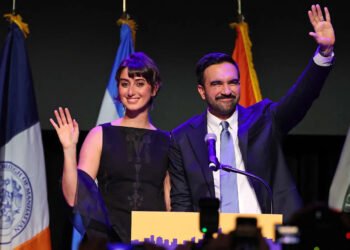 Who is Rama Duwaji? What Zohran Mamdani’s wife has said about Gaza and ICE as he’s elected NYC mayor
 Oprah enjoys Meghan’s jam on English muffins
 One of world’s last dinosaurs on sale for £3m
 VAR Must Rein Its Neck In to Save Football’s Spirit
 Boos, backlash and body horror: The story of Alpha
 Pat Butcher Returns to EastEnders in Touching Dementia Storyline

 SS Rajamouli Announces ‘Varanasi,’ a Mythic Time-Travel Epic
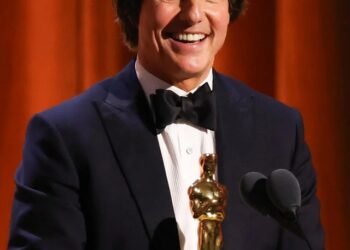 Tom Cruise Receives Honorary Oscar, Celebrates Cinema
 The Lasting Legacy of Seven: Crime, Morality, and Urban Decay
 TikTok Star Jessie Yendle Mocked by KFC
 Sony, Warner, Universal Sign AI Music Deals With Klay
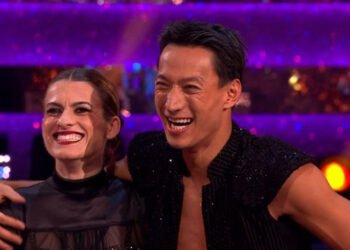 Karen Carney Stuns on Blackpool Week, Deserves Strictly Final
 Prisoner 951 Review: arrowing Retelling of Nazanin Zagharz-Ratcliffe
 Robert Irwin Claims Dancing with the Stars Crown
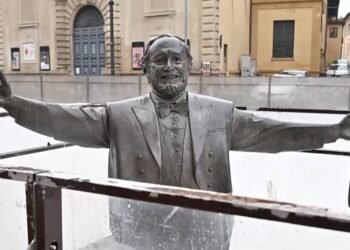 Pavarotti statue frozen in Italian ice rink sparks backlash
 Prince Andrew Named Punchline in Top Christmas Cracker Joke