Published: 29 October 2025. The English Chronicle Desk. The English Chronicle Online.
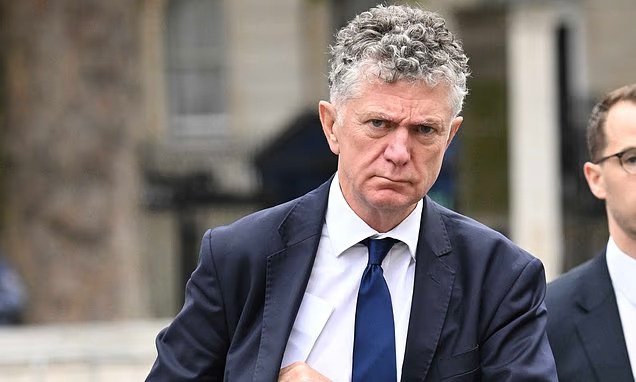
The collapse of the China spying case has left more questions than answers, exposing opaque decision-making at the heart of the UK Government. The recent developments, centring on national security adviser Jonathan Powell and civil servant Matthew Collins, have raised concerns over transparency, accountability, and the handling of sensitive intelligence matters.
Reports reveal that just two days before the case collapsed, Powell met with Collins at a Whitehall meeting to discuss “a range of different scenarios and how we would handle them.” The subsequent withdrawal of the case occurred when Collins, under pressure, refused to categorically describe China as a threat to Britain in court. This turn of events left prosecutors frustrated and the public asking whether political considerations influenced the handling of the trial.

Cabinet Secretary Sir Chris Wormald has maintained that Government lawyers were present to prevent discussion of Collins’s testimony with prosecutors, but he stopped short of clarifying the exact nature of the meeting or revealing the full list of attendees. The lack of clarity only fuels speculation about whether the Government sought to influence the course of justice for political expediency.
Critics argue that withholding the minutes of this meeting and limiting access to related Government papers undermines democratic accountability. The opposition has called for a full disclosure of all relevant documents and a personal statement from Powell, insisting that the public deserves a transparent explanation of events. Failing to provide this risks eroding public trust in institutions tasked with safeguarding national security.
The controversy surrounding the case highlights broader challenges in balancing transparency with the confidentiality necessary for intelligence matters. While Governments understandably operate in secrecy in sensitive cases, accountability mechanisms must be robust enough to prevent manipulation or cover-ups. In this instance, questions remain over the degree of interference, if any, from political advisers in the judicial process and whether the legal system was fully respected.
Moreover, the case underscores the difficulties of addressing espionage and foreign threats in a highly politicised environment. As Britain navigates complex geopolitical challenges, particularly regarding China, it is vital that national security procedures are insulated from partisan pressures. The public expects rigorous, impartial investigations, and any perception of political manoeuvring can significantly damage confidence in the rule of law.
Legal analysts and former intelligence officials have noted that the decision to halt the trial without a full public explanation is highly unusual. While the reasoning cited by authorities points to credibility issues with key witnesses, the timing and circumstances have made it difficult for observers to separate procedural necessity from potential political intervention. Transparency advocates argue that only a comprehensive release of evidence, documents, and personal testimonies can resolve lingering doubts.
The fallout of the case is not limited to procedural concerns; it also carries diplomatic implications. Accusations of espionage, particularly when involving a major global power like China, can affect international relations. The opacity surrounding the collapse of the trial may be interpreted abroad as either weakness or deliberate obfuscation, creating challenges for British diplomacy and intelligence cooperation.
Parliamentary committees have now called for urgent hearings to scrutinise the sequence of events. They insist on questioning Powell, Collins, and other officials to establish whether proper protocols were followed and to determine how the Government ensured the integrity of national security operations. Opposition MPs emphasise that the credibility of British intelligence and the legal system are at stake, and that without accountability, public confidence will continue to erode.

This episode serves as a cautionary tale about the tension between secrecy, governance, and public trust. While certain aspects of national security must remain confidential, the Government must also demonstrate that it can act with integrity, free from undue political influence. Releasing key documents and facilitating public discussion are essential steps to rebuild trust and ensure that future cases are managed in a manner consistent with democratic principles.
The China spy case, therefore, is not just a legal or procedural issue—it is a test of institutional transparency, public accountability, and the Government’s willingness to confront uncomfortable truths. Powell’s forthcoming explanation, along with the full disclosure of all related materials, is critical to resolving the doubts surrounding this case and restoring faith in the mechanisms that protect the nation.
Failure to address these concerns adequately risks further undermining confidence in the UK’s justice and intelligence systems, and could set a worrying precedent for the handling of future espionage cases. For the public and for Parliament, clarity, honesty, and transparency must now be the guiding principles.
Related News:
 French Taxi Driver Cleared in David Lammy Theft Case After Fare Dispute
 Met Police Culture Makes Racial Harm ‘Inevitable’
 Remaining rebel Labour MPs have whip restored
 Tasers Introduced in UK Prisons to Combat Rising Violence and Protect Staff
 Police Advised to Disclose Ethnicity of Suspects in High-Profile Cases
 Charlie Kirk Killing Used to Mobilise UK’s Largest Far-Right Rally in Decades
 Jailed Georgian Opposition Leaders Warn UK of Iranian Links to Ruling Party
 UK Police to Gain New Powers to Manage Repeated Protests, Home Office Announces
 Boris Johnson Breached Rules on Post-Office Business Contacts
 Tories Push to Dilute Labour’s Workers’ Rights Bill
 China Spy Case Hearing Reveals Key Gaps in Prosecution
 Five More Prisoners Freed by Mistake in Essex Week
 Nearly 48,000 Zombie Knives Removed from UK Streets in a Year
 Rachel Reeves Admits Renting Home Without Required Licence
 Afghan man charged with murder after west London knife attack
 Reform Councillor Defects to Tories Over ‘Uncomfortable’ Policies
 Experts Question HMRC Over Possible Child Benefit Privacy Breach
 FBI Director Kash Patel Defends Girlfriend Amid Government Jet Claims
 Man Charged Over Cambridgeshire Train Stabbing
 Pregnant UK Teen to Be Freed from Georgian Jail
 Phillipson urges careful review of gender recognition guidance
 Just Stop Oil Protesters Convicted Amid Climate Defence Row
 Company linked to Michelle Mone owes £39m in tax
 Lammy ‘misinformed’ over Wandsworth prisoner releases
 British Grandmother to Return Home After Death Sentence in Bali
 Eleven Arrested After Pro-Palestine Protest at Villa Match
Boris Johnson accused of undermining BBC leadership
Eleven Arrested After Pro-Palestine Protest at Villa Match
Boris Johnson accused of undermining BBC leadership
 Tim Davie resigns as BBC director general amid bias claims
 Bar Council urges legal aid for all domestic abuse family cases
 Second world war veterans honoured as King leads Remembrance Sunday
 ‘Reckless’ cuts to victims’ services will cost more than they save
 BBC Faces Backlash as Reform UK Withdraws from Film
 Wes Streeting Denies Leadership Plot Against Starmer
 Judges to Decide Fate of Chief Constable Guilty of Contempt
 Palace to reinstate hyphen in Andrew’s surname
 British state supplied victims to ‘worst sex offender in history’
 Victims’ commissioner Baroness Newlove dies aged 63
 BBC Apologises to Trump but Rejects $1bn Compensation Claim
 Major Rent Reform Ends No-Fault Evictions in England
 Peers Flood Assisted Dying Bill with 942 Amendments
 ‘Fake Admiral’ Sparks Outrage at Remembrance Event
 Your Party Turmoil Deepens Over Withheld Donations
 UK Unveils Fast-Track Deportation and Asylum Overhaul
 UK Asylum Overhaul Sparks Debate Over Human Rights and Deportations
 UK Asylum Reforms: Temporary Refugee Status and Faster Deportations
 UK Candidate Moved to Safe House After Election Threats
 Mahmood Defends Tough Overhaul of UK Asylum System
 Paralegal Fired After Exposé on Illegal Worker Scam
 Dan Wootton Rejects Catfishing Allegation in Court
 Scottish Ministers Express Alarm Over UK Asylum Reforms
 South African Detained After Neo-Nazi Rally in Australia
 Westminster Advances Legacy Bill Amid Criticism
 Minister Defends Tough New Asylum Reform Plan
 UK Net Migration Falls Sharply After ONS Revisions
 Serial Rapist and Former Cop Found Guilty Again
 Trump Signs Bill Releasing Justice Department Files on Epstein
 Trump Slams Democrats With ‘Seditious’ Death Claim
 Most Tories Expect to Support a Farage-Led Government
 Gardener Guilty of Brutal Attack on Teacher Partner
 BBC Chairman Faces Scrutiny Over Bias Claims
 Ex-Classmate Accuses Farage of Dishonesty on Racism Claims
 Peers Get Extra Time to Debate Assisted Dying Bill
 Ex-Brexit MEP Rejects Claim of Pro-Russia Payments
 Man Arrested Over Manchester Synagogue Terror Attack
 Twelve Prisoners Released in Error, Two Still Missing
 Kent Reform Councillors Criticised Over Political Staff Spending
 Targeted Attack in Bury Sparks Murder Investigation as Community Awaits Justice
 Merseyside Police Helicopter Crew Cleared After Low-Altitude Pursuit of Suspect
 Urgent Action Needed on Windrush Compensation as Survivors Speak of “Waiting to Die”
 Tanni Grey-Thompson Faces Abuse Over Opposition to Assisted Dying Bill
 No Evidence Found to Substantiate Alleged Rape in Oxfordshire Churchyard, Police Confirm
 Green Party Surges Past Labour in Latest UK Poll
 King Charles to Lead Nation in Remembrance Sunday Service
 How to get help when a child goes missing – call 999 urgently
 Starmer Faces Growing Dissent as Labour MPs Weigh Leadership Challenge
 Trump Deploys DHS to Charlotte in Major Arrest Operation
 Mother Watches in Horror as Teen Daughter Dies on Tracks
 Venezuela Threatens Nobel Winner Machado with Fugitive Status
 Jordan Bardella: France’s Young Presidential Contender
 Virgin Media Fined £23.8m Over Telecare Safety Failures