Published: 30 October 2025. The English Chronicle Desk. The English Chronicle Online.
Richard Branson’s Virgin Trains is one step closer to breaking Eurostar’s longstanding monopoly on cross-Channel passenger services after the UK’s rail regulator approved the company’s application to access a key depot in east London. The Office of Rail and Road (ORR) confirmed that Virgin will be allowed to use the Temple Mills depot in Leyton, a facility essential for storing and maintaining trains bound for the European mainland. The approval marks a critical milestone for Branson’s ambitious plan to reintroduce Virgin-branded international train services and inject competition into a route dominated by Eurostar for over three decades.
Temple Mills is the only depot accessible from High Speed 1, the high-speed rail line connecting London to the Channel Tunnel. Gaining access to this facility is pivotal for Virgin Trains, as it provides the light maintenance and stabling infrastructure required to run trains safely and reliably across international borders. According to ORR, the move could unlock as much as £700 million in investment into new services while creating 400 jobs in the capital and surrounding areas, a boost welcomed by transport officials and local business communities alike.

Richard Branson hailed the ORR decision as a victory for consumers, describing it as a necessary step to end what he called “Eurostar’s 30-year monopoly.” Speaking on the announcement, Branson stated, “The ORR’s decision is the right one for consumers – it’s time to end this 30-year monopoly and bring some Virgin magic to the cross-Channel route. Virgin is no stranger to delivering award-winning rail services, and just as we have successfully challenged incumbents in air, cruise, and rail, we’re ready to do it again. We’re going to shake up the cross-Channel route for good and give consumers the choice they deserve.”
Branson’s plan to launch cross-Channel rail services represents the latest chapter in Virgin’s decades-long involvement in the UK transport sector. While the company previously operated domestic routes, including the West Coast Main Line until its contract expired in December 2019, its foray into international services will mark a major return to the market. The move is also part of a broader strategy to diversify Virgin’s portfolio in the rail industry while providing competitive alternatives to entrenched operators.
The approval for Temple Mills comes months after a separate Virgin application to resume services on the UK’s West Coast Main Line was rejected due to concerns over potential delays and cancellations. While the company’s west coast plans were stalled, the ORR emphasised that the Temple Mills decision prioritises passenger choice and the promotion of competition in the international rail sector. Martin Jones, the ORR’s deputy director of access and international, said, “With this decision we are backing customer choice and competition in international rail, unlocking up to £700 million in private sector investment and stimulating growth. While there is still some way to go before the first new services can run, we stand ready to work with Virgin Trains as their plans develop.”
The significance of Temple Mills cannot be overstated. As the only depot linked directly to High Speed 1, it is uniquely suited to meet the technical and operational requirements of international rail services. Virgin’s access will allow the company to perform essential pre-departure maintenance, refuelling, and light servicing on trains destined for continental Europe, ensuring operational efficiency and passenger safety. Analysts suggest that this approval could also signal the beginning of a more competitive European rail landscape, where passengers are no longer limited to a single service provider.
The approval is expected to have knock-on benefits for regional economies. The £700 million investment associated with the project is likely to support local suppliers, construction firms, and service providers connected to the rail infrastructure. Additionally, the creation of 400 jobs in Leyton and surrounding areas will boost employment opportunities in east London, a region still recovering from pandemic-era disruptions to transport and tourism. These developments have already been welcomed by local councils and transport advocacy groups, who see the project as a much-needed injection of competition and innovation into the UK rail market.
Virgin Trains has indicated that, while the ORR approval is a key step forward, further regulatory permissions are still required. These include approvals related to track access rights, safety certification, and international operational licensing. Once these hurdles are cleared, Virgin will be in a position to introduce a competitive timetable against Eurostar, potentially reshaping the passenger experience on the Channel route. Industry observers predict that Virgin may initially operate a limited number of services to assess demand and operational reliability before gradually expanding its cross-Channel offerings.
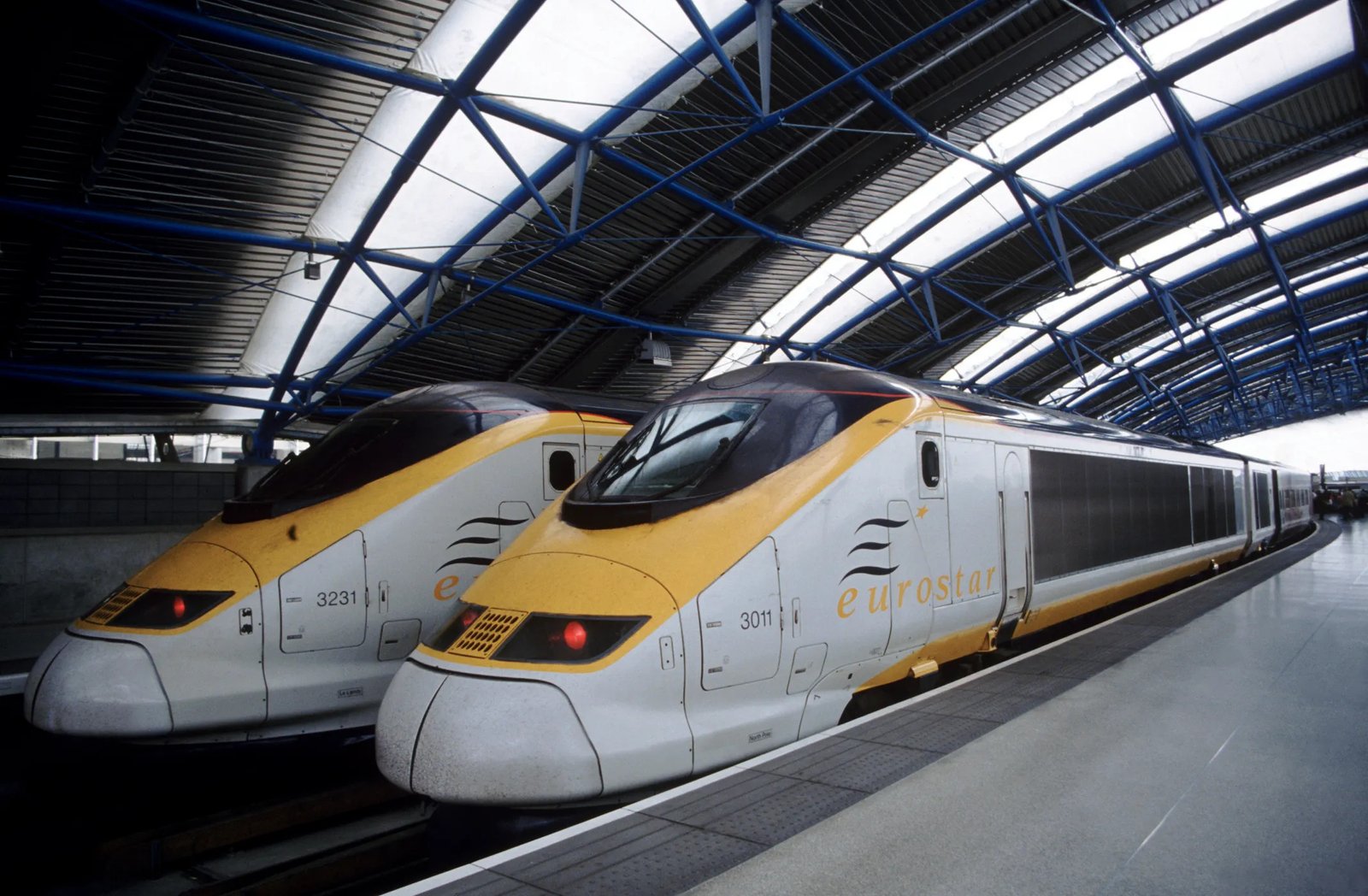
Eurostar has maintained a virtual monopoly on passenger services through the Channel Tunnel since its inception in 1994. Despite occasional proposals to introduce competition, none have materialised until now, in part due to the logistical and regulatory complexity of running international services. Virgin Trains’ entry is therefore viewed as a potentially transformative development for passengers, offering new options, pricing structures, and service innovations previously unavailable on the route.
Branson’s announcement has also reignited discussion around the broader European rail market, including the potential for cross-border competition and the integration of high-speed services across multiple countries. Analysts note that increased competition may drive improvements in customer service, ticketing flexibility, and on-board amenities, which could benefit the millions of passengers travelling between the UK and continental Europe each year.
Despite the excitement, Virgin Trains still faces operational and regulatory challenges. High-speed international services require careful planning, coordination with multiple national rail authorities, and compliance with stringent safety standards. Any delays in securing these approvals could postpone the launch, although the company remains optimistic about meeting its target to begin operations in 2030. Virgin’s previous experience in domestic rail, combined with its financial backing and brand recognition, positions the company to overcome these obstacles and establish a credible alternative to Eurostar.

Industry insiders also point out the potential environmental benefits of Virgin’s cross-Channel services. With increasing pressure to reduce carbon emissions from air travel, high-speed rail presents a greener alternative for passengers travelling between London and mainland Europe. Virgin has indicated that its new services will utilise modern, energy-efficient rolling stock, aligning with broader national and European goals for sustainable transport.
As Virgin Trains moves closer to challenging Eurostar, the project has already captured the imagination of investors, policymakers, and consumers. The combination of competitive pricing, enhanced service options, and environmental considerations positions the initiative as a high-profile example of how private sector investment can complement public infrastructure and drive innovation in transport.
Branson’s broader strategy reflects Virgin’s long-term commitment to challenging monopolies and promoting competition in multiple sectors. From aviation to rail, Virgin has consistently sought to provide alternatives to entrenched incumbents, with a focus on customer experience and brand differentiation. The planned cross-Channel services are therefore seen as the latest embodiment of this corporate philosophy, promising to reshape passenger expectations and industry standards.
In conclusion, Virgin Trains’ approval to access Temple Mills depot represents a major milestone in the company’s plans to launch cross-Channel services and challenge Eurostar’s monopoly. While regulatory approvals and operational preparations remain ongoing, the decision unlocks significant investment, creates new jobs, and promises a competitive alternative for passengers travelling between the UK and continental Europe. With Branson at the helm, Virgin Trains aims to bring innovation, customer choice, and modernisation to the Channel route, potentially transforming international rail travel in the UK and beyond.
Related News:
 New laws to bolster UK’s defences against cyber attacks on NHS, transport and energy
 Merck Abandons £1bn London Research Hub and Cuts 125 Jobs in Blow to UK Life Sciences
 Big Pharma Investment Freeze Puts UK Life Sciences Sector Under Strain
 UK Borrowing Surges to £18bn in August, Exceeding Forecasts
 Jaguar Land Rover to Resume Production After Cyber-Attack, Launches Supplier Support Scheme
 Eurostar to launch doubledecker trains through Channel Tunnel by 2031
 Aston Martin cuts £300m investment as Trump tariffs and weak China demand hit profits.
 Wales May Introduce Four-Day Work Week After Elections
 UK Small Business Owner to Challenge L’Oréal in Tribunal
 Trump’s UK Ambassador Urges North Sea Drilling to Strengthen US Ties
 Ryanair Chief UK Economy ‘Doomed’ Under Labour
 Court Hears Challenge Over Water Bills Funding Sewage Fixes
 Rachel Reeves Set to Break Labour Pledge and Raise Income Tax
 UK Bans Fake Numbers: Scammers Lose Their Trick
 Thinktanks Urge Rachel Reeves to Reform UK Tax System
 M&S Profits More Than Halve After Cyber-Attack
 Tony Blair think tank warns Rachel Reeves must cut taxes if manifesto broken
MPs Press Rachel Reeves to Hike Gambling Taxes
Tony Blair think tank warns Rachel Reeves must cut taxes if manifesto broken
MPs Press Rachel Reeves to Hike Gambling Taxes
 North Sea oil workers must lose weight or face job loss
 Cuts to home insulation funding threaten UK climate goals
 Warning as Britons prepare to spend £4 billion this Black Friday
 Troubled drinks giant Diageo names former Tesco boss to lead turnaround push
 Skims Eyes Global Expansion After Reaching $5 Billion Value
 Reeves’s Tax U-Turn Triggers Fresh Jitters in UK Markets
 Global markets drop amid tech sell-off and China slowdown
 Sundar Pichai Cautions on AI Hype and Market Risks
 Google Chief Urges Caution: Don’t Trust AI Blindly
 UK Rejects Funding to Save Mossmorran Plant
 US Judge Says Meta Did Not Hold Illegal Social Media Monopoly
 Poll Reveals China Leads World in Trusting AI Technology
 Cardiff Shopper ‘Branded a Thief’ by Facewatch System
 PM Highlights UK Business at G20 in South Africa
 Australia to Ban Social Media for Kids Under-16 Starting December
 Mossmorran Plant Closure Hits Cowdenbeath Hard
 UK Government Borrowing Higher Than Expected
 Netherlands Suspends Nexperia Takeover Amid China Talks
 UK Taskforce Unveils Plan to Streamline Nuclear Reactor Rules
 Minister Denies Budget Leaks Have Harmed UK Economy
Budget 2025: Reeves Drops Economic Growth Reference
Minister Denies Budget Leaks Have Harmed UK Economy
Budget 2025: Reeves Drops Economic Growth Reference
 Expanded Version – Black Friday Shoppers Warned Over ‘Dud Deals’
 X’s New Location Disclosure Policy: What It Means for User Safety
 Asahi says 1.5 million customers’ data potentially leaked in cyber-attack
 Australians Angry as BOM Website Revamp Backfires
 India’s Labour Law Overhaul Sparks Fierce Debate
 Carney’s Alberta Pipeline Deal Sparks Immediate Pushback
 EU reviews Apple Ads and Maps under strict digital rules
 Huawei, ZTE secure 5G deals in Vietnam amid US tensions
 Black Friday Footfall Falls as UK Shoppers Hold Back Amid Economic Concerns
 Starmer Says Labour’s Economic Plan Needs Years to Deliver
 YouTube Warns Kids Will Be Less Safe Under Australia Ban
 Rising Water Bills Lift Troubled Thames Back to Profit
 Prada buys Versace for $1.38bn, expanding luxury fashion empire
 How to Exit Your Broadband Contract Without Paying Exit Fees
 China’s crackdown on civil servant perks sparks economic concerns
 Inflation Latest: Cost of Living Expected to Rise Again in Key Figures Released Today
 Retail Sales See Uptick Amid Errors and Delays as ONS Faces Scrutiny
Shein UK Faces Allegations of Shifting Majority of Profits to Singapore to Reduce UK Tax
Retail Sales See Uptick Amid Errors and Delays as ONS Faces Scrutiny
Shein UK Faces Allegations of Shifting Majority of Profits to Singapore to Reduce UK Tax
 UK Retail Sales Rise in August, but Tax Concerns Loom Over Festive Period
 Jaguar Land Rover Extends Production Halt Following Cyber-Attack
 UK Labour Market Shows Signs of Cooling as Wage Growth Slows and Redundancies Rise
 UK Government Backs Return of International Rail Travel to Kent Stations
 GSK Chief Executive Emma Walmsley to Step Down After Eight Years at the Helm
 Kemi Badenoch Unveils ‘Golden Rule’ to Halve Spending Cuts for Deficit Reduction at Tory Conference
 Real living wage set to rise nearly 7% for UK workers in 2026
 Reeves Faces Setback as Labour May Miss Homes Target
 Green Party Surges Past Labour in Latest UK Poll
 Celebrities and Charities Demand UK Government Act on Child Poverty
 ABF May Split Primark from Food Division Amid Tough Market
 Earl of Yarmouth Faces £1.3m Legal Bill Over Family Estate
 Stop using ChatGPT to write speeches, AI minister tells MPs
 UK toy market enjoys bumper year as ‘kidults’ fuel demand
 Valve Opens the Door for Android Games on Steam
 Hitler’s DNA Confirms He Truly Had Only One Testicle
 Working-Class Men with Prostate Cancer Left Behind by NHS
 Japan Tourism Stocks Slide Amid China-Taiwan Row
 How Cultures Interpreted the Aurora Through History
 Healthy Habits in Your 30s That Boost Life in Your 70s
 Coffins Now Too Large to Cremate Amid Rising Obesity Crisis
 AI Actress Creator Says Tilly Norwood Won’t Replace Actors
 Virgin Media Fined £23.8m Over Telecare Safety Failures