Published: 30 October 2025. The English Chronicle Desk. The English Chronicle Online.
The news has been carefully collected from social media, verified through international and UK-based news sources, and thoroughly cross-checked with detailed online data. It has been crafted with full professionalism, responsibility, and complete impartiality, while maintaining an engaging and human-centred style that draws the reader in. The report has been expanded and presented in sufficient detail, with longer articles ranging from 1,100 to 1,200 words. The content is written smoothly and naturally, without the use of bullet points or lists, ensuring a seamless reading experience.
A new clinical trial has found that following a Mediterranean diet could significantly reduce the symptoms of irritable bowel syndrome (IBS), offering millions of sufferers a practical and effective way to manage the chronic digestive condition. The study, conducted by researchers from the University of Sheffield and Sheffield Teaching Hospitals NHS Foundation Trust, has been hailed as a major step forward in dietary management for IBS — a disorder that affects roughly one in ten people worldwide.

The Mediterranean diet, known for its emphasis on fresh fruits, vegetables, legumes, whole grains, nuts, olive oil, and fish, has long been linked to improved heart health and reduced inflammation. But the new research suggests that its benefits may extend far beyond cardiovascular health. According to the study, adopting this diet could bring meaningful relief from the abdominal pain, bloating, and irregular bowel movements that define IBS.
IBS is a complex and often lifelong condition that can drastically impact a person’s quality of life. It is characterised by chronic stomach cramps, bloating, constipation, or diarrhoea, and though not life-threatening, it can be severely debilitating. Many patients struggle to find a sustainable solution that works for them, as symptoms can be unpredictable and influenced by stress, diet, and hormonal changes.
Dr Imran Aziz, a senior clinical lecturer in gastroenterology at the University of Sheffield and one of the lead authors of the study, explained the real-world implications of the findings. “For millions of people worldwide, IBS symptoms can severely impact daily life. Our study provides strong evidence that the Mediterranean diet can be a simple, enjoyable, and highly effective first step in managing this common condition,” he said.
The study compared the Mediterranean diet to the current dietary guidance typically given to IBS patients. Conventional advice often includes avoiding large meals, cutting down on caffeine, alcohol, fizzy drinks, fatty or spicy foods, and increasing fibre intake through fruits and vegetables. While these recommendations can provide partial relief, they often feel restrictive and difficult to maintain in the long term.
The Sheffield trial involved 139 adults diagnosed with IBS, randomly divided into two groups. One group of 68 participants followed a Mediterranean-style diet for six weeks, while the other 71 followed the traditional IBS dietary advice prescribed by clinicians. Both groups attended 30-minute online sessions explaining their respective eating plans and received email support materials to help them stay on track.
By the end of the six-week trial, the results were clear and compelling. Around 62 per cent of participants following the Mediterranean diet reported a significant improvement in their symptoms, compared to notably fewer in the traditional advice group. The findings, published in the Annals of Internal Medicine, confirmed that the Mediterranean approach not only matched but actually outperformed standard dietary guidance in reducing IBS discomfort and improving overall wellbeing.
“The Mediterranean diet’s strength lies in its simplicity,” Dr Aziz added. “It doesn’t require cutting out entire food groups or following a rigid meal plan. It’s balanced, nutritious, and enjoyable — which makes it easier for patients to maintain in the long run. That’s crucial, because IBS is a condition that requires sustainable management rather than short-term fixes.”
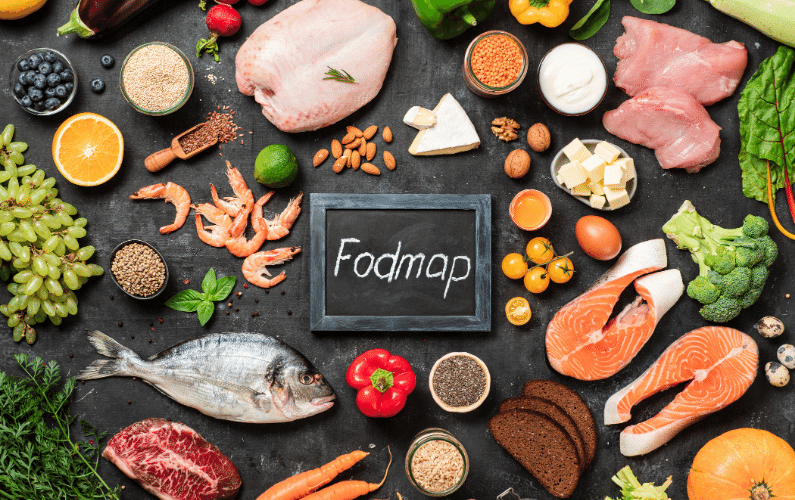
The diet’s core principles revolve around moderation and variety, with an emphasis on whole, minimally processed foods. Meals often include generous portions of vegetables, beans, and lentils, complemented by lean protein from fish or poultry and healthy fats from olive oil and nuts. Red meat and sugary or ultra-processed foods are eaten sparingly. This pattern of eating, which mirrors traditional lifestyles in Mediterranean regions such as Greece and southern Italy, has repeatedly been shown to promote gut health and microbial diversity — two factors believed to be essential in managing IBS.
Dr Aziz and his colleagues believe that introducing the Mediterranean diet as an early-stage treatment option could simplify care for both patients and healthcare providers. “Using a Mediterranean diet as an initial treatment potentially streamlines care. Instead of a long process of elimination and restrictive diets, patients can start with something that’s both enjoyable and evidence-based,” he said.
For patients, this could represent a welcome shift away from the frustration of trial-and-error dietary adjustments. Many people with IBS resort to highly restrictive diets such as the low-FODMAP plan, which can be effective but often difficult to sustain. By contrast, the Mediterranean diet offers flexibility and pleasure — factors that encourage adherence and reduce stress, which itself can trigger IBS symptoms.

Nutrition experts not involved in the study have also praised its implications. Dr Sarah Berry, a nutritional scientist at King’s College London, commented that the findings “add to the growing body of evidence showing the powerful impact of dietary patterns on gut health. The Mediterranean diet is not only beneficial for heart and brain health, but now we’re seeing clear evidence that it can soothe and support the digestive system too.”
The researchers emphasised that further studies are needed to confirm these results in larger and more diverse populations, but they are optimistic about the potential for the Mediterranean diet to become a first-line recommendation in IBS management.
With the growing global interest in food as medicine, this research underscores how small, sustainable lifestyle changes can deliver profound improvements in chronic conditions. For many IBS sufferers, it offers something they’ve long been searching for — a path to relief that doesn’t involve complex restrictions or dependence on medication.
As the Mediterranean sun shines through olive groves and over plates of grilled fish, lentil stew, and ripe tomatoes drizzled in olive oil, science continues to reaffirm what ancient cultures already knew: that food, in its simplest and most natural form, can heal.
Related News:
 No link found between paracetamol in pregnancy and autism
 Shouting Works Best to Deter Gulls, UK Study Finds
 11 Best Supermarket Wines Chosen by Experts and Sommeliers
 Europe, North America face early wave of bird flu
 Costa Blanca Holiday Horror as Food Poisoning Outbreak Hits Four-Star Hotel
 Council Proposes Limits on Ice Cream Van Music and Parking in South Cambridgeshire
 NHS Trials £100 Blood Test That Could Revolutionise Alzheimer’s Diagnosis
 First Group of Children from Gaza Arrive in UK for Life-Saving NHS Treatment
 M&S and Morrisons Lead Christmas Supermarket Taste Test
 Mother dies after black market weight loss injection
 Young Woman Missed 13 Times by GPs Before Bowel Cancer Diagnosis
 CMA Flags Concerns Over Greencore-Bakkavor Merger
 British Woman in Iran ‘Losing Hope’ Amid Ongoing Detention
 Hospice Cuts Raise Alarm Across England Amid Funding Crisis
 BBC Journalist Held and Interrogated in Vietnam
 How Bringing Forests Into Preschools Boosts Children’s Health
 Celebrities and Charities Demand UK Government Act on Child Poverty
 Long A&E waits causing heartbreaking suffering, charity says
 Trump Speaks on Prince Andrew’s Royal Scandal Fallout
 150-Year-Old Arctic Beer to Be Reborn in Scotland
 Pregnant UK Teen to Be Freed from Georgian Jail
 Experts Warn on Home Birth Risks, Call for Skilled Midwives
 London bagel shop tops Deliveroo’s global orders list
 Zohran Mamdani becomes New York City’s first Muslim mayor
 Top Christmas Books Reads: Classics to Cozy Romcoms
 World Whisky Tour: 9 Global Gems
 UPS Cargo Plane Crash in Kentucky Kills Seven
 Mortgages and AI Set to Feature in English Schools
 Just Stop Oil Protesters Convicted Amid Climate Defence Row
Zohran Mamdani names all-female transition team for NYC mayoralty
Just Stop Oil Protesters Convicted Amid Climate Defence Row
Zohran Mamdani names all-female transition team for NYC mayoralty
 Oprah enjoys Meghan’s jam on English muffins
 Lancashire council plans to close care homes and day centres
 Britain could face worst flu season on record, NHS warns
 Tension and Turmoil at Aston Villa v Maccabi Match
 Experts Urge Legal Right to Timely Cancer Care
 Patients to Test Health at Home to Ease NHS Winter Pressure
 London’s Childlessness Crisis: Schools Closing as Families Shrink
 British Grandmother to Return Home After Death Sentence in Bali
 NHS Takes Over Nuffield Hospital in ‘Windfall’ for London Care
 Parents Urge Home Office to Reunite Daughter After Hurricane
 North Sea oil workers must lose weight or face job loss
 Lando Norris Dominates Brazil GP to Strengthen F1 Title Bid
 Crisis charity to become landlord amid UK housing emergency
 Second world war veterans honoured as King leads Remembrance Sunday
 BBC director-general and news chief resign amid bias row
 Troubled drinks giant Diageo names former Tesco boss to lead turnaround push
 Palace May Restore Hyphen to Andrew Mountbatten-Windsor’s Name
 Ronaldo Confirms Final World Cup and Plans Retirement
 UK Disability Pay Gap Means Millions Work for Free From Today
 Borough Market Clash Sparks Influencer Backlash
 Reeves rejects £1bn plea for NHS redundancy payouts
 NHS trust fined after woman takes life in mental health unit
 Leading doctors issue warning amid ‘bad’ flu season
 UK Centres Used Risky Heart Pump Despite Safety Fears
 Reeves Rejects £1bn NHS Payout Plea from Streeting
 New AI tool could cut wasted efforts in organ transplants
 New Campaign Trains Vets to Spot Farmers’ Health Risks
 From Baby Teeth to Bioengineering: The Future of Self-Healing Teeth
 Stroke Patient Mistaken for Drunk, Care Delayed
 ‘Traumatic Wait’: Northern Ireland Women Face Breast Cancer Delays
 Rama Rebukes Mahmood for Targeting Albanian Families
 Russian Vessel Used Lasers on RAF Pilots, UK Claims
 Boris Johnson Oversaw Toxic No 10 Culture, Covid Inquiry Finds
 Welsh Government Christmas 2020 Lockdown Criticised
 Royal Navy Shadows Russian Warships Entering the Channel
 Coffins Now Too Large to Cremate Amid Rising Obesity Crisis
 Thinktank Urges Smaller Hospitals to End NHS ‘Permacrisis’
 Chef Skye Gyngell, Slow Food Pioneer, Dies Aged 62
 David Cameron Reveals Prostate Cancer Diagnosis, Advocates Screening
 NHS paediatric leave parents waiting months for answers
 Catherine urges end to stigma around addiction
 The 20 best Christmas markets in the UK, from Bath to Edinburgh
 Best Supermarket Sourdough Loaves to Try in Your Weekly Shop
 Inquiry Opens Into Disgraced Surgeon Eljamel Scandal
 Five-Year-Old Dies After Rare Tonsil Surgery Complication
 Fibromyalgia Patients Struggle as NHS Fails to Provide Care
 A Colourful Cultural Escape in Mexico’s Querétaro
 Ireland Boosts Ukraine Aid as Zelensky Visits Dublin
 More Patients Now Contacting GPs Online, Data Shows
 UK Must Act with Courage and Clarity on Israel-Palestine Conflict, Says Foreign Affairs Committee Report