Published: 01 November 2025. The English Chronicle Desk. The English Chronicle Online.
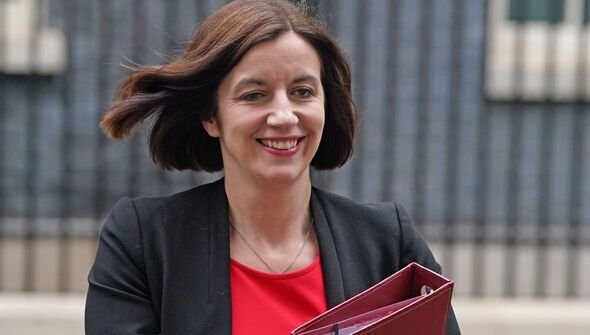
Education Secretary Bridget Phillipson has declared her readiness to face down teaching unions opposing her plans for compulsory reading tests for 13-year-olds and the introduction of mandatory extracurricular programs across all English schools. The move, aimed at tackling literacy gaps and re-engaging children from disadvantaged backgrounds, marks one of Phillipson’s most assertive policy pushes since joining the Labour cabinet.
In an interview with The Guardian, Phillipson said she was determined to address what she called “shocking outcomes” among working-class children, warning that one in four pupils — and one in three from low-income families — currently fail to meet required literacy standards. She said unions opposing the reforms should “really think carefully” about whether they can justify standing in the way of efforts to close these gaps.

“I’m on the side of children and parents,” Phillipson said. “My first priority has to be the best possible outcomes for children in our country, and especially for working-class kids. They only get one chance at a good education, and we cannot allow this drift to continue.”
The new national reading test for Year 8 students will be formally announced next week as part of a curriculum and assessment review. In addition to the tests, schools will be asked to conduct informal assessments in writing and maths, while ensuring that every child has access to at least five categories of enrichment activities — including sports, arts, culture, outdoor education, civic engagement, and practical life skills such as cooking and financial literacy.
Only two-thirds of secondary pupils currently participate in any extracurricular school activities, despite evidence showing that such involvement improves academic outcomes and future employment opportunities. Ofsted will begin monitoring schools to ensure compliance with these new expectations during regular inspections.
Phillipson has argued that the reforms are as much about restoring purpose and belonging among young people as they are about academic standards. “I worry about young people lacking a sense of purpose and feeling stuck in this doom loop of detachment,” she said. “We’ve seen a worrying trend, particularly among young men, of exposure to extremist and misogynistic content online. I want schools to help them feel part of something bigger.”
Her remarks underscore growing concern within government about youth disaffection and online radicalisation. By broadening enrichment activities and bolstering literacy, Phillipson hopes to reduce the risks associated with alienation and disengagement from school life.
The education secretary also reaffirmed her support for scrapping the controversial two-child benefit cap, calling it essential to cutting child poverty. “We need to make the biggest possible impact we can on child poverty numbers,” she said. “The key test is whether, by the end of this parliament, there are fewer children in poverty than at the start.”
Phillipson acknowledged delays in overhauling the special educational needs (SEN) system but said reforms would prioritise children’s needs above bureaucratic concerns. “Parents tell me the system isn’t working, but they also worry about what’s next,” she said. “That’s why it’s vital we take the time to get this right and take families with us.”
Her comments come amid efforts to unite Labour MPs around the government’s education agenda and avoid internal divisions similar to those that plagued welfare reforms earlier this year. “It’s about children and their life chances,” Phillipson insisted. “It’s not about saving money — that’s why we’re investing more this year and more in every year that follows.”
Although she narrowly lost the deputy leadership contest to Lucy Powell earlier this year, Phillipson said the campaign marked “just the beginning” of her efforts to help Labour secure a second term. “I’ve already put education back at the centre of national life,” she said. “Now I’m going to press on and do more to make sure members are proud to campaign for a second term.”
Phillipson also addressed Labour’s current polling struggles, expressing confidence that the government could regain public trust before the next election. “Of course I look at the polls and recognise the challenge we face,” she said. “But polls are just a snapshot in time. We’re in government — we can turn it around.”

She urged colleagues to resist the temptation of opposition-style politics. “We can’t afford to go back to the days of luxuriating in the easy choices that come with opposition,” she said. “Anyone can hold a placard and feel good about themselves, but it doesn’t make a jot of difference to people’s lives.”
Looking ahead, Phillipson said Labour’s focus must remain on tangible progress. “At the next election, we have to make a positive case for what we’ve achieved and what we’ll deliver in a second term. It’s about showing, not just telling — people need to see their lives getting better.”
While she stopped short of confirming any leadership ambitions, Phillipson did not rule out future aspirations. “I’ve got a very big job in my hands as education secretary,” she said. “It’s the best job in a Labour government — and that’s where my focus is.”
Related News:
 England’s Special Needs Support Faces Breaking Point
 University of Edinburgh Lecturers Launch Five-Day Strike Amid £140m Budget Cuts
 It Changed My View’: Campaign Encourages Pupils in Deprived Areas to Consider University
 UK Universities Warn Students Ahead of 7 October Pro-Palestine Protests
 Oxford Union president-elect ousted following Charlie Kirk scandal
 The debate over England’s compulsory reading test for 13-year-olds
 British Woman in Iran ‘Losing Hope’ Amid Ongoing Detention
 BBC Journalist Held and Interrogated in Vietnam
 Is a two-week half-term a good deal? Some parents in England aren’t so sure
 Green Party Surges Past Labour in Latest UK Poll
 Celebrities and Charities Demand UK Government Act on Child Poverty
 Children to Learn Local History in Major Curriculum Overhaul
 FBI Director Kash Patel Defends Girlfriend Amid Government Jet Claims
 UK University Suspends Human Rights Research Following Pressure from China
Phillipson urges careful review of gender recognition guidance
UK University Suspends Human Rights Research Following Pressure from China
Phillipson urges careful review of gender recognition guidance
 UK University Faces Counter-Terror Probe Over China Pressure
 Rachel Reeves Set to Break Labour Pledge and Raise Income Tax
 Top Christmas Books Reads: Classics to Cozy Romcoms
 England Curriculum Review Recommends Major Changes
 Greta Thunberg Backs Student Facing UK Visa Revocation
 Who is Rama Duwaji? What Zohran Mamdani’s wife has said about Gaza and ICE as he’s elected NYC mayor
 Audio Books deals and promo codes to explore in November 2025
China-critical UK academics face ‘extremely heavy’ pressure from Beijing
Audio Books deals and promo codes to explore in November 2025
China-critical UK academics face ‘extremely heavy’ pressure from Beijing
 Labour immigration crackdown could cost UK £4.4bn
 MPs Press Rachel Reeves to Hike Gambling Taxes
 Met Police Culture Makes Racial Harm ‘Inevitable’
 Nicola Sturgeon Urges SNP to Oppose New Oil Fields
 London’s Childlessness Crisis: Schools Closing as Families Shrink
 Eleven Arrested After Pro-Palestine Protest at Villa Match
 Labour Falls to Fourth in Poll, Faces Historic Election Loss
 Boris Johnson accused of undermining BBC leadership
 Remaining rebel Labour MPs have whip restored
 Cuts to home insulation funding threaten UK climate goals
 No link found between paracetamol in pregnancy and autism
 Tim Davie resigns as BBC director general amid bias claims
 ‘Reckless’ cuts to victims’ services will cost more than they save
 Government urges schools to ban phones to curb classroom disruption
 BBC director-general and news chief resign amid bias row
 Stephen Fry backs SafeCall to protect missing children
 Starmer Faces Growing Dissent as Labour MPs Weigh Leadership Challenge
 BBC Faces Backlash as Reform UK Withdraws from Film
 Tim Davie Defends BBC Amid Bias Scandal Storm
 Farage appointee to lead Reform youth accused of anti-British views
 Palace to reinstate hyphen in Andrew’s surname
 Donald Trump threatens BBC over edited speech
 Politics latest: Starmer ‘will fight any leadership coup’ as Streeting denies attempt to oust Labour PM
 Peers Flood Assisted Dying Bill with 942 Amendments
 MoD warned over Excel risks before Afghan data breach
 Higgs Donates Nobel Medal to His Beloved University
 UK Unveils Fast-Track Deportation and Asylum Overhaul
 UK Asylum Overhaul Sparks Debate Over Human Rights and Deportations
 UK Asylum Reforms: Temporary Refugee Status and Faster Deportations
 UK Candidate Moved to Safe House After Election Threats
 Mahmood Defends Tough Overhaul of UK Asylum System
 UK Schools Face Staff Exodus Amid Wellbeing Crash
 UK Warns China After MI5 Issues Espionage Alert
 Westminster Advances Legacy Bill Amid Criticism
 Minister Defends Tough New Asylum Reform Plan
 UK Vulnerable to Attack, Defence Committee Finds
 Labour Faces Historic Decline in Wales
 Rama Rebukes Mahmood for Targeting Albanian Families
 Russian Vessel Used Lasers on RAF Pilots, UK Claims
 PM Shares Emotional Letter to Son on Men’s Struggles
 MP Offers Seat to Help Burnham Challenge Starmer
 PM Highlights UK Business at G20 in South Africa
 Kate Forbes: Motherhood Harder Than Politics
 Welsh Government Christmas 2020 Lockdown Criticised
Reeves to Crack Down on Benefit Fraud While Lifting Two-Child Limit
Welsh Government Christmas 2020 Lockdown Criticised
Reeves to Crack Down on Benefit Fraud While Lifting Two-Child Limit
 BBC to Expand Standards Panel and Create Deputy Director Role
 Most Tories Expect to Support a Farage-Led Government
 Labour MP claims devolution bill is ‘blatant discrimination’ against Cornwall
 English Mayors Set to Introduce Tourist Taxes
 Ex-Classmate Accuses Farage of Dishonesty on Racism Claims
 Millions Face Higher Taxes Under Reeves New Budget
 Peers Get Extra Time to Debate Assisted Dying Bill
 Planned Palestinian Flag Raising at Belfast City Hall Faces Delay Amid Legal Concerns
 Government righting decades-old injustice for miners
 Schools urged to trial four-day week to ease pressure on teachers in England and Wales
 Oxford Names ‘Rage Bait’ Word of the Year
 UK delays ruling on China embassy plan until January