Published: 03 November 2025. The English Chronicle Desk. The English Chronicle Online.
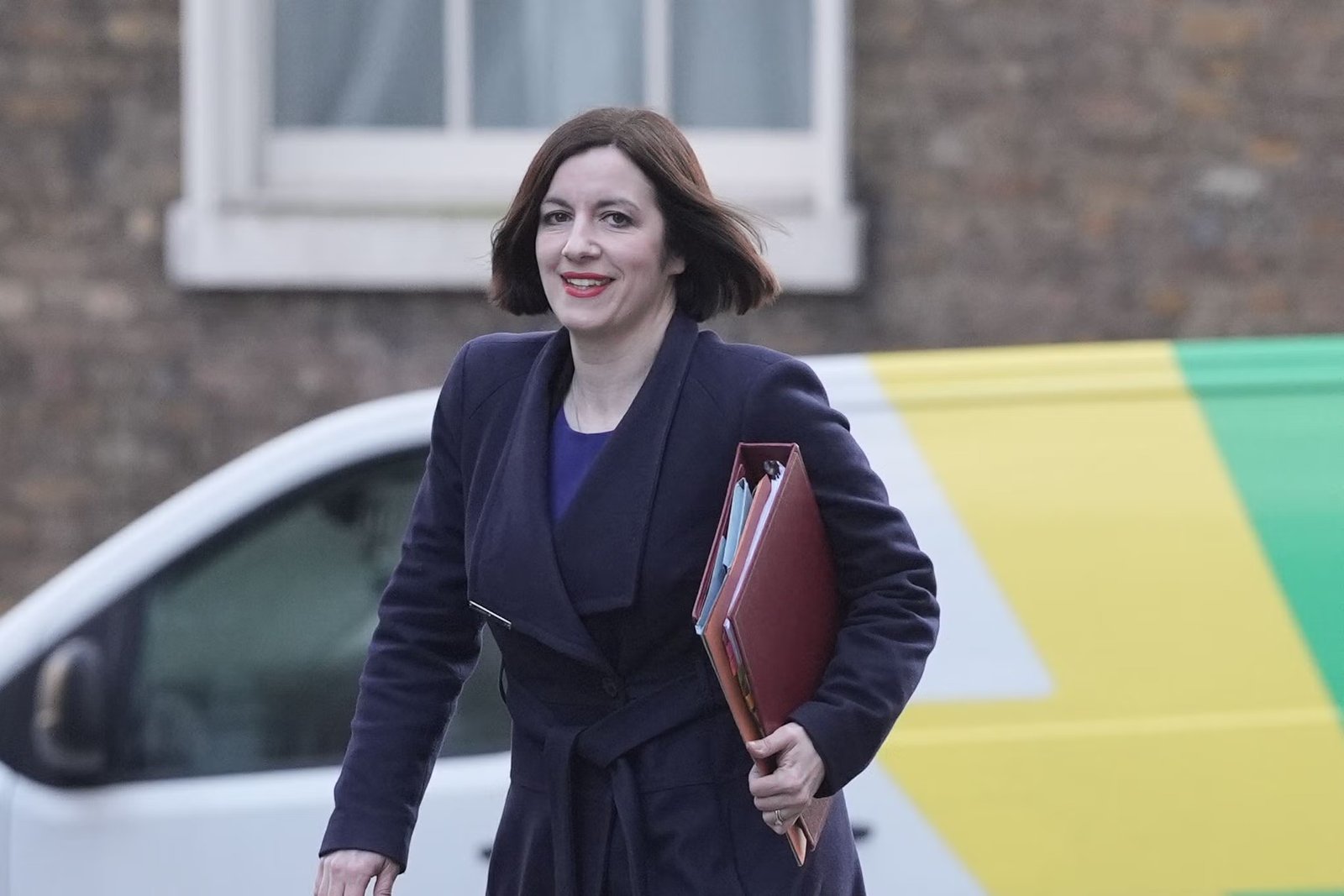
Schoolchildren across the UK are set to be given a deeper understanding of their local communities as part of Labour’s first major review of the national curriculum, Education Secretary Bridget Phillipson has indicated. The proposed changes, aimed at embedding local history into the classroom, will see pupils learning about the heritage, events, and social developments of the areas where they live, alongside their study of broader British and international history.
Phillipson will respond this week to an independent review of the curriculum conducted by Professor Becky Francis. She is expected to stress the importance of teaching students about the history of their towns and cities, arguing that such lessons will foster a more curious and engaged citizenry, while offering a more “robust” understanding of British history. Schools are likely to be encouraged to organise visits to local landmarks and museums, and to develop lessons that reflect their communities’ unique histories.

The move comes at a time when the teaching of history in England has become a focal point of broader cultural debates. Experts have long disagreed over the balance between British and global history, the attention given to minority groups, and the extent to which historical narratives should reflect contemporary social issues. By integrating local history, Phillipson hopes to make history education more tangible and personally relevant for students, moving beyond abstract or distant events to those that directly shaped their own communities.
Under the new guidance, children in Lancashire may explore the development and legacy of cotton mills, while pupils in Bristol could study the 1963 Bristol bus boycott, a pivotal civil rights action sparked by a refusal to employ Black or Asian staff. Students in Norfolk may examine the long history of coastal erosion and its impact on local communities, highlighting the intersection of geography and social history. The initiative is designed to connect national history with regional experiences, giving children a sense of belonging and identity within a wider historical framework.
Phillipson has previously reflected on her own education, noting that she did not learn about the critical role women played in wartime shipyards in Sunderland until adulthood. She argues that local history can instil a sense of curiosity and pride in young people, making them more aware of the rich historical narratives in their immediate surroundings. The Secretary is also expected to endorse Prof Francis’s recommendations that history education should reflect Britain’s diverse population and promote social cohesion, countering narratives of division.
Despite these additions, the reform stops short of a wholesale overhaul of GCSE and A-level content, last substantially revised during Lord Gove’s review in 2014. Currently, students are expected to study three historical eras—medieval (500-1500), early modern (1450-1750), and modern (1700-present)—and cover three geographical contexts, including at least one from Europe or the wider world. The curriculum also requires a thematic study over a long historical period, with topics such as the history of medicine often included.
Exam boards retain significant freedom in topic selection, which has drawn criticism for repetition. Many students encounter the Second World War and Cold War multiple times during their schooling, sometimes without exposure to less familiar historical periods or local narratives. Phillipson’s reforms aim to address this by emphasizing the importance of key British figures and national history, including figures like William Shakespeare, without imposing a prescriptive list of topics.
History will remain optional at GCSE, despite growing calls for compulsory study up to age 16. Advocates argue that history is crucial not only for understanding the past but also as a tool for critical thinking and navigating contemporary challenges such as misinformation and artificial intelligence. Paula Kitching of the Historical Association welcomed the local history initiative, describing it as “an accessible way of helping young people appreciate their area and connect with the wider themes of national and global history.” She expressed disappointment, however, that history would not become mandatory, stressing that local narratives can help foster an appreciation of environment, culture, and civic responsibility.
Alongside history, Phillipson is expected to introduce several other curriculum changes aimed at raising academic standards. Whitehall sources suggest that schools will be required to teach the three sciences—biology, chemistry, and physics—separately, in the biggest shake-up of science education in a decade. This change follows arguments from Prof Francis that “triple” science qualifications are more prevalent in affluent areas and lead to higher uptake of science A-levels and access to more lucrative careers after university.

The Education Secretary is also proposing a new mandatory reading test for Year Eight pupils to address underachievement, particularly among working-class students. The measure has, however, faced opposition from education unions, who warn that it could add unnecessary stress for both students and teachers. The National Education Union has argued that repeated testing does not automatically translate into higher standards, and that students’ overall well-being and engagement must remain a priority.
Phillipson’s reforms aim to strike a balance between rigor and relevance. By embedding local history and reinforcing the teaching of sciences and literacy, the government hopes to equip students with a better understanding of their communities, a stronger foundation in core subjects, and the skills necessary to thrive academically and socially. The curriculum shake-up reflects a broader vision for education that is both aspirational and pragmatic, seeking to ensure that schools cultivate knowledge, curiosity, and critical thinking in equal measure.
In sum, the Labour government’s curriculum review under Bridget Phillipson emphasizes local history as a cornerstone of education. By connecting students to the stories and heritage of their own communities, the initiative aims to make history lessons more relatable, informative, and engaging. Alongside reforms in science and literacy, the changes are designed to foster curiosity, improve standards, and better prepare students for life beyond the classroom, while maintaining a focus on national identity, social cohesion, and inclusivity.
Related News:
 Greta Thunberg Backs Student Facing UK Visa Revocation
 No link found between paracetamol in pregnancy and autism
 UK Schools Face Staff Exodus Amid Wellbeing Crash
 White Low-Income Pupils in England Show Lowest Levels of School Engagement, Study Finds
 Eating International Foods Linked to Greater Tolerance, UK Study Finds
 One in 12 Secondary Pupils Sent to Isolation Weekly
 Six-Figure Tutors Teach Toddlers to ‘Be British’
 Peterborough Mosques Tighten Security After Attack
 Prunella Scales: From Fawlty Towers Icon to Beloved Canal Explorer
 Hospice Cuts Raise Alarm Across England Amid Funding Crisis
 How Bringing Forests Into Preschools Boosts Children’s Health
 Nearly 48,000 Zombie Knives Removed from UK Streets in a Year
 UK Woman Loses Child Benefit After Booking Flight She Never Took
 Is a two-week half-term a good deal? Some parents in England aren’t so sure
 UK launches search for first-ever ‘town of culture’ to highlight overlooked areas
 Hollywood Is an Industry of Looney Tunes Pretending to Be Normal
 150-Year-Old Arctic Beer to Be Reborn in Scotland
 Experts Warn on Home Birth Risks, Call for Skilled Midwives
 Court Hears Challenge Over Water Bills Funding Sewage Fixes
 The Lowry Hotel: Manchester’s Iconic Five-Star Retreat
 Prince William Plants Trees with Brazil’s Nature Heroes
 Top Christmas Books Reads: Classics to Cozy Romcoms
 England Curriculum Review Recommends Major Changes
 Audio Books deals and promo codes to explore in November 2025
 Oprah enjoys Meghan’s jam on English muffins
 Experts Urge Legal Right to Timely Cancer Care
 Nicola Sturgeon Urges SNP to Oppose New Oil Fields
 London’s Childlessness Crisis: Schools Closing as Families Shrink
 Newcastle United Lifts Ban on Fan Over Gender-Critical Views
 British Grandmother to Return Home After Death Sentence in Bali
 NHS Takes Over Nuffield Hospital in ‘Windfall’ for London Care
 Jailed UK climate protesters face extremist-style restrictions
 Boris Johnson accused of undermining BBC leadership
 North Sea oil workers must lose weight or face job loss
 Crisis charity to become landlord amid UK housing emergency
 Tim Davie resigns as BBC director general amid bias claims
 How to get help when a child goes missing – call 999 urgently
 ‘Reckless’ cuts to victims’ services will cost more than they save
 Government urges schools to ban phones to curb classroom disruption
 Stephen Fry backs SafeCall to protect missing children
 The Debate Over Princess Beatrice and Eugenie’s Royal Status Intensifies
 UK Disability Pay Gap Means Millions Work for Free From Today
 Tim Davie Defends BBC Amid Bias Scandal Storm
 UK toy market enjoys bumper year as ‘kidults’ fuel demand
 Politics latest: Starmer ‘will fight any leadership coup’ as Streeting denies attempt to oust Labour PM
 Leading doctors issue warning amid ‘bad’ flu season
 Son Reveals UK Couple in Iran Resort to Hunger Strike for Help
 South Korea’s College Exam Tests Perseverance of Blind Students
 England’s Special Needs Support Faces Breaking Point
 Two in Three Women in UK Armed Forces Report Harassment
 Higgs Donates Nobel Medal to His Beloved University
 Cold Snap Brings Snow Risk as Flood Recovery Continues
 Couple Win Damages Over Arrest Linked to WhatsApp Chat
 UK Asylum Overhaul Sparks Debate Over Human Rights and Deportations
 UK Asylum Reforms: Temporary Refugee Status and Faster Deportations
 Five Young People Killed in Tragic Dundalk Road Crash
 Mum Calls for New Licence Rules After Teen Road Death
 Shoppers Left in Darkness After Clock Change Delay
 Mother Watches in Horror as Teen Daughter Dies on Tracks
 ‘Traumatic Wait’: Northern Ireland Women Face Breast Cancer Delays
 Commuters warned as yellow snow and ice alert hits Northern Ireland
 PM Shares Emotional Letter to Son on Men’s Struggles
 Court to Hear Challenge to Wimbledon Expansion Plan
 Podcaster Faces Abuse Charges Over Controlling Behaviour
 Kate Forbes: Motherhood Harder Than Politics
 TikTok Star Jessie Yendle Mocked by KFC
 UK Energy Bills to Rise Slightly in January
 Coffins Now Too Large to Cremate Amid Rising Obesity Crisis
 Reeves to Crack Down on Benefit Fraud While Lifting Two-Child Limit
 DWP to Reassess Hundreds of Thousands in Carer Allowance Scandal
 Labour MP claims devolution bill is ‘blatant discrimination’ against Cornwall
 Planned Palestinian Flag Raising at Belfast City Hall Faces Delay Amid Legal Concerns
 Sudanese Family Vows to Stay After Racist Graffiti
 Fibromyalgia Patients Struggle as NHS Fails to Provide Care
 Machynlleth High Street Left Without Christmas Lights
 Second homes curbs quashed in Gwynedd legal ruling
 Search underway for British man overboard off Tenerife
 Schools urged to trial four-day week to ease pressure on teachers in England and Wales
 Virgin Media Fined £23.8m Over Telecare Safety Failures
 Oxford Names ‘Rage Bait’ Word of the Year