Published: 10 November 2025. The English Chronicle Desk. The English Chronicle Online.
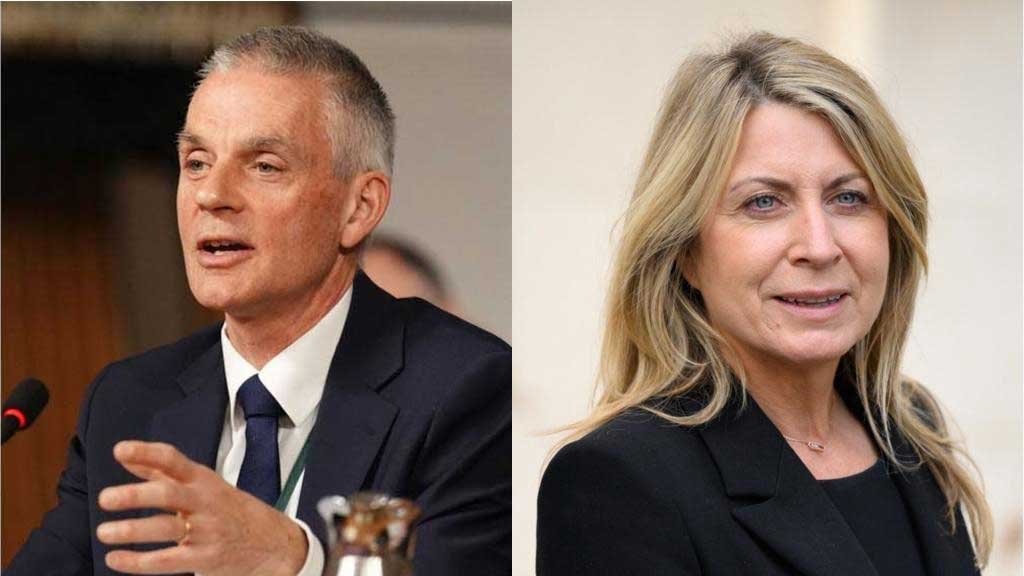
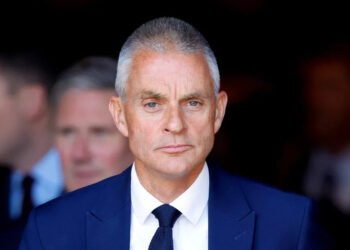
In a dramatic shake-up at the heart of British media, Tim Davie, the BBC’s director general, has resigned, alongside Deborah Turness, head of BBC News, following accusations of “serious and systemic” bias in the corporation’s coverage of issues including Donald Trump, Gaza, and trans rights. The announcements have sent shockwaves through the broadcaster, which is simultaneously preparing to address claims about the editing of a Trump speech.
Davie, in a statement to staff, described his departure as “entirely my decision” and stressed that the BBC board, led by chair Samir Shah, had offered him “unswerving and unanimous support” throughout his tenure. Nevertheless, he admitted that the ongoing scrutiny contributed to his resignation. “Like all public organisations, the BBC is not perfect, and we must always be open, transparent and accountable,” he said. “While not being the only reason, the current debate around BBC News has understandably contributed to my decision. Overall the BBC is delivering well, but there have been some mistakes made and as director general I have to take ultimate responsibility.”

The resignations come in the wake of criticisms by Michael Prescott, a former independent external adviser to the BBC’s editorial guidelines and standards committee. Prescott, who left his advisory role in the summer, accused the broadcaster of systemic bias, particularly highlighting the way a Panorama episode edited excerpts from a January 2021 Trump speech. The episode suggested the former U.S. president instructed supporters: “We’re going to walk down to the Capitol and I’ll be there with you, and we fight. We fight like hell.” Critics pointed out that the words were taken from sections of the speech nearly an hour apart, creating a misleading impression of Trump’s intent.
The controversy quickly drew the attention of Trump’s team, with press secretary Karoline Leavitt describing the BBC as “100% fake news” and a “propaganda machine” on social media. Trump himself weighed in, stating that “very dishonest people” had attempted to “step on the scales of a Presidential Election,” adding that they were from a foreign country considered a key ally. Leavitt later referenced the resignations on social media, framing them as a vindication of her complaints.
Inside the BBC, staff expressed a sense of shock and dismay at Turness’s departure, with some describing it as akin to a “coup.” Sources indicated that the resignations were seen as a measure to shield the corporation from further political attacks and to stabilize leadership ahead of critical funding and governance discussions with the UK government.
The BBC has faced a turbulent year marked by multiple controversies, including remarks made by former presenter Gary Lineker, criticism over coverage of a Glastonbury festival performance by rap-punk duo Bob Vylan, and scrutiny over reporting on Gaza. These incidents, combined with Prescott’s allegations, have heightened political and public pressure on the broadcaster.
Samir Shah, chair of the BBC, acknowledged the significance of Davie’s resignation. “He has had the full support of me and the board throughout,” Shah said. “However, I understand the continued pressure on him, personally and professionally, which has led him to take this decision today. The whole board respects the decision and the reasons for it.”
The Prescott letter, leaked to the Daily Telegraph, also criticised BBC Arabic for featuring contributors with antisemitic views. One contributor reportedly posted online that Jews should be burned “as Hitler did,” while another described Jews as “devils.” The BBC confirmed that the first contributor had since been barred from appearing again. These incidents have intensified scrutiny over editorial oversight within BBC divisions.
Turness, in her departure note, emphasised accountability while refuting claims of general institutional bias. “The ongoing controversy around the Panorama on President Trump has reached a stage where it is causing damage to the BBC – an institution that I love,” she wrote. “As the CEO of BBC News and current affairs, the buck stops with me. In public life leaders need to be fully accountable, and that is why I am stepping down. While mistakes have been made, I want to be absolutely clear recent allegations that BBC News is institutionally biased are wrong.”
Political reactions to the resignations were swift. Liberal Democrat leader Ed Davey called for the BBC to “turn a new leaf,” Conservative leader Kemi Badenoch demanded “top-to-bottom” reform, and Reform UK leader Nigel Farage described the resignations as the corporation’s “last chance” to regain credibility.

Concerns remain among BBC insiders that Prescott’s criticisms may be leveraged by political forces seeking to shift the corporation’s editorial stance. Some point to precedents during Boris Johnson’s government, suggesting an ongoing effort to influence BBC governance and coverage. Prescott and former BBC board member Robbie Gibb, a key figure in his appointment, were reportedly close associates, raising questions about potential conflicts of interest. Both have denied political motivations behind their actions.
Davie and Turness’s departures mark a pivotal moment in the BBC’s history, raising questions about the broadcaster’s independence, accountability, and editorial direction at a time when trust in traditional media is increasingly fragile. As the BBC navigates the next phase of leadership, observers will be watching closely to see how it balances public accountability with maintaining editorial integrity.
Related News:
 Rachel Reeves Admits Renting Home Without Required Licence
 Experts Question HMRC Over Possible Child Benefit Privacy Breach
 Boris Johnson accused of undermining BBC leadership
 ‘Reckless’ cuts to victims’ services will cost more than they save
 Politics latest: Starmer ‘will fight any leadership coup’ as Streeting denies attempt to oust Labour PM
 UK Asylum Overhaul Sparks Debate Over Human Rights and Deportations
 UK Asylum Reforms: Temporary Refugee Status and Faster Deportations
 Scottish Ministers Express Alarm Over UK Asylum Reforms
 Peter Kyle Condemns Nigel Farage Over Reform UK’s Promise to Scrap Online Safety Act
 Green Party Faces Leadership Divide Over Direction and Strategy
 First “One In, One Out” Deportation Flight Departs Without Migrants Amid Legal Challenges
 Labour Urged to Rethink Growth Strategy as Top Economist Warns of Far-Right Surge
 Corbyn and Sultana Clash Over Membership Portal as Divisions Surface in New Leftwing Party
 Lib Dems Urged to Focus on Policy Over Stunts, Survey Shows
 Tories Push to Dilute Labour’s Workers’ Rights Bill
 It’s time to come clean on the China spy case
 Nearly 48,000 Zombie Knives Removed from UK Streets in a Year
Boris Johnson: Tories Risk Election Loss if They ‘Bash the Green Agenda’
Nearly 48,000 Zombie Knives Removed from UK Streets in a Year
Boris Johnson: Tories Risk Election Loss if They ‘Bash the Green Agenda’
 Green Party Surges Past Labour in Latest UK Poll
 Celebrities and Charities Demand UK Government Act on Child Poverty
 Phillipson urges careful review of gender recognition guidance
 French Taxi Driver Cleared in David Lammy Theft Case After Fare Dispute
 Met Police Culture Makes Racial Harm ‘Inevitable’
 Nicola Sturgeon Urges SNP to Oppose New Oil Fields
 Newcastle United Lifts Ban on Fan Over Gender-Critical Views
 British Grandmother to Return Home After Death Sentence in Bali
 Remaining rebel Labour MPs have whip restored
 Bar Council urges legal aid for all domestic abuse family cases
 Second world war veterans honoured as King leads Remembrance Sunday
 Judges to Decide Fate of Chief Constable Guilty of Contempt
 Tim Davie Defends BBC Amid Bias Scandal Storm
 Reeves rejects £1bn plea for NHS redundancy payouts
 Palace to reinstate hyphen in Andrew’s surname
 NHS trust fined after woman takes life in mental health unit
 PM Condemns Leaks, Vows Loyalty to Ministers and Stability
 Victims’ commissioner Baroness Newlove dies aged 63
 BBC Apologises to Trump but Rejects $1bn Compensation Claim
 Major Rent Reform Ends No-Fault Evictions in England
 Peers Flood Assisted Dying Bill with 942 Amendments
 Your Party Turmoil Deepens Over Withheld Donations
 UK Unveils Fast-Track Deportation and Asylum Overhaul
 Couple Win Damages Over Arrest Linked to WhatsApp Chat
 Crowborough Protest Over Plan to House 600 Asylum Seekers
 Mahmood Defends Tough Overhaul of UK Asylum System
 Westminster Advances Legacy Bill Amid Criticism
 Minister Defends Tough New Asylum Reform Plan
 UK Net Migration Falls Sharply After ONS Revisions
 Labour Faces Historic Decline in Wales
 PM Shares Emotional Letter to Son on Men’s Struggles
 MP Offers Seat to Help Burnham Challenge Starmer
 Court to Hear Challenge to Wimbledon Expansion Plan
 Senedd Suspends Politician Over Offensive Racial Slur
 Covid Response in NI ‘Chaotic’, Says Inquiry
 Kate Forbes: Motherhood Harder Than Politics
Reeves to Crack Down on Benefit Fraud While Lifting Two-Child Limit
Kate Forbes: Motherhood Harder Than Politics
Reeves to Crack Down on Benefit Fraud While Lifting Two-Child Limit
 BBC to Expand Standards Panel and Create Deputy Director Role
 Most Tories Expect to Support a Farage-Led Government
 Labour MP claims devolution bill is ‘blatant discrimination’ against Cornwall
 Peers Get Extra Time to Debate Assisted Dying Bill
 Planned Palestinian Flag Raising at Belfast City Hall Faces Delay Amid Legal Concerns
 Second homes curbs quashed in Gwynedd legal ruling
 Virgin Media Fined £23.8m Over Telecare Safety Failures
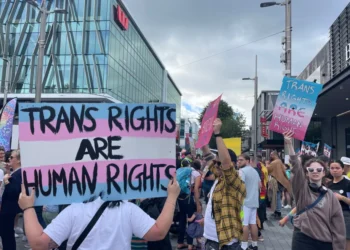 The Fight for Trans Safety Is a Fight for Everyone’s Safety — MPs Must Debate This Crucial Issue
 Tanni Grey-Thompson Faces Abuse Over Opposition to Assisted Dying Bill
 Ed Miliband Warns UK Government on X, Citing Elon Musk as a “Dangerous Influence”
 Army Barracks to House Migrants as Hotels Phase Out
 Peterborough Mosques Tighten Security After Attack
 Army Officers Orders to Cut Ties with Men-Only Clubs
 Trump’s UK Ambassador Urges North Sea Drilling to Strengthen US Ties
 Kent village told to remove flags before Christmas lights go up
 How to get help when a child goes missing – call 999 urgently
 Starmer Faces Growing Dissent as Labour MPs Weigh Leadership Challenge
 Mary Earps’s Manchester United Return Faces Mixed Reception
 Son Reveals UK Couple in Iran Resort to Hunger Strike for Help
 US Justice Department Files Lawsuit Against California Over Partisan Voting Maps
 Trump Deploys DHS to Charlotte in Major Arrest Operation
 Mother Watches in Horror as Teen Daughter Dies on Tracks
 ‘Traumatic Wait’: Northern Ireland Women Face Breast Cancer Delays
 Serial Rapist and Former Cop Found Guilty Again
 Fibromyalgia Patients Struggle as NHS Fails to Provide Care