Published: 10 November 2025. The English Chronicle Desk. The English Chronicle Online.
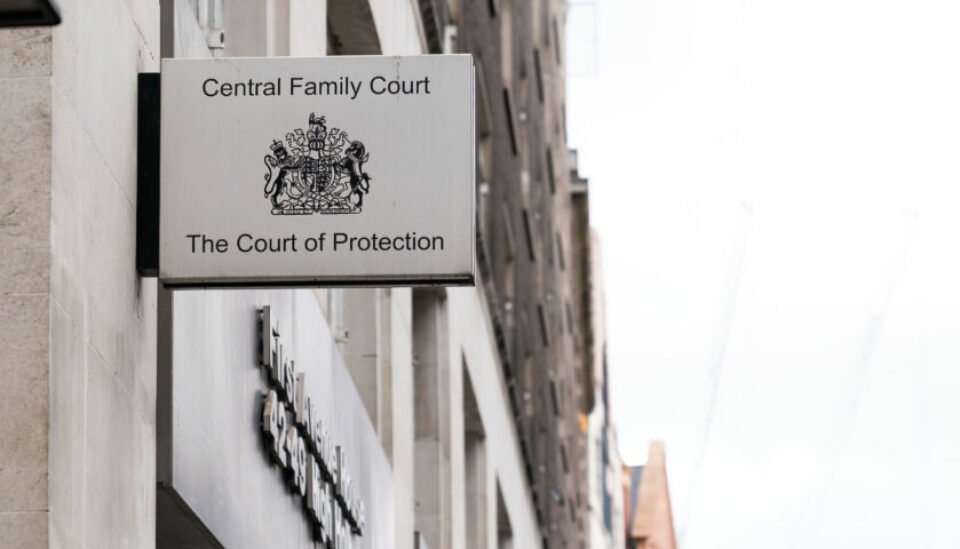
The Bar Council has called for urgent reforms to ensure all family court cases involving domestic abuse fall within the scope of legal aid, including scrapping means testing for alleged victims and survivors. Representing the 18,000 barristers in England and Wales, the council has outlined a comprehensive package of recommendations aimed at strengthening the family justice system and better protecting victims of domestic abuse.
Currently, only around 15% of families are eligible for legal aid, a limitation that, coupled with widespread challenges in recruiting and retaining skilled family solicitors, has created what the Bar Council terms “legal advice deserts” across the country. The consequence has been a growing number of people forced to represent themselves as litigants in person, a process that can drain court resources and often retraumatise survivors.

Family courts play a crucial role in addressing violence against women and girls (VAWG), the council noted, highlighting that reforms and investment in these courts are critical for meeting government targets to halve domestic abuse in the next decade. Government statistics indicate that, in the year ending March 2024, over 1.2 million women and more than 550,000 men aged 16 to 59 were estimated to have experienced domestic abuse. A report from the domestic abuse commissioner published in October found that domestic abuse features in almost 90% of cases before the family courts.
The Bar Council’s recommendations extend beyond legal aid eligibility. They include increasing funding for family law legal aid, adequately financing the rollout of pathfinder courts and family drug and alcohol courts (FDAC) across England and Wales, and enhancing support for individuals navigating the family justice system. The paper also supports the continued implementation of Domestic Abuse Protection Orders and Notices (DAPOs and DAPNs), alongside perpetrator programmes following admissions or findings of fact hearings.
Barbara Mills KC, chair of the Bar Council and a family law specialist, emphasised the broader societal importance of reform, stating: “Violence against women and girls is not a private issue; it is a public emergency. Women and girls are harmed by men who profess to love them in their own homes. We can only scratch the surface of solutions if we do not consider family justice alongside criminal justice in tackling VAWG.”
Barristers have raised concerns about the conditions within some family courts. Victims and alleged perpetrators are sometimes forced to wait in the same rooms, and confidential discussions can be overheard due to inadequate facilities. In some courts, basic amenities such as drinking water and handwashing facilities are lacking, while insufficient security puts both clients and legal professionals at risk.

Mills warned that the current state of the system is untenable. “A long history of underfunding has left a dilapidated and understaffed court estate, which is not always adequate to support efficient working,” she said. “Investment is urgently needed to ensure accessible, survivor-centred justice focused on early intervention and prevention.”
The Bar Council’s proposals come at a pivotal moment as public attention on domestic abuse continues to grow, with the family courts seen as a vital instrument in safeguarding victims, delivering justice, and preventing future violence. Legal experts argue that implementing these reforms could transform the family justice system, ensuring it protects vulnerable individuals while holding perpetrators accountable.
Related News:
 Nearly 48,000 Zombie Knives Removed from UK Streets in a Year
 British Grandmother to Return Home After Death Sentence in Bali
 Judges to Decide Fate of Chief Constable Guilty of Contempt
 Victim of Catfish Predator Max Hollingsbee Speaks Out: “I Will Always Be Angry He Took My Innocence”
 Madeleine McCann Detectives to Testify Against Woman Accused of Stalking the Family
 Mother dies after black market weight loss injection
 Peterborough Mosques Tighten Security After Attack
 Five More Prisoners Freed by Mistake in Essex Week
 Rachel Reeves Admits Renting Home Without Required Licence
 Prince Andrew Stripped of Title: Giuffre Family Hails Historic Moment
 Afghan man charged with murder after west London knife attack
 Experts Question HMRC Over Possible Child Benefit Privacy Breach
 Metal Detectors at Stations ‘Would Make Life Impossible,’ Says Minister
 Man Charged Over Cambridgeshire Train Stabbing
 Pregnant UK Teen to Be Freed from Georgian Jail
 French Taxi Driver Cleared in David Lammy Theft Case After Fare Dispute
 Just Stop Oil Protesters Convicted Amid Climate Defence Row
 Lammy ‘misinformed’ over Wandsworth prisoner releases
 Met Police Culture Makes Racial Harm ‘Inevitable’
 Newcastle United Lifts Ban on Fan Over Gender-Critical Views
 Jailed UK climate protesters face extremist-style restrictions
 Tim Davie resigns as BBC director general amid bias claims
 How to get help when a child goes missing – call 999 urgently
 ‘Reckless’ cuts to victims’ services will cost more than they save
 NHS trust fined after woman takes life in mental health unit
 How age progression images help trace missing people
 South Korea’s Jeju Island Faces Rising Tide of Illicit Drugs
 Victims’ commissioner Baroness Newlove dies aged 63
 ‘Fake Admiral’ Sparks Outrage at Remembrance Event
 Couple Win Damages Over Arrest Linked to WhatsApp Chat
 UK Asylum Overhaul Sparks Debate Over Human Rights and Deportations
 UK Asylum Reforms: Temporary Refugee Status and Faster Deportations
 Paralegal Fired After Exposé on Illegal Worker Scam
 Dan Wootton Rejects Catfishing Allegation in Court
 Mother Watches in Horror as Teen Daughter Dies on Tracks
 Convicted Killer Challenges Vegemite Ban Behind Bars
 Newport Man Left Injured After Electric Bike Collision
 Court to Hear Challenge to Wimbledon Expansion Plan
 Serial Rapist and Former Cop Found Guilty Again
 Podcaster Faces Abuse Charges Over Controlling Behaviour
 Gardener Guilty of Brutal Attack on Teacher Partner
 Sudanese Family Vows to Stay After Racist Graffiti
 Man Arrested Over Manchester Synagogue Terror Attack
 Second homes curbs quashed in Gwynedd legal ruling
 Virgin Media Fined £23.8m Over Telecare Safety Failures
 Twelve Prisoners Released in Error, Two Still Missing
 Targeted Attack in Bury Sparks Murder Investigation as Community Awaits Justice
 Man Remanded After Children Fall Ill at Leicestershire Summer Camp in Shocking Child Cruelty Case
 Alarming rise in abusive teen relationships in the UK sparks urgent warnings
 Merseyside Police Helicopter Crew Cleared After Low-Altitude Pursuit of Suspect
 Akinwale Arobieke Found Dead at Liverpool Home
 UK Launches Major Crackdown on Networks Profiting from Online Child Sexual Abuse
 No Evidence Found to Substantiate Alleged Rape in Oxfordshire Churchyard, Police Confirm
 Massive London Poundland Fire Engulfs High Street
 Badenoch Warns Farage’s Grooming Gangs Plan Could Backfire
 Hospice Cuts Raise Alarm Across England Amid Funding Crisis
 UK Woman Loses Child Benefit After Booking Flight She Never Took
 Mass Stabbing on Doncaster to London Train Leaves Ten Injured
 Children to Learn Local History in Major Curriculum Overhaul
 The Lowry Hotel: Manchester’s Iconic Five-Star Retreat
 UK Bans Fake Numbers: Scammers Lose Their Trick
 Prince William Plants Trees with Brazil’s Nature Heroes
 Kent village told to remove flags before Christmas lights go up
 King Charles to Lead Nation in Remembrance Sunday Service
 Politics latest: Starmer ‘will fight any leadership coup’ as Streeting denies attempt to oust Labour PM
 Pop Stars Call on UK Government to Cap Resale Prices for Fans
 Son Reveals UK Couple in Iran Resort to Hunger Strike for Help
 Peers Flood Assisted Dying Bill with 942 Amendments
 Oklahoma Governor Grants Last-Minute Clemency to Death Row Inmate
 Rio Raid’s Death Toll Raises Questions About Gang Impact
 Mum Calls for New Licence Rules After Teen Road Death
 Charlotte Raids: 130 Arrested in Major Immigration Sweep
 ‘Traumatic Wait’: Northern Ireland Women Face Breast Cancer Delays
 Commuters warned as yellow snow and ice alert hits Northern Ireland
 Man Charged Over Attempted Murder of Senior Officer
 Coffins Now Too Large to Cremate Amid Rising Obesity Crisis
 Labour MP claims devolution bill is ‘blatant discrimination’ against Cornwall
 Peers Get Extra Time to Debate Assisted Dying Bill
 Fibromyalgia Patients Struggle as NHS Fails to Provide Care
 Search underway for British man overboard off Tenerife