11 November 2025 । The English Chronicle Desk । The English Chronicle Online ।
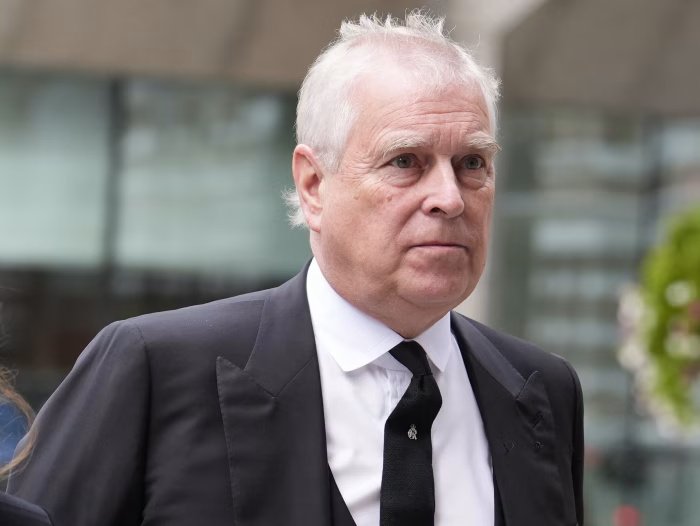
Buckingham Palace is reportedly considering a key symbolic change concerning the Duke of York’s formal name — a move that could see Andrew Mountbatten Windsor officially restored as Andrew Mountbatten-Windsor, reinstating the traditional hyphen that once linked the two royal surnames.
The decision, while seemingly minor in appearance, carries deep historical and constitutional resonance within the British monarchy. According to sources close to the Palace, the discussion is part of an ongoing effort to “bring uniformity and historical correctness” to the royal family’s naming conventions, which have evolved significantly over the decades. The potential reintroduction of the hyphen is also being seen as a gesture of respect to the late Queen Elizabeth II, whose personal preference for the double-barrelled surname “Mountbatten-Windsor” was well documented.
Andrew, now 65, was formally styled as Andrew Mountbatten Windsor following the removal of his royal and military titles in 2022, amid public controversy and internal restructuring of the royal household. The change marked a significant moment in modern royal history — the first time in generations that a senior member of the family had been reintroduced to public records without any princely designation. His name, notably lacking the traditional hyphen, raised questions among royal historians and commentators, many of whom saw it as an intentional break from the monarchy’s linguistic and symbolic conventions.

At the time, Palace officials confirmed that the form “Mountbatten Windsor” had been agreed upon “in consultation with the Duke himself.” However, insiders now reveal that the late Queen had originally insisted that all descendants of the Queen and Prince Philip should use the hyphenated version “Mountbatten-Windsor” when a surname was required — a decision she made in 1960 after careful negotiation with her husband and constitutional advisors. The removal of the hyphen in Andrew’s name was therefore considered an unusual deviation from that tradition.
A Palace insider told The English Chronicle: “This is not a question of titles or privileges being restored. It is simply about aligning the official record with the late Queen’s wishes and maintaining historical consistency. His Majesty [King Charles III] wants such matters handled with quiet dignity and correctness.”
While the adjustment may appear administrative, royal watchers suggest it reflects the Palace’s delicate balancing act between tradition, modernity, and public perception. Since stepping back from public duties, Andrew has lived largely out of the limelight at the Royal Lodge in Windsor, maintaining a low profile while continuing to use his private name in official correspondence. The question of how he should be formally styled — especially in legal and historical documentation — has remained ambiguous since his withdrawal from public life.
Dr. Eleanor Smythe, a royal historian at the University of Edinburgh, noted that the potential change “speaks volumes about the royal family’s ongoing struggle to reconcile identity with accountability.” She added, “Restoring the hyphen is not about rehabilitation, but about restoring coherence to royal naming practices. It’s a small but significant way of saying that even amid controversy, certain traditions endure.”
The surname “Mountbatten-Windsor” itself carries symbolic weight. It represents the merging of two powerful dynastic identities: the House of Windsor, established by King George V during World War I to distance the monarchy from its Germanic roots, and Mountbatten, the anglicized name adopted by Prince Philip’s maternal family, the Battenbergs, after anti-German sentiment rose during the same period. When Elizabeth II ascended to the throne, she decreed that the royal house would remain known as Windsor, but that her and Philip’s descendants who were not styled as royal highnesses would bear the surname “Mountbatten-Windsor.”
For Andrew, whose public image has been fraught in recent years, the symbolic restoration of the hyphen is unlikely to signal any broader return to royal duties. Palace officials have made clear that no reconsideration of his former status as “His Royal Highness” or his honorary military appointments is underway. Instead, the move is being characterized as part of an administrative review of royal documentation — one that ensures the monarchy’s official naming conventions are consistent with historical precedent and royal decrees still in effect.
Public reaction to the potential change has been mixed. Some view it as an inconsequential matter of style, while others see it as part of a gradual and careful reintroduction of Andrew into formal royal recognition. “It’s a quiet correction, not a comeback,” commented one royal commentator on social media. “But even small gestures from the Palace carry meaning. This one suggests respect for the late Queen’s legacy, not rehabilitation for the Duke.”
In contrast, others have questioned the timing, arguing that any move involving Andrew’s name risks reigniting controversy at a time when the monarchy is striving to project stability and reform under King Charles III. Royal sources, however, stress that the decision is being handled “with discretion and administrative focus, not with public relations intent.”

Observers note that such name-related adjustments are not without precedent. Similar corrections were made during the reign of Queen Elizabeth II to align the surnames of various royal descendants with official decrees, ensuring that genealogical records, royal warrants, and diplomatic documents reflect the monarchy’s consistent lineage.
As of now, the Palace has not issued a formal announcement, but it is understood that a decision is expected “in due course,” following consultation with the King’s private secretary and the Lord Chamberlain’s Office. Should the change proceed, future references to the Duke in official state documents, church records, and historical registries would reflect the name “Andrew Mountbatten-Windsor.”
While the matter may appear ceremonial, experts argue it underscores the monarchy’s careful attention to detail and its enduring concern with legacy. In the words of one senior royal aide, “The monarchy is built on continuity. Even punctuation can carry meaning when it belongs to history.”
For now, the prospect of the hyphen’s return serves as a reminder of the monarchy’s complex blend of symbolism and protocol — where even the smallest stroke of a pen can echo across centuries of royal tradition.
Related News:
 British Woman in Iran ‘Losing Hope’ Amid Ongoing Detention
 BBC Journalist Held and Interrogated in Vietnam
 The diet that can significantly ease symptoms of IBS
 Trump Speaks on Prince Andrew’s Royal Scandal Fallout
 Pregnant UK Teen to Be Freed from Georgian Jail
 Zohran Mamdani becomes New York City’s first Muslim mayor
 Top Christmas Books Reads: Classics to Cozy Romcoms
 UPS Cargo Plane Crash in Kentucky Kills Seven
 Just Stop Oil Protesters Convicted Amid Climate Defence Row
Zohran Mamdani names all-female transition team for NYC mayoralty
Just Stop Oil Protesters Convicted Amid Climate Defence Row
Zohran Mamdani names all-female transition team for NYC mayoralty
 Tension and Turmoil at Aston Villa v Maccabi Match
 British Grandmother to Return Home After Death Sentence in Bali
 Parents Urge Home Office to Reunite Daughter After Hurricane
 Lando Norris Dominates Brazil GP to Strengthen F1 Title Bid
 Second world war veterans honoured as King leads Remembrance Sunday
 BBC director-general and news chief resign amid bias row
 Ronaldo Confirms Final World Cup and Plans Retirement
 Rama Rebukes Mahmood for Targeting Albanian Families
 Russian Vessel Used Lasers on RAF Pilots, UK Claims
 Royal Navy Shadows Russian Warships Entering the Channel
 Ireland Boosts Ukraine Aid as Zelensky Visits Dublin
 UK Must Act with Courage and Clarity on Israel-Palestine Conflict, Says Foreign Affairs Committee Report
 Radioactive Leak at UK’s Nuclear Warhead Base Sparks Outcry Over Safety and Secrecy
 Mutual Inconvenience: Why Alaska Was Chosen for the Trump-Putin Summit on Ukraine
 Terence Stamp, ’60s British Film Legend and Star of Superman, Dies at 87
 Is the UK Ready to Put Boots on the Ground in Ukraine? Assessing Military Capacity and Challenges
 Shein UK Faces Allegations of Shifting Majority of Profits to Singapore to Reduce UK Tax
 Public Trust in SNP Hits Historic Low Amid NHS Concerns
 Johnson Suggests Mandelson Linked to China Spy Controversy
 Rachel Reeves signals welfare reform ahead of key budget
 Peterborough Mosques Tighten Security After Attack
Reeves Faces Setback as Labour May Miss Homes Target
Peterborough Mosques Tighten Security After Attack
Reeves Faces Setback as Labour May Miss Homes Target
 Hospice Cuts Raise Alarm Across England Amid Funding Crisis
 Kate Winslet to Narrate Film Highlighting King’s Environmental Mission
 Green Party Surges Past Labour in Latest UK Poll
 Trump’s UK Ambassador Urges North Sea Drilling to Strengthen US Ties
 Children to Learn Local History in Major Curriculum Overhaul
 French Taxi Driver Cleared in David Lammy Theft Case After Fare Dispute
 UK Bans Fake Numbers: Scammers Lose Their Trick
 Prince William Plants Trees with Brazil’s Nature Heroes
 M&S Profits More Than Halve After Cyber-Attack
 Kent village told to remove flags before Christmas lights go up
 Patients to Test Health at Home to Ease NHS Winter Pressure
 I’m a Celebrity 2025 line-up revealed: Osbourne joins
BBC to Apologise Over Edited Trump Speech Amid Backlash
I’m a Celebrity 2025 line-up revealed: Osbourne joins
BBC to Apologise Over Edited Trump Speech Amid Backlash
 King Charles to Lead Nation in Remembrance Sunday Service
 Britain deploys RAF specialists to assist Belgium with drone threats
 US Senate Passes Funding Bill to End Historic Shutdown
 Starmer Faces Growing Dissent as Labour MPs Weigh Leadership Challenge
 VAR Must Rein Its Neck In to Save Football’s Spirit
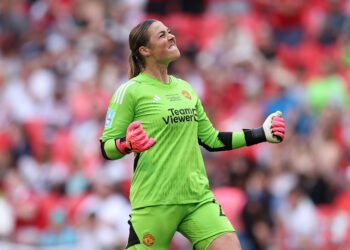 Mary Earps’s Manchester United Return Faces Mixed Reception
 Son Reveals UK Couple in Iran Resort to Hunger Strike for Help
 Peers Flood Assisted Dying Bill with 942 Amendments
 US Justice Department Files Lawsuit Against California Over Partisan Voting Maps
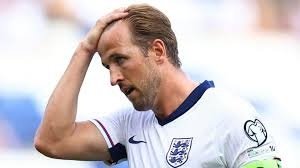 Former Lion Heskey Warns of Shortage of England Strikers
 Global markets drop amid tech sell-off and China slowdown
 Trump Deploys DHS to Charlotte in Major Arrest Operation
 Mum Calls for New Licence Rules After Teen Road Death
 Orban Says Ukraine Has ‘No Chance’ as EU Support Continues
 Mother Watches in Horror as Teen Daughter Dies on Tracks
 Israeli Strike Kills 13 Near Palestinian Camp in Lebanon
 ‘Traumatic Wait’: Northern Ireland Women Face Breast Cancer Delays
 Haiti Qualifies for World Cup Despite Coach Never Visiting Country
 Serial Rapist and Former Cop Found Guilty Again
 Pentagon Officials in Ukraine to Discuss War End
 Vietnam Battles Deadly Floods as Rains Continue
 Venezuela Threatens Nobel Winner Machado with Fugitive Status
 Coffins Now Too Large to Cremate Amid Rising Obesity Crisis
 Most Tories Expect to Support a Farage-Led Government
 Bill Murray Terrified Wes Anderson but Became His Closest Collaborator
 Labour MP claims devolution bill is ‘blatant discrimination’ against Cornwall
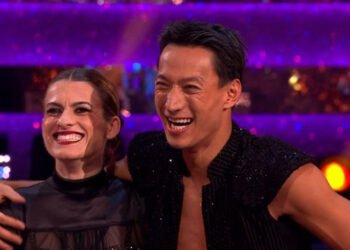 Karen Carney Stuns on Blackpool Week, Deserves Strictly Final
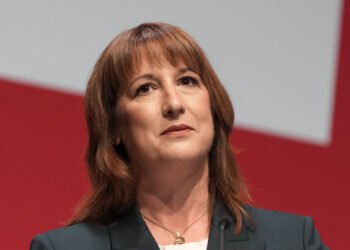 Millions Face Higher Taxes Under Reeves New Budget
 Two National Guard Soldiers Critically Injured Near White House
 Southern Lebanon reels as Israeli strikes shatter communities
 Sri Lanka Floods Leave 56 Dead, Dozens Missing
 Fibromyalgia Patients Struggle as NHS Fails to Provide Care
 Search underway for British man overboard off Tenerife
 Virgin Media Fined £23.8m Over Telecare Safety Failures
 Rising Water Bills Lift Troubled Thames Back to Profit