Published: 14 November 2025. The English Chronicle Desk. The English Chronicle Online
The quiet corridors of Westminster stirred before dawn, long before the first tourists gathered at the gates and before the city’s usual hum rolled across the Thames. Inside the House of Lords, officials had worked through the night, sifting, sorting and finalising an extraordinary volume of paperwork. By the time the morning light reached the Parliamentary Estate, an astonishing 942 amendments to the proposed assisted dying bill had been formally compiled. It was a number that immediately rippled through the political establishment, sending aides, reporters and members of the public scrambling to understand how such an enormous wave of proposals had emerged in so little time.
What was already one of the most watched pieces of legislation in recent years suddenly took on an even sharper edge. The Terminally Ill Adults (End of Life) Bill, which promises to give terminally ill patients with fewer than six months to live the right to seek an assisted death under strict safeguards, had already been debated intensely in the Commons and passed through its early stage in the House of Lords. But now, as the Lords prepared for its line-by-line committee scrutiny, the bill found itself engulfed by the highest known number of proposed changes ever submitted to a private member’s bill of this kind.
For supporters of the legislation, the scale of the amendments felt less like the product of careful refinement and more like an attempt to drown the bill beneath procedural weight. For opponents, the opposite was true: they argued that such a sensitive, permanent change to the law demanded extraordinary scrutiny and that every potential flaw had to be addressed before Parliament could responsibly consider allowing any form of assisted dying.

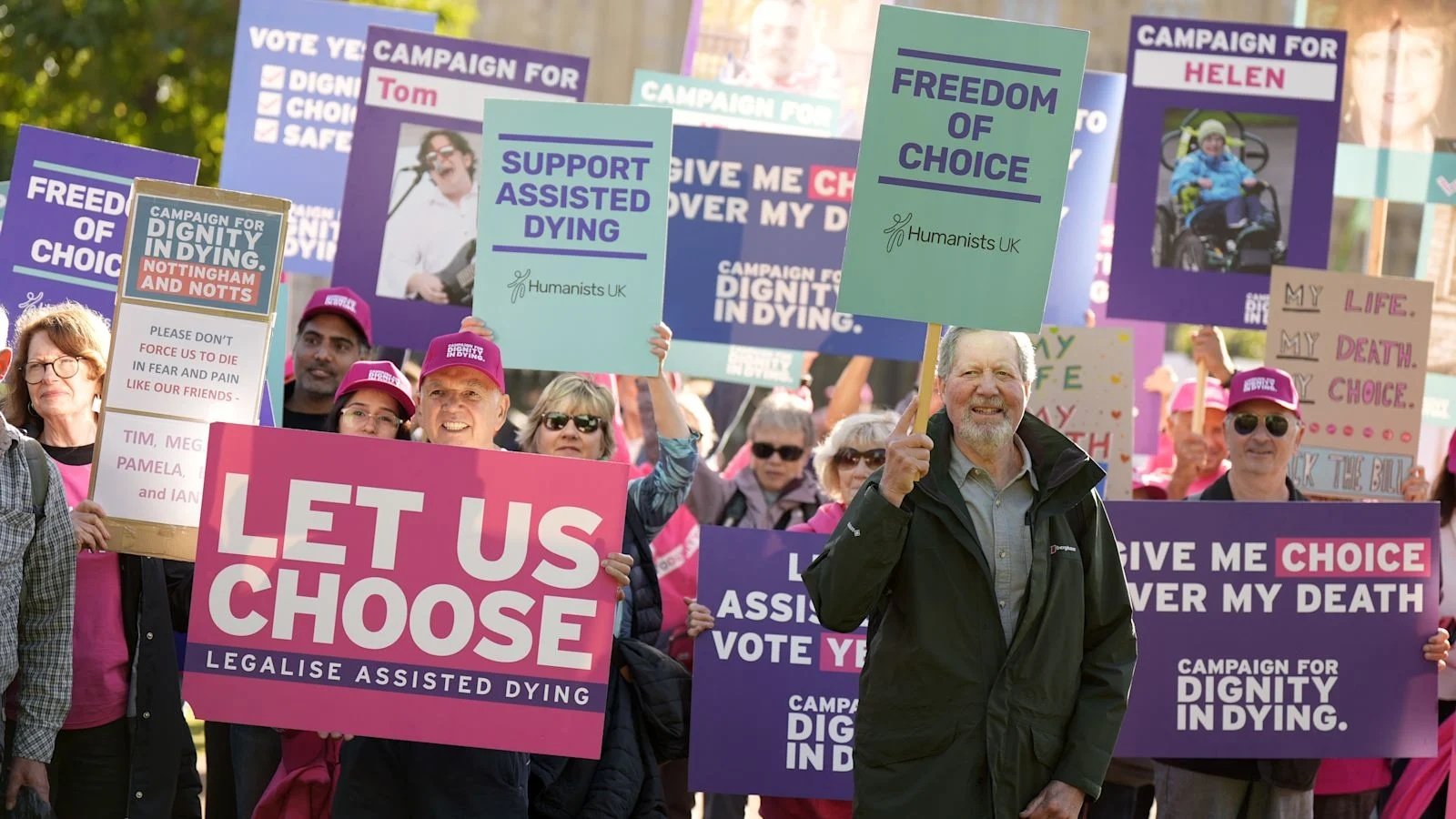
The controversy had been simmering for weeks, but the revelation of 942 amendments brought the tensions to a full boil. Among those watching closely were members of the public confronted daily with stories of loved ones suffering through painful, drawn-out deaths. Campaign groups on both sides had mobilised, holding vigils, issuing statements and flooding MPs and peers with personal testimonies. Medical organisations, religious representatives, legal experts and advocacy groups had added their voices to the mix, contributing to a debate stretching far beyond the walls of Westminster.
The origins of the delay could be traced back to Labour’s Baroness Luciana Berger, who introduced an amendment weeks earlier to allow a select committee to conduct deeper scrutiny of the bill before the committee stage began in full. That decision paused the progress of the legislation and created a window through which peers—especially those wary of or firmly opposed to assisted dying—began submitting amendment after amendment. When the deadline arrived late Wednesday night, officials were overwhelmed with the sheer quantity that had poured in, reportedly working into the small hours of Thursday morning to organise the unprecedented volume.
By Thursday afternoon, seven peers opposed to the bill were identified as contributing a combined 579 amendments. While there were additional proposals from others, those seven members alone represented more than half of the total changes submitted. They insisted that the bill in its current form was riddled with loopholes, insufficient protections and vague criteria that placed vulnerable people at risk. They argued that rushing legislation on such a profound moral and ethical matter would be irresponsible and potentially dangerous.
One of the most vocal among them, Baroness Berger, defended the avalanche of amendments in interviews, stating that evidence presented to the select committee had raised serious concerns about the bill’s safety, practicality and potential for misuse. According to her, the proposed law was “full of holes which vulnerable people will fall through and be harmed if peers don’t act to change and amend it”. She maintained that the amendments were not procedural obstruction but necessary correction.

However, to many supportive peers, the timing and the coordination of the amendments seemed too deliberate to dismiss. Within hours of the full list being published, 65 peers who support assisted dying signed and circulated a letter addressed to their fellow Lords. The tone was measured but firm. The letter expressed deep concern that the exceptional number of amendments risked derailing the democratic process and undermining the will of the elected House of Commons, which approved the bill in June after weeks of debate. The letter also highlighted public polling showing strong nationwide support for assisted dying under strict medical safeguards.
Among the signatories were notable figures including Baroness Rafferty, former president of the Royal College of Nursing; Lord Winston, the renowned scientist and broadcaster; former Labour leader Lord Kinnock; and Lord O’Donnell, the former head of the civil service. Their message was clear: peers must focus on genuine improvements to the bill rather than tactics that could frustrate or delay progress indefinitely. The bill, they said, had already undergone “unprecedented scrutiny” and now required a fair, timely and constructive committee process to refine it rather than smother it.
But opponents pushed back strongly. A source close to the group of peers raising concerns accused supporters of ignoring evidence presented by medical royal colleges and statutory bodies. They argued that the letter from the 65 supportive peers made claims directly contradicted by recent expert testimony. Crafting good legislation, they said, must be grounded in solid evidence and not driven by emotional advocacy or time pressure. To them, the number of amendments was not only justified but necessary to ensure any law passed would operate safely, consistently and ethically.
The bill remains a conscience issue, meaning party whips will not direct members on how to vote. In practice, this makes the outcome even harder to predict and turns the scrutiny stages into an unusually intense battleground. Each peer enters the debate not as a representative of party lines but as an individual charged with weighing moral, medical, legal and societal implications. As a result, both sides have been lobbying intensively, appealing to personal experience, expert testimony and evolving public opinion.
What makes the moment especially significant is that this bill represents the closest the UK has ever come to legalising assisted dying. Numerous attempts have been made over the past two decades, but none advanced as far as the current legislation. If the House of Lords and the House of Commons both agree to the final drafting before the current parliamentary session ends in spring 2026, assisted dying would become lawful in England and Wales for the first time.

Under the proposed system, terminally ill adults with fewer than six months to live could apply for an assisted death, but only after meeting rigorous criteria. The process would require approval from two independent doctors, as well as a multidisciplinary panel including a social worker, a psychiatrist and a senior legal representative. Supporters argue that these safeguards are among the most stringent anywhere in the world, while opponents warn that no system can be fully protected from coercion, misjudgment or abuse.
If the bill passes into law, the government would have up to four years to develop a regulated assisted dying service, meaning the first legal assisted deaths would not occur until around 2029 or 2030. This long implementation period is designed to ensure health services, legal frameworks and monitoring bodies can be properly established.
As Friday’s committee stage approaches, the political atmosphere remains electric. Campaigners for assisted dying say they are cautiously hopeful, pointing to shifting public attitudes that increasingly favour allowing terminally ill people the option of a dignified, medically supervised death. Critics, however, insist that public opinion must not overshadow the potential risks and unintended consequences of changing the law.
What is clear is that the debate surrounding the assisted dying bill has reached a pivotal and historic moment. Whether the 942 amendments represent legitimate scrutiny or procedural resistance will continue to be fiercely contested. But with the clock ticking and the parliamentary session moving steadily towards its end, the House of Lords now holds in its hands one of the most consequential moral decisions of the generation.
People across the UK will be watching closely as the debate unfolds, aware that the outcome could reshape the landscape of end-of-life care, human autonomy and medical ethics for decades to come. The struggle between procedural scrutiny and parliamentary momentum is now fully underway, and the nation waits to see which direction the Lords will ultimately choose.
Related News:
 Tories Push to Dilute Labour’s Workers’ Rights Bill
 It’s time to come clean on the China spy case
 Rachel Reeves Admits Renting Home Without Required Licence
 Experts Question HMRC Over Possible Child Benefit Privacy Breach
 Phillipson urges careful review of gender recognition guidance
 French Taxi Driver Cleared in David Lammy Theft Case After Fare Dispute
 Met Police Culture Makes Racial Harm ‘Inevitable’
 Remaining rebel Labour MPs have whip restored
 Tim Davie resigns as BBC director general amid bias claims
 Palace to reinstate hyphen in Andrew’s surname
 BBC Apologises to Trump but Rejects $1bn Compensation Claim
 Major Rent Reform Ends No-Fault Evictions in England
 Your Party Turmoil Deepens Over Withheld Donations
 UK Unveils Fast-Track Deportation and Asylum Overhaul
 UK Asylum Overhaul Sparks Debate Over Human Rights and Deportations
 UK Asylum Reforms: Temporary Refugee Status and Faster Deportations
 Mahmood Defends Tough Overhaul of UK Asylum System
 Scottish Ministers Express Alarm Over UK Asylum Reforms
 Westminster Advances Legacy Bill Amid Criticism
 Minister Defends Tough New Asylum Reform Plan
 UK Net Migration Falls Sharply After ONS Revisions
 Peers Get Extra Time to Debate Assisted Dying Bill
 Tasers Introduced in UK Prisons to Combat Rising Violence and Protect Staff
 Police Advised to Disclose Ethnicity of Suspects in High-Profile Cases
 Angela Rayner Faces Scrutiny as Stamp Duty Row Deepens
 Tanni Grey-Thompson Faces Abuse Over Opposition to Assisted Dying Bill
 Corbyn and Sultana Clash Over Membership Portal as Divisions Surface in New Leftwing Party
 Mahmood Pledges Reform of Modern Slavery Laws After Court Blocks Deportation Appeal
 Migrants in UK May Need to Contribute or Face Removal, Home Secretary Signals
 Jailed Georgian Opposition Leaders Warn UK of Iranian Links to Ruling Party
 Digital ID Plans Ignite Debate Over £600m Treasury Tax Boost and Privacy Concerns
 British Woman in Iran ‘Losing Hope’ Amid Ongoing Detention
 Johnson Approved China’s London ‘Super-Embassy’ in 2018
 BBC Journalist Held and Interrogated in Vietnam
 Green Party Surges Past Labour in Latest UK Poll
 Celebrities and Charities Demand UK Government Act on Child Poverty
 Afghan man charged with murder after west London knife attack
 Trump’s UK Ambassador Urges North Sea Drilling to Strengthen US Ties
 FBI Director Kash Patel Defends Girlfriend Amid Government Jet Claims
 Just Stop Oil Protesters Convicted Amid Climate Defence Row
MPs Press Rachel Reeves to Hike Gambling Taxes
Just Stop Oil Protesters Convicted Amid Climate Defence Row
MPs Press Rachel Reeves to Hike Gambling Taxes
 Newcastle United Lifts Ban on Fan Over Gender-Critical Views
Boris Johnson accused of undermining BBC leadership
Newcastle United Lifts Ban on Fan Over Gender-Critical Views
Boris Johnson accused of undermining BBC leadership
 King Charles to Lead Nation in Remembrance Sunday Service
 ‘Reckless’ cuts to victims’ services will cost more than they save
 Government urges schools to ban phones to curb classroom disruption
 Millionaires group urge Reeves to introduce wealth tax to ‘lift kids out of poverty’
 Starmer Faces Growing Dissent as Labour MPs Weigh Leadership Challenge
 Reeves rejects £1bn plea for NHS redundancy payouts
 Farage appointee to lead Reform youth accused of anti-British views
 Politics latest: Starmer ‘will fight any leadership coup’ as Streeting denies attempt to oust Labour PM
 Pop Stars Call on UK Government to Cap Resale Prices for Fans
 PM Condemns Leaks, Vows Loyalty to Ministers and Stability
 England’s Special Needs Support Faces Breaking Point
 US Justice Department Files Lawsuit Against California Over Partisan Voting Maps
 MoD warned over Excel risks before Afghan data breach
 Trump Deploys DHS to Charlotte in Major Arrest Operation
 UK Candidate Moved to Safe House After Election Threats
 Paralegal Fired After Exposé on Illegal Worker Scam
 South African Detained After Neo-Nazi Rally in Australia
 UK Warns China After MI5 Issues Espionage Alert
 Federal Court Blocks Texas Republican Maps Over Racial Bias
 Only One Republican Opposes Mass Release of Epstein Files
 UK Vulnerable to Attack, Defence Committee Finds
 Labour Faces Historic Decline in Wales
 Rama Rebukes Mahmood for Targeting Albanian Families
 Russian Vessel Used Lasers on RAF Pilots, UK Claims
 Serial Rapist and Former Cop Found Guilty Again
 PM Highlights UK Business at G20 in South Africa
 Kate Forbes: Motherhood Harder Than Politics
 Welsh Government Christmas 2020 Lockdown Criticised
Reeves to Crack Down on Benefit Fraud While Lifting Two-Child Limit
Welsh Government Christmas 2020 Lockdown Criticised
Reeves to Crack Down on Benefit Fraud While Lifting Two-Child Limit
 Most Tories Expect to Support a Farage-Led Government
 Labour MP claims devolution bill is ‘blatant discrimination’ against Cornwall
 Millions Face Higher Taxes Under Reeves New Budget
 Planned Palestinian Flag Raising at Belfast City Hall Faces Delay Amid Legal Concerns
 Government righting decades-old injustice for miners
 Virgin Media Fined £23.8m Over Telecare Safety Failures
 Chinese & Japanese Boats Clash Near Disputed Islands
 UK delays ruling on China embassy plan until January