Published: 14 November 2025. The English Chronicle Desk. The English Chronicle Online
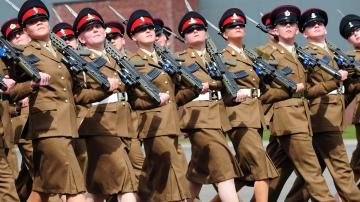
A recent survey has revealed that two-thirds of women serving full-time in the United Kingdom’s armed forces have experienced sexualised behaviour over the past year, highlighting a deeply troubling and persistent issue within the military. The findings, published by the Ministry of Defence (MoD), show that women are twice as likely as men to face inappropriate comments, harassment, leering, or unwanted physical contact, underscoring the urgent need for cultural and structural change within the armed forces.
The survey, which encompassed more than 90,000 military personnel—including full-time regulars and part-time reservists—provides a sobering insight into the everyday experiences of women in a predominantly male environment. Sixty-seven percent of female full-time personnel reported encountering some form of sexualised behaviour, ranging from offensive jokes and comments about appearance to more serious incidents involving unwanted touching or groping. Among male regulars, the figure was 34 percent, highlighting a significant gender disparity.
Of the women who reported incidents, a staggering 93 percent considered the behaviour to amount to sexual harassment. Some 42 percent said they had been stared at or leered at in ways that made them uncomfortable, and approximately a third reported being touched inappropriately. The behaviour was most frequently observed in open workplace settings, such as military bases or training units, suggesting that structural and cultural dynamics in these environments may exacerbate the problem.
The MoD, which commissioned the survey, described the findings as “wholly unacceptable” and reaffirmed its commitment to addressing the issue through education, prevention programmes, and cultural reform. Initiatives now underway include training recruits on consent, misogyny, and the influence of harmful online content, alongside stricter reporting and accountability mechanisms to ensure that incidents are addressed promptly and effectively.

Minister for Veterans and People, Louise Sandher-Jones, emphasised the importance of confronting the root causes of sexual harassment in the armed forces. “This survey provides a no-holds-barred baseline,” she said, “allowing us to fully confront and address the issues that women face in our Armed Forces. New standards in transparency and accountability are being set, and we are determined to ensure that inappropriate behaviour is not tolerated at any level.”
The report follows several high-profile cases that have shone a light on harassment in the military. In 2021, 19-year-old gunner Jaysley Beck tragically took her own life after being sexually harassed and assaulted by Warrant Officer Michael Webber, 43, who pinned her down and attempted to kiss her. He was subsequently jailed for sexual assault last month, a case that remains a stark reminder of the human cost of systemic failures in addressing harassment and abuse.
This survey comes one year after a separate Royal Navy investigation revealed that women in the Submarine Service had been subjected to misogyny, bullying, and other forms of unacceptable behaviour. While the report concluded that such behaviour existed among all ranks, it stressed that it was “not pervasive” across the service. Nevertheless, the findings reinforced concerns about the need for consistent cultural change and comprehensive preventative measures across all branches of the military.
Experts and advocacy groups have pointed out that women make up roughly 12 percent of the UK armed forces, meaning they often operate in male-dominated environments where reporting harassment can be intimidating or fraught with career implications. Many female service members have described facing subtle pressures, such as being excluded from social or operational networks, alongside more overt incidents of harassment. These factors combine to create a climate where sexualised behaviour can persist, often going unreported or inadequately addressed.
The Ministry of Defence’s survey also highlighted the spectrum of harassment that women experience, from verbal comments to physical misconduct. Some women reported encountering inappropriate jokes, offensive images, or commentary about their bodies, while others described being leered at or touched in ways that violated their personal space. While some incidents may be dismissed as minor or trivial by perpetrators, the cumulative effect has a profound impact on morale, mental health, and career progression.
In response to the survey, the MoD has emphasised the importance of fostering a culture of respect, inclusion, and accountability. This includes implementing clearer reporting channels, providing support services for victims, and promoting awareness at all levels of command. In addition, targeted training programmes are being rolled out to educate recruits and personnel about the importance of consent, recognising inappropriate behaviour, and understanding the consequences of misconduct.

Analysts note that while the survey represents a significant step in quantifying the problem, sustained effort and oversight will be necessary to effect meaningful change. Experts warn that cultural transformation in hierarchical institutions like the armed forces is often slow, requiring continuous reinforcement of standards, robust enforcement, and strong leadership commitment.
For those serving, the survey’s findings may serve as both validation and a call to action. For too long, many women in the military have faced challenges that extend beyond the battlefield, confronting discrimination, harassment, and the emotional toll of operating in unsafe or unsupportive environments. By documenting these experiences, the MoD has provided a foundation for targeted interventions and reforms aimed at creating a safer, more equitable workplace for all service members.
In conclusion, the Ministry of Defence survey underscores the stark reality that sexualised behaviour remains a pervasive challenge for women in the UK armed forces. With two-thirds of full-time female personnel affected, and nearly all recognising such behaviour as harassment, the findings illuminate the urgent need for structural, cultural, and educational reforms. The armed forces have committed to confronting the issue head-on, setting higher standards for transparency, accountability, and preventative action. While the road to change may be long, the survey represents a crucial step in ensuring that service members can operate in an environment defined by respect, equality, and safety.
The report also serves as a reminder of the broader societal responsibility to support those who serve, ensuring that the armed forces reflect the values of the country they defend. For many, this means recognising the prevalence of harassment, holding perpetrators accountable, and empowering victims to speak out without fear of retaliation. As the MoD moves forward with its prevention programme, the hope is that future surveys will show meaningful reductions in incidents and a culture that truly values the safety and dignity of all personnel.
Related News:
 Derby Bounce Centre to Close Amid Car Park Dispute
 Hospice Cuts Raise Alarm Across England Amid Funding Crisis
 Shouting Works Best to Deter Gulls, UK Study Finds
 PM Condemns Leaks, Vows Loyalty to Ministers and Stability
 Son Reveals UK Couple in Iran Resort to Hunger Strike for Help
 UK Asylum Reforms: Temporary Refugee Status and Faster Deportations
 Five Young People Killed in Tragic Dundalk Road Crash
 Mother Watches in Horror as Teen Daughter Dies on Tracks
 Van Dwellers Face Eviction After Park Misuse Sparks Outcry
 Commuters warned as yellow snow and ice alert hits Northern Ireland
 Court to Hear Challenge to Wimbledon Expansion Plan
 TikTok Star Jessie Yendle Mocked by KFC
 UK Energy Bills to Rise Slightly in January
 Rookie Driver Hollie McRae Flips Car but Walks Away Safe
 Planned Palestinian Flag Raising at Belfast City Hall Faces Delay Amid Legal Concerns
 Sudanese Family Vows to Stay After Racist Graffiti
 Five-Year-Old Dies After Rare Tonsil Surgery Complication
 Machynlleth High Street Left Without Christmas Lights
 Second homes curbs quashed in Gwynedd legal ruling
 Search underway for British man overboard off Tenerife
 More Patients Now Contacting GPs Online, Data Shows
 “Social Housing Crisis in England: Tenant Complaints Soar Amid Dangerous Living Conditions”
 Women Challenge Meta Over Targeted Ads After Miscarriage
 Lotto result jackpot draw halted due to technical glitch
 Prince Andrew May Leave Royal Lodge for Frogmore Cottage
 Man Trapped in Quicksand Rescued in Dramatic Coastal Rescue
 Army Barracks to House Migrants as Hotels Phase Out
 Peterborough Mosques Tighten Security After Attack
 Prunella Scales: From Fawlty Towers Icon to Beloved Canal Explorer
 UK Woman Loses Child Benefit After Booking Flight She Never Took
 UK launches search for first-ever ‘town of culture’ to highlight overlooked areas
 Dyche Criticises Corner Decision as Forest Draw with United
 Children to Learn Local History in Major Curriculum Overhaul
 Hollywood Is an Industry of Looney Tunes Pretending to Be Normal
 Experts Warn on Home Birth Risks, Call for Skilled Midwives
 Court Hears Challenge Over Water Bills Funding Sewage Fixes
 The Lowry Hotel: Manchester’s Iconic Five-Star Retreat
 Prince William Plants Trees with Brazil’s Nature Heroes
 Greta Thunberg Backs Student Facing UK Visa Revocation
 Kent village told to remove flags before Christmas lights go up
 Oprah enjoys Meghan’s jam on English muffins
 Newcastle United Lifts Ban on Fan Over Gender-Critical Views
 Jailed UK climate protesters face extremist-style restrictions
 Boris Johnson accused of undermining BBC leadership
 How to get help when a child goes missing – call 999 urgently
 ‘Reckless’ cuts to victims’ services will cost more than they save
 From Lego to Pokémon: How Adults Are Driving UK Toy Market Growth
 Seven Conditions That Automatically Qualify You for a Free Bus Pass
 Mary Earps’s Manchester United Return Faces Mixed Reception
 Sam Kerr Stars in Chelsea Return with Champions League Double
 This kid is something else: Alex Scott’s rise to England call-up
 Reeves rejects £1bn plea for NHS redundancy payouts
 UK toy market enjoys bumper year as ‘kidults’ fuel demand
 Politics latest: Starmer ‘will fight any leadership coup’ as Streeting denies attempt to oust Labour PM
 Leading doctors issue warning amid ‘bad’ flu season
 Former Lion Heskey Warns of Shortage of England Strikers
 UK Asylum Overhaul Sparks Debate Over Human Rights and Deportations
 Mum Calls for New Licence Rules After Teen Road Death
 Seven Countries, One Winner: Europe’s Best Christmas Market
 ‘Traumatic Wait’: Northern Ireland Women Face Breast Cancer Delays
 UK Vulnerable to Attack, Defence Committee Finds
 Rama Rebukes Mahmood for Targeting Albanian Families
 Russian Vessel Used Lasers on RAF Pilots, UK Claims
 Serial Rapist and Former Cop Found Guilty Again
 Woman Meets Boy Whose Life She Saved with Kidney
 Raccoons Could Become America’s Next Pet
 Australia to Ban Social Media for Kids Under-16 Starting December
 Kate Forbes: Motherhood Harder Than Politics
 Coffins Now Too Large to Cremate Amid Rising Obesity Crisis
 Reeves to Crack Down on Benefit Fraud While Lifting Two-Child Limit
 Labour MP claims devolution bill is ‘blatant discrimination’ against Cornwall
 Vicki Fears Losing Motability Car
 Millions Face Higher Taxes Under Reeves New Budget
 Peers Get Extra Time to Debate Assisted Dying Bill
 Fibromyalgia Patients Struggle as NHS Fails to Provide Care
 Scotland Gains 33 New Towns – Life in Growing Communities
 Government righting decades-old injustice for miners
 Virgin Media Fined £23.8m Over Telecare Safety Failures
 Hong Kong Orders Probe Into Deadly 151-Death Fire
 Pavarotti statue frozen in Italian ice rink sparks backlash