Published: 19 November 2025 Wednesday . The English Chronicle Desk. The English Chronicle Online
Superstar footballer Cristiano Ronaldo attended a high-profile White House black-tie dinner on Tuesday night, joining US President Donald Trump, Saudi Crown Prince Mohammad bin Salman, and a host of global business and political figures. The event marked one of Ronaldo’s first known visits to the United States since 2016 and highlighted the intersection of sports, diplomacy, and international business.
Speaking ahead of the dinner, President Trump described it as an “honour” to host Ronaldo, whose transfer to the Saudi Pro League and starring role with Al Nassr has made him a prominent figure in Saudi Arabia’s ongoing modernisation campaign. The US president praised the Portuguese forward not only for his sporting achievements but also for his growing international influence, especially in the Middle East.
Saudi Crown Prince Mohammad bin Salman has long championed the country’s ambitious efforts to diversify away from oil dependency, emphasising tourism, entertainment, and sports as critical pillars of the Vision 2030 plan. Ronaldo’s move to Al Nassr in early 2023 has been seen as a symbolic milestone in these efforts, helping to globalise the Saudi Pro League and attract international attention.
A White House official confirmed Ronaldo’s attendance earlier in the day, although it remained unclear whether he was considered part of the crown prince’s official delegation. Regardless, the presence of the football star alongside one of the world’s most powerful royals demonstrated the increasingly blurred lines between sport, culture, and international diplomacy.

At the dinner, Trump used his remarks to underscore the importance of strengthening ties between the United States and Saudi Arabia, calling the kingdom a “major non-NATO ally” and highlighting shared interests in regional stability and economic development. Turning to Ronaldo, he said, “My son is a big fan of Ronaldo. And Baron got to meet him, and I think he respects his father a little bit more now, just the fact that I introduced you.” The remarks drew laughter and applause from the gathered guests, reflecting Ronaldo’s enduring appeal beyond the football pitch.
In attendance at the White House were also some of the world’s most influential business leaders. Tech billionaire Elon Musk joined the dinner alongside Apple CEO Tim Cook and other luminaries, marking Musk’s first visit to the White House since stepping down as head of the Trump administration’s Department for Government Efficiency (Doge) in April. The reunion comes after a period of public friction between Musk and Trump, which included Musk announcing plans to create a new political party and the pair trading barbed remarks on social media and in the press.
Ronaldo’s presence at the White House, meanwhile, was emblematic of his growing stature as both an athlete and a global ambassador for Saudi football. Since joining Al Nassr, Ronaldo has become the face of the league, helping elevate its profile and attracting international attention to Saudi Arabia’s sports initiatives. His transfer reportedly involved one of the highest-paying contracts in football history, a reflection of his continued marketability and influence.
The Portuguese forward’s visit also brings renewed attention to past controversies. Ronaldo has faced an allegation of sexual assault from Kathryn Mayorga, who claimed the footballer raped her in a Las Vegas hotel room in 2009. Ronaldo has consistently denied the accusations. In a statement issued in 2018, he said, “I firmly deny the accusations being issued against me. Rape is an abominable crime that goes against everything that I am and believe in.” In 2019, US prosecutors declined to file charges, citing insufficient evidence to proceed.

Despite the shadow of past allegations, Ronaldo’s footballing achievements and global persona remain undeniable. His five Ballon d’Or awards, record-breaking goal-scoring feats for clubs and country, and his recent role in transforming the Saudi Pro League into a global spectacle have positioned him as one of the most influential athletes of his generation. His White House visit further solidifies his status as a figure capable of bridging sports, politics, and international relations.
Observers noted that Ronaldo’s attendance was particularly significant given the timing of his career. Having moved away from European football’s traditional powerhouses, he has embraced a new challenge in Saudi Arabia, helping to raise the domestic league’s profile while simultaneously contributing to the crown prince’s broader cultural and economic initiatives. His presence alongside political leaders at a diplomatic event reflects a new era in which sports figures wield influence beyond stadiums and into the corridors of power.
Trump’s remarks during the dinner also highlighted the cultural significance of Ronaldo’s global appeal. By acknowledging his family’s admiration for the footballer, the president underscored the way elite athletes transcend sport to become cultural icons. Similarly, the crown prince’s decision to host Ronaldo at such a high-level diplomatic gathering signals the importance of sports in Saudi Arabia’s soft power strategy.
The White House dinner brought together a mix of political, business, and cultural figures, offering an unusual opportunity for cross-sector dialogue. Alongside discussions of regional security, trade, and investment, the gathering showcased how international sports figures can act as symbols of diplomacy, economic ambition, and cultural exchange. Ronaldo’s role in this dynamic illustrates how modern athletes increasingly occupy spaces once reserved for statesmen and business leaders.
Ronaldo’s visit also coincides with heightened scrutiny of Saudi Arabia’s international image. Critics have long questioned the country’s human rights record, and events like these are seen as part of the crown prince’s broader effort to rebrand Saudi Arabia as a modern, forward-looking nation. By aligning with globally recognised stars such as Ronaldo, the kingdom aims to enhance its global reputation while attracting foreign investment and tourism.

For Ronaldo himself, the White House dinner was not only a moment of personal prestige but also an acknowledgment of his ongoing influence in shaping global perceptions of football. As one of the most recognisable athletes in the world, his capacity to draw attention, spark conversation, and act as a bridge between cultures remains unparalleled.
The dinner concluded with formal introductions, speeches, and opportunities for informal conversation among attendees. While Ronaldo’s precise role in policy discussions remains ceremonial, his presence symbolises the growing intersection of sports, diplomacy, and global business—a trend that has become increasingly prominent in the 21st century.
Looking forward, Ronaldo is expected to continue his high-profile role in the Saudi Pro League, leveraging his global star power to boost the league’s profile and attract international attention. His participation in such diplomatic events underscores the way modern footballers can influence cultural perception, contribute to international initiatives, and serve as ambassadors for national and corporate interests alike.
In conclusion, Cristiano Ronaldo’s attendance at the White House black-tie dinner alongside Saudi Crown Prince Mohammad bin Salman was a historic moment, blending the worlds of sport, politics, and diplomacy. The event highlighted the evolving role of athletes as global influencers while reflecting Saudi Arabia’s ambitious cultural and economic strategies. For Ronaldo, it was a moment that transcended football, placing him firmly at the intersection of international relations, business, and soft power.
Related News:
 Cardiff Nights Could Propel Wales to World Cup Glory
 Haiti Qualifies for World Cup Despite Coach Never Visiting Country
 Scotland Fans Celebrate Historic World Cup Qualification
 India, Pakistan to Clash in T20 World Cup 2026 Group Match
 Mbappe Scores 4 as Real Madrid Edge Olympiakos
 Man City Lose, Champions League Risk
 Manchester City Announce Their Return in Style with Haaland Double and Debut Goals at Wolves
 Man City 2-0 Napoli: Haaland Reaches 50 Champions League Goals After Red Card Turns Tide
 Bournemouth Stun Fulham with Dramatic Comeback in Premier League Thriller
 Chaos at Ibrox as Martin’s Rangers Era Comes to an End
 Arsenal Showcase Depth and Flexibility as Arteta Eyes Title Challenge
 Barnes Inspires Newcastle to Champions League Triumph Over Benfica
City shine with PlayStation-style football to overwhelm Villarreal
Barnes Inspires Newcastle to Champions League Triumph Over Benfica
City shine with PlayStation-style football to overwhelm Villarreal
 Fabio Wardley stuns Joseph Parker to earn Usyk title shot
 US Super-Rich Are Draining Planet’s Safe Climate Space
 UK Charters Emergency Flights to Evacuate Britons from Jamaica
 Dyche Criticises Corner Decision as Forest Draw with United
 Caicedo Shines as Chelsea Edge Spurs in Chaotic Derby
 Mikie Sherrill Elected New Jersey’s Governor in Key Win
 Tension and Turmoil at Aston Villa v Maccabi Match
 Lando Norris Dominates Brazil GP to Strengthen F1 Title Bid
 Britain deploys RAF specialists to assist Belgium with drone threats
 US Senate Passes Funding Bill to End Historic Shutdown
 BBC’s Tim Davie to Address Staff Amid Trump $1bn Threat
 Thailand Suspends Cambodia Border Peace Deal Amid Tensions
 Six Dead as Super Typhoon Fung-wong Hits the Philippines
 Ronaldo Confirms Final World Cup and Plans Retirement
 Mary Earps’s Manchester United Return Faces Mixed Reception
 Sam Kerr Stars in Chelsea Return with Champions League Double
 This kid is something else: Alex Scott’s rise to England call-up
 Fog Aids Russian Forces in Deep Push into Pokrovsk
 Hitler’s DNA Confirms He Truly Had Only One Testicle
 England Maintain Perfect World Cup Qualifying Record with Win Over Serbia
 US Justice Department Files Lawsuit Against California Over Partisan Voting Maps
 Switzerland Rolls Out Charm Offensive to Cut Trump’s 39% Tariffs
 Saka Solidifies Role as Tuchel’s Key England Lieutenant
 Former Lion Heskey Warns of Shortage of England Strikers
 Israel Confirms Returned Hostage as Meny Godard
 December Run-Off in Chile as Election Produces No Winner
 Zelenskyy Signs Fighter Jet Deal Amid Russian Drone Attacks
 Orban Says Ukraine Has ‘No Chance’ as EU Support Continues
 Irish Hero Parrott Says Goal Brought First Tears in Years
 Scotland Fans Reflect on France ’98 as World Cup Looms
 Nigeria Misses World Cup Again After Play-Off Loss
 Germany and Netherlands Confirm Places in 2026 World Cup
 Israeli Strike Kills 13 Near Palestinian Camp in Lebanon
 Zelensky Meets US Envoy in Turkey to Push Ukraine Peace Talks
 Congress Approves Release of Epstein Files, Trump Expected to Sign
 Spain Qualify for 2026 World Cup After Dramatic Draw
 Rama Rebukes Mahmood for Targeting Albanian Families
 Russian Vessel Used Lasers on RAF Pilots, UK Claims
 Pentagon Officials in Ukraine to Discuss War End
 Major League Baseball Scores New Broadcast Deals Through 2028
 Vietnam Battles Deadly Floods as Rains Continue
 UPS Plane Engine Detaches Before Deadly Crash
 WhatsApp Messages Expose Nathan Gill’s Bribery
 Venezuela Threatens Nobel Winner Machado with Fugitive Status
 At Least Three Dead in Bangladesh Earthquake
 Barcelona Returns to Camp Nou vs Athletic Bilbao
 Texas Governor Faces Lawsuit From CAIR
 Israel Confirms Hamas Returned Dror Or’s Body
 Trump Envoy to Discuss Ukraine Peace at Kremlin
 Twenty-Four Nigerian Schoolgirls Freed After Abduction
 Chelsea Dominates Barcelona with 3-0 Champions League Win
 Kids Football Coach Removed Over Suspected ‘Drugs Menu’
 Two National Guard Soldiers Critically Injured Near White House
 Pope Leo XIV Begins Historic Trip to Turkey and Lebanon
 Israel Expands Gaza Strikes Beyond Ceasefire Line
 Sri Lanka Floods Leave 56 Dead, Dozens Missing
 India’s Labour Law Overhaul Sparks Fierce Debate
 Video shows Israeli troops kill Palestinians after surrender
 Trump to Recheck Green Cards from 19 Nations After DC Attack
 Chinese & Japanese Boats Clash Near Disputed Islands
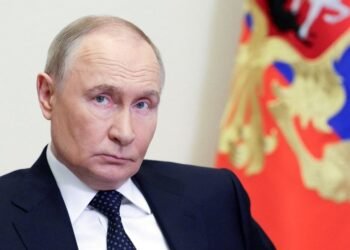 Putin Meets US Envoy Amid Key Ukraine Peace Talks
 UK Criticises Gaza Aid Delays as Tents Arrive After Year
 Barcelona, Atletico set for decisive La Liga showdown
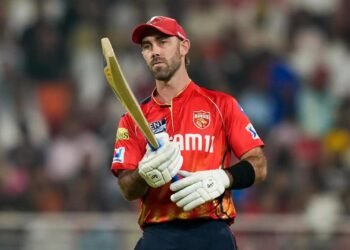 Maxwell withdraws from IPL 2026 after 13 seasons
 Barcelona Come From Behind to Beat Atletico 3-1
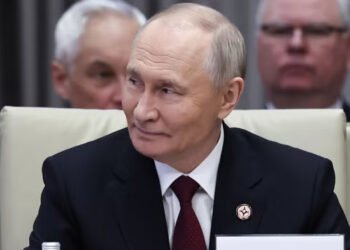 Kremlin Talks With US Yield No Ukraine Peace Breakthrough
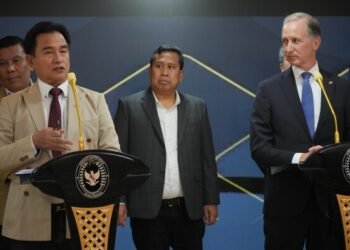 Indonesia to Repatriate Two Dutch Drug Convicts