Published: 19 November 2025 Wednesday . The English Chronicle Desk. The English Chronicle Online
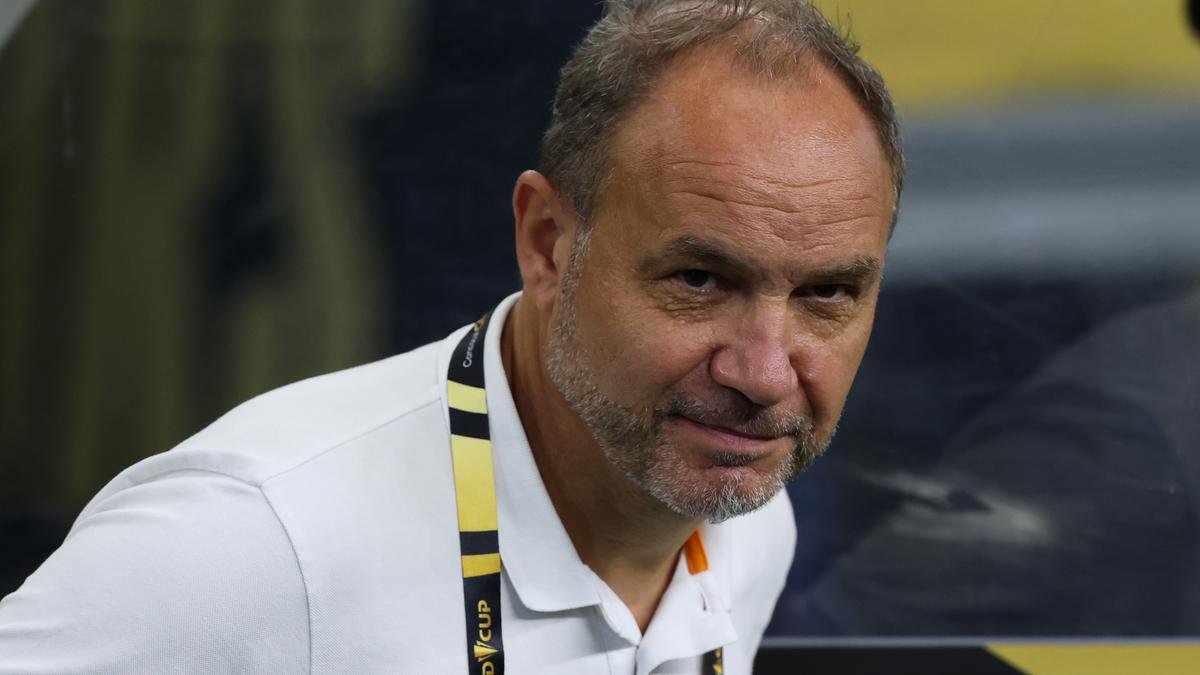
Haiti have secured a historic place at the World Cup after beating Nicaragua 2-0, marking only their second appearance at football’s premier tournament. Remarkably, this achievement comes despite their 52-year-old French coach, Sebastien Migne, having never set foot in Haiti since taking charge of the national team 18 months ago.
The Caribbean nation’s journey to the World Cup has been fraught with extraordinary challenges, reflecting both the political turmoil and social instability that have plagued the country for over a decade. Since the catastrophic earthquake of 2010, Haiti has faced repeated crises, including devastating hurricanes, widespread poverty, and the rise of armed gangs controlling much of the capital, Port-au-Prince. These circumstances have forced the national football team to play their “home” matches on foreign soil, with their qualifying campaign taking place 500 miles away in the Dutch Caribbean island of Curacao.
“The situation in Haiti is still too dangerous,” Migne told France Football magazine. “It’s impossible for me to live there because there are no secure international flights, and armed groups control large parts of the country. I usually reside in the nations where I coach, but Haiti is an exception. I had to manage the team remotely, relying entirely on information provided by the Haitian Football Federation.”
Despite these obstacles, Migne has successfully guided a squad composed entirely of foreign-based players, many of whom were born outside of Haiti but have Haitian heritage. Among the key contributors is Wolves midfielder Jean-Ricner Bellegarde, who was born in France, and Sunderland forward Wilson Isidor, who also qualifies through his parents. This reliance on the diaspora has been critical in building a team capable of competing on the international stage while the nation itself faces ongoing insecurity.
Haiti’s road to the 2026 World Cup, hosted jointly by the United States, Mexico, and Canada, has been a tale of resilience. The team’s 2-0 win over Nicaragua on Wednesday confirmed their status as one of the qualifiers from the CONCACAF region. Alongside them, Panama secured qualification by defeating El Salvador 3-0, and Curacao became the smallest nation ever to reach the tournament following a draw with Jamaica.

“This is an incredible moment for Haiti,” said a jubilant Haitian football federation official. “It shows the world that despite adversity, our players can achieve greatness. The fact that our coach has never even been here in person makes it all the more remarkable. It demonstrates the commitment and professionalism of our diaspora players, who have carried the hopes of millions across the globe.”
Haiti’s first appearance at a World Cup came in 1974 in West Germany, where they faced formidable opponents in their group stage, including Italy, Poland, and Argentina. Despite losing all three matches, the team earned lasting respect for their determination and the skill they displayed against footballing powerhouses. Now, over fifty years later, Haiti has returned to football’s biggest stage, carrying with them the dreams of a nation that has endured years of hardship.
The logistical challenges faced by the team have been significant. Because the country remains unsafe for international travel and public gatherings, the squad has been forced to train and host matches abroad. The team has lived and practiced in Curacao, far from the homes of many players and the support of local fans. Matches have been held in neutral stadiums, with Haitian supporters making arduous journeys to watch their national team in action. This has meant that the emotional connection between the players and the local community has largely been mediated through virtual communication and social media updates.
Despite these difficulties, Migne has adapted remarkably well to the constraints. Utilizing modern technology and maintaining constant communication with the Haitian Football Federation, he has been able to analyze player performance, develop tactics, and select line-ups with precision. “It’s not the ideal situation,” he admits, “but we’ve made it work. The players understand the stakes, and they have embraced the challenge with incredible professionalism. Football is a global game, and our team has embodied that truth.”
The Haitian players themselves have expressed pride and determination in overcoming adversity to achieve qualification. “It feels unbelievable,” said Jean-Ricner Bellegarde. “We have had to prepare far from home, away from our families, away from our country, and yet we have brought Haiti back to the World Cup. This is for the people at home, for the children who dream of playing football, and for everyone who believes in our nation.”
Haiti’s triumph also highlights the growing importance of diaspora communities in international football. With domestic infrastructure severely hampered by ongoing violence, poverty, and natural disasters, local talent alone cannot sustain a competitive national team. Haitian players abroad have become central figures in maintaining the country’s presence on the international stage. Their success challenges the notion that a team must train at home or even have direct access to its national stadium to achieve sporting excellence.
Political observers have also noted the broader symbolism of Haiti’s qualification. The country has been plagued by unrest, with armed gangs controlling large swathes of Port-au-Prince, civil authorities struggling to maintain order, and recurring humanitarian crises affecting millions. In this context, the national football team’s achievement offers a rare unifying moment of pride and hope. “Football has a unique power to bring people together,” said a Haitian sports analyst. “In a nation beset by conflict and hardship, this World Cup qualification is a beacon of joy and national pride.”

Looking ahead to the World Cup itself, Haiti will face a formidable challenge against seasoned footballing nations. However, the expanded 48-team format of the 2026 tournament increases the nation’s opportunity to compete and make an impact on the global stage. The team’s journey will be closely followed by both local supporters and the Haitian diaspora worldwide, many of whom have been following matches remotely due to travel restrictions.
The achievement has not gone unnoticed by the international football community. FIFA officials have praised Haiti’s resilience and ingenuity, highlighting how the team’s unique circumstances have not hindered its performance. The ability to qualify despite the coach never visiting the country is being described as unprecedented, illustrating how determination, talent, and careful management can overcome logistical and political obstacles.
For the Haitian public, the news has been a source of collective celebration and relief. In towns and cities across the Caribbean nation, fans have taken to the streets, waving flags and chanting in support of the national team. Social media has exploded with messages of congratulations and pride, with many emphasizing the symbolic importance of the qualification as a moment of unity and hope amidst ongoing social and economic challenges.
“This is a historic moment,” said a local football commentator. “Haiti has shown that even in the face of tremendous adversity, talent, perseverance, and determination can prevail. The World Cup stage will now allow the world to witness the spirit and resilience of Haitian football.”
As the team prepares for the World Cup next summer, the focus will shift to squad preparation, tactical planning, and logistical arrangements, including the integration of foreign-born players who have yet to join the squad. The coaching staff, led remotely by Sebastien Migne, will continue to rely on advanced technology and detailed scouting reports to ensure the team is ready to compete at the highest level.
In conclusion, Haiti’s qualification for the 2026 World Cup represents a remarkable story of resilience, determination, and ingenuity. Despite political turmoil, social unrest, and the inability of their coach to visit the country, the Haitian team has achieved one of the most extraordinary feats in modern football history. Their journey underscores the power of sport to unite, inspire, and overcome seemingly insurmountable obstacles, providing hope to a nation that has endured more than its fair share of hardship. Haiti now looks forward to taking its place on football’s global stage, carrying the dreams and aspirations of millions, and demonstrating that no challenge is too great for those with talent, determination, and belief.
Related News:
 Cardiff Nights Could Propel Wales to World Cup Glory
 Scotland Fans Celebrate Historic World Cup Qualification
 Irish Hero Parrott Says Goal Brought First Tears in Years
 Scotland Fans Reflect on France ’98 as World Cup Looms
 Nigeria Misses World Cup Again After Play-Off Loss
 Germany and Netherlands Confirm Places in 2026 World Cup
 Spain Qualify for 2026 World Cup After Dramatic Draw
 Scotland End 28-Year Wait With Stunning World Cup Qualification
 Cristiano Ronaldo Joins Trump, Bin Salman at State Dinner
 Tiny Curacao Makes History as Smallest Nation to Reach World Cup
 Barcelona Returns to Camp Nou vs Athletic Bilbao
 Chelsea Dominates Barcelona with 3-0 Champions League Win
 India, Pakistan to Clash in T20 World Cup 2026 Group Match
 Kids Football Coach Removed Over Suspected ‘Drugs Menu’
 Mbappe Scores 4 as Real Madrid Edge Olympiakos
 Man City Lose, Champions League Risk
 Barcelona, Atletico set for decisive La Liga showdown
 Barcelona Come From Behind to Beat Atletico 3-1
 Manchester City Announce Their Return in Style with Haaland Double and Debut Goals at Wolves
 Bournemouth Stun Fulham with Dramatic Comeback in Premier League Thriller
 Chaos at Ibrox as Martin’s Rangers Era Comes to an End
 Arsenal Showcase Depth and Flexibility as Arteta Eyes Title Challenge
 Barnes Inspires Newcastle to Champions League Triumph Over Benfica
City shine with PlayStation-style football to overwhelm Villarreal
Barnes Inspires Newcastle to Champions League Triumph Over Benfica
City shine with PlayStation-style football to overwhelm Villarreal
 Fabio Wardley stuns Joseph Parker to earn Usyk title shot
 US Super-Rich Are Draining Planet’s Safe Climate Space
 UK Charters Emergency Flights to Evacuate Britons from Jamaica
 Dyche Criticises Corner Decision as Forest Draw with United
 Caicedo Shines as Chelsea Edge Spurs in Chaotic Derby
 Mikie Sherrill Elected New Jersey’s Governor in Key Win
 Tension and Turmoil at Aston Villa v Maccabi Match
 Lando Norris Dominates Brazil GP to Strengthen F1 Title Bid
 Britain deploys RAF specialists to assist Belgium with drone threats
 US Senate Passes Funding Bill to End Historic Shutdown
 BBC’s Tim Davie to Address Staff Amid Trump $1bn Threat
 Thailand Suspends Cambodia Border Peace Deal Amid Tensions
 Ronaldo Confirms Final World Cup and Plans Retirement
 Mary Earps’s Manchester United Return Faces Mixed Reception
 Sam Kerr Stars in Chelsea Return with Champions League Double
 This kid is something else: Alex Scott’s rise to England call-up
 Fog Aids Russian Forces in Deep Push into Pokrovsk
 Hitler’s DNA Confirms He Truly Had Only One Testicle
 England Maintain Perfect World Cup Qualifying Record with Win Over Serbia
 US Justice Department Files Lawsuit Against California Over Partisan Voting Maps
 Saka Solidifies Role as Tuchel’s Key England Lieutenant
 Former Lion Heskey Warns of Shortage of England Strikers
 Israel Confirms Returned Hostage as Meny Godard
 December Run-Off in Chile as Election Produces No Winner
 Zelenskyy Signs Fighter Jet Deal Amid Russian Drone Attacks
 Orban Says Ukraine Has ‘No Chance’ as EU Support Continues
 Israeli Strike Kills 13 Near Palestinian Camp in Lebanon
 Zelensky Meets US Envoy in Turkey to Push Ukraine Peace Talks
 Congress Approves Release of Epstein Files, Trump Expected to Sign
 Shadow Fleet at Sea: Europe’s Battle Against Illicit Oil Shipping
 From heartbreak to glory: Scotland’s dramatic return to the World Cup
 Rama Rebukes Mahmood for Targeting Albanian Families
 Russian Vessel Used Lasers on RAF Pilots, UK Claims
 Pentagon Officials in Ukraine to Discuss War End
 Major League Baseball Scores New Broadcast Deals Through 2028
 Vietnam Battles Deadly Floods as Rains Continue
 UPS Plane Engine Detaches Before Deadly Crash
 WhatsApp Messages Expose Nathan Gill’s Bribery
 Venezuela Threatens Nobel Winner Machado with Fugitive Status
 At Least Three Dead in Bangladesh Earthquake
 Texas Governor Faces Lawsuit From CAIR
 Israel Confirms Hamas Returned Dror Or’s Body
 Trump Envoy to Discuss Ukraine Peace at Kremlin
 Twenty-Four Nigerian Schoolgirls Freed After Abduction
 Two National Guard Soldiers Critically Injured Near White House
 Pope Leo XIV Begins Historic Trip to Turkey and Lebanon
 Gerrard warns Liverpool’s terrible run could worsen
 Sri Lanka Floods Leave 56 Dead, Dozens Missing
 India’s Labour Law Overhaul Sparks Fierce Debate
 Video shows Israeli troops kill Palestinians after surrender
 Trump to Recheck Green Cards from 19 Nations After DC Attack
 Jac Morgan to Miss Six Nations Start After Surgery
 Chinese & Japanese Boats Clash Near Disputed Islands
 Putin Meets US Envoy Amid Key Ukraine Peace Talks
 Maxwell withdraws from IPL 2026 after 13 seasons
 Indonesia to Repatriate Two Dutch Drug Convicts