Published: 19 November 2025 Wednesday . The English Chronicle Desk. The English Chronicle Online
A devastating Russian drone and missile strike has hit the western Ukrainian city of Ternopil, killing at least 20 people, including two children, and injuring dozens more. Ukrainian officials described the attack as one of the deadliest strikes on western Ukraine since the full-scale Russian invasion began in February 2022, highlighting the ongoing peril facing civilians far from the frontline regions.
Police reported that another 66 people were wounded, including 16 children. The assault targeted two blocks of flats in Ternopil, leaving significant destruction and trapping residents under the rubble, according to Ukrainian authorities. Videos shared by President Volodymyr Zelensky revealed that one of the apartment buildings had collapsed from the third to the ninth floor, with smoke pouring from windows and fires burning outside.
“This attack is a blatant assault on civilians,” said Ukraine’s interior minister Ihor Klymenko. Emergency teams were rushed to the site to search for survivors amid fears that more people may still be trapped beneath the wreckage. A thick plume of smoke rose over the city, with sirens blaring across Ternopil, as rescue operations continued into the night.
The Russian offensive was not limited to Ternopil. Nearby western regions, including Lviv and Ivano-Frankivsk, also sustained attacks, with infrastructure, energy facilities, and transport networks suffering damage. In Ivano-Frankivsk, two of the three reported injured were children, while in Lviv, an energy facility was struck, further disrupting the already fragile power grid. Ukrainian authorities said that power cuts were affecting several regions, compounding the humanitarian impact.
President Zelensky said that Russia had launched more than 470 drones and 47 missiles, causing “significant destruction” across multiple regions. He warned that emergency responders were still searching for people buried under the rubble in Ternopil, emphasizing the scale and severity of the attack. “These strikes target civilian infrastructure and endanger innocent lives,” Zelensky said in a televised address.

The strikes came shortly after Ukraine confirmed that it had fired US-supplied long-range Atacms missiles at military targets inside Russia, marking the first public acknowledgment of such operations on Russian soil. Moscow claimed that four of the missiles targeted the southern city of Voronezh, but that all had been intercepted by air defenses. The timing of the Russian strikes suggests a potential retaliatory motive, though the attacks continued to impact civilians rather than military sites.
In addition to the human toll, the strikes caused extensive material damage. Buildings and cars were set ablaze, and key urban infrastructure was disrupted, with emergency services struggling to respond amid the ongoing assault. Images and videos circulating online showed the scale of devastation, with entire apartment blocks reduced to rubble and thick smoke dominating the skyline of Ternopil.
The attacks have also reverberated internationally. Romania reported that a Russian drone flew approximately eight kilometres into its airspace before entering Ukraine and Moldova, and then returned to Romania. Romanian and German air forces scrambled jets in response, though the drone’s exact landing point remained unclear. Poland also deployed jets and temporarily closed two airports in its southeast region as precautionary measures. These incidents underscore the regional ramifications of Russia’s aggressive actions, which extend beyond Ukraine’s borders.
President Zelensky is scheduled to travel to Ankara, Turkey, to engage in talks aimed at reviving a US-led effort to negotiate an end to the war. He is set to meet Turkish President Recep Tayyip Erdogan, amid reports of ongoing discussions between US and Russian officials, including a potential peace initiative involving US envoy Steve Witkoff and Russian counterpart Kirill Dmitriev. However, the Kremlin has indicated that no Russian representatives will attend the Ankara talks, with spokesperson Dmitry Peskov declining to comment on reports of secret negotiations.
Meanwhile, senior US military officials, including Army Secretary Dan Driscoll and Army Chief of Staff General Randy George, are scheduled to visit Kyiv, marking the highest-level US military presence in Ukraine since President Donald Trump took office. Analysts suggest that the visit underscores continued US support for Ukraine while signaling ongoing military coordination amid escalating Russian attacks.
The strike on Ternopil comes as the fourth anniversary of Russia’s full-scale invasion approaches next February. Despite numerous diplomatic efforts, Moscow and Kyiv remain sharply divided over the terms and conditions for peace. Earlier this month, Russian Foreign Minister Sergei Lavrov reiterated that Moscow’s stance on peace negotiations has not changed since President Vladimir Putin outlined conditions in 2024, indicating that a resolution to the conflict remains distant.
The human impact of the latest strikes is profound. In Ternopil, families have been torn apart, with children among the casualties and survivors left traumatized by the destruction of their homes. Rescue workers continue to comb through debris, facing hazardous conditions as fires smoulder and structural instability threatens further collapse. International humanitarian agencies have expressed concern about the scale of civilian casualties and the long-term psychological and social impact on affected communities.

Analysts highlight that the targeting of civilian areas in western Ukraine represents a shift in Russia’s strategy, previously concentrated on eastern and southern frontlines. Attacks on energy facilities, residential blocks, and transport infrastructure suggest an effort to strain Ukraine’s civilian resilience and undermine confidence in government protection. Experts warn that these strikes could have cascading effects on the country’s economy, public morale, and regional stability.
In addition to the immediate humanitarian crisis, the strikes have underscored the vulnerability of Ukraine’s energy sector. Power cuts and damage to critical infrastructure threaten heating, communications, and essential services, particularly as winter approaches. The attacks also highlight the challenges faced by Ukrainian authorities in defending cities far from the frontline, emphasizing the growing need for advanced air defense systems and international support.
The ongoing conflict continues to draw global attention, with leaders worldwide closely monitoring developments and providing humanitarian and military assistance. The escalation in western Ukraine, combined with cross-border drone incursions into neighboring countries, reinforces the international dimension of the war and the potential risks of broader regional escalation.
As Ukrainian emergency responders continue rescue and recovery operations in Ternopil and other affected regions, the focus remains on saving lives, restoring essential services, and addressing the immediate needs of civilians. International calls for restraint, accountability, and adherence to humanitarian law have intensified, reflecting widespread concern over the human cost of the conflict.
This latest attack highlights the ongoing vulnerability of civilians and the persistent challenges Ukraine faces in defending its territory. With military, diplomatic, and humanitarian pressures converging, the coming weeks will be critical in determining the trajectory of the war, the resilience of affected communities, and the international response to Russia’s continued aggression.
Related News:
 BBC’s Tim Davie to Address Staff Amid Trump $1bn Threat
 Israel Confirms Returned Hostage as Meny Godard
 UN Security Council Approves Trump’s Gaza Peace Plan
 WhatsApp Messages Expose Nathan Gill’s Bribery
 South African Women Call Purple Protest Over Gender Violence
 Venezuela Threatens Nobel Winner Machado with Fugitive Status
 Trump Envoy to Discuss Ukraine Peace at Kremlin
 Twenty-Four Nigerian Schoolgirls Freed After Abduction
 Two National Guard Soldiers Critically Injured Near White House
 Video shows Israeli troops kill Palestinians after surrender
 Guinea-Bissau President Flees After Military Coup
 Kidnap Gangs, Jihadists and Separatists Plague Nigeria
 Northern Ireland Family of Three Shot Dead in Maguiresbridge Home Incident
 US Super-Rich Are Draining Planet’s Safe Climate Space
 UK Charters Emergency Flights to Evacuate Britons from Jamaica
 Trump Speaks on Prince Andrew’s Royal Scandal Fallout
 UK University Faces Counter-Terror Probe Over China Pressure
 Mikie Sherrill Elected New Jersey’s Governor in Key Win
 Just Stop Oil Protesters Convicted Amid Climate Defence Row
 British Grandmother to Return Home After Death Sentence in Bali
 Britain deploys RAF specialists to assist Belgium with drone threats
 US Senate Passes Funding Bill to End Historic Shutdown
 Thailand Suspends Cambodia Border Peace Deal Amid Tensions
 Six Dead as Super Typhoon Fung-wong Hits the Philippines
 Ukraine-Russia war latest: Putin’s troops exploit bad weather to force Kyiv withdrawal from multiple towns
 New Epstein Files Spark Political Clash in Washington
 Fog Aids Russian Forces in Deep Push into Pokrovsk
 Hitler’s DNA Confirms He Truly Had Only One Testicle
 US Justice Department Files Lawsuit Against California Over Partisan Voting Maps
 Oklahoma Governor Grants Last-Minute Clemency to Death Row Inmate
 US Pushes Global Effort to Stop Arms Flow to Sudan RSF Forces
 Nigerian Education Reversal: Mother-Tongue Teaching Scrapped
 South Sudan President Removes Vice-President Amid Political Uncertainty
 Greene Pushes Epstein Files Amid Trump Fallout
 Jurors Visit Beach Where Queensland Murder Victim Found
 December Run-Off in Chile as Election Produces No Winner
 Tragedy Strikes Indian Pilgrims in Saudi Bus Accident
 Zelenskyy Signs Fighter Jet Deal Amid Russian Drone Attacks
 Orban Says Ukraine Has ‘No Chance’ as EU Support Continues
 Mother Watches in Horror as Teen Daughter Dies on Tracks
 South African Detained After Neo-Nazi Rally in Australia
 Israeli Strike Kills 13 Near Palestinian Camp in Lebanon
 Zelensky Meets US Envoy in Turkey to Push Ukraine Peace Talks
 Congress Approves Release of Epstein Files, Trump Expected to Sign
 Shadow Fleet at Sea: Europe’s Battle Against Illicit Oil Shipping
 Haiti Qualifies for World Cup Despite Coach Never Visiting Country
 Rama Rebukes Mahmood for Targeting Albanian Families
 Russian Vessel Used Lasers on RAF Pilots, UK Claims
 Serial Rapist and Former Cop Found Guilty Again
 Two Officers Injured After Van Deliberately Rams Patrol Car
 Scotland Fans Celebrate Historic World Cup Qualification
 Pentagon Officials in Ukraine to Discuss War End
 Ex-Harvard President Pauses Teaching Over Epstein Emails
 Vietnam Battles Deadly Floods as Rains Continue
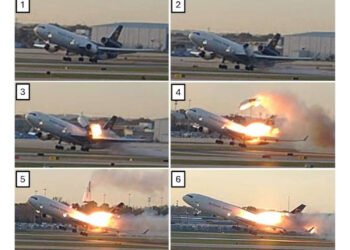 UPS Plane Engine Detaches Before Deadly Crash
 At Least Three Dead in Bangladesh Earthquake
 Texas Governor Faces Lawsuit From CAIR
 Ex-Classmate Accuses Farage of Dishonesty on Racism Claims
 15-Year-Old Arrested After Sheffield Shooting Leaves Teen Critical
 Israel Confirms Hamas Returned Dror Or’s Body
 Sudanese Family Vows to Stay After Racist Graffiti
 Pope Leo XIV Begins Historic Trip to Turkey and Lebanon
 Zambia’s President Faces Stone-Throwing Anger Amid Challenges
 Southern Lebanon reels as Israeli strikes shatter communities
 Mbappe Scores 4 as Real Madrid Edge Olympiakos
 Man City Lose, Champions League Risk
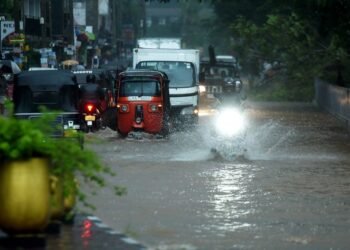 Sri Lanka Floods Leave 56 Dead, Dozens Missing
 India’s Labour Law Overhaul Sparks Fierce Debate
 Trump to Recheck Green Cards from 19 Nations After DC Attack
 Ex-Brexit MEP Rejects Claim of Pro-Russia Payments
 Jordan Bardella: France’s Young Presidential Contender
 Rare shark attack kills woman, injures man at remote NSW beach
 Chinese & Japanese Boats Clash Near Disputed Islands
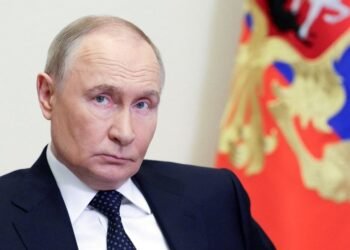 Putin Meets US Envoy Amid Key Ukraine Peace Talks
 UK Criticises Gaza Aid Delays as Tents Arrive After Year
 Twelve Prisoners Released in Error, Two Still Missing
 Indonesia to Repatriate Two Dutch Drug Convicts
 Putin visits India as Ukraine peace, trade push intensifies
 EU plans $105bn Ukraine aid using frozen Russian assets
 Global campaign launched to free Palestinian leader Barghouti