Published: 20November 2025 Thursday . The English Chronicle Desk. The English Chronicle Online
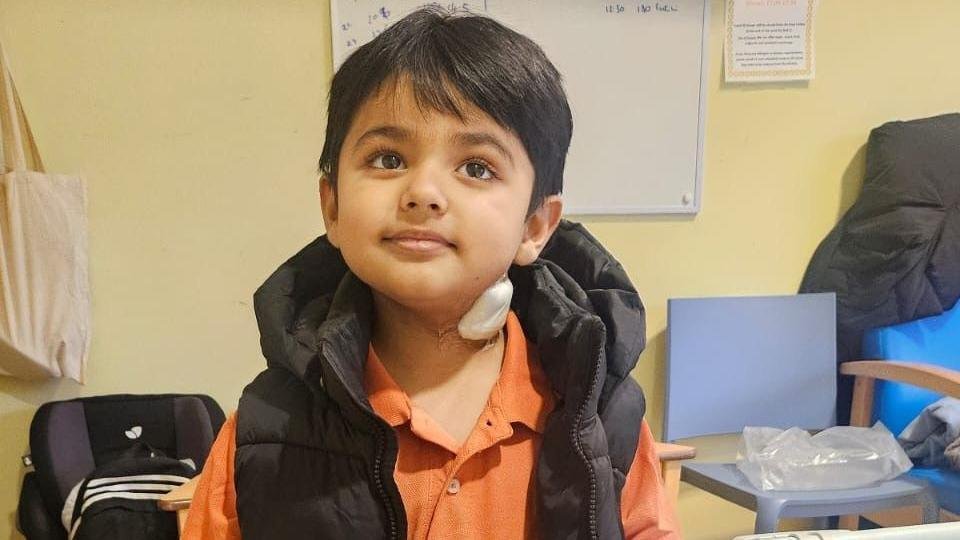
A profoundly emotional reunion took place recently as Aly Coyle, a 40-year-old woman from County Down, met the six-year-old boy whose life she saved by donating her kidney. The meeting left both the donor and the boy’s parents in tears, highlighting the remarkable human impact of organ donation and the life-changing outcomes it can bring.
Speaking to BBC News NI, Ms Coyle described the encounter as “very emotional,” explaining that the intensity of the moment left everyone in the room deeply moved. “There were tears,” she said, recounting how both she and Xaviar’s mother were overcome with emotion. “I was crying and his mum was crying. I think Xaviar was a little bit bewildered about all the emotion,” she added, reflecting on the innocence and curiosity of the young boy as he tried to understand the heartfelt scene around him.
Xaviar, from England, had undergone a successful kidney transplant earlier this year, facilitated by the generosity of Ms Coyle. Her donation marked a historic milestone, making her the 100th person from Northern Ireland to donate a kidney to a stranger. The extraordinary act of altruism not only transformed Xaviar’s life but also rippled through the wider transplant community, underscoring the critical importance of organ donation in saving lives.
Ms Coyle reflected on the joy of witnessing Xaviar’s renewed health. “It was just lovely to see him so happy and healthy, and it was lovely to see how much of an impact and difference it’s made for their life and for them,” she said. For many donors, meeting the recipients of their organs is an emotional and affirming experience, confirming the tangible benefits of selfless giving.

Xaviar’s journey to a healthy life was not straightforward. Born prematurely, he faced significant medical challenges from an early age, including chronic kidney problems that placed his health at serious risk. He was only a week away from starting dialysis—a grueling and life-altering treatment for children—when his family received the life-changing news that an anonymous donor had been found. The timing of this intervention was critical and underscored the life-saving potential of organ donation programs across the UK.
Reflecting on the months leading up to the transplant, Xaviar’s mother, Hira Zaheer, described the emotional rollercoaster her family endured. “It was a rollercoaster ride for us,” she said. “Xaviar previously did not eat well, it was a struggle for me giving him medicines and food. He was not growing properly, but after the transplant life changed 360-degrees.” The words convey not only the physical toll on Xaviar but also the emotional strain on the family, who faced uncertainty and worry every day.
Post-transplant, the transformation in Xaviar’s health has been remarkable. “He’s here, healthy and happy, running around. No one can tell by looking at him that he got his kidney transplant just this year,” Ms Zaheer added. The dramatic improvement in his wellbeing demonstrates the life-saving power of timely organ donation, and the profound gratitude felt by families for the donors who make these miracles possible.
Xaviar’s father, Umer Saaed, also highlighted the ripple effect of organ donation. Although he was not a suitable match for his son, he participated in a paired donation process, donating one of his kidneys to another patient following Xaviar’s successful transplant. “It is a gift from the Lord that He sent her (Aly) a message into her mind that she needed to donate,” Mr Saaed said, praising Ms Coyle’s selflessness and the impact her gift had on their family. “She is such a very nice person. Luckily, Xaviar is very energetic after the transplant.”
The post-transplant milestones for Xaviar have been both ordinary and extraordinary. Mr Saaed shared the boy’s excitement and energy, recounting that just a few months after surgery, Xaviar participated in a sports day at school, winning a prize in throwing events. This achievement, seemingly simple, is a testament to the dramatic improvement in Xaviar’s health, illustrating how a single act of generosity can restore a child’s ability to engage fully in everyday life and childhood experiences.
The story of Xaviar and Ms Coyle is not just a tale of medical success; it is also a poignant reminder of the human capacity for kindness and generosity. Northern Ireland has a strong history of altruistic organ donation, and Ms Coyle’s decision to donate her kidney to a stranger highlights the profound social and moral impact that such acts can have. Each donation carries the potential to save lives and bring hope to families navigating severe health challenges.

Organ donation, particularly from living donors, involves significant personal commitment and medical risk. Yet, as this case illustrates, the rewards—both for the recipient and the donor—are immeasurable. Ms Coyle’s courage and compassion have not only given Xaviar a new lease on life but have also provided his family with renewed hope, illustrating the transformative power of human empathy.
Healthcare professionals have emphasized the importance of celebrating stories like Xaviar’s, as they help encourage wider participation in organ donation programs. By sharing these accounts, medical teams hope to inspire others to consider donation, reinforcing the life-saving impact it can have and the extraordinary difference a single individual can make.
For families like Xaviar’s, meeting the donor represents a deeply emotional and transformative experience. It is a moment where gratitude, relief, and joy converge, leaving lasting impressions that go far beyond the medical procedures themselves. In Aly Coyle, the family found not only a lifesaver but also a symbol of hope, compassion, and the enduring power of human kindness.
As the community celebrates this story, it also serves as a reminder that organ donation continues to be one of the most profound ways individuals can positively affect the lives of strangers. Each donor contributes to a chain of life-saving events that extend far beyond their immediate actions, reshaping futures and restoring health to those most in need.
Xaviar’s remarkable journey from serious illness to vibrant health exemplifies the critical role of donors and the dedicated medical teams who facilitate these life-changing procedures. It is a story of hope, resilience, and the profound impact of selfless generosity—a narrative that underscores why organ donation remains one of the most vital public health initiatives today.
Related News:
 Hospice Cuts Raise Alarm Across England Amid Funding Crisis
 Seven Conditions That Automatically Qualify You for a Free Bus Pass
 Shouting Works Best to Deter Gulls, UK Study Finds
 Covid Doctor’s Emotional Farewell Letter to Family
 Vicki Fears Losing Motability Car
 Five-Year-Old Dies After Rare Tonsil Surgery Complication
 More Patients Now Contacting GPs Online, Data Shows
 Verbal Abuse in Childhood Linked to Greater Risk of Poor Mental Health in Adulthood, New Study Reveals
 Women Challenge Meta Over Targeted Ads After Miscarriage
 Mother dies after black market weight loss injection
 Young Woman Missed 13 Times by GPs Before Bowel Cancer Diagnosis
 Man Trapped in Quicksand Rescued in Dramatic Coastal Rescue
 Derby Bounce Centre to Close Amid Car Park Dispute
 Morning-After Pill Now Free Across England’s Pharmacies
 Experts Warn on Home Birth Risks, Call for Skilled Midwives
 Experts Urge Legal Right to Timely Cancer Care
 NHS Takes Over Nuffield Hospital in ‘Windfall’ for London Care
 North Sea oil workers must lose weight or face job loss
 Crisis charity to become landlord amid UK housing emergency
 No link found between paracetamol in pregnancy and autism
 NHS frontline staff forced to cover gaps as managers remain scarce
 From Lego to Pokémon: How Adults Are Driving UK Toy Market Growth
 Understanding Missing Children: Facts vs. Myths
 UK Disability Pay Gap Means Millions Work for Free From Today
 Reeves rejects £1bn plea for NHS redundancy payouts
 NHS trust fined after woman takes life in mental health unit
 Leading doctors issue warning amid ‘bad’ flu season
 New Research Explains Severe Diabetes in Children
 PM Condemns Leaks, Vows Loyalty to Ministers and Stability
 Son Reveals UK Couple in Iran Resort to Hunger Strike for Help
 Working-Class Men with Prostate Cancer Left Behind by NHS
 Two in Three Women in UK Armed Forces Report Harassment
 Senator John Fetterman Hospitalized After Fall from Heart Flare-Up, Keeps Sense of Humor
 Bataclan Anniversary: France Remembers but Jihadist Danger Lingers
 UK Asylum Reforms: Temporary Refugee Status and Faster Deportations
 Five Young People Killed in Tragic Dundalk Road Crash
 New Campaign Trains Vets to Spot Farmers’ Health Risks
 Owner Hits Out at Amazon After Pet Hurt During Delivery
 Stroke Patient Mistaken for Drunk, Care Delayed
 Mother Watches in Horror as Teen Daughter Dies on Tracks
 107-Year-Old Veteran Credits Whiskey for Longevity
 Stop Phone Habits From Sabotaging Your Relationships
 Seven Countries, One Winner: Europe’s Best Christmas Market
 Mum and Three Children Killed in Jealous Ex’s Fire
 Van Dwellers Face Eviction After Park Misuse Sparks Outcry
 ‘Traumatic Wait’: Northern Ireland Women Face Breast Cancer Delays
 Commuters warned as yellow snow and ice alert hits Northern Ireland
 Paramilitary Murals and Memorials Persist on Public Housing Land
 Healthy Habits in Your 30s That Boost Life in Your 70s
 Court to Hear Challenge to Wimbledon Expansion Plan
 Snow and Ice Cause Travel Chaos in North Yorkshire
 Senedd Suspends Politician Over Offensive Racial Slur
 Raccoons Could Become America’s Next Pet
 Australia to Ban Social Media for Kids Under-16 Starting December
 Director Michael Caton-Jones Reflects on Career and Beginnings
 Scottish Families Take Legal Action Over School CO Leak
 TikTok Star Jessie Yendle Mocked by KFC
 UK Energy Bills to Rise Slightly in January
 South African Women Call Purple Protest Over Gender Violence
 Coffins Now Too Large to Cremate Amid Rising Obesity Crisis
 David Cameron Reveals Prostate Cancer Diagnosis, Advocates Screening
 Inquiry Opens Into Disgraced Surgeon Eljamel Scandal
 Rookie Driver Hollie McRae Flips Car but Walks Away Safe
 Planned Palestinian Flag Raising at Belfast City Hall Faces Delay Amid Legal Concerns
 Sudanese Family Vows to Stay After Racist Graffiti
 Delhi’s Toxic Air Crisis Leaves Children Sick and Vulnerable
 Australians Angry as BOM Website Revamp Backfires
 Fibromyalgia Patients Struggle as NHS Fails to Provide Care
 Scotland Gains 33 New Towns – Life in Growing Communities
 Machynlleth High Street Left Without Christmas Lights
 Second homes curbs quashed in Gwynedd legal ruling
 Fury After Hong Kong’s Deadliest Fire in Decades
 Europe, North America face early wave of bird flu
 Southeast Asia floods claim 241 lives, rescue efforts continue
 Search underway for British man overboard off Tenerife
 Hong Kong Orders Probe Into Deadly 151-Death Fire
 UK Criticises Gaza Aid Delays as Tents Arrive After Year
 Pavarotti statue frozen in Italian ice rink sparks backlash
 Delhi’s Toxic Air Drives Spike in Respiratory Illnesses
 7 Travel Trends Set to Shape 2026 Adventures