Published: 21 November 2025 Friday. The English Chronicle Desk. The English Chronicle Online
A Scottish local authority is facing nearly 30 civil claims from families following a serious carbon monoxide leak at one of its primary schools, raising concerns over long-term health impacts on children and the adequacy of school safety checks.
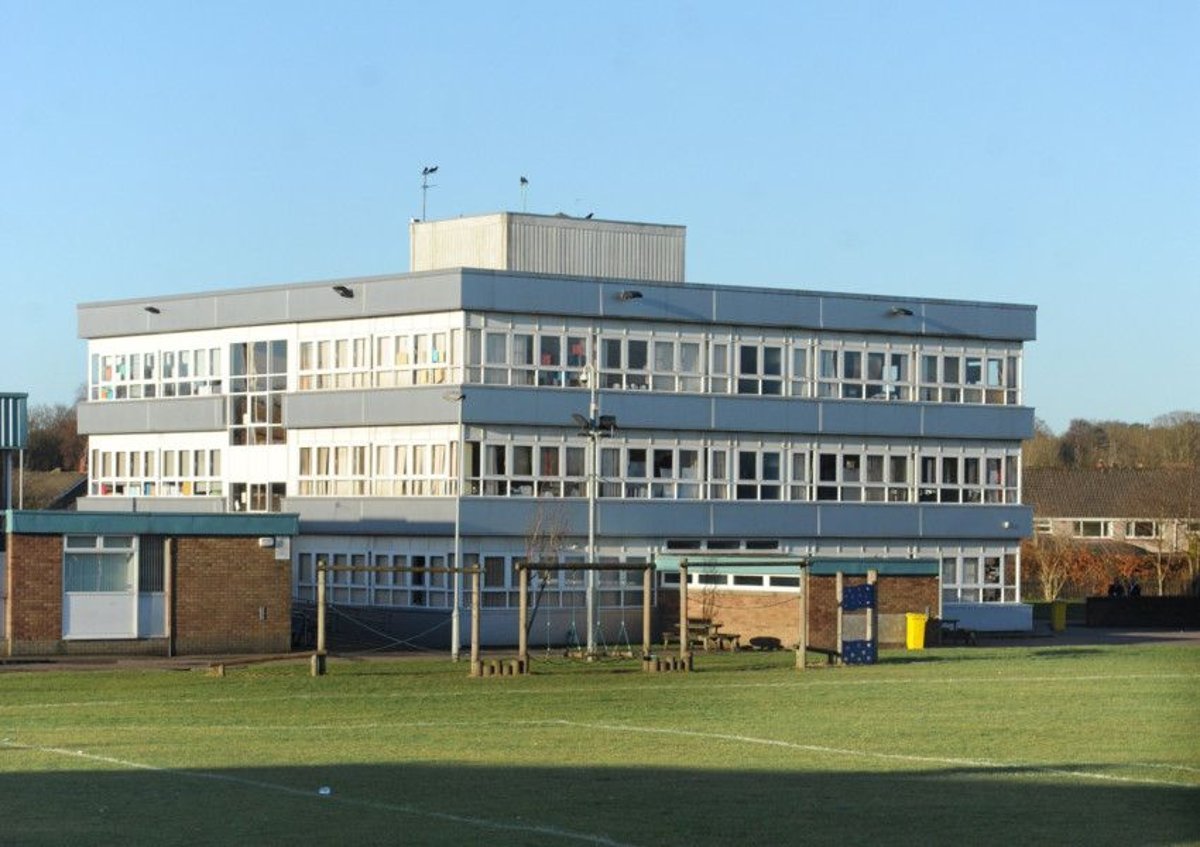
Earlier this year, East Dunbartonshire Council was fined in the criminal courts after admitting to breaches of health and safety regulations at Balmuildy Primary School in Bishopbriggs in 2020. The council, which has maintained that it operates a rigorous safety monitoring system, is now contesting dozens of civil claims relating to the same incident. Families, however, have expressed alarm about the lasting effects of exposure to the toxic gas and the lapses that allowed it to occur.
Speaking anonymously through Thompsons Solicitors, one mother described the moment she rushed to the school after learning of the carbon monoxide leak. She said the scene resembled “something from a zombie film,” with children fainting, vomiting, and some lying unconscious on the floor.
“For weeks, my children complained of feeling extremely unwell when I picked them up from Balmuildy Primary School, only to recover quickly at home,” she said. “They were sitting in a building inhaling fatal levels of carbon monoxide, and we were told it was only ‘sheer luck’ that no fatalities occurred, given the high levels detected. Now, as parents, we are left feeling guilty for not realizing sooner and for unknowingly putting our children in danger. Even more concerning is not knowing the long-term health effects of this prolonged exposure.”

Another parent recounted taking her son to the hospital after he experienced dizziness, headaches, and nausea, symptoms later confirmed as resulting from carbon monoxide poisoning. “By the time it was diagnosed, the gas had already started leaving his system,” she explained. “My son still suffers from headaches due to the exposure, and the fact that it wasn’t properly monitored highlights the council’s incompetence.”
The incident has brought renewed scrutiny to the safety practices in schools across East Dunbartonshire. The council, in its defence, asserts that it has long maintained strict monitoring protocols to prevent such incidents, though investigative reports have highlighted that several schools may have missed crucial safety checks. This raises broader concerns over whether the current systems are sufficient to safeguard children and staff from hazardous conditions.
The Health and Safety Executive (HSE) defines carbon monoxide as a colourless, odourless gas that can be fatal at high levels and cause long-term health complications even at low exposure levels. In the case of Balmuildy Primary School, the leak went unnoticed for a significant period, exposing dozens of children and staff to potentially harmful concentrations. Parents are particularly concerned about the neurological and respiratory effects that could persist years after the incident.
Legal experts note that while the criminal fines against the council have already been levied, civil claims allow families to seek compensation for the personal harm, distress, and potential long-term health effects caused by the exposure. Thompsons Solicitors, representing several families, is preparing detailed documentation, including medical evidence and expert assessments, to strengthen the claims.

“The council’s breaches were not minor,” a spokesperson for the firm said. “The children were exposed to a toxic substance in an environment where they should have been safe. Families are now seeking accountability and assurances that such negligence will not occur again.”
East Dunbartonshire Council has stated that it is “actively reviewing” the claims and is committed to defending its position in civil proceedings. A council spokesperson said: “We have rigorous health and safety systems in place and take any incident very seriously. While we contest some claims, we are working closely with families and relevant authorities to ensure appropriate measures are in place to prevent future occurrences.”
The Balmuildy incident has also prompted calls from parents and education experts for nationwide reviews of safety measures in schools, particularly concerning carbon monoxide detection. Campaigners argue that mandatory CO detectors and stricter oversight of building maintenance are essential to prevent similar episodes.
One parent told the BBC that the emotional impact of the event continues to affect families. “Even when children returned to school, there was anxiety and fear,” she said. “Parents are worried about what damage may have already been done to their children’s health, and whether the council’s monitoring systems are now sufficient.”

The legal and health implications of the Balmuildy leak are significant. Carbon monoxide, sometimes called the “silent killer,” binds with haemoglobin in the blood, reducing oxygen delivery to organs and tissues. Symptoms of exposure, such as headaches, nausea, dizziness, and fatigue, may be subtle but can escalate quickly. Long-term exposure has been linked to cognitive impairment and neurological damage, especially in children, whose developing systems are particularly vulnerable.
The claims against East Dunbartonshire Council are also highlighting broader issues of governance, accountability, and public trust. Parents argue that school authorities must be transparent about safety risks and proactive in monitoring and maintaining school buildings. The Balmuildy case, they say, shows that failures in oversight can have profound and lasting consequences.
Legal analysts suggest that the outcomes of these civil cases may set a precedent for how local authorities handle health and safety obligations in schools going forward. “These claims go beyond simple compensation,” one expert explained. “They are about ensuring that schools are held accountable for safety lapses, that lessons are learned, and that preventative measures are enforced nationwide.”
Meanwhile, community groups and advocacy organisations are calling on the Scottish government to implement stricter guidelines for CO monitoring in educational facilities. Proposals include installing fixed carbon monoxide detectors in classrooms, ensuring regular maintenance of heating systems and fuel-burning appliances, and requiring detailed safety audits to be made public.

As families await the outcomes of their claims, the Balmuildy case serves as a cautionary tale about the importance of vigilance in school safety and the need for effective enforcement of health and safety legislation. Parents remain determined to secure justice for their children, while authorities face scrutiny over the measures they take to prevent future risks.
The East Dunbartonshire incident has prompted wider conversations across Scotland and the UK about protecting children in schools from environmental hazards. It has also highlighted the vital role of community engagement, transparency, and accountability in ensuring that school safety policies are not only implemented but consistently monitored and enforced.
With civil proceedings now underway, families are hoping that their claims will lead not only to compensation but to tangible changes that prevent similar incidents in other schools. The Balmuildy leak underscores the importance of proactive risk management and the human impact of lapses in safety oversight, reinforcing the need for continued vigilance across all educational institutions.
In summary, the Balmuildy Primary School carbon monoxide leak has left a lasting mark on the local community. Families are pursuing legal action to seek damages, highlight long-term health risks, and ensure that schools in Scotland and beyond maintain the highest standards of safety. As investigations and legal proceedings continue, parents, educators, and authorities are urged to learn from the incident to protect children and staff from similar dangers in the future.
Related News:
 Hospice Cuts Raise Alarm Across England Amid Funding Crisis
 How Bringing Forests Into Preschools Boosts Children’s Health
 London’s Childlessness Crisis: Schools Closing as Families Shrink
 No link found between paracetamol in pregnancy and autism
 Stephen Fry backs SafeCall to protect missing children
 Seven Conditions That Automatically Qualify You for a Free Bus Pass
 Shouting Works Best to Deter Gulls, UK Study Finds
 Nigerian Education Reversal: Mother-Tongue Teaching Scrapped
 Stroke Patient Mistaken for Drunk, Care Delayed
 Woman Meets Boy Whose Life She Saved with Kidney
 Covid Doctor’s Emotional Farewell Letter to Family
 Ex-Harvard President Pauses Teaching Over Epstein Emails
 Inquiry Opens Into Disgraced Surgeon Eljamel Scandal
 Vicki Fears Losing Motability Car
 Five-Year-Old Dies After Rare Tonsil Surgery Complication
 More Patients Now Contacting GPs Online, Data Shows
 NHS Resident Doctors Vote for Strike Action Amid Escalating Pay Dispute
 Compulsory Period Education for Boys and Girls Urged by New Study
 Calls Grow for a Complete Ban on Smacking as Public Opinion Shifts
 Costa Blanca Holiday Horror as Food Poisoning Outbreak Hits Four-Star Hotel
 UK Graduates in Healthcare Report Highest Satisfaction with Degree Choices
 Women Challenge Meta Over Targeted Ads After Miscarriage
 Sir Michael Caine Urges Starmer to End Smacking in England
 One in 12 Secondary Pupils Sent to Isolation Weekly
 Celebrities and Charities Demand UK Government Act on Child Poverty
 Children to Learn Local History in Major Curriculum Overhaul
 Labour immigration crackdown could cost UK £4.4bn
 Patients to Test Health at Home to Ease NHS Winter Pressure
 Britain deploys RAF specialists to assist Belgium with drone threats
 US Senate Passes Funding Bill to End Historic Shutdown
 From Lego to Pokémon: How Adults Are Driving UK Toy Market Growth
 Mary Earps’s Manchester United Return Faces Mixed Reception
 Reeves rejects £1bn plea for NHS redundancy payouts
 PM Condemns Leaks, Vows Loyalty to Ministers and Stability
 Son Reveals UK Couple in Iran Resort to Hunger Strike for Help
 TalkTV Fires Mike Graham Over Racist Facebook Post
 Phillipson Accused of Appeasing Unions by Diluting EBacc
 Senator John Fetterman Hospitalized After Fall from Heart Flare-Up, Keeps Sense of Humor
 US Justice Department Files Lawsuit Against California Over Partisan Voting Maps
 Saka Solidifies Role as Tuchel’s Key England Lieutenant
 Former Lion Heskey Warns of Shortage of England Strikers
 New AI tool could cut wasted efforts in organ transplants
 December Run-Off in Chile as Election Produces No Winner
 Zelenskyy Signs Fighter Jet Deal Amid Russian Drone Attacks
 Orban Says Ukraine Has ‘No Chance’ as EU Support Continues
 Mother Watches in Horror as Teen Daughter Dies on Tracks
 Seven Countries, One Winner: Europe’s Best Christmas Market
 Van Dwellers Face Eviction After Park Misuse Sparks Outcry
 Israeli Strike Kills 13 Near Palestinian Camp in Lebanon
 Shadow Fleet at Sea: Europe’s Battle Against Illicit Oil Shipping
 ‘Traumatic Wait’: Northern Ireland Women Face Breast Cancer Delays
 Haiti Qualifies for World Cup Despite Coach Never Visiting Country
 Deadly Russian Strikes Hit Western Ukraine, 20 Killed in Ternopil
 Healthy Habits in Your 30s That Boost Life in Your 70s
 Snow and Ice Cause Travel Chaos in North Yorkshire
 Serial Rapist and Former Cop Found Guilty Again
 Pentagon Officials in Ukraine to Discuss War End
 Ukraine Peace Plan: Zelensky Ready for Dialogue
 Vietnam Battles Deadly Floods as Rains Continue
 Director Michael Caton-Jones Reflects on Career and Beginnings
 Venezuela Threatens Nobel Winner Machado with Fugitive Status
 At Least Three Dead in Bangladesh Earthquake
 Coffins Now Too Large to Cremate Amid Rising Obesity Crisis
 Israel Confirms Hamas Returned Dror Or’s Body
 Millions Face Higher Taxes Under Reeves New Budget
 Peers Get Extra Time to Debate Assisted Dying Bill
 Two National Guard Soldiers Critically Injured Near White House
 Delhi’s Toxic Air Crisis Leaves Children Sick and Vulnerable
 Mbappe Scores 4 as Real Madrid Edge Olympiakos
 Sri Lanka Floods Leave 56 Dead, Dozens Missing
 India’s Labour Law Overhaul Sparks Fierce Debate
 Fibromyalgia Patients Struggle as NHS Fails to Provide Care
 Scotland Gains 33 New Towns – Life in Growing Communities
 Jordan Bardella: France’s Young Presidential Contender
 AI Actress Creator Says Tilly Norwood Won’t Replace Actors
 Search underway for British man overboard off Tenerife
 Pavarotti statue frozen in Italian ice rink sparks backlash
 Barcelona, Atletico set for decisive La Liga showdown
 EU plans $105bn Ukraine aid using frozen Russian assets
 Global campaign launched to free Palestinian leader Barghouti