Published: 27 November 2025 Thursday. The English Chronicle Desk. The English Chronicle Online
Britain’s top military leaders have held what insiders describe as a “very difficult” and increasingly tense meeting over the UK’s defence budget, amid rising alarm that the government’s ambitious plans to rebuild the nation’s armed forces simply cannot be delivered without major financial investment.
The private meeting, attended by the heads of the Army, Royal Navy and Royal Air Force, came at a time of mounting geopolitical dangers and growing internal frustration over what many military officials see as an expanding gap between political promises and economic reality. Although the Ministry of Defence (MoD) has publicly dismissed reports of a dramatic confrontation, multiple sources within the armed forces confirm that concerns are now reaching an unprecedented level.
According to defence officials who spoke on condition of anonymity, the chiefs—including Air Chief Marshal Sir Rich Knighton, Chief of the Defence Staff; General Sir Roly Walker, head of the British Army; General Sir Gwyn Jenkins, First Sea Lord; and Air Chief Marshal Harv Smyth, Chief of the Air Staff—met at the MoD on Tuesday to discuss the challenges of implementing the government’s Strategic Defence Review (SDR), announced earlier this year.
While the Spectator magazine reported earlier that the chiefs were preparing an extraordinary letter to Defence Secretary John Healey warning that the SDR was undeliverable without substantially more funding, the MoD has denied the existence of such a letter. An MoD source insisted that no written communication was planned or expected.
“There is not a letter,” the source said tersely. “And no such letter is expected.”
Yet behind closed doors, tension is undeniable. Several defence insiders told Sky News that the chiefs remain deeply concerned that the government’s stated ambitions—rebuilding personnel numbers, modernising equipment, strengthening readiness, and confronting new global threats—are far beyond the means of the current defence budget.

The Labour government led by Sir Keir Starmer has repeatedly vowed to restore the UK’s military strength after more than a decade of underinvestment, cuts, and capability gaps. But despite the political rhetoric, many within the armed forces say they have yet to see financial commitments that match the scale of the promises.
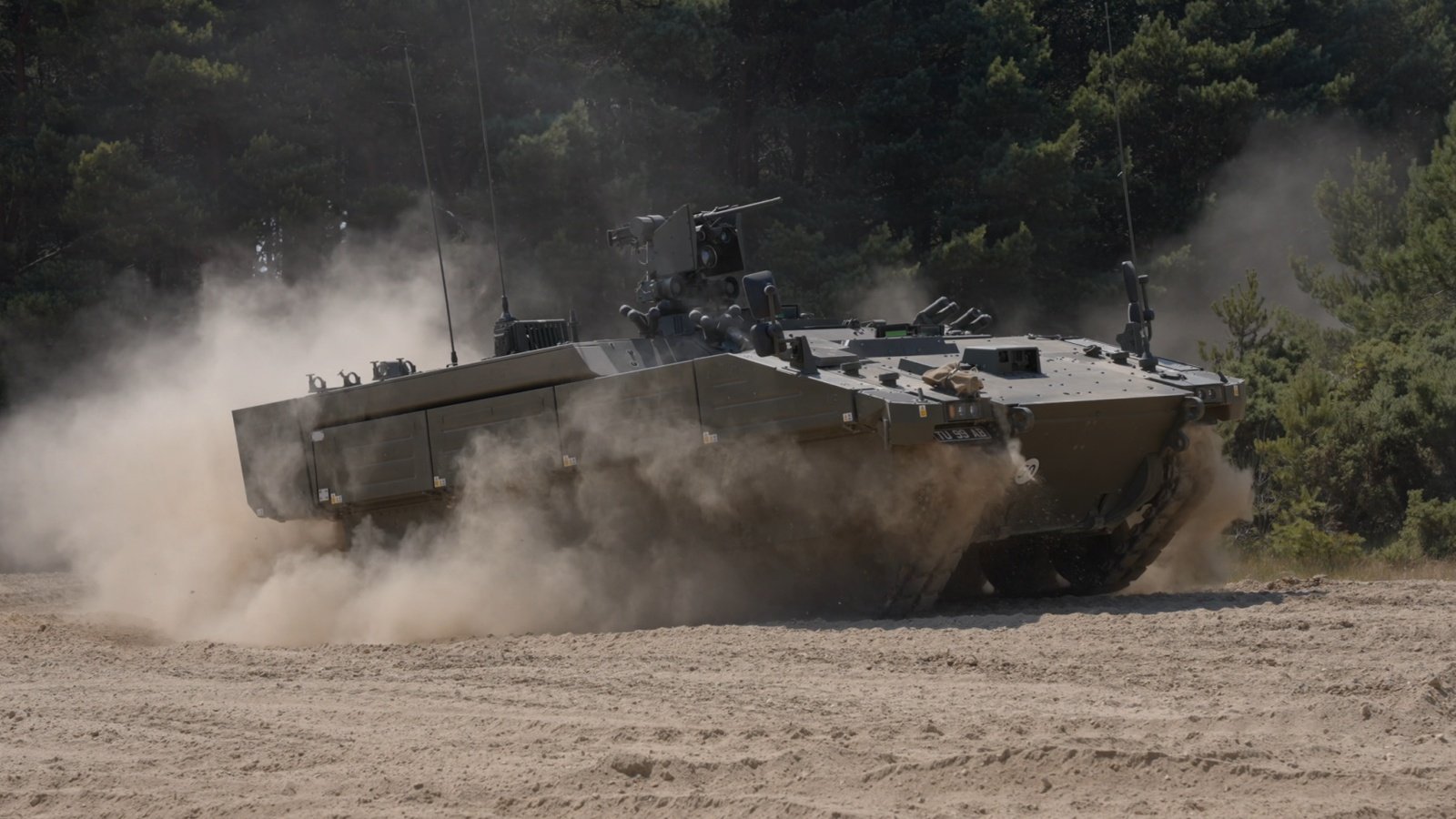
General Sir Roly Walker, who faces perhaps the most immediate pressure, has expressed concerns about rebuilding the Army from approximately 72,500 soldiers to 76,000 during the next parliamentary term. The target, outlined clearly in the defence review, would reverse years of reductions that have left the British Army at its smallest size in centuries.
But growing the army—let alone re-equipping it and improving readiness—comes at a substantial cost.
Recruitment drives require funds. Training larger numbers of troops requires facilities, personnel, and logistics. Most significantly, equipment modernisation, from armoured vehicles to communications systems, demands long-term investment.
A senior defence source noted that nearly every strategic priority outlined by the government comes with significant financial challenges.
“Everybody agrees that we need a larger, more capable force,” the source said. “But agreeing on the goal means nothing without the money to get there.”
The mounting funding anxieties come at a time when the UK faces an increasingly unstable global security environment. Russia’s continued aggression in Europe, China’s expanding military influence in the Indo-Pacific, and growing fears of cyber warfare have combined to create what many analysts describe as the most dangerous geopolitical moment since the Cold War.
Pressure is also coming from abroad—particularly from the United States. Donald Trump, who has made defence burden-sharing in NATO a centrepiece of his rhetoric, has repeatedly warned European states to increase their military spending.
For the UK, traditionally America’s closest ally, failure to meet its commitments could weaken its credibility on the world stage.
Despite the high stakes, defence insiders say the government’s current financial trajectory is insufficient. Even with Starmer’s pledge to increase defence spending to 2.5 per cent of GDP, officials warn that timelines remain unclear and immediate pressures are not being addressed.
“You cannot rebuild overnight,” one source said. “And you certainly cannot rebuild without money.”

While the Army’s size-related challenges have attracted the most attention, the Royal Navy and Royal Air Force are also grappling with severe capability strains.
General Sir Gwyn Jenkins, First Sea Lord, is dealing with growing concerns about fleet readiness, crew shortages, and the funding of future shipbuilding projects. The Royal Navy continues to operate two aircraft carriers, but sustaining carrier strike capability requires escorts, pilots, aircraft, and constant maintenance—all of which rely on a budget currently stretched thin.
Air Chief Marshal Harv Smyth faces parallel challenges within the Royal Air Force, including demands for new aircraft, investment in drone and cyber capabilities, and the cost of maintaining the UK’s nuclear deterrent.
Despite the internal tensions, the MoD has maintained a calm public front. Officials insist that conversations between military chiefs and ministers are normal and ongoing, and that the defence review remains a blueprint for future planning rather than an immediate checklist.
But inside the armed forces, the mood is more strained.
One senior military figure reportedly said after the meeting that the chiefs felt obligated to highlight the widening gap between vision and reality—before the consequences become irreparable.
Another expressed fears that without urgent decisions, the UK risks losing operational effectiveness.
“The concerns are not theoretical,” the source warned. “These are real-world consequences for national security.”
As Britain’s armed forces face perhaps their most challenging era in decades, the message from the top brass is increasingly unified: the current level of ambition cannot be met with the current level of funding.
Whether the government adjusts its financial strategy—or scales back its defence promises—remains to be seen.
But for now, Britain’s military chiefs appear to be sounding the alarm louder than ever, warning that the price of inaction may be far higher than the cost of investment.
Related News:
 Out of reach: stalled newbuilds leave Labour’s social housing targets in tatters
 Who is Rama Duwaji? What Zohran Mamdani’s wife has said about Gaza and ICE as he’s elected NYC mayor
 PM Condemns Leaks, Vows Loyalty to Ministers and Stability
 UK Asylum Reforms: Temporary Refugee Status and Faster Deportations
 Minister Defends Tough New Asylum Reform Plan
 UK Net Migration Falls Sharply After ONS Revisions
 UK Vulnerable to Attack, Defence Committee Finds
 Rama Rebukes Mahmood for Targeting Albanian Families
 Russian Vessel Used Lasers on RAF Pilots, UK Claims
 MP Offers Seat to Help Burnham Challenge Starmer
 English Mayors Set to Introduce Tourist Taxes
 Ex-Classmate Accuses Farage of Dishonesty on Racism Claims
 Millions Face Higher Taxes Under Reeves New Budget
 Peers Get Extra Time to Debate Assisted Dying Bill
 Planned Palestinian Flag Raising at Belfast City Hall Faces Delay Amid Legal Concerns
 Ex-Brexit MEP Rejects Claim of Pro-Russia Payments
 Labour U-turn: Unfair Dismissal Rights Delayed Six Months
 Government righting decades-old injustice for miners
 “Social Housing Crisis in England: Tenant Complaints Soar Amid Dangerous Living Conditions”
 Army Barracks to House Migrants as Hotels Phase Out
 British Woman in Iran ‘Losing Hope’ Amid Ongoing Detention
 Hospice Cuts Raise Alarm Across England Amid Funding Crisis
 BBC Journalist Held and Interrogated in Vietnam
 Green Party Surges Past Labour in Latest UK Poll
 Celebrities and Charities Demand UK Government Act on Child Poverty
 Zarah Sultana Launches Party to Change Politics
 Dyche Criticises Corner Decision as Forest Draw with United
 Trump’s UK Ambassador Urges North Sea Drilling to Strengthen US Ties
 FBI Director Kash Patel Defends Girlfriend Amid Government Jet Claims
 French Taxi Driver Cleared in David Lammy Theft Case After Fare Dispute
 MPs Press Rachel Reeves to Hike Gambling Taxes
 Boris Johnson accused of undermining BBC leadership
 Britain deploys RAF specialists to assist Belgium with drone threats
 ‘Reckless’ cuts to victims’ services will cost more than they save
 Millionaires group urge Reeves to introduce wealth tax to ‘lift kids out of poverty’
 Starmer Faces Growing Dissent as Labour MPs Weigh Leadership Challenge
 Shouting Works Best to Deter Gulls, UK Study Finds
 Mary Earps’s Manchester United Return Faces Mixed Reception
 Sam Kerr Stars in Chelsea Return with Champions League Double
 This kid is something else: Alex Scott’s rise to England call-up
 Reeves rejects £1bn plea for NHS redundancy payouts
 Farage appointee to lead Reform youth accused of anti-British views
 Politics latest: Starmer ‘will fight any leadership coup’ as Streeting denies attempt to oust Labour PM
 Son Reveals UK Couple in Iran Resort to Hunger Strike for Help
 Pressure Mounts on Starmer to Sack Chief of Staff Over Briefing Row
 Major Rent Reform Ends No-Fault Evictions in England
 Peers Flood Assisted Dying Bill with 942 Amendments
 England’s Special Needs Support Faces Breaking Point
 US Justice Department Files Lawsuit Against California Over Partisan Voting Maps
 Former Lion Heskey Warns of Shortage of England Strikers
 MoD warned over Excel risks before Afghan data breach
 December Run-Off in Chile as Election Produces No Winner
 UK Asylum Overhaul Sparks Debate Over Human Rights and Deportations
 UK Candidate Moved to Safe House After Election Threats
 Stroke Patient Mistaken for Drunk, Care Delayed
 Mother Watches in Horror as Teen Daughter Dies on Tracks
 South African Detained After Neo-Nazi Rally in Australia
 UK Warns China After MI5 Issues Espionage Alert
 Van Dwellers Face Eviction After Park Misuse Sparks Outcry
 Shadow Fleet at Sea: Europe’s Battle Against Illicit Oil Shipping
 Commuters warned as yellow snow and ice alert hits Northern Ireland
 Labour Faces Historic Decline in Wales
 Serial Rapist and Former Cop Found Guilty Again
 Pentagon Officials in Ukraine to Discuss War End
 PM Highlights UK Business at G20 in South Africa
 Kate Forbes: Motherhood Harder Than Politics
 Venezuela Threatens Nobel Winner Machado with Fugitive Status
 Most Tories Expect to Support a Farage-Led Government
 Labour MP claims devolution bill is ‘blatant discrimination’ against Cornwall
 Trump Envoy to Discuss Ukraine Peace at Kremlin
 Georgians Defy Government Crackdown After Year of Protests
 India’s Labour Law Overhaul Sparks Fierce Debate
 Video shows Israeli troops kill Palestinians after surrender
 Machynlleth High Street Left Without Christmas Lights
 Jordan Bardella: France’s Young Presidential Contender
 Search underway for British man overboard off Tenerife
 Chinese & Japanese Boats Clash Near Disputed Islands
 UK delays ruling on China embassy plan until January
 EU plans $105bn Ukraine aid using frozen Russian assets
 Global campaign launched to free Palestinian leader Barghouti