Published: 03 December 2025. The English Chronicle Desk. The English Chronicle Online
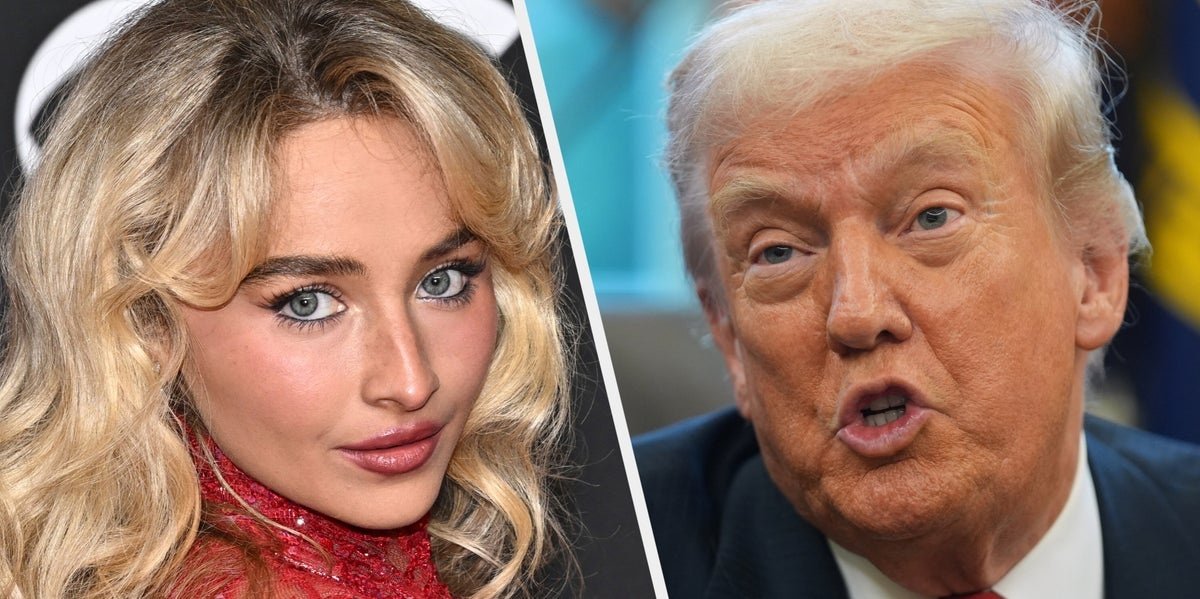
The US Defence Department has sparked controversy after using the beloved Canadian children’s character Franklin the Turtle and pop star Sabrina Carpenter’s music in social media posts linked to US military and immigration operations. Both the publisher of Franklin and Carpenter herself condemned the posts, accusing the Trump administration of misusing their intellectual property for violent or politically charged messaging.
In one post, Secretary of Defence Pete Hegseth shared a mock cartoon depicting Franklin the Turtle piloting a military helicopter and firing a weapon at alleged drug traffickers. The faux book cover, captioned “Franklin Targets Narco Terrorists,” drew immediate backlash from Kids Can Press, Franklin’s publisher. “We strongly condemn any denigrating, violent, or unauthorized use of Franklin’s name or image,” the company said in a statement. “Franklin the Turtle is a beloved Canadian icon who has inspired generations of children and stands for kindness, empathy, and inclusivity. Such a violent depiction directly contradicts these values.”
The post was shared amid ongoing US military strikes on alleged Venezuelan drug boats, which have been carried out since early September. The Trump administration has consistently defended the operations as acts of self-defence to prevent the smuggling of illicit drugs into the United States. Hegseth captioned the Franklin post on social media with the words, “For your Christmas wish list…,” which many critics called tone-deaf given the deadly real-world context of the strikes.

While Kids Can Press emphasized the moral and educational importance of Franklin as a character, the Pentagon appeared unbothered by the criticism. Chief spokesperson Sean Parnell told reporters on Monday, “We doubt Franklin the Turtle wants to be inclusive of drug cartels… or laud the kindness and empathy of narco-terrorists.” He suggested that the cartoon was intended as humorous commentary on the US’s anti-drug operations, rather than an official endorsement of violence through a children’s character.
The controversy over Franklin is only the most recent example of the Trump administration’s use of popular culture in politically charged messaging. On 1 December, a White House social media post featured Carpenter’s song “Juno” in a video showing Immigration and Customs Enforcement (ICE) operations targeting migrants. Carpenter, whose music has millions of young fans, condemned the use of her work. “Do not ever involve me or my music to benefit your inhumane agenda,” she wrote on social media, calling the post “evil and disgusting.”
The Carpenter incident is reminiscent of prior conflicts between artists and the government over unauthorized use of creative works. In September, Pokémon objected to its theme song and footage being used in an ICE deportation video, while British singer Jess Glynne criticised officials in July for using a viral Jet2holiday advertisement featuring her song to promote deportations. These disputes reflect broader concerns over copyright, consent, and the ethical implications of using cultural works to advance government policies, particularly those with human or legal consequences.
Franklin the Turtle, first introduced in a Canadian children’s book series, has become an internationally recognized figure. Created to teach young children lessons about friendship, empathy, and personal growth, Franklin has starred in numerous television shows, films, video games, and live productions. The character is six years old in the fictional world and has been a source of inspiration for generations of children learning to navigate everyday challenges, from riding a bike for the first time to making friends.

The use of Franklin in a violent military context was widely criticized by educators, parents, and fans. Critics argue that the depiction not only misrepresents the character’s values but also trivializes real-world violence and military operations. In a time when US strikes on alleged drug traffickers have reportedly led to more than 80 deaths since September, such representations risk blurring the line between entertainment and real-world consequences.
Carpenter’s objection likewise highlights the ethical dilemmas of using music in government communications. Her song was used to underscore ICE operations, an approach she deemed morally unacceptable. Carpenter emphasized that artists should have control over how their work is used, particularly when it intersects with policies affecting human lives. The outcry from both Franklin’s publisher and Carpenter underscores the increasing scrutiny that governments face regarding the use of cultural property, particularly in the digital age when social media can rapidly amplify messages to millions.
Experts on intellectual property law note that unauthorized use of copyrighted characters or music can result in legal consequences, though government agencies sometimes claim exceptions under official-use provisions. Even so, the public backlash over Franklin and Carpenter suggests that legal technicalities do not shield agencies from reputational damage. Critics argue that the incidents reflect a broader pattern of political messaging that co-opts cultural icons and popular media in ways that are often insensitive or ethically questionable.
The Franklin and Carpenter disputes come at a politically charged time in the United States. The Trump administration has faced ongoing scrutiny for its aggressive anti-drug and immigration enforcement policies, as well as for the use of social media to communicate controversial positions. By leveraging well-known cultural figures, the administration may have sought to appeal to a wider audience or to inject humor into otherwise serious messaging. However, the backlash demonstrates that such strategies carry risks, particularly when they involve beloved figures associated with innocence, positivity, or broad public appeal.

In response to the controversy, Kids Can Press reaffirmed its commitment to promoting Franklin as a figure of kindness, empathy, and inclusivity. Similarly, Carpenter reiterated her opposition to the use of her music in politically sensitive content, emphasizing that artists retain moral and creative authority over their work. These responses reflect growing public awareness and activism around the ethical use of intellectual property, as well as the power of artists and publishers to push back against government messaging.
The Franklin and Carpenter cases illustrate the complex intersection of politics, social media, and popular culture. They highlight ongoing debates about consent, representation, and the responsibilities of governments when using cultural material in public communications. For both the US Defence Department and the White House, these controversies have drawn national and international attention, reinforcing the need for careful consideration before co-opting artistic and cultural icons for political purposes.
As the debate continues, both Franklin the Turtle and Sabrina Carpenter stand as symbols of creative integrity and ethical use of cultural works. The incidents also underscore the challenges governments face in navigating public perception while pursuing policy objectives, particularly in the highly connected and socially aware digital era. The controversy serves as a reminder that even in the realm of politics, the use of familiar characters and music carries weight far beyond mere illustration or entertainment, influencing public opinion and shaping perceptions of authority, responsibility, and morality.
Related News:
 US National Guard Member Killed in DC Shooting
 Trump to pause migration from ‘third-world countries’
 US Justice Department Files Lawsuit Against California Over Partisan Voting Maps
 UK Asylum Reforms: Temporary Refugee Status and Faster Deportations
 South African Detained After Neo-Nazi Rally in Australia
 Minister Defends Tough New Asylum Reform Plan
 UK Net Migration Falls Sharply After ONS Revisions
 Only One Republican Opposes Mass Release of Epstein Files
 Congress Approves Release of Epstein Files, Trump Expected to Sign
 Senedd Suspends Politician Over Offensive Racial Slur
 Trump Slams Democrats With ‘Seditious’ Death Claim
 Texas Governor Faces Lawsuit From CAIR
 Peers Get Extra Time to Debate Assisted Dying Bill
 Putin Intensifies Territorial Demands Before US Talks
 Trump to Recheck Green Cards from 19 Nations After DC Attack
 ICC to Rule on Duterte’s Provisional Release
 Chinese & Japanese Boats Clash Near Disputed Islands
 Putin Meets US Envoy Amid Key Ukraine Peace Talks
 Republicans Hold Tennessee Seat Despite Democratic Surge
 Trump Administration Dismisses 17 Immigration Judges, Sparking Debate Over Judicial Independence
 Commons Speaker Warns UK Parliament Vulnerable to Foreign Espionage After China-Linked Case Dropped
 Phillipson urges careful review of gender recognition guidance
 French Taxi Driver Cleared in David Lammy Theft Case After Fare Dispute
 Mikie Sherrill Elected New Jersey’s Governor in Key Win
 Who is Rama Duwaji? What Zohran Mamdani’s wife has said about Gaza and ICE as he’s elected NYC mayor
 China-critical UK academics face ‘extremely heavy’ pressure from Beijing
 Met Police Culture Makes Racial Harm ‘Inevitable’
 Remaining rebel Labour MPs have whip restored
 Britain deploys RAF specialists to assist Belgium with drone threats
 From Lego to Pokémon: How Adults Are Driving UK Toy Market Growth
 Seven Conditions That Automatically Qualify You for a Free Bus Pass
 Palace to reinstate hyphen in Andrew’s surname
 Pop Stars Call on UK Government to Cap Resale Prices for Fans
 PM Condemns Leaks, Vows Loyalty to Ministers and Stability
 Major Rent Reform Ends No-Fault Evictions in England
 Peers Flood Assisted Dying Bill with 942 Amendments
 South Sudan President Removes Vice-President Amid Political Uncertainty
 UK Unveils Fast-Track Deportation and Asylum Overhaul
 Trump Deploys DHS to Charlotte in Major Arrest Operation
 December Run-Off in Chile as Election Produces No Winner
 UK Asylum Overhaul Sparks Debate Over Human Rights and Deportations
 Mahmood Defends Tough Overhaul of UK Asylum System
 Eminem Takes Legal Aim at Australian ‘Swim Shady’ Brand
 Westminster Advances Legacy Bill Amid Criticism
 Federal Court Blocks Texas Republican Maps Over Racial Bias
 Shadow Fleet at Sea: Europe’s Battle Against Illicit Oil Shipping
 UK Vulnerable to Attack, Defence Committee Finds
 Bangladesh Families Call for Hasina’s Return and Execution
 Rama Rebukes Mahmood for Targeting Albanian Families
 Russian Vessel Used Lasers on RAF Pilots, UK Claims
 MP Offers Seat to Help Burnham Challenge Starmer
 Serial Rapist and Former Cop Found Guilty Again
 Two Officers Injured After Van Deliberately Rams Patrol Car
 Pentagon Officials in Ukraine to Discuss War End
Trump Signs Bill Releasing Justice Department Files on Epstein
Pentagon Officials in Ukraine to Discuss War End
Trump Signs Bill Releasing Justice Department Files on Epstein
 Australia to Ban Social Media for Kids Under-16 Starting December
 Director Michael Caton-Jones Reflects on Career and Beginnings
 TikTok Star Jessie Yendle Mocked by KFC
 WhatsApp Messages Expose Nathan Gill’s Bribery
 Venezuela Threatens Nobel Winner Machado with Fugitive Status
 Sony, Warner, Universal Sign AI Music Deals With Klay
 English Mayors Set to Introduce Tourist Taxes
 Runaway Driver Caught by DNA Evidence
 Trump Envoy to Discuss Ukraine Peace at Kremlin
 Teens Launch High Court Challenge to Australia’s Social Media Ban
 Millions Face Higher Taxes Under Reeves New Budget
 Planned Palestinian Flag Raising at Belfast City Hall Faces Delay Amid Legal Concerns
 Two National Guard Soldiers Critically Injured Near White House
 Pope Leo XIV Begins Historic Trip to Turkey and Lebanon
 Zambia’s President Faces Stone-Throwing Anger Amid Challenges
 Georgians Defy Government Crackdown After Year of Protests
 Singapore Women Acquitted After Pro-Palestine March
 India’s Labour Law Overhaul Sparks Fierce Debate
 Video shows Israeli troops kill Palestinians after surrender
 Government righting decades-old injustice for miners
 Second homes curbs quashed in Gwynedd legal ruling
 Jordan Bardella: France’s Young Presidential Contender
 Hong Kong Orders Probe Into Deadly 151-Death Fire
 Pavarotti statue frozen in Italian ice rink sparks backlash
 Indonesia to Repatriate Two Dutch Drug Convicts