Published: 09 December 2025. The English Chronicle Desk. The English Chronicle Online.
The long-running dispute involving a Scottish nurse and a transgender doctor reached a crucial milestone with a tribunal ruling that partly upheld the nurse’s claim against her employer. The panel found NHS Fife responsible for unlawful harassment after failing to respond promptly to a sensitive complaint concerning shared changing facilities. The judgment arrived after nearly two years of tension, emotional strain and intense public debate surrounding workplace rights, dignity and the interpretation of equality law. The case attracted widespread attention because it touched deeply contested questions about how competing rights should be balanced within professional environments under considerable public scrutiny.
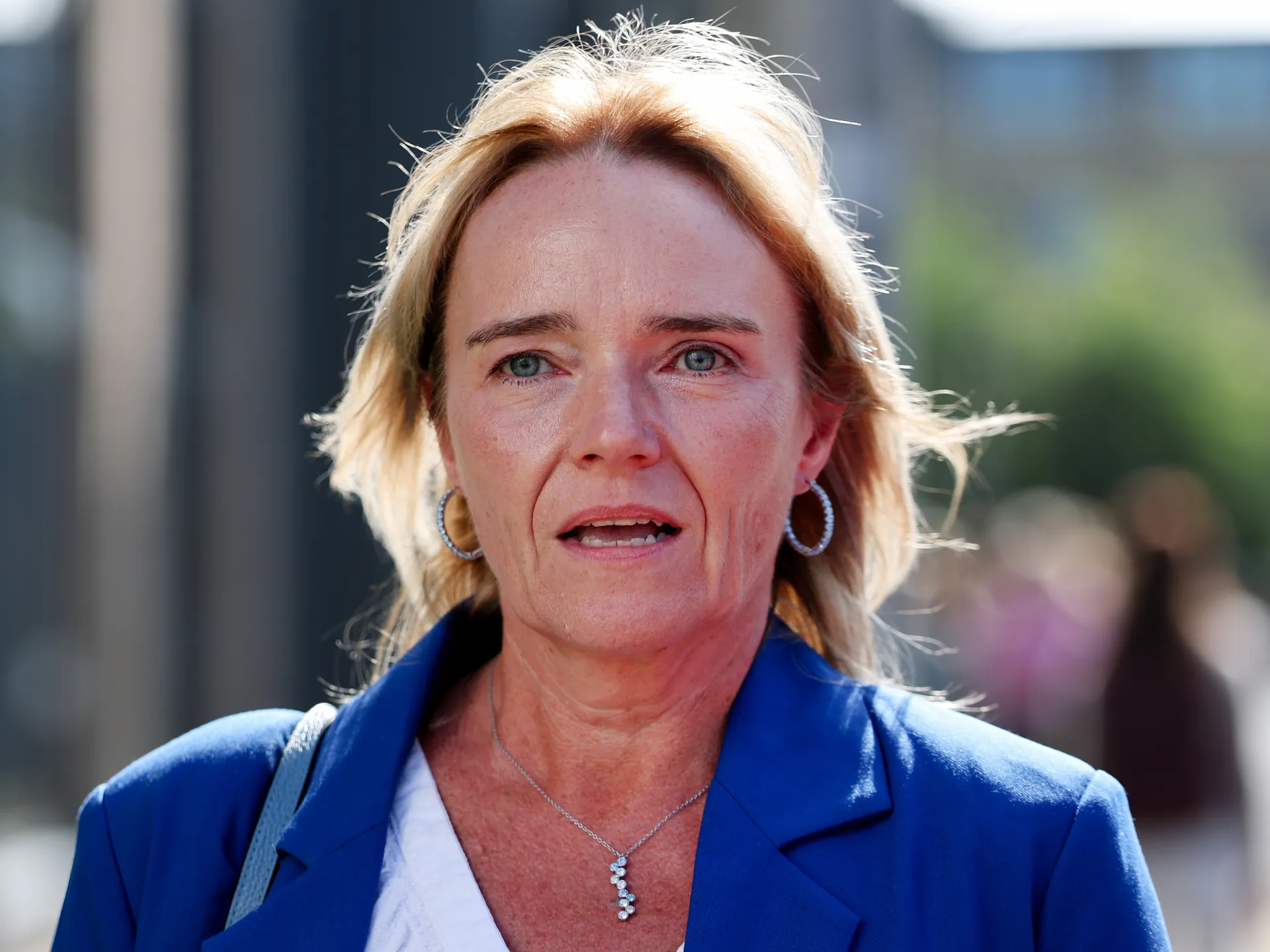
The tribunal examined the experience of nurse Sandie Peggie, whose service in healthcare spans more than three decades and includes an extensive record described as previously unblemished. She raised concerns after being instructed to share a women’s changing room with Dr Beth Upton, a transgender clinician whose presence prompted a dispute on Christmas Eve in 2023. That incident later triggered allegations of bullying and questions about patient care, which resulted in Peggie being placed on special leave during a complex internal process that extended far longer than anticipated.

Peggie argued that she had been subjected to harassment in violation of the Equality Act, along with several related claims involving discrimination, victimisation and inappropriate treatment following her initial complaint. She said the experience left her distressed, isolated and uncertain about her professional future as the protracted process unfolded over many months. Her statement following the interim ruling conveyed deep relief as she reflected on the toll the situation had taken on her family life during an already difficult period. She expressed gratitude that part of her claim had finally been recognised while reserving further comment until the final determination.
The tribunal assessed a wide range of evidence presented across hearings held during February and July under Judge Sandy Kemp. The resulting judgment, running to over three hundred pages, delivered a nuanced interpretation of both events and legal principles. It dismissed Peggie’s claims against Dr Upton entirely, noting the doctor’s evidence presented a more consistent and coherent structure that withstood careful scrutiny. It also dismissed some additional claims raised against the health board while upholding her central allegation of harassment, focusing particularly on the board’s failure to withdraw Upton’s interim permission to use the women’s changing room while alternative rotas were arranged.
The ruling criticised NHS Fife for allowing an unreasonable delay in investigating separate allegations concerning patient care, which had lingered for eighteen months before being resolved in Peggie’s favour. The judgment noted concerns about the credibility of a few aspects of Peggie’s evidence, including attempts to distance herself from offensive comments unrelated to the original dispute. However, the panel emphasised that her long professional record remained otherwise unmarked until the changing-room confrontation occurred. That context shaped the tribunal’s understanding of her motivations and her stated discomfort at sharing a private space with someone she regarded as male.
The tribunal accepted her belief as genuinely held, even while acknowledging that some comments made during the incident used language that she knew would likely cause offence. The judgment highlighted that terminology such as “transphobic” does not carry formal legal definition in the context of employment law, and therefore required careful interpretation of intent and impact. Ultimately, the tribunal concluded that Peggie’s objection stemmed from her sincere understanding of biological definitions rather than malicious intent, though her language during the incident remained a significant factor considered within the overall assessment.
Many campaigners reacted swiftly, offering contrasting interpretations of what the ruling signifies for wider equality debates. Supporters of sex-based rights celebrated the finding as an important recognition of concerns routinely expressed by women who value privacy in sensitive environments within the workplace. Peggie’s solicitor, Margaret Gribbon, described the outcome as a significant victory for her client, whom she praised for her determination in navigating an emotionally draining process while defending her rights under the law.
Other voices expressed disappointment, particularly among groups advocating for clearer guidance that definitively upholds access rights for transgender employees in all relevant workplace settings. Critics argued that the tribunal failed to offer employers the decisive clarity they have sought since the Supreme Court ruling earlier this year concerning the definitions of sex and womanhood within the Equality Act. That earlier decision held that biological sex remains the basis for interpretation of those terms, but left open questions about how specific workplace facilities policies should be implemented in practice.
In his judgment, Kemp stressed that the Supreme Court’s ruling was not determinative for changing-room arrangements because such situations depend heavily on context, risk assessment and the operational needs of individual workplaces. He stated that granting a transgender person permission to use facilities aligning with their lived gender might be lawful under certain circumstances. Conversely, he acknowledged that holding a protected characteristic under gender reassignment does not automatically grant access where competing considerations apply. His decision underscored the importance of comprehensive policies that anticipate potential conflicts and avoid long investigative delays that can intensify distress for all involved.

NHS Fife responded cautiously, saying the organisation needed time to absorb the detailed findings. The board expressed regret for the pressures endured by staff during the dispute and reaffirmed its commitment to fostering supportive environments for employees and providing attentive care to its communities. The health board also faces criticism over legal costs exceeding two hundred thousand pounds, prompting renewed conversations about how public resources should be managed during lengthy workplace disputes involving complex legal questions.
This case also interacts with another recent tribunal decision involving a female employee at Leonardo UK in Edinburgh, who lost a discrimination claim after objecting to transgender colleagues using female toilets. That tribunal ruled the policy was a proportionate measure intended to create a supportive environment. Trans rights advocates, including representatives from the Good Law Project, argued that the two rulings undermine attempts to impose blanket restrictions on transgender individuals’ access to single-sex spaces following the Supreme Court’s earlier judgment.
The continuing public interest in these cases highlights a broader societal struggle to reconcile evolving understandings of gender identity with long-established expectations of privacy. It also raises questions about the pressures placed on frontline health workers who must navigate these tensions while performing demanding roles within essential services. Both supporters and critics agree that clearer guidance might help reduce conflict, particularly within settings where practical arrangements must operate effectively for staff with differing perspectives and needs. Until such clarity emerges, disputes of this nature seem likely to continue appearing in tribunals across the UK, each shaping the practical interpretation of equality law in real time.
A future hearing will determine the remedy owed to Peggie following the tribunal’s partial ruling, closing one chapter of a case closely watched across the country. Whatever the final outcome, the dispute underscores the need for thoughtful, workable policies that respect privacy, dignity and fairness while avoiding prolonged uncertainty for staff. This case stands as a reminder that law and lived experience often intersect in complicated ways that require careful consideration and compassionate leadership within every organisation seeking to deliver inclusive and well-functioning workplaces.
Related News:
 UK Must Act with Courage and Clarity on Israel-Palestine Conflict, Says Foreign Affairs Committee Report
 The Ketamine Crisis in the UK is a Silent Epidemic Leaving Users with Lifelong Pain
 London Set to Honour Euro 2025 Champions as Lionesses Take Victory Parade Through the Capital
 Targeted Attack in Bury Sparks Murder Investigation as Community Awaits Justice
 Princess of Wales Launches Animated Video Series to Support Early Childhood Development
 Heartbreak in the New Forest as Shetland Ponies Vanish, Community on Edge
 Radioactive Leak at UK’s Nuclear Warhead Base Sparks Outcry Over Safety and Secrecy
 Fire Contained at Edinburgh’s Arthur’s Seat After Overnight Battle by Firefighters
 Premier League Supercomputer Predicts Tough Season for Man Utd Amid Three-Team Title Battle
 Mystery Wallaby Spotted on Norfolk-Suffolk Border Sparks Police Appeal
 UK Weather: Heat Alerts Extended as Temperatures Set to Reach 30°C This Weekend
 Terence Stamp, ’60s British Film Legend and Star of Superman, Dies at 87
 Merseyside Police Helicopter Crew Cleared After Low-Altitude Pursuit of Suspect
 Is the UK Ready to Put Boots on the Ground in Ukraine? Assessing Military Capacity and Challenges
 Education Leaders Call for End to Compulsory GCSE Resits in English and Maths
 Police Scotland Spends £500,000 Compensating Officers Over Trump Visit
 Thousands of New School Nursery Places to Be Rolled Out Across England
 Urgent Action Needed on Windrush Compensation as Survivors Speak of “Waiting to Die”
 Tanni Grey-Thompson Faces Abuse Over Opposition to Assisted Dying Bill
 Rising Food Bank Dependence Highlights Deepening Hardship Across the UK
 Birmingham Bin Strike Enters Sixth Month as Negotiations Stall
 TfL Invites RMT to Resume Talks as London Tube Strikes End
 Over 40% of Private Renters Forced to Ration Energy to Afford Bills, Study Reveals
 Systemic Racism in Maternity Care Continues to Endanger Black Women in England, MPs Warn
 One in Three GPs in England Do Not Work in NHS, Raising Concerns Over Access to Care
 Northern Ireland Faces Fears of Prolonged Race Riot “Permacrisis”
 Nigel Farage Unveils Controversial Immigration and Welfare Plans at Reform UK Press Conference
 Great Britain’s Energy Operator Commits to Strengthening Grid to Prevent Blackouts
 Scottish Teenager’s Petition on Single-Use Plastics Gains Parliamentary Support
 White Low-Income Pupils in England Show Lowest Levels of School Engagement, Study Finds
 Ed Miliband Warns UK Government on X, Citing Elon Musk as a “Dangerous Influence”
 No Evidence Found to Substantiate Alleged Rape in Oxfordshire Churchyard, Police Confirm
 Questions Remain as Rugby Legend Lewis Moody Faces Motor Neurone Disease Diagnosis
 UK House Price Growth Slows as Buyers Exercise Caution Ahead of Autumn Budget
 Kemi Badenoch Unveils ‘Golden Rule’ to Halve Spending Cuts for Deficit Reduction at Tory Conference
 Massive London Poundland Fire Engulfs High Street
 Sussexes Warn on Children’s Phone Use Echoing Princess of Wales
 UK Rules Out Troop Deployment to Monitor Gaza Ceasefire, Pledges Diplomatic and Financial Support
 Paedophile Singer Ian Watkins Dies After Prison Attack
 Prince Andrew told Epstein “we are in this together”
 Former Premier League Referee David Coote Pleads Guilty to Child Image Offence
 DNA Test Confirms Alleged Stalker Is Not Madeleine McCann
 UK border officers deployed to Balkans to tackle migrant smuggling
 UK MPs warn of repeat riots over online misinformation
 New V-Level qualification to transform post-16 education
 Son of ex-England footballer dies in tractor crash
Giuffre’s bombshell memoir names Prince Andrew 88 times in shocking revelations
Son of ex-England footballer dies in tractor crash
Giuffre’s bombshell memoir names Prince Andrew 88 times in shocking revelations
 Real living wage set to rise nearly 7% for UK workers in 2026
 UK Campaigners Launch Bill to Grant Legal Rights to Nature
 M&S and Morrisons Lead Christmas Supermarket Taste Test
 New Prostate Cancer Drug Set to Halve Death Risk in England
 Brentford 3-2 Liverpool: Reds suffer fourth straight PL defeat
 Army Barracks to House Migrants as Hotels Phase Out
 Peterborough Mosques Tighten Security After Attack
 Reeves Faces Setback as Labour May Miss Homes Target
 Kate Winslet to Narrate Film Highlighting King’s Environmental Mission
 Trump’s UK Ambassador Urges North Sea Drilling to Strengthen US Ties
 French Taxi Driver Cleared in David Lammy Theft Case After Fare Dispute
 UK Bans Fake Numbers: Scammers Lose Their Trick
 M&S Profits More Than Halve After Cyber-Attack
 Kent village told to remove flags before Christmas lights go up
 Patients to Test Health at Home to Ease NHS Winter Pressure
 I’m a Celebrity 2025 line-up revealed: Osbourne joins
 Palace May Restore Hyphen to Andrew Mountbatten-Windsor’s Name
 Millionaires group urge Reeves to introduce wealth tax to ‘lift kids out of poverty’
 Shouting Works Best to Deter Gulls, UK Study Finds
 Reeves rejects £1bn plea for NHS redundancy payouts
 Northern Lights may illuminate UK skies this week
 PM Condemns Leaks, Vows Loyalty to Ministers and Stability
 Major Rent Reform Ends No-Fault Evictions in England
 Criminal Gangs Pose as Truckers to Hijack UK Supply Chains
 Stroke Patient Mistaken for Drunk, Care Delayed
 Van Dwellers Face Eviction After Park Misuse Sparks Outcry
 Royal Navy Shadows Russian Warships Entering the Channel
 Inside the Helpline Protecting Missing Children in the UK
 Boots Showstopper Beauty Bundle Outshines Many Advent Calendars This Holiday Season
 Labour’s ‘blinkered’ drive to build risks pushing wildlife to point of no return, nature experts warn
 PlayStation PS5 Deals Hit Lowest Prices Ahead of Black Friday
 Five-Year-Old Dies After Rare Tonsil Surgery Complication
 Starmer Says Labour’s Economic Plan Needs Years to Deliver