Published: 10 December 2025. The English Chronicle Desk. The English Chronicle Online.
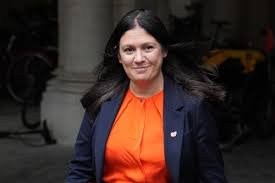
Young people in the UK have endured decades of what Culture Secretary Lisa Nandy calls “violent indifference” from political leaders, leaving them struggling to navigate a rapidly changing world. In announcing the first national youth strategy in 15 years, Nandy highlighted the urgent need to tackle isolation, digital risks, and declining trust in politics, aiming to empower the next generation to reclaim control over their own lives.
Speaking to the Guardian, Nandy described today’s youth as the most digitally connected yet simultaneously the most socially isolated generation in history. She warned that political disengagement is high, with many young people turning away from mainstream parties, including Labour, due to a lack of faith that politics can serve their interests. The new Youth Matters strategy seeks to reverse this trend, providing opportunities for youth empowerment, resilience building, and meaningful real-world connections.

The £500 million plan will give 500,000 more young people access to a trusted adult outside their home, including teachers, youth workers, or sports coaches, fostering guidance and support for personal development. The strategy also plans up to 250 new or refurbished youth clubs, 50 regional hubs offering professional support in cities such as Birmingham, Nottingham, and County Durham, and enhanced backing for youth workers to meet the growing needs of young people.
“There is urgency to this work,” Nandy said at the launch in Peckham, south London. “We have the most connected but also the most isolated generation, many of whom do not feel safe daily, in part because of online threats. England is an outlier, and the challenges are worsening despite global awareness of loneliness and wellbeing issues.”
Nandy explained that this generation has been shaped by the Covid pandemic, the cost-of-living crisis, global instability, and an ever-present digital world, creating a “perfect storm” of challenges. Although the Online Safety Act has introduced child protection measures, the online space remains toxic, and many young people are seeking guidance rather than social media bans. She cautioned that enforcement-heavy restrictions could criminalize under-18s, which is not the solution young people want.
“Instead, they need help navigating the online world safely, just as they do in real life,” Nandy added. Providing young people with physical spaces to connect, mentors to trust, and enriched activities especially for working-class youth could significantly improve their social and emotional wellbeing.
The strategy addresses long-term funding gaps, noting that local government spending on youth services fell by 73% between 2010-11 and 2022-23, with over 1,000 youth centres closing and more than 4,500 youth worker positions lost. Nandy emphasised that at the root of these challenges is a crisis of self-worth. “Young people need to feel they matter. Their vulnerability has been exploited by gangs and online predators alike,” she said.
Highlighting the importance of empowerment over lecturing, Nandy argued that voting campaigns alone cannot change youth engagement. “This strategy aims to genuinely empower young people to take control of their lives, make meaningful change, and realise their potential,” she said. By returning agency to youth, the government hopes to reverse decades of neglect and provide practical support that can help them thrive in an increasingly complex society.
The Youth Matters initiative represents a multi-faceted effort to address longstanding inequities, digital risks, and social isolation. By investing in mentorship, youth centres, professional support, and online safety, the plan seeks to rebuild trust in political structures while nurturing the next generation’s resilience. Nandy’s message was clear: empowering young people is not just a moral imperative but a societal necessity, ensuring that the most digitally connected generation is not also the most disconnected in reality.

With these measures, the government aims to create a sustainable framework for youth development, combining mental health support, safety guidance, and life skills education. By fostering real-world interactions and professional guidance, the strategy hopes to offset the negative impacts of economic pressures, digital overload, and fragmented social networks. For many young people, this could mark a turning point, offering practical tools to navigate the complexities of modern life with confidence and resilience.
Ultimately, Lisa Nandy framed the Youth Matters strategy as a response to decades of neglect, focusing on restoring agency, trust, and opportunity. With comprehensive investment and nationwide implementation, the initiative aspires to reverse the consequences of political indifference, providing a generation with the resources and support to thrive socially, emotionally, and digitally in the years ahead.
Related News:
 Government officials are being called on to assist students stranded in Gaza by offering them places at UK universities.
 Michele Dougherty Makes History as the UK’s First Female Astronomer Royal
 Tragedy in Cambridge: Two Arrested Over Fatal Assault of International Student
 Princess of Wales Launches Animated Video Series to Support Early Childhood Development
 My Husband Won’t Stop Playing with Lego and It’s Driving Me Nuts
 University Education Faces New Challenges as Students Question Its Value
 Learner Drivers to Face CPR and Defibrillator Questions in New Theory Tests
 More than a Quarter of A-Level Students Poised to Achieve Top Grades Across UK
 Record Number of UK Students Secure University Places Following A-Level Results
 From ‘Skibidi’ to ‘Mouse Jiggler’: Cambridge Dictionary Expands with Modern Slang and Social Terms
 Why Where You Live Can Affect Your School Grades – And the Gap Between Areas Is Only Widening
 Compulsory Period Education for Boys and Girls Urged by New Study
 Calls Grow for a Complete Ban on Smacking as Public Opinion Shifts
 Education Leaders Call for End to Compulsory GCSE Resits in English and Maths
 Thousands of New School Nursery Places to Be Rolled Out Across England
 University of Edinburgh Lecturers Launch Five-Day Strike Amid £140m Budget Cuts
 UK Set to Launch Its First ‘Super-University’ Through Landmark Merger of Kent and Greenwich
 UK Graduates in Healthcare Report Highest Satisfaction with Degree Choices
 Growing Crisis in UK Schools: One in Three Parents Seek Special Needs Assessments
 UK Launches Initiative to Teach Democracy to Toddlers in Memory of Sir David Amess
 UK Confronts Rising Crisis of Child-on-Child Sexual Abuse as Patterns Shift
 Historic Letters Unearthed on eBay Reveal UK Families’ Profits from Slavery
 It Changed My View’: Campaign Encourages Pupils in Deprived Areas to Consider University
 Report Finds School History Lessons Marginalise Women’s Contributions
 White Low-Income Pupils in England Show Lowest Levels of School Engagement, Study Finds
 UK Home Office approves extra visas for UCL international students amid deferred admission concerns
 Teacher Permanently Banned After Slapping Pupil Over Classroom Incident
 UK Universities Warn Students Ahead of 7 October Pro-Palestine Protests
 Parents spending £5,000 on special school assessments in England
 New V-Level qualification to transform post-16 education
 Oxford Union president-elect ousted following Charlie Kirk scandal
 The debate over England’s compulsory reading test for 13-year-olds
 One in 12 Secondary Pupils Sent to Isolation Weekly
 Children to Judge Inaugural Booker Prize for Young Readers
 Bloomsbury chief: AI will aid authors in beating writer’s block
 Marie Curie Launches End-of-Life Checklist to Ease Stress
 Is a two-week half-term a good deal? Some parents in England aren’t so sure
 Posthumous books are messy and fraught – but Virginia Giuffre’s gives her a voice
 Children to Learn Local History in Major Curriculum Overhaul
 UK University Suspends Human Rights Research Following Pressure from China
 UK University Faces Counter-Terror Probe Over China Pressure
 Top Christmas Books Reads: Classics to Cozy Romcoms
 Greta Thunberg Backs Student Facing UK Visa Revocation
 Audio Books deals and promo codes to explore in November 2025
China-critical UK academics face ‘extremely heavy’ pressure from Beijing
Audio Books deals and promo codes to explore in November 2025
China-critical UK academics face ‘extremely heavy’ pressure from Beijing
 Labour immigration crackdown could cost UK £4.4bn
 London’s Childlessness Crisis: Schools Closing as Families Shrink
 No link found between paracetamol in pregnancy and autism
 Government urges schools to ban phones to curb classroom disruption
 Nigeria’s $25m Museum Faces Political Storm Amid Benin Bronzes Debate
 Algeria Pardons French-Algerian Novelist Sansal After Year in Jail
 Phillipson Accused of Appeasing Unions by Diluting EBacc
 England’s Special Needs Support Faces Breaking Point
 Nigerian Education Reversal: Mother-Tongue Teaching Scrapped
 Higgs Donates Nobel Medal to His Beloved University
 UK Schools Face Staff Exodus Amid Wellbeing Crash
 Ex-Harvard President Pauses Teaching Over Epstein Emails
 Scottish Families Take Legal Action Over School CO Leak
 Men Aren’t Vanishing From Fiction, But Misconceptions Persist
 Oxford Names ‘Rage Bait’ Word of the Year
 King Charles Pledges to Defend Europe Against Russia
 Sevenfold Rise in Gatwick Detention Centre Incidents
 Graduate Surge Boosts Maths and Science Teacher Recruitment
 UK Ends Haven Status for Dirty Money in Bold New Crackdown
 UK Asylum Crackdown Fuels Deaths and Violence
 First Complete Ancient Celtic Dictionary Unveiled by UK Experts
 Farage Urged to Come Clean on Clacton Spending
 Reform campaign in Clacton faced ‘juggernaut’ scrutiny, say rivals
 Starmer Calls for Modern ECHR Curb to Counter Europe’s Populist Surge
 Christmas Code-Crackers: GCHQ Unveils Annual Festive Puzzle Card
 Asylum Overhaul Could Worsen Homelessness, Whitehall Warns
 Javid Claims Johnson Was Cummings’ Puppet Before Resignation
 Ministers to back regulation of England’s funeral industry
 Starmer’s communications chief to outline media strategy overhaul
 UK Set to Rejoin Erasmus as Student Exchanges Return
 Minister Rejects Claims of Abuse Against Hunger Strikers
 Farage avoids police investigation over election spending claims
 Kent Council Faces Scrutiny Over £40m Savings Claim
 Resident Doctors Seek Fresh Talks to Prevent New NHS Strikes
 Leaving ECHR Would Undermine UK Rights, Equality Chief Warns