Published: 11 December 2025. The English Chronicle Desk. The English Chronicle Online.
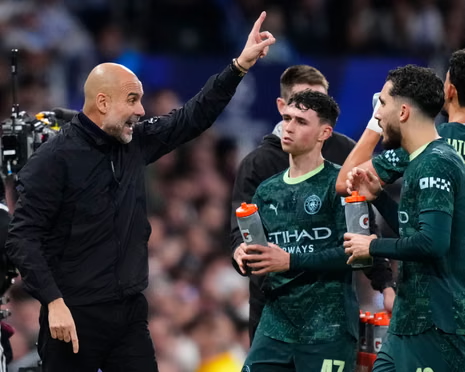
Pep Guardiola left the Bernabéu with three points secured, yet his expression revealed a manager unwilling to settle for comfort. Manchester City’s narrow 2-1 win over Real Madrid might thrill many visiting coaches, but Guardiola’s standards remain firmly rooted in the pursuit of sustained excellence. His side displayed resilience during moments of tension, but the manager stressed that these efforts alone would not be enough when the competition’s most demanding stages arrive early next year.

The evening carried layers of significance shaped by European history, managerial scrutiny, and the shifting momentum created by small details that defined each phase of the match. Real Madrid entered the game grappling with an uncharacteristic dip in form that had pushed Xabi Alonso into uncomfortable territory. The pressure surrounding his role intensified with each passing fixture, and this encounter only magnified those concerns. His team had recorded just two wins in their previous eight matches, which created an atmosphere burdened by uncertainty. The crowd sensed the fragility as the players walked onto the pitch, though early passages of play suggested a collective desire to fight through the doubts.
Madrid started with purpose, using strong possession spells to test City’s structure. Alonso’s team moved the ball with sharpness, and that early intent was rewarded when Rodrygo found a gap and placed a focused effort beyond the reach of City’s goalkeeper. The stadium erupted with both relief and belief, and Madrid looked briefly like a side rediscovering its identity. Guardiola watched with calm insistence, urging his players to tighten lines and quicken transitions as they attempted to absorb the concentrated pressure Madrid cultivated.
City eventually responded with growing confidence. Their equaliser came through Nico O’Reilly, whose rising influence has delighted supporters in recent months. His goal shifted the energy in the stadium because City’s attack suddenly developed a rhythm Madrid struggled to contain. The timing of the strike seemed to unsettle the hosts, particularly as defensive lapses began to re-emerge at critical moments. The visitors capitalised shortly before the interval when Erling Haaland stepped forward to take a penalty with trademark precision. His effort flew decisively into the corner, giving City a slim lead that held firm through a turbulent second half.
Guardiola’s assessment after the match highlighted satisfaction mixed with caution. His words reinforced the belief that true European contenders must avoid complacency regardless of where victories occur, even at one of football’s most iconic stadiums. He reflected on past visits to the Bernabéu where his side played at exceptional levels yet left without winning. This contrast shaped his message: City must ensure that performances align consistently with expectations, especially when the margins between advancement and elimination shrink in the knockout rounds.
He stressed the need for further improvement ahead of crucial fixtures next spring. City expect to face opponents like Paris Saint-Germain, Arsenal, and Liverpool, and Guardiola emphasised that the demands in those environments will exceed those of the Madrid match. He expressed confidence that his team would reach peak performance levels once injuries subside and the season enters its defining stretch. His remarks carried a sense of trust in his squad, tempered by the understanding that success in Europe comes only through relentless refinement.
Alonso, meanwhile, chose to focus on the resilience he saw in his players despite the mounting setbacks. His response reflected an effort to project steadiness in the face of deepening pressure. He spoke about the loyalty and commitment within the dressing room, highlighting the severe injury list that has hindered consistency and balance within the team. He reminded supporters that the fight on display represented a squad refusing to surrender despite ongoing complications affecting rhythm and results. The disappointment lingered, but he insisted that belief would carry them through a difficult stretch of the season.
Madrid supporters seemed torn between appreciating the effort and fearing the implications of another negative result. The club’s identity has long been tied to thriving in high-pressure Champions League situations, yet this phase has challenged their ability to recover quickly from adversity. Alonso’s attempts to stabilise the team have been met with mixed outcomes, and each match now feels pivotal to the future direction of the squad. Concerns over depth, defensive errors, and a lack of late-game clarity have become frequent themes in recent weeks. These issues resurfaced during the second half as City controlled phases with efficient possession, even without overwhelming intensity.
City’s midfield grew stronger as the game progressed, allowing them to dictate tempo with steady passing sequences. Their ability to shift shape and absorb Madrid’s counter-attacks demonstrated a degree of discipline that Guardiola found encouraging despite his broader concerns. Key players showed flashes of high quality, yet Guardiola’s view suggested that sustained brilliance, not sporadic bursts, will define their European campaign’s success.
The final whistle brought a mix of satisfaction for City and frustration for Madrid. For Guardiola, the night reinforced the valuable lesson that winning at the Bernabéu demands both skill and psychological strength. He acknowledged the achievement while reminding everyone that Europe’s toughest tests still await. For Alonso, the defeat underscored the urgent need for recovery, clarity, and confidence as Madrid attempt to navigate a turbulent stretch.

The broader story of the match extends beyond the scoreline because it reflects the contrasting trajectories of two clubs experiencing different forms of pressure. City continue to operate under the weight of expectation to defend their European crown, which shapes Guardiola’s insistence on higher standards. Madrid face the challenge of rebuilding their identity during a difficult period that threatens stability and continuity. The managers embody these narratives through their responses, with Guardiola projecting forward-thinking ambition and Alonso attempting to steady a ship buffeted by repeated setbacks.
As the Champions League group phase moves closer to its conclusion, both teams will look toward the next stage with different objectives but shared awareness of the unforgiving nature of European football. City aim to sharpen their performances to match Guardiola’s vision for peak competitiveness. Madrid seek to regain confidence, stabilise their form, and ensure that this period does not trigger deeper structural problems within the squad.
The encounter in Madrid served as a reminder of football’s capacity to expose vulnerabilities while simultaneously offering opportunities for growth. Guardiola’s demand for improvement indicates a belief that City can reach higher levels when required. Alonso’s message reflects determination to guide his team through adversity with belief and endurance. Both approaches reveal a manager’s response to pressure shaped by contrasting circumstances but grounded in the pursuit of progress.
The night concluded with questions lingering for Madrid and ambitions strengthening for City. The result may fade as the season progresses, but the themes of resilience, expectation, and ambition will continue shaping the journeys of both clubs as European competition intensifies.
Related News:
 Irish Hero Parrott Says Goal Brought First Tears in Years
 Scotland Fans Reflect on France ’98 as World Cup Looms
 Nigeria Misses World Cup Again After Play-Off Loss
 Cardiff Nights Could Propel Wales to World Cup Glory
 Germany and Netherlands Confirm Places in 2026 World Cup
 Spain Qualify for 2026 World Cup After Dramatic Draw
 Scotland End 28-Year Wait With Stunning World Cup Qualification
 From heartbreak to glory: Scotland’s dramatic return to the World Cup
 Tiny Curacao Makes History as Smallest Nation to Reach World Cup
 Haiti Qualifies for World Cup Despite Coach Never Visiting Country
 Scotland Fans Celebrate Historic World Cup Qualification
 Barcelona Returns to Camp Nou vs Athletic Bilbao
 Chelsea Dominates Barcelona with 3-0 Champions League Win
 Kids Football Coach Removed Over Suspected ‘Drugs Menu’
 Gerrard warns Liverpool’s terrible run could worsen
 Jac Morgan to Miss Six Nations Start After Surgery
 Barcelona, Atletico set for decisive La Liga showdown
 Barcelona Come From Behind to Beat Atletico 3-1
 Mbappe stars as Real Madrid thrash Athletic, close on Barca
 Wales hits 20,000-strong milestone in women’s football
 2026 World Cup Draw Explained Ahead of Ceremony
 Real Madrid Fight Hard but Alonso Faces Uncertain Future
 Emery Targets New Villa Era on Emotional Basel Return
 England’s Euro Odyssey: A Tale of Grit, Glory and the Lionesses’ Miraculous March to the Final
 Predicted Leicester Line-ups Reflect Cifuentes’ Tactical Plans Ahead of New Season
 Central London Gears Up for Lionesses’ Victory Parade as Thousands Prepare to Celebrate Historic Women’s Euros Win
 London Set to Honour Euro 2025 Champions as Lionesses Take Victory Parade Through the Capital
 Rangers Boss Russell Martin Launches Blistering Critique After Disappointing Draw with Motherwell
 Tottenham Takes On Newcastle
 Golden Glory Beckons: Ballon d’Or 2025 Nominee Frenzy Ignites Global Football Stage
 It’s Thanks to Gabby That I Caught My Prostate Cancer in Time’ – Kenny Logan Opens Up on His Battle and His Mission to Save Lives
 Minute’s Silence for Diogo Jota Abruptly Ended After Wembley Tribute Disrupted
 Rugby Confronts Safety Concerns with Smart Mouthguards at Women’s World Cup
 Premier League Supercomputer Predicts Tough Season for Man Utd Amid Three-Team Title Battle
 Aston Villa Under Pressure as Newcastle Take on Hosts in Premier League Opener
 FIFA Eyes Biennial Club World Cup from 2029, Plans Possible Expansion
 European Football: Atlético Madrid Stumble at Espanyol as Vitinha Secures PSG Win
 Nottingham Forest Clarifies Position on Nuno Espirito Santo’s Future Following Opening Weekend Victory
 Manchester United Face £300m Transfer Loss as Squad Value Highlights Long-Term Mismanagement
 Grimsby Stun Manchester United in Dramatic Penalty Shootout
 Guardiola Admits City ‘Forgot to Play’ After Shock Defeat to Brighton
 India Triumph in Dubai Amid Unexpected Twists
 Fábio Carvalho’s Last-Minute Heroics Deny Chelsea Victory at Brentford
 Dembélé and Bonmatí Shine as Ballon d’Or Winners in Glittering Paris Ceremony
 Liverpool Vs outhampton Set for Carabao Cup Clash at Anfield
 Chelsea Survive Lincoln City Scare to Advance in Carabao Cup
 Dramatic Derby: Sorloth Strikes as Atletico and Real Madrid Share the Spoils
 Arsenal VS Newcastle Hearts with Dramatic Late Turnaround at St James’ Park
 Aston Villa Fight Back to End Winless Run with Convincing Victory over Fulham
 Everton Held by West Ham as Bowen Cancels Out Keane’s Header in Nuno’s First Game
 ICC Women’s World Cup 2025: India to Host as Pakistan Fixtures Moved to Neutral Venues
 Mbappé Hat-Trick Powers Real Madrid to 5-0 Rout Over Kairat
 Monaco Hold Man City to Dramatic 2-2 Draw as Eric Dier Converts Late Penalty
 Postecoglou Stands Firm Amid Mounting Forest Fan Frustration
 Bournemouth Stun Fulham with Dramatic Comeback in Premier League Thriller
 Arsenal Edge Past West Ham Amid Injury Concerns
 Chaos at Ibrox as Martin’s Rangers Era Comes to an End
 Arsenal Showcase Depth and Flexibility as Arteta Eyes Title Challenge
 Questions Remain as Rugby Legend Lewis Moody Faces Motor Neurone Disease Diagnosis
 Cristiano Ronaldo Becomes Football’s First Billionaire Player
 Tuchel Critiques Wembley Atmosphere After England Victory, Sparks Debate on Fan Engagement
 Hyped by Zlatan, Hidden by Maldini: Italy’s Rising Star Francesco Camarda
 Son of ex-England footballer dies in tractor crash
 Gibbs-White Inspires Forest to Thrilling Win Over Porto
 Brentford 3-2 Liverpool: Reds suffer fourth straight PL defeat
 Manchester United triumph as Mbeumo brace seals thrilling win
 Fabio Wardley stuns Joseph Parker to earn Usyk title shot
 Wolvaardt’s Masterclass Fires South Africa into First World Cup Final
 Salah & Gravenberch Lead Liverpool to Win Against Villa
 Granit Xhaka Rescue Earns Everton Draw at Sunderland
 Bellingham has ‘the edge’ among England No 10s
Man City Masterclass on Guardiola’s Milestone Day Exposes Liverpool Woes
Bellingham has ‘the edge’ among England No 10s
Man City Masterclass on Guardiola’s Milestone Day Exposes Liverpool Woes
 VAR Must Rein Its Neck In to Save Football’s Spirit
 Mary Earps’s Manchester United Return Faces Mixed Reception
 Sam Kerr Stars in Chelsea Return with Champions League Double
 UK and Ireland Announce Venues for Euro 2028 Tournament
 Saka Solidifies Role as Tuchel’s Key England Lieutenant
 Former Lion Heskey Warns of Shortage of England Strikers
 Moyes Defends Gueye After Dramatic Everton Bust-Up
 Mbappe Scores 4 as Real Madrid Edge Olympiakos