Published: 12 December 2025. The English Chronicle Desk. The English Chronicle Online.
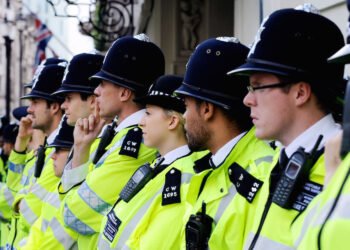
The Home Secretary has ordered an independent inquiry into potential vetting failures at the Metropolitan Police, amid serious concerns over the recruitment of hundreds of officers who may have joined without proper scrutiny. The move comes after revelations that up to 300 recruits hired between 2016 and 2023 may have undergone substandard or incomplete vetting processes, raising questions about the integrity and safety of Britain’s largest police force.

The inquiry, to be conducted by His Majesty’s Inspectorate of Constabulary and Fire and Rescue Services, will examine whether these recruits were adequately assessed before gaining police powers. Vetting is intended to identify applicants with criminal convictions, prior cautions, concerning associations, or financial vulnerabilities that could compromise integrity. The review follows an internal Met investigation, Operation Jorica, which began several months ago and flagged potential issues among recruits hired during this seven-year period.
The Metropolitan Police has faced repeated scrutiny after multiple scandals severely damaged its reputation. Officers previously allowed into the force despite clear risks include Wayne Couzens, who abducted and murdered Sarah Everard in 2021, and David Carrick, who perpetrated a prolonged campaign of rape and sexual violence against women while exploiting his position. These cases have intensified concerns over the effectiveness of recruitment and vetting procedures.
Home Secretary Shabana Mahmood has been kept fully briefed on the review, with officials monitoring the Met’s progress. Sources indicate that other police forces might have encountered similar vetting errors, suggesting the issue could extend beyond London. The Met has undertaken urgent revetting of recruits appointed during the 2016–2023 period, seeking to restore public trust and ensure officer reliability.
Much of the contested recruitment occurred during the police uplift programme, which aimed to hire 20,000 officers between 2020 and 2023 to address prior staffing cuts of 20,000 under the Conservative government. Rapid recruitment under this programme may have intensified pressure on vetting processes, potentially allowing underqualified or unsuitable candidates to join.
The vetting concerns predate Mark Rowley’s appointment as commissioner in September 2022 and relate to the leadership tenures of Dame Cressida Dick and her predecessor, Lord Hogan-Howe. Since Rowley took charge, approximately 1,500 officers have left the force as part of his efforts to restore professionalism and rebuild public confidence. The Met has declined to comment on whether any officers affected by the vetting review have resigned or been suspended, maintaining only that the process forms part of broader work on standards, professionalism, and accountability.
A 2022 report commissioned by the Met and authored by Louise Casey highlighted weaknesses in recruitment practices that enabled individuals suspected of serious criminal offences, including sexual assault and domestic abuse, to join or remain in the force. This report underscored systemic failures within the Met and reinforced calls for rigorous oversight of recruitment and vetting practices.
The forthcoming independent inquiry seeks to provide clarity on these failures, assess accountability, and recommend measures to prevent recurrence. Police leaders stress that restoring public trust is critical, and this review represents a decisive step toward safeguarding standards and reinforcing confidence in law enforcement. With rising public concern over officer conduct, the findings are expected to influence recruitment and vetting reforms across the UK.

The Met’s own statements emphasise a commitment to professional standards: “This review is part of our determined effort to raise standards across the organisation and increase trust and confidence within our communities,” the statement said, reflecting ongoing initiatives to ensure that officers meet rigorous ethical and operational benchmarks.
As the investigation unfolds, the public and policymakers alike will monitor its outcomes closely, recognising the significance of ensuring that all officers possess the integrity, reliability, and judgement required to protect communities. This review represents not only a reckoning for past failings but a foundational step in re-establishing a culture of accountability, vigilance, and trust within one of Britain’s most prominent policing institutions.
Related News:
 Tasers Introduced in UK Prisons to Combat Rising Violence and Protect Staff
 Targeted Attack in Bury Sparks Murder Investigation as Community Awaits Justice
 Man Remanded After Children Fall Ill at Leicestershire Summer Camp in Shocking Child Cruelty Case
 Hunt Intensifies for Southport Riot Suspects as Police Release Full List of 40 Still at Large
 AI Revolutionises Grooming Gang Investigations as Police Target Cold Cases Across England and Wales
 Police Advised to Disclose Ethnicity of Suspects in High-Profile Cases
 Victim of Catfish Predator Max Hollingsbee Speaks Out: “I Will Always Be Angry He Took My Innocence”
 Two Police Officers Dismissed Following Death of Man in Custody
 Merseyside Police Helicopter Crew Cleared After Low-Altitude Pursuit of Suspect
 UK Launches Major Crackdown on Networks Profiting from Online Child Sexual Abuse
 Charlie Kirk Killing Used to Mobilise UK’s Largest Far-Right Rally in Decades
 Scotland Yard Faces Renewed Scrutiny as Undercover Investigation Reveals Persistent Racism and Misogyny
 No Evidence Found to Substantiate Alleged Rape in Oxfordshire Churchyard, Police Confirm
 UK Police to Gain New Powers to Manage Repeated Protests, Home Office Announces
 Madeleine McCann Detectives to Testify Against Woman Accused of Stalking the Family
 Afghan Man Guilty of Threatening Nigel Farage in TikTok Video
 Asylum Seeker Accused of Walsall Murder Seen Elated Post-Attack
 UK Gamer Recruited by Wagner Group Found Guilty of Arson
 Migrant Sex Offender Deported After Erroneous Prison Release
 Five More Prisoners Freed by Mistake in Essex Week
 Nearly 48,000 Zombie Knives Removed from UK Streets in a Year
 Afghan man charged with murder after west London knife attack
 Man Charged Over Cambridgeshire Train Stabbing
 Pregnant UK Teen to Be Freed from Georgian Jail
 French Taxi Driver Cleared in David Lammy Theft Case After Fare Dispute
 Just Stop Oil Protesters Convicted Amid Climate Defence Row
 Lammy ‘misinformed’ over Wandsworth prisoner releases
 Met Police Culture Makes Racial Harm ‘Inevitable’
 British Grandmother to Return Home After Death Sentence in Bali
 Bar Council urges legal aid for all domestic abuse family cases
 Judges to Decide Fate of Chief Constable Guilty of Contempt
 Victims’ commissioner Baroness Newlove dies aged 63
 ‘Fake Admiral’ Sparks Outrage at Remembrance Event
 Paralegal Fired After Exposé on Illegal Worker Scam
 Dan Wootton Rejects Catfishing Allegation in Court
 Serial Rapist and Former Cop Found Guilty Again
 Gardener Guilty of Brutal Attack on Teacher Partner
 Man Arrested Over Manchester Synagogue Terror Attack
 Twelve Prisoners Released in Error, Two Still Missing
 Tragedy in County Fermanagh: Woman and Two Children Named as Victims in Northern Ireland Shooting
 Northern Ireland Family of Three Shot Dead in Maguiresbridge Home Incident
 Prison System Faced Collapse Under Sunak’s Leadership, Reveals Damning Review
 Diane lost her husband to a reckless driver — and the long wait for justice was nearly just as agonizing.
 Mass Arrests in London as Protest Defies Ban on Palestine Action
 Alarming rise in abusive teen relationships in the UK sparks urgent warnings
 Inquest Finds Agency Worker Failings Led to Unlawful Death of Vulnerable 14-Year-Old
 Mother of Olivia Pratt-Korbel Issues Powerful Gun Crime Plea
 High Court Rules Against Noel Clarke in Libel Case Against Guardian Publisher
 Akinwale Arobieke Found Dead at Liverpool Home
 Tanni Grey-Thompson Faces Abuse Over Opposition to Assisted Dying Bill
 Prime Suspect in Madeleine McCann Case Declines Metropolitan Police Interview Ahead of German Prison Release
 Mahmood Pledges Reform of Modern Slavery Laws After Court Blocks Deportation Appeal
 Migrants in UK May Need to Contribute or Face Removal, Home Secretary Signals
 Digital ID Plans Ignite Debate Over £600m Treasury Tax Boost and Privacy Concerns
 Massive London Poundland Fire Engulfs High Street
 Cooper Unveils £4m Cyber Plan Against Russian Hackers
 Paedophile Singer Ian Watkins Dies After Prison Attack
 Ian Watkins Killed in Prison; Ex-Girlfriend Speaks Out
DNA Test Confirms Alleged Stalker Is Not Madeleine McCann
Ian Watkins Killed in Prison; Ex-Girlfriend Speaks Out
DNA Test Confirms Alleged Stalker Is Not Madeleine McCann
 Peterborough Mosques Tighten Security After Attack
 Badenoch Warns Farage’s Grooming Gangs Plan Could Backfire
 Johnson Approved China’s London ‘Super-Embassy’ in 2018
 Mass Stabbing on Doncaster to London Train Leaves Ten Injured
 FBI Director Kash Patel Defends Girlfriend Amid Government Jet Claims
 Police Probe Four Knife Incidents Linked to Cambridgeshire Train Attack
 UK Bans Fake Numbers: Scammers Lose Their Trick
 King Charles to Lead Nation in Remembrance Sunday Service
 How to get help when a child goes missing – call 999 urgently
 ‘Reckless’ cuts to victims’ services will cost more than they save
 Major Rent Reform Ends No-Fault Evictions in England
 Peers Flood Assisted Dying Bill with 942 Amendments
 Rio Raid’s Death Toll Raises Questions About Gang Impact
 Criminal Gangs Pose as Truckers to Hijack UK Supply Chains
 Mother Watches in Horror as Teen Daughter Dies on Tracks
 Charlotte Raids: 130 Arrested in Major Immigration Sweep
 Man Charged Over Attempted Murder of Senior Officer
 Man Denies Stealing Bronze Age Gold from Museum
 Runaway Driver Caught by DNA Evidence
 Virgin Media Fined £23.8m Over Telecare Safety Failures
 Online Child Sexual Abuse Soars 26% as Police Demand Tech Action