Published: 23 December 2025. The English Chronicle Desk. The English Chronicle Online.
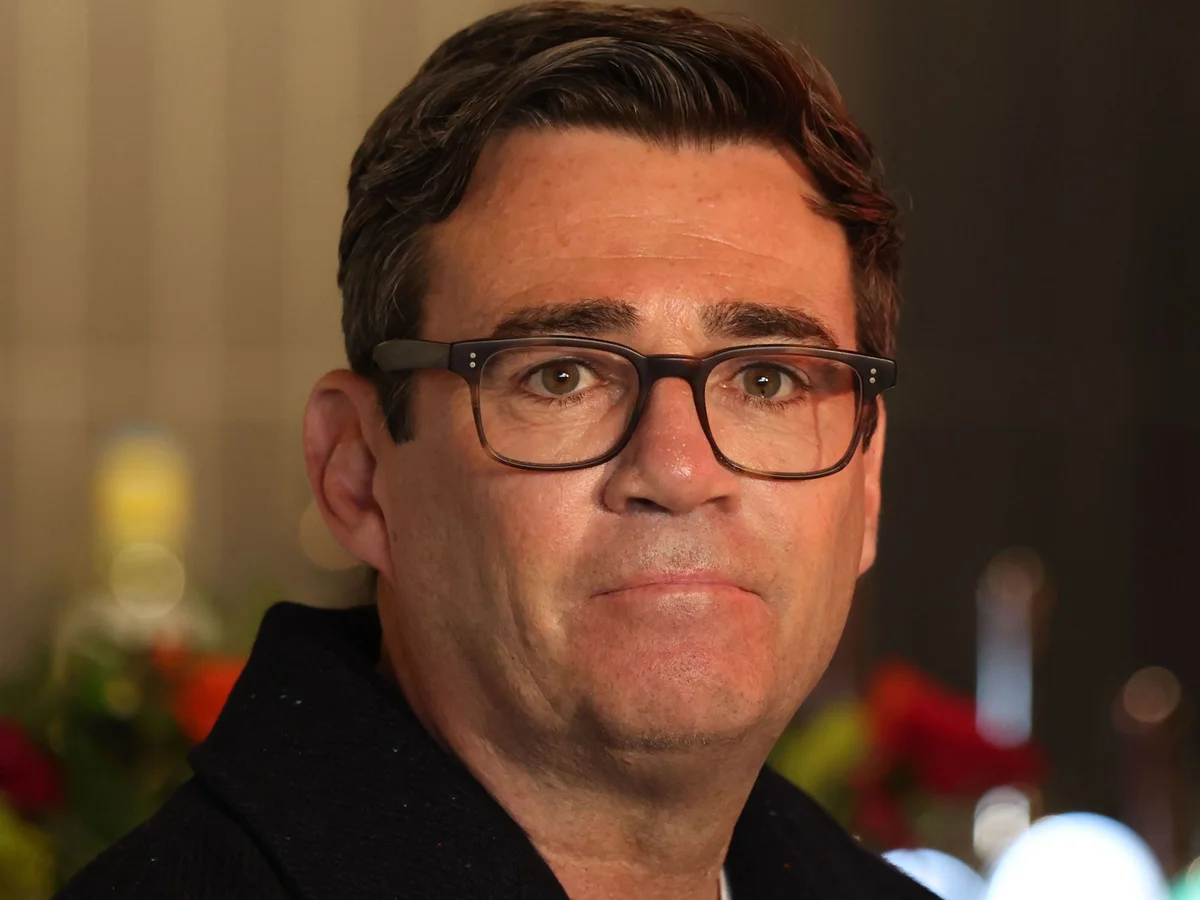
Greater Manchester Mayor Andy Burnham has issued a formal apology for past police discrimination against LGBTQ+ people, acknowledging the profound pain and suffering caused. The apology comes amid ongoing calls for accountability, highlighting the city’s historically fraught relationship between law enforcement and LGBTQ+ communities. Campaigners have noted that Burnham’s stance contrasts sharply with Greater Manchester Police (GMP) Chief Constable Stephen Watson, who earlier this year declined to apologise on behalf of his force, arguing it could appear superficial or performative.
The formal apology was addressed in a letter to campaigner Peter Tatchell, who has long sought recognition of historical mistreatment by UK police forces. Tatchell highlighted the significance of the apology in Greater Manchester, given that the city’s police force was once regarded as one of the most homophobic in the country. He recalled the actions of the 1980s, when Sir James Anderton, then GMP chief constable, notoriously described gay men dying of AIDS as “swirling around in a human cesspit of their own making.” Anderton’s homophobic religious motivations reportedly influenced directives instructing officers to target LGBTQ+ individuals.

Tatchell referenced several historical incidents that illustrated systemic harassment, including the notorious 1984 raid on Napoleon’s bar, where 23 plainclothes officers disrupted the venue under allegations of permitting “licentious dancing” contrary to local bylaws. Patrons had their identities recorded, and many were publicly outed, resulting in loss of employment and exposure to harassment, discrimination, and violence. Such episodes, Tatchell argues, reflected a broader pattern of institutional homophobia that has only recently been publicly acknowledged.
In his letter, Burnham emphasised that he recognises the shameful treatment historically suffered by LGBTQ+ communities and the discrimination they endured. He explicitly apologised to all LGBTQ+ people in Greater Manchester and across the UK for the failings of GMP during that era. The mayor noted he had read Watson’s previous response to Tatchell, describing it as “considered and respectful,” but also stressed the limits of mayoral authority, as mayors cannot direct chief constables due to their operational independence.
Tatchell welcomed Burnham’s apology, calling it “clear and unequivocal,” yet reiterated the importance of a direct apology from GMP itself. He expressed disappointment that Chief Constable Watson continues to resist issuing a full apology, noting that while a mayoral acknowledgment is significant, it cannot substitute for formal recognition from the institution directly responsible for historical abuses.
Watson’s previous correspondence with Tatchell, written in April, stated regret that GMP “didn’t always perform to the standards deserved by those whom we serve.” However, he declined a broader apology to the LGBTQ+ community, suggesting it would have “little or no difference.” Tatchell has committed to continuing advocacy for a comprehensive and formal apology from GMP, emphasising the importance of institutional accountability and historical recognition.
The apology by Burnham underscores a growing movement across the UK demanding that police forces confront past injustices toward LGBTQ+ communities. Similar apologies have already been issued by more than 20 other UK police forces, including the Metropolitan Police, Merseyside, Northumbria, and Police Scotland, acknowledging historical failings and discriminatory practices. Burnham’s letter, therefore, positions Greater Manchester within this broader context of national reflection and accountability, reinforcing the call for justice and recognition of victims’ experiences.
For many LGBTQ+ activists and historians, such apologies are not merely symbolic but represent crucial steps toward healing and acknowledgment of systemic prejudice. While the actions of police in the 1980s remain a painful chapter in Greater Manchester’s history, public recognition and formal apologies serve as essential components in rebuilding trust between law enforcement and marginalized communities. Burnham’s acknowledgment of historical wrongs and his commitment to inclusivity demonstrate leadership in confronting difficult truths, even amid institutional constraints.
The broader debate over apologies raises important questions about the role of symbolic versus institutional accountability. While individual leaders can express remorse and recognition, the need for formal acknowledgment from institutions directly responsible for past abuses remains critical to restoring confidence. This tension is exemplified in the differing approaches of Burnham and Watson, reflecting ongoing challenges in reconciling historical wrongs with modern standards of justice and equity.
The campaign led by Tatchell highlights how persistent advocacy can pressure political and institutional figures to confront uncomfortable truths. His persistence underscores that addressing past discrimination requires sustained effort and public engagement, reminding society that reconciliation and justice often necessitate both moral and legal acknowledgment. Tatchell’s continued efforts aim not only to secure apologies but also to ensure that systemic reforms prevent recurrence of similar abuses, promoting enduring inclusivity and fairness within policing practices.

Burnham’s public apology has been received with cautious optimism by the LGBTQ+ community and advocacy groups, many of whom view it as a meaningful step in a long process of reconciliation. The letter serves as both a recognition of harm and a call to action for continued vigilance against discrimination. By acknowledging historical wrongdoing, Burnham positions himself as a figure committed to ethical leadership and responsive governance, reflecting broader societal expectations for transparency and accountability.
Greater Manchester’s engagement in these discussions also serves as a reminder that historical injustices must be confronted openly to foster inclusive societies. Apologies such as Burnham’s provide an important precedent for other authorities to follow, signaling that recognition of past harm is a necessary step toward equality and social cohesion. The interplay between public advocacy, institutional response, and political leadership continues to shape the path toward meaningful justice for historically marginalized communities across the UK.
As the conversation surrounding apologies for past police discrimination evolves, it remains clear that individual and institutional acknowledgment of wrongdoing is crucial for trust, reconciliation, and social progress. Burnham’s apology represents an important milestone in this ongoing process, reflecting a commitment to confronting history with honesty and compassion. Yet the ultimate resolution hinges on GMP’s willingness to follow suit, offering a formal, unconditional apology to the LGBTQ+ community it once wronged.
Related News:
 British Woman in Iran ‘Losing Hope’ Amid Ongoing Detention
 BBC Journalist Held and Interrogated in Vietnam
 Boris Johnson: Tories Risk Election Loss if They ‘Bash the Green Agenda’
 Prince Andrew Under Pressure as MPs Question Royal Lodge Rent Arrangements
 Green Party Surges Past Labour in Latest UK Poll
 Celebrities and Charities Demand UK Government Act on Child Poverty
 Sultana says new party is aiming to ‘run government’
 Reform Councillor Defects to Tories Over ‘Uncomfortable’ Policies
 Experts Question HMRC Over Possible Child Benefit Privacy Breach
 Trump’s UK Ambassador Urges North Sea Drilling to Strengthen US Ties
 FBI Director Kash Patel Defends Girlfriend Amid Government Jet Claims
 Phillipson urges careful review of gender recognition guidance
 French Taxi Driver Cleared in David Lammy Theft Case After Fare Dispute
 Rachel Reeves Set to Break Labour Pledge and Raise Income Tax
 Thinktanks Urge Rachel Reeves to Reform UK Tax System
 Who is Rama Duwaji? What Zohran Mamdani’s wife has said about Gaza and ICE as he’s elected NYC mayor
 Lancashire council plans to close care homes and day centres
MPs Press Rachel Reeves to Hike Gambling Taxes
Lancashire council plans to close care homes and day centres
MPs Press Rachel Reeves to Hike Gambling Taxes
 Met Police Culture Makes Racial Harm ‘Inevitable’
 Nicola Sturgeon Urges SNP to Oppose New Oil Fields
 Lisa Nandy Broke Rules by Appointing Donor as Football Regulator
 Eleven Arrested After Pro-Palestine Protest at Villa Match
 Labour Falls to Fourth in Poll, Faces Historic Election Loss
Boris Johnson accused of undermining BBC leadership
Labour Falls to Fourth in Poll, Faces Historic Election Loss
Boris Johnson accused of undermining BBC leadership
 Remaining rebel Labour MPs have whip restored
 Cuts to home insulation funding threaten UK climate goals
 Tim Davie resigns as BBC director general amid bias claims
 ‘Reckless’ cuts to victims’ services will cost more than they save
 BBC director-general and news chief resign amid bias row
 Millionaires group urge Reeves to introduce wealth tax to ‘lift kids out of poverty’
 Starmer Faces Growing Dissent as Labour MPs Weigh Leadership Challenge
 BBC Faces Backlash as Reform UK Withdraws from Film
 Tim Davie Defends BBC Amid Bias Scandal Storm
 Reeves rejects £1bn plea for NHS redundancy payouts
 Farage appointee to lead Reform youth accused of anti-British views
Palace to reinstate hyphen in Andrew’s surname
Donald Trump threatens BBC over edited speech
Farage appointee to lead Reform youth accused of anti-British views
Palace to reinstate hyphen in Andrew’s surname
Donald Trump threatens BBC over edited speech
 British state supplied victims to ‘worst sex offender in history’
 Politics latest: Starmer ‘will fight any leadership coup’ as Streeting denies attempt to oust Labour PM
 PM Condemns Leaks, Vows Loyalty to Ministers and Stability
 Major Rent Reform Ends No-Fault Evictions in England
 Peers Flood Assisted Dying Bill with 942 Amendments
 England’s Special Needs Support Faces Breaking Point
 MoD warned over Excel risks before Afghan data breach
 UK Unveils Fast-Track Deportation and Asylum Overhaul
 UK Asylum Overhaul Sparks Debate Over Human Rights and Deportations
 UK Asylum Reforms: Temporary Refugee Status and Faster Deportations
 UK Candidate Moved to Safe House After Election Threats
 Mahmood Defends Tough Overhaul of UK Asylum System
 Scottish Ministers Express Alarm Over UK Asylum Reforms
 UK Warns China After MI5 Issues Espionage Alert
 Westminster Advances Legacy Bill Amid Criticism
 Minister Defends Tough New Asylum Reform Plan
 UK Net Migration Falls Sharply After ONS Revisions
 UK Vulnerable to Attack, Defence Committee Finds
 Labour Faces Historic Decline in Wales
 Rama Rebukes Mahmood for Targeting Albanian Families
 Russian Vessel Used Lasers on RAF Pilots, UK Claims
 PM Shares Emotional Letter to Son on Men’s Struggles
 MP Offers Seat to Help Burnham Challenge Starmer
 PM Highlights UK Business at G20 in South Africa
 Boris Johnson Oversaw Toxic No 10 Culture, Covid Inquiry Finds
 Kate Forbes: Motherhood Harder Than Politics
 Welsh Government Christmas 2020 Lockdown Criticised
Reeves to Crack Down on Benefit Fraud While Lifting Two-Child Limit
Welsh Government Christmas 2020 Lockdown Criticised
Reeves to Crack Down on Benefit Fraud While Lifting Two-Child Limit
 BBC to Expand Standards Panel and Create Deputy Director Role
 Most Tories Expect to Support a Farage-Led Government
 BBC Chairman Faces Scrutiny Over Bias Claims
 Labour MP claims devolution bill is ‘blatant discrimination’ against Cornwall
 English Mayors Set to Introduce Tourist Taxes
 Ex-Classmate Accuses Farage of Dishonesty on Racism Claims
 Millions Face Higher Taxes Under Reeves New Budget
 Peers Get Extra Time to Debate Assisted Dying Bill
 Planned Palestinian Flag Raising at Belfast City Hall Faces Delay Amid Legal Concerns
 Ex-Brexit MEP Rejects Claim of Pro-Russia Payments
 Government righting decades-old injustice for miners
 UK refugee resettlement under UN schemes drops sharply in one year
 Starmer Says Labour’s Economic Plan Needs Years to Deliver
 UK delays ruling on China embassy plan until January
 Culture secretary to review Telegraph takeover by Daily Mail owner