Published: 24 December 2025. The English Chronicle Desk. The English Chronicle Online.
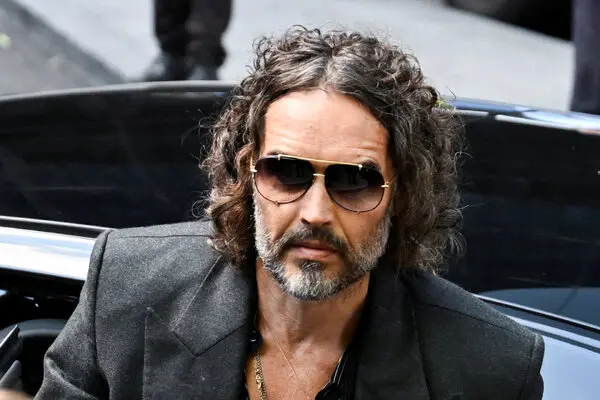
Russell Brand has been charged with further sexual offences, including a count of rape, deepening one of the most high-profile criminal cases involving a British media figure in recent years. The Metropolitan Police confirmed that the 50-year-old former entertainer now faces additional allegations involving two further complainants, significantly widening the scope of an investigation that has already drawn intense public scrutiny.
According to police, Brand has been charged with one count of rape and one count of sexual assault relating to two newly identified alleged victims. These latest charges come on top of the five existing counts he already faces, which include two counts of rape, one count of indecent assault and two counts of sexual assault. Brand pleaded not guilty to the original charges earlier this year, and the new developments mark a critical escalation in the ongoing legal process.

The allegations against Brand first emerged publicly following a joint investigation by Channel 4’s Dispatches programme and The Sunday Times. That investigation, broadcast and published in 2023, brought together testimony from multiple women who described encounters with Brand between 1999 and 2005. The women alleged a consistent pattern of coercive and predatory behaviour during a period when Brand was rising rapidly within the British entertainment industry.
Prosecutors allege that one of the most serious incidents occurred in the Bournemouth area in 1999, where Brand is accused of raping a woman. Other allegations include indecent assault in 2001 and further claims of oral rape and sexual assault in 2004. Additional alleged offences are said to have taken place between 2004 and 2005 in the Westminster area of London. The newly announced charges extend the alleged pattern of offending and bring the total number of complainants to six women.
Brand has consistently denied the allegations against him. In previous public statements, he acknowledged a history of drug addiction and what he described as sex addiction during his younger years, but he has firmly rejected any claim of non-consensual behaviour. “What I never was, was a rapist,” he said earlier this year, adding that he welcomed the opportunity to defend himself in court.
The renewed attention on Brand’s case has also reignited scrutiny of how broadcasters and production companies handled concerns about his conduct during his media career. Earlier this year, the BBC issued a formal apology to staff following an internal review into Brand’s time at the corporation. The review examined his work on Radio 2 and 6 Music between 2006 and 2008 and found that several individuals had raised concerns informally but felt unable to pursue them through official channels.
According to the BBC’s findings, staff believed that complaints would not be taken seriously because Brand was perceived as powerful and untouchable within the organisation. The review documented allegations of disruptive and inappropriate behaviour, including claims that Brand urinated into containers in studio spaces, threw objects, and made sexually explicit remarks on air. There were also allegations of sexual activity taking place on BBC premises, including with competition winners, and incidents of exposure in front of staff and guests.
Channel 4 and the production company Banijay, which worked with Brand on various projects, also conducted internal investigations. Banijay concluded that concerns about Brand’s behaviour were not properly escalated or adequately addressed at the time. Channel 4, however, stated that it found no evidence that anyone within the organisation was aware of the specific accusations later made public by the Dispatches investigation.
The case has sparked wider debate across the UK about institutional accountability, power imbalances in the entertainment industry and the long-term impact of alleged abuse on victims. Advocacy groups have pointed to the length of time between the alleged offences and the charges being brought as evidence of the barriers many survivors face when coming forward, particularly when the accused holds significant influence.
Detective Chief Inspector Tariq Farooqi, who is leading the Metropolitan Police investigation, emphasised that the force remains committed to supporting those who have come forward. He said that all complainants continue to receive assistance from specially trained officers and encouraged anyone else affected by the case to contact police. The investigation, he confirmed, is ongoing, and further developments cannot be ruled out.
Support services have also reiterated the importance of independent help for survivors of sexual violence. The charity Rape Crisis has highlighted the availability of its 24-hour support line, stressing that high-profile cases can be triggering for victims and that confidential support remains crucial.
Brand, who now lives in Oxfordshire, was born in Essex and rose to fame in the early 2000s as a stand-up comedian known for his provocative style. He later became a prominent television presenter, hosting programmes such as Big Brother’s Big Mouth, before transitioning into Hollywood films including St Trinian’s and Get Him to the Greek. At the height of his career, he was one of the most recognisable figures in British popular culture.

In recent years, Brand has undergone a dramatic public reinvention. He has moved away from mainstream entertainment and built a substantial online following as a commentator on politics, wellness and spirituality. Styling himself as a Christian-influenced wellness advocate, he has attracted millions of subscribers on YouTube and other platforms, with a particular resonance among audiences sceptical of mainstream media and political institutions. Critics have noted that this shift has aligned him with figures and narratives popular within alternative and right-wing online spaces.
Brand has not yet publicly commented on the latest charges. However, following his initial charging earlier this year, he said he was grateful for the chance to contest the allegations through the judicial process. He maintained that all his past relationships were consensual and argued that the court, rather than public opinion, was the proper forum for determining the truth.
Legally, the case is now entering a crucial phase. Brand is scheduled to appear at Westminster Magistrates’ Court on 20 January to answer the two new charges. He is also due to stand trial for the original five charges, with proceedings expected to begin on 16 June next year at Southwark Crown Court. The outcome of these hearings will likely have significant implications, not only for Brand himself but also for broader discussions around accountability and justice in cases involving historical allegations.
As the legal process continues, media organisations have been urged to report responsibly, balancing the presumption of innocence with the seriousness of the charges and the voices of those who have come forward. The case remains a stark reminder of the complex intersection between fame, power and vulnerability, and it continues to prompt reflection across British society.
Related News:
 Mother dies after black market weight loss injection
 Young Woman Missed 13 Times by GPs Before Bowel Cancer Diagnosis
 Peterborough Mosques Tighten Security After Attack
 It’s time to come clean on the China spy case
 Five More Prisoners Freed by Mistake in Essex Week
 Nearly 48,000 Zombie Knives Removed from UK Streets in a Year
 Prince Andrew Stripped of Title: Giuffre Family Hails Historic Moment
 UK Anti-Islamophobia Head Reports Being Refused Service Over Faith
 Afghan man charged with murder after west London knife attack
 Reform Councillor Defects to Tories Over ‘Uncomfortable’ Policies
 Metal Detectors at Stations ‘Would Make Life Impossible,’ Says Minister
 FBI Director Kash Patel Defends Girlfriend Amid Government Jet Claims
Trump Speaks on Prince Andrew’s Royal Scandal Fallout
FBI Director Kash Patel Defends Girlfriend Amid Government Jet Claims
Trump Speaks on Prince Andrew’s Royal Scandal Fallout
 Man Charged Over Cambridgeshire Train Stabbing
 Pregnant UK Teen to Be Freed from Georgian Jail
 Experts Warn on Home Birth Risks, Call for Skilled Midwives
 French Taxi Driver Cleared in David Lammy Theft Case After Fare Dispute
 UK Bans Fake Numbers: Scammers Lose Their Trick
 Just Stop Oil Protesters Convicted Amid Climate Defence Row
 Company linked to Michelle Mone owes £39m in tax
 Lammy ‘misinformed’ over Wandsworth prisoner releases
 Met Police Culture Makes Racial Harm ‘Inevitable’
 Southport Inquiry: Killer’s Parents Must Face Accountability
 British Grandmother to Return Home After Death Sentence in Bali
 Eleven Arrested After Pro-Palestine Protest at Villa Match
 Jailed UK climate protesters face extremist-style restrictions
 Boris Johnson accused of undermining BBC leadership
 Remaining rebel Labour MPs have whip restored
 Bar Council urges legal aid for all domestic abuse family cases
 Second world war veterans honoured as King leads Remembrance Sunday
 How to get help when a child goes missing – call 999 urgently
 ‘Reckless’ cuts to victims’ services will cost more than they save
 BBC Faces Backlash as Reform UK Withdraws from Film
 Madeleine McCann Suspect Forced into Woodland Hideout After Release
 Wes Streeting Denies Leadership Plot Against Starmer
 Judges to Decide Fate of Chief Constable Guilty of Contempt
 British state supplied victims to ‘worst sex offender in history’
 How age progression images help trace missing people
 Leading doctors issue warning amid ‘bad’ flu season
 UK Centres Used Risky Heart Pump Despite Safety Fears
 ‘Fever Pitch’ Screaming: Red Flags Before Sara Sharif’s Death
 Met Police Clarifies Scale of Grooming Gang Cases
 ‘Fake Admiral’ Sparks Outrage at Remembrance Event
 Criminal Gangs Pose as Truckers to Hijack UK Supply Chains
 Mum Calls for New Licence Rules After Teen Road Death
 UK Candidate Moved to Safe House After Election Threats
 Paralegal Fired After Exposé on Illegal Worker Scam
 Dan Wootton Rejects Catfishing Allegation in Court
 Mother Watches in Horror as Teen Daughter Dies on Tracks
 Serial Rapist and Former Cop Found Guilty Again
 Podcaster Faces Abuse Charges Over Controlling Behaviour
 Police Name Woman Who Died in Swindon as Murder Probe Continues
 Inside the Helpline Protecting Missing Children in the UK
 Most Tories Expect to Support a Farage-Led Government
 Swindon Counsellor Dies; Teen Arrested and Released
 Carer’s Allowance Chaos Draws Parallels With Post Office Scandal
 DWP to Reassess Hundreds of Thousands in Carer Allowance Scandal
 Gardener Guilty of Brutal Attack on Teacher Partner
 BBC Chairman Faces Scrutiny Over Bias Claims
 Ex-Classmate Accuses Farage of Dishonesty on Racism Claims
 15-Year-Old Arrested After Sheffield Shooting Leaves Teen Critical
 Inquiry Opens Into Disgraced Surgeon Eljamel Scandal
 Sudanese Family Vows to Stay After Racist Graffiti
 Ex-Brexit MEP Rejects Claim of Pro-Russia Payments
 Man Arrested Over Manchester Synagogue Terror Attack
 Twelve Prisoners Released in Error, Two Still Missing
 Kent Reform Councillors Criticised Over Political Staff Spending
 Targeted Attack in Bury Sparks Murder Investigation as Community Awaits Justice
 Massive London Poundland Fire Engulfs High Street
 Paedophile Singer Ian Watkins Dies After Prison Attack
 Reeves Faces Setback as Labour May Miss Homes Target
 Kate Winslet to Narrate Film Highlighting King’s Environmental Mission
 Trump’s UK Ambassador Urges North Sea Drilling to Strengthen US Ties
 Millionaires group urge Reeves to introduce wealth tax to ‘lift kids out of poverty’
 Reeves rejects £1bn plea for NHS redundancy payouts
 PM Condemns Leaks, Vows Loyalty to Ministers and Stability
 Greene Pushes Epstein Files Amid Trump Fallout
 PlayStation PS5 Deals Hit Lowest Prices Ahead of Black Friday
 Five-Year-Old Dies After Rare Tonsil Surgery Complication
 Starmer Says Labour’s Economic Plan Needs Years to Deliver