Published: 06 January 2026. The English Chronicle Desk. The English Chronicle Online.
UK car sales crossed a symbolic threshold in 2025, offering cautious optimism to an industry reshaped by disruption. After several difficult years, UK car sales exceeded two million vehicles, marking the strongest annual performance since before the pandemic. The rebound was driven largely by rapid growth from Chinese manufacturers, whose expanding presence transformed consumer choice and intensified competition across the market. For policymakers, manufacturers, and buyers, UK car sales in 2025 revealed both progress and unresolved structural pressures.
According to preliminary data from the Society of Motor Manufacturers and Traders, total registrations reached just over two million. Chinese brands accounted for almost one in ten of these vehicles, a remarkable leap within twelve months. This surge reshaped the balance of UK car sales, challenging established European, Japanese, and American manufacturers already navigating a difficult transition.
Industry figures show Chinese companies secured a 9.7 per cent market share, equating to roughly 196,000 vehicles sold. This represented nearly double their share from the previous year. MG remained the most prominent Chinese-linked brand, while BYD and Chery expanded aggressively through competitive pricing and wider dealership networks. The pace of growth signalled a structural shift in UK car sales rather than a temporary trend.

Electric vehicles played a central role in this transformation. Battery electric car registrations rose by almost a quarter year on year, reaching a record 473,000 units. Electric vehicles now represent 23.4 per cent of UK car sales, up four percentage points from 2024. This growth helped cut average emissions from new cars by around ten per cent compared with the previous year.
Despite the progress, industry leaders urged caution. Mike Hawes, chief executive of the SMMT, described the results as solid given economic uncertainty and geopolitical tensions. However, he warned that headline growth masked underlying strain. UK car sales remain below levels needed to ensure long-term profitability during the shift away from petrol and diesel vehicles.
Since the coronavirus lockdowns of 2020, consumer demand for new cars has struggled to recover fully. Rising living costs, higher interest rates, and supply chain disruptions reduced household appetite for large purchases. At the same time, manufacturers faced regulatory pressure to accelerate electrification, increasing costs while margins remained thin.
The UK’s zero-emission vehicle mandate has added urgency to this transition. For 2025, the policy set a target requiring 28 per cent of new car sales to be fully electric. While progress has been significant, the industry has not yet reached that level. As a result, manufacturers relied heavily on discounts and incentives to stimulate demand.
The SMMT estimates carmakers offered average discounts of £11,000 per electric vehicle sold, amounting to a cumulative cost of £5.5 billion. These incentives far exceeded discounts for petrol and diesel models, which averaged closer to £6,000. Such financial pressure highlights how fragile the economics of electric vehicles remain within UK car sales.
Chinese manufacturers benefited from this environment. Unlike the European Union or the United States, the UK has not imposed tariffs on Chinese electric vehicle imports. This allowed Chinese brands to price aggressively, appealing to cost-conscious consumers facing inflationary pressures. The result was rapid brand recognition and growing trust among British buyers.
BYD emerged as a standout performer, with sales climbing to approximately 51,000 vehicles, six times higher than the previous year. Chery’s brands, including Omoda and Jaecoo, expanded even faster proportionally, reaching about 54,000 registrations. MG sold roughly 85,000 vehicles, placing it just behind Mercedes-Benz and Hyundai in the UK market.
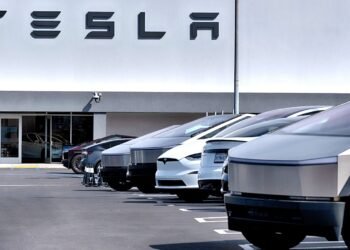
Tesla also contributed to the growing reliance on Chinese manufacturing within UK car sales. Although American-owned, Tesla exports many vehicles to the UK from its Shanghai factory. This further underlined how dependent the market has become on Chinese production capacity, particularly for electric models.
The Chinese government’s long-term industrial strategy has played a significant role. Heavy state backing supported electric vehicle manufacturing at scale, allowing companies to innovate rapidly while keeping costs low. Beyond fully electric cars, Chinese firms also found success selling plug-in hybrid vehicles, which combine petrol engines with smaller rechargeable batteries.
Plug-in hybrids gained popularity in 2025, with sales rising by around one third. These vehicles appealed to consumers seeking lower emissions without the perceived inconvenience of full electrification. For manufacturers, plug-in hybrids offered higher profit margins and greater flexibility under regulatory rules.
However, this trend complicated compliance with the UK’s emissions targets. The zero-emission vehicle mandate allows limited flexibility, enabling manufacturers to offset lower electric sales with plug-in hybrid volumes. While this helped avoid immediate penalties, it delayed the full transition envisioned by policymakers.
Several established manufacturers felt the impact of intensifying competition. Japanese brands including Toyota, Nissan, Honda, and Suzuki recorded weaker sales compared with previous years. European groups also faced pressure, with brands such as Citroën, Fiat, and Seat experiencing declines amid shifting consumer preferences.
These losses reflected not only price competition but changing perceptions. Chinese brands increasingly positioned themselves as technologically advanced and well-equipped, challenging assumptions about quality and reliability. As UK car sales evolve, brand loyalty appears less fixed than in previous decades.
The regulatory environment added further complexity. In April, the UK government introduced additional flexibilities into the zero-emission mandate, easing compliance requirements. While welcomed by manufacturers, the changes sparked debate about whether the government risked undermining climate ambitions.
Pressure intensified after the European Union proposed softening its planned ban on new petrol and diesel cars from 2035. Observers noted that divergence between UK and EU policy could create uncertainty for manufacturers operating across multiple markets.
The Energy and Climate Intelligence Unit suggested the industry likely avoided fines under the mandate for a second consecutive year. Accounting for flexibilities, manufacturers needed electric vehicles to represent only 20.4 per cent of UK car sales to avoid penalties. This gap highlighted the distance still to travel.
Consumer sentiment also remains fragile. In November, Chancellor Rachel Reeves announced a future pay-per-mile charge for electric vehicles, scheduled to begin in 2028. Although intended to replace declining fuel duty revenues, the proposal raised concerns about discouraging adoption.

The SMMT said it was too early to measure the policy’s impact on purchasing decisions. However, Hawes criticised the mixed messaging, noting the contradiction between introducing future charges while offering grants to promote electric vehicles today.
Looking ahead, the industry called for an earlier review of the zero-emission mandate, rather than waiting until 2027. Manufacturers argued that clearer, more stable policy would support investment and consumer confidence, sustaining momentum in UK car sales.
The 2025 figures ultimately tell a complex story. UK car sales recovered to pre-pandemic levels, driven by electrification and new market entrants. Yet beneath the headline growth lies a sector under strain, balancing affordability, regulation, and long-term sustainability.
As Chinese brands continue expanding and electric vehicles reshape purchasing habits, the UK market stands at a crossroads. The decisions made over the next two years will determine whether recent gains represent a durable recovery or a temporary surge shaped by extraordinary circumstances.
Related News:
 North Sea oil workers must lose weight or face job loss
 UK Taskforce Unveils Plan to Streamline Nuclear Reactor Rules
 Anglian Water Fined £63 Million Over Sewage Scandal Amid National Outrage
 How to Exit Your Broadband Contract Without Paying Exit Fees
 Permission Granted for Britain’s First Vertical Rocket Launch at Shetland Spaceport
 Government Expands Electric Car Grant Scheme, Offers Discounts on Five More Models
 Ed Davey Urges Government to Block Elon Musk’s Tesla from Supplying UK Home Energy
 UK Could Generate Nearly £2bn Annually by Taxing SUVs, New Study Reveals
 Google Pledges £5bn AI Investment in UK Ahead of Trump State Visit
 Donald Trump’s UK State Visit Kicks Off Amid Major Tech Investments and Business Engagements
 Jaguar Land Rover Extends Production Halt Following Cyber-Attack
 British AI Startup Outshines Human Forecasters in Global Prediction Contest
 Royal Mail Owner Acquires Stake in Collect+ and Launches High Street Rebrand
 Jaguar Land Rover to Resume Production After Cyber-Attack, Launches Supplier Support Scheme
 NHS May Pay 25% More for Medicines Amid US Drug Talks
 Watchdog Rules Red Tractor Ad Misled Public on Environmental Claims
 Tories Push to Dilute Labour’s Workers’ Rights Bill
 CMA Flags Concerns Over Greencore-Bakkavor Merger
 Derby Bounce Centre to Close Amid Car Park Dispute
 Reeves Faces Setback as Labour May Miss Homes Target
 How Bringing Forests Into Preschools Boosts Children’s Health
 Critically Endangered Spider Rediscovered in UK After 40 Years
 Virgin Trains Moves Closer to Challenging Eurostar Monopoly
 UK Small Business Owner to Challenge L’Oréal in Tribunal
 Trump’s UK Ambassador Urges North Sea Drilling to Strengthen US Ties
 150-Year-Old Arctic Beer to Be Reborn in Scotland
 Court Hears Challenge Over Water Bills Funding Sewage Fixes
 London bagel shop tops Deliveroo’s global orders list
 ABF May Split Primark from Food Division Amid Tough Market
 Rachel Reeves Set to Break Labour Pledge and Raise Income Tax
 UK Bans Fake Numbers: Scammers Lose Their Trick
 UPS Cargo Plane Crash in Kentucky Kills Seven
 England Curriculum Review Recommends Major Changes
 Thinktanks Urge Rachel Reeves to Reform UK Tax System
 Gopichand Hinduja, UK’s Wealthiest Business Leader, Dies
 M&S Profits More Than Halve After Cyber-Attack
 Company linked to Michelle Mone owes £39m in tax
 Tony Blair think tank warns Rachel Reeves must cut taxes if manifesto broken
 Oprah enjoys Meghan’s jam on English muffins
MPs Press Rachel Reeves to Hike Gambling Taxes
Oprah enjoys Meghan’s jam on English muffins
MPs Press Rachel Reeves to Hike Gambling Taxes
 Experts Urge Legal Right to Timely Cancer Care
 Patients to Test Health at Home to Ease NHS Winter Pressure
 One of world’s last dinosaurs on sale for £3m
 NHS Takes Over Nuffield Hospital in ‘Windfall’ for London Care
 Cuts to home insulation funding threaten UK climate goals
 No link found between paracetamol in pregnancy and autism
 Government urges schools to ban phones to curb classroom disruption
 Warning as Britons prepare to spend £4 billion this Black Friday
 Troubled drinks giant Diageo names former Tesco boss to lead turnaround push
 Millionaires group urge Reeves to introduce wealth tax to ‘lift kids out of poverty’
 Northern Lights May Illuminate UK Skies Amid Strong Solar Storm
 Taylor Wimpey Sales Drop Amid Budget Uncertainty
 Borough Market Clash Sparks Influencer Backlash
 UK toy market enjoys bumper year as ‘kidults’ fuel demand
 Northern Lights may illuminate UK skies this week
 New laws to bolster UK’s defences against cyber attacks on NHS, transport and energy
 UK Greenlights First Small Nuclear Plant in North Wales
 Higgs Donates Nobel Medal to His Beloved University
 Reeves’s Tax U-Turn Triggers Fresh Jitters in UK Markets
 Global markets drop amid tech sell-off and China slowdown
 PM Highlights UK Business at G20 in South Africa
 Eurotunnel Investment Halted as UK Rates Soar
 Mossmorran Plant Closure Hits Cowdenbeath Hard
 UK Energy Bills to Rise Slightly in January
 UK Government Borrowing Higher Than Expected
 Coffins Now Too Large to Cremate Amid Rising Obesity Crisis
 Thinktank Urges Smaller Hospitals to End NHS ‘Permacrisis’
 Steel billionaire Lakshmi Mittal reportedly leaves UK
 NHS paediatric leave parents waiting months for answers
 Minister Denies Budget Leaks Have Harmed UK Economy
Budget 2025: Reeves Drops Economic Growth Reference
Minister Denies Budget Leaks Have Harmed UK Economy
Budget 2025: Reeves Drops Economic Growth Reference
 Ofcom urges platforms to limit abuse and curb online ‘pile-ons’
 English Mayors Set to Introduce Tourist Taxes
 Black Friday Footfall Falls as UK Shoppers Hold Back Amid Economic Concerns
 Starmer Says Labour’s Economic Plan Needs Years to Deliver
 Virgin Media Fined £23.8m Over Telecare Safety Failures
 Rising Water Bills Lift Troubled Thames Back to Profit
 Starmer’s communications chief to outline media strategy overhaul
 Bet365 Boss Nets £280m Despite Profit Drop
 Sainsbury’s CEO leads business honours in New Year list