Published: 15 January 2026. The English Chronicle Desk. The English Chronicle Online.
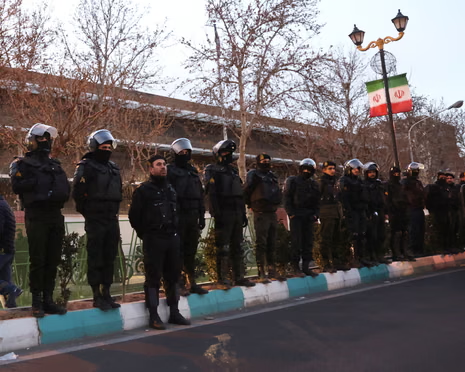
Donald Trump has signalled a temporary pullback from military threats against Iran, claiming he has been assured that the Iran killing of protesters has stopped and no executions are planned. The US president told reporters at the White House on Wednesday night that Iranian authorities had confirmed to “very important sources on the other side” that lethal force had ceased, though he provided no verification of the claims. This statement marks a notable shift after days of Trump warning he was “locked and loaded” if Tehran harmed demonstrators.
Trump’s comments come amid reports that thousands of Iranians have died during the ongoing unrest, and concerns about further Iran killing in retaliation through executions. Despite reviewing military options, Trump appeared unconvinced that any strike would achieve decisive results. “We’ve been told that the killing in Iran is stopping – it’s stopped – it’s stopping,” he said, emphasising that the US had yet to confirm the information independently.

Past actions suggest Trump has previously used ambiguous statements on Iran to manage both domestic perception and negotiations. In June, he implied US officials were deeply engaged in nuclear talks with Tehran, while military preparations for the 12-day conflict were ongoing. This pattern of signalling caution followed by feints continues to characterise his approach to Iran, particularly amid heightened tensions over anti-government protests and fears of renewed Iran killing.
The US president said that executions previously expected to occur that day would not take place. He stated: “There were supposed to be a lot of executions today… the executions won’t take place – and we’re going to find out.” Trump did not provide precise figures of deaths, which vary widely in reports. Meanwhile, leaders in the Middle East lobbied the president to avoid strikes, warning of inevitable Iranian counterattacks on US bases.
Iranian officials also sought to reassure the international community. Foreign Minister Abbas Araghchi told Fox News that no executions were planned in retaliation for the protests, noting, “Hanging is out of the question.” Similarly, judiciary chief Gholam-Hossein Mohseni-Eje’i indicated that any actions would be carried out carefully and only at the proper time. Erfan Soltani, the first protester sentenced to death since unrest began, was reported to have had his execution postponed following intervention from his family. Despite reassurances, international observers remain cautious about Iran killing resuming under government authority.
The Iranian government has continued its internet blackout, now entering its eighth day, although domestic telephone calls remain possible. In response to heightened tensions, Iran closed its airspace to most flights on Thursday, with airlines such as Lufthansa rerouting to avoid Iranian and Iraqi airspace. Meanwhile, US embassies in Kuwait, Saudi Arabia, and Qatar took precautionary measures, advising staff to avoid military installations temporarily. The UK also began evacuating staff from Tehran.
Tehran reportedly warned regional hosts of US bases that they could face retaliation in the event of a strike. Historical precedents, including the June missile attack on al-Udeid base after US nuclear facility strikes, underscore the volatility of US-Iran military interactions. Analysts emphasise that despite these warnings, Trump’s cautious approach signals an attempt to avoid immediate escalation.

In his Fox News interview, Araghchi stressed diplomacy over conflict, saying: “Between war and diplomacy, diplomacy is a better way, although we don’t have any positive experience from the United States. But still diplomacy is much better than war.” Despite this, there remains no breakthrough in resolving disputes over Iran’s nuclear stockpile and uranium enrichment policies. Amnesty International and other human rights groups continue to monitor the country closely, citing the risk of renewed Iran killing and systematic abuse.
Trump also expressed uncertainty about Reza Pahlavi, an exiled opposition leader, noting he was unsure whether Pahlavi could secure sufficient support within Iran. “He seems very nice, but I don’t know how he’d play within his own country,” Trump said, suggesting US involvement in Iranian leadership challenges remains distant.
The UN Security Council is scheduled to meet Thursday for a briefing on the situation in Iran, highlighting global concern over escalating unrest. Meanwhile, G7 foreign ministers warned that additional restrictive measures could be imposed on Iran due to the government’s violent crackdown on protests, arbitrary detentions, and intimidation tactics. Trump’s recent remarks signal a careful recalibration in US policy, prioritising intelligence assessments over immediate military action, to prevent further Iran killing while maintaining regional stability.
Related News:
 Trump Plans Venezuela Meeting, Warns of Cartel Land Strikes
 Mandelson apologises over Epstein ties after public scrutiny
 US Senate rejects resolution limiting Trump military powers
 Trump Calls Greenland Critical for US Security After Denmark Talks
 Machado Trump medal gesture reshapes Venezuela power struggle
 Trump Receives Machado’s Nobel Medal in White House Meeting
 Iran unrest slows under brutal crackdown and global tensions
 Trump Allies Pursue $200m European Gas Pipeline Deal
 US Considers Asylum for British Jews Amid Rising Antisemitism
 Trump slams UK ‘stupidity’ over Chagos Islands, eyes Greenland takeover
 UK Presses On With Chagos Handover Despite Trump Criticism
 Kim Jong-un Fires Vice-Premier Over Factory Failures
 Shinzo Abe’s killer receives life sentence in Japan
 Starmer Resists Matching Trump Amid Greenland Tensions
 Netanyahu Accepts Trump’s ‘Board of Peace’ Invitation
 South Korean Ex-PM Jailed 23 Years Over Martial Law Role
 Canada Rules Out Free Trade Deal With China Amid US Tensions
 Snow Threatens Japan Election Turnout Amid Extreme Cold
 Keir Starmer meets Xi to strengthen UK-China economic relations
 Crisis Looms as Liberals Debate Sussan Ley Future
 Cambridge Faces Scrutiny Over Arms Investment Transparency
 Files Link Andrew to Epstein Dinner After Prison Release
 Thousands Protest ICE Operations in Nationwide US Day of Action
 Epstein Files Reveal Trump Officials’ Emails with Financier
 Thousands Protest ICE in New York Against Trump Deportation Campaign
 Trump-Petro Meeting Sparks Hopes of Diplomatic Detente
 Epstein UAE Emails Shake British Royal Andrew’s Legacy
 Liberal Fallout: Taylor Challenge Casts Shadow Over Sussan Ley’s Leadership
 Ukraine, Russia Meet in Geneva Ahead of War Anniversary
 Brazilian Politician Brothers Sentenced for Marielle Murder
 Tommy Robinson Meets Trump Officials at US State Department
 HMS Dragon to Head to Cyprus Amid Rising Tensions
 Starmer Praised for Stance on Trump and Iran Conflict
 Yvette Cooper: UK Must Follow Principles, Not US Pressure
 UK Ministers Signal Strategic Independence From Trump Demands
 Slovenia Election: A Nation at a Crossroads
 Florida Governor renames Palm Beach Airport for Donald Trump
 Farage Shuns Truss as US Right-Wing Roadshow Hits London
 European Leaders Slam Hungary Over Alleged Russian Ties
 Starmer Urges Ambitious EU Ties Amid Middle East Conflict
 A Global Voice For Justice: Stephen Lewis Dies At Age 88
 Trump Mocks Starmer and UK Carriers in White House Speech
 Michigan Battleground: Middle East Crisis Stirs US Senate Race
 Final Countdown as Trump Deadline Looms Over Tehran
 Starmer visits Gulf as US and Iran agree ceasefire
 GOP Senator Criticizes Trump’s Feud With Pope Leo XIV
 Global Oil Prices Surge Amid Renewed Gulf Tensions
 Faith and Power: Catholics React to Trump-Pope Feud
 Timor-Leste Faces Tough Questions Over Resort Proposal
 Security Scrutiny After Washington Shooting Incident
 Aukus Submarine Plan Faces Critical Failures
 UK Envoy Sparks Controversy Over Special Relationship Claims
 US Calls Australia Media Law “Foreign Extortion”
 USS Gerald R Ford Ends Record Naval Deployment
 Activists allege abuse after Gaza flotilla seizure
 Global order shifts amid Trump-era turmoil
 Australia pushes Pacific security pact amid China tension
 Indiana Republicans Defy Trump in Key Vote Test
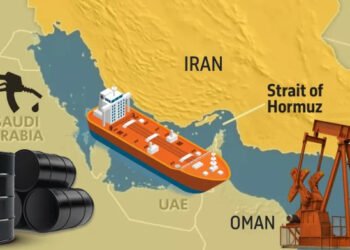 Middle East Crisis Escalates as Oil Routes Shake Markets
 One Nation Candidate’s Surprising Ties to Independents
 Anika Wells Repays Over £5,000 in Travel Claims
 Tensions Emerge in Netanyahu-Trump Alliance
 California Mayor Resigns Over Foreign Agent Charges
 Liberal Senator Criticises Immigration Rhetoric
 Hanson Stunner: Norway Model Sparking Energy Row
 Tony Abbott Returns as New Liberal Party President
 Tulsi Gabbard exits after turbulent intelligence tenure
 UK Urged to Build EU Rejoin Consensus, Says Miliband
 Zelenskyy warns over Oreshnik threat as Kyiv hit
 Discontent grows around Putin amid war strain
 Former ICC prosecutor condemns US sanctions
 Trump Weighs Retreat from Controversial $1.8bn Slush Fund
 Iran Prepares for Massive Six-Day Funeral for Khamenei
 Trump’s Mount Rushmore Speech: A Divisive Anniversary
 Iran Mourns: Millions at Khamenei’s Final Procession
 Starmer Braces for Nato Spending Clash in Ankara
 Trump Swaps Planes Amid Iran Tensions
 House Democrats Divided Over Israel Military Funding Bid
 Houthis Strike Saudi Arabia as Middle East Tensions Rise
 Taliban global ties grow as rights fears mount