Published: 21 January 2026. The English Chronicle Desk. The English Chronicle Online.
The Nationals are facing intense pressure as a crisis meeting threatens the stability of the Coalition government, following a split over Labor’s controversial hate speech laws. Focused discussions began on Wednesday evening, with Nationals MPs debating whether to resign from Sussan Ley’s shadow cabinet entirely. The party faces a dramatic decision after Senators Ross Cadell, Bridget McKenzie, and Susan McDonald defied shadow cabinet rules by crossing the floor, voting against the Coalition’s stance on the legislation. David Littleproud, Nationals leader, warned in a letter that acceptance of these resignations could trigger a mass shadow cabinet exit.
Ley accepted the trio’s resignations on Wednesday, reaffirming that shadow cabinet solidarity is a cornerstone of Coalition agreements. She stressed that ministers cannot vote against agreed positions without resigning, a rule that has now sparked deep divisions within the Nationals. The letter from Littleproud reportedly stated that if the resignations were accepted, the entire National Party shadow ministry would resign collectively to assume responsibility. This unprecedented threat has prompted a nationwide political debate over Coalition stability.

Sources confirm the Nationals convened virtually from 6pm on Wednesday for emergency talks. Tensions arose as multiple frontbenchers weighed the possibility of a collective resignation, a move that could destabilize Ley’s leadership, already under scrutiny due to declining public support and internal criticism. One Liberal MP described the potential mass walkout as “disappointing,” warning it could transform Labor’s legislative success into a story dominated by Coalition disunity. The debate has intensified following Labor’s recent passage of hate speech and gun control legislation, which the Nationals’ dissenting frontbenchers opposed.
Despite abstaining from the vote, Littleproud and other lower-house Nationals frontbenchers technically breached shadow cabinet protocols. Shadow cabinet sources noted that while the Nationals initially agreed to work with Labor, their position hardened, prompting the resignations. A further party room meeting on Wednesday morning focused on internal reflection, described by one Nationals source as addressing “pastoral care” for members. Concurrently, the Liberal leadership, including Ley and Senate leaders Michaelia Cash and Anne Ruston, held crisis discussions to address fallout and maintain party cohesion.
Senator Cadell expressed his willingness to return to the backbench if requested, emphasizing personal responsibility for crossing the floor. He stated, “I understand if you do the crime, you have to do the time, and if requested, I will be stepping down from shadow cabinet.” McDonald echoed commitment to her principles, supporting the legislation’s intent while recognising the Coalition’s broader stance against hate and extremism. She highlighted her tenure as shadow minister under both Peter Dutton and Sussan Ley as a privilege and thanked Littleproud for his trust.
The legislation, enabling the government to designate organisations as hate groups, expands the home affairs minister’s powers to cancel or refuse visas and imposes tougher penalties for religious leaders promoting violence. The Senate approved it 38 to 22, after 11pm on Tuesday, reflecting the contentious nature of the law. Liberal frontbencher Dave Sharma emphasised the need for Coalition unity, noting the trio’s votes did not align with agreed positions. He stressed the importance of enabling the government to take decisive action against incitement of hatred.
Political commentators note the current crisis echoes earlier post-election tensions in May, when the Nationals attempted to influence Ley on key policies, including nuclear energy, a regional future fund, and supermarket regulation. A week of intense negotiations later reconciled differences, but current events reveal lingering fractures within the Coalition. Analysts warn that a mass Nationals resignation could shift the political landscape dramatically, threatening legislative coordination and party credibility ahead of upcoming parliamentary sessions.
The Nationals’ internal divisions raise broader questions about party loyalty, shadow cabinet discipline, and leadership strategy. Ley’s insistence on cabinet solidarity underscores her commitment to governance rules, yet the Nationals’ willingness to consider collective resignation indicates unresolved dissatisfaction. As emergency meetings continue, observers are closely monitoring statements from key MPs, evaluating whether the party will maintain unity or further destabilise the Coalition.
Political analysts note that such disputes highlight systemic tensions within Coalition governance, where smaller parties must balance independent representation with collective decision-making. The Nationals’ potential mass walkout could influence public perception, parliamentary negotiations, and future electoral prospects. Discussions around pastoral care and accountability demonstrate attempts to mitigate internal conflict while addressing breaches of protocol. However, repeated challenges to shadow cabinet authority could diminish credibility, complicating coalition management in Parliament.
Parliamentary sources indicate that Ley has requested Littleproud to nominate replacements for the resigned senators, an effort to preserve legislative functionality. Meanwhile, internal debate within the Nationals over collective responsibility continues, reflecting contrasting perspectives on party discipline and loyalty. The crisis illustrates the delicate balance between individual MP convictions and party cohesion, especially under contentious legislation.

Observers emphasize that political stability depends on disciplined coordination and adherence to agreed principles. The Nationals’ deliberations may set a precedent for how smaller parties respond to leadership disputes and contentious legislation in the future. Analysts predict that any mass resignation would dominate media coverage, overshadowing legislative achievements and potentially influencing public opinion ahead of upcoming elections.
As the crisis unfolds, attention remains focused on whether collective resignation will occur or compromise measures will emerge. The outcome will significantly impact Coalition strategy, leadership authority, and parliamentary performance, with potential long-term consequences for both parties. With the Nationals’ crisis meeting underway, political stakeholders await clarity on decisions that could reshape Coalition governance and national legislative priorities.
Related News:
 Liberal Turmoil Threatens Victorian Election Hopes
 Hanson and Joyce Use Rinehart Jet to Tour Flooded Queensland
 Labor’s Hate Speech and Gun Laws Face Federal Roadblocks
 Sussan Ley leadership milestone shakes Liberal future
 Andrew Hastie Emerges as Leadership Rival to Ley
 Morrison Faces Backlash Over Call to Regulate Islam in Australia
 David Littleproud and Sussan Ley to Discuss Coalition Future
 Jess Wilson Event Exit After Joyce Controversy
 Australia’s Opposition Coalition Reunites After Rift
 Liberal Party Faces Leadership Spill as Taylor Challenges Ley
 Angus Taylor Faces Immense Test with New Frontbench
 Liberal Review Shelved After Historic Election Loss
 SA Liberals Back Candidate With Controversial Views on Homosexuality
 Senator’s Anzac Day Post Sparks Online Music Controversy
 Queensland Government Faces Heat Over Ministerial Scandal
 One Nation Stuns Australia With Historic Farrer Win
 Tony Abbott Returns as New Liberal Party President
 Tony Abbott Returns as New Liberal Party President
 Moira Deeming Gains Respite in Liberal Party Standoff
 Court Lifts Suppression on Senator Thorpe MCG Assault Case
 Army Officers Orders to Cut Ties with Men-Only Clubs
 Trump’s UK Ambassador Urges North Sea Drilling to Strengthen US Ties
BBC to Apologise Over Edited Trump Speech Amid Backlash
Trump’s UK Ambassador Urges North Sea Drilling to Strengthen US Ties
BBC to Apologise Over Edited Trump Speech Amid Backlash
 Millionaires group urge Reeves to introduce wealth tax to ‘lift kids out of poverty’
 Reeves rejects £1bn plea for NHS redundancy payouts
 PM Condemns Leaks, Vows Loyalty to Ministers and Stability
 Greene Pushes Epstein Files Amid Trump Fallout
 Shadow Fleet at Sea: Europe’s Battle Against Illicit Oil Shipping
 Starmer Says Labour’s Economic Plan Needs Years to Deliver
 PM pushes urgent hate speech and gun laws after Bondi terror attack
 Australia grants Asio powers to designate hate groups under new laws
 Trump press secretary attacks reporter over ICE question
 Spoof “Make America Go Away” Caps Rally Denmark Over Greenland
 Starmer Resists Matching Trump Amid Greenland Tensions
 Silence and Unity Mark Bondi Terror Attack Memorial
 Huge mistake: Labour blocks Burnham from byelection bid
 Labour targets Greens on drugs in Gorton Denton byelection
 Greens nominate Hannah Spencer for Gorton and Denton byelection
 Thousands Protest ICE Operations in Nationwide US Day of Action
 EU Signals Open Mind on UK Customs Union Talks
 Labour Thinktank Row Deepens Over Journalist Probe Claims
 Cabinet Secretary Shake-Up Triggers Due Diligence Warning
 Starmer Faces Inquiry Calls Over Thinktank Probe
 Royal Mail Delivery Crisis Deepens Amid Weather Chaos
 UK shelves £110m border project amid trade strain
 AFP Reviews Pauline Hanson Comments
 California Democrats Vow Trump Reckoning
 Trump Tariffs Threat Spark UK and EU Alarm
 Trump’s Surgeon General Pick Evades Vaccine Questions
 Anthony Albanese Must Uphold Rights for All Australians
 The Dangerous Rise of Remigration Across Modern Europe
 US to offer passport services in West Bank settlements
 Green Party Stuns Labour in Gorton and Denton Byelection
 Labour Together scandal sparks clean break vow
 Iran Defiance Grows Amid US-Israel War Pressure
 Starmer Praised for Stance on Trump and Iran Conflict
 NHS Plans to Cut Overseas Workers Labeled Overambitious
 Danish Election Deadlock Shakes Frederiksen’s Grip
 Pope Rebukes Leaders for War as Middle East Tensions Rise
 Army Probes Apache Flyover at Kid Rock’s Nashville Estate
 Farage Shuns Truss as US Right-Wing Roadshow Hits London
 Chancellor Meets Supermarket Chiefs Over Living Costs
 Italian Town Buys Mussolini Villa to Keep Away Fascist Fans
 Report Says Pezzullo Acted ‘Recklessly’ in Dealings
 Suspected Plot Targets Pipeline Before Hungary Vote
 Trump Defiant After Washington Hotel Shooting
 Starmer Survives Mandelson Rebellion
 Tough Fiscal Realities Await Next Scottish Government
 One Nation Candidate’s Surprising Ties to Independents
 Reform UK Faces Crisis as Newly Elected Councillors Resign
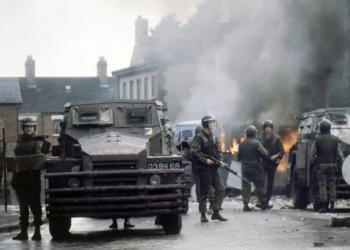 Secret Role of UK Security Services in Troubles Amnesty Law
 The Hidden Crisis Eroding Trust in British Communities
 Deepfake Abuse on X Sparks Safety Concerns for Dissidents
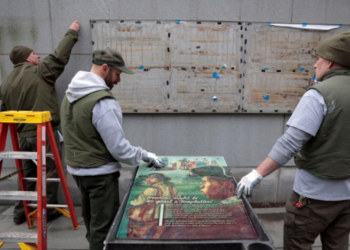 US Courts Back Trump on Park Signage Removals
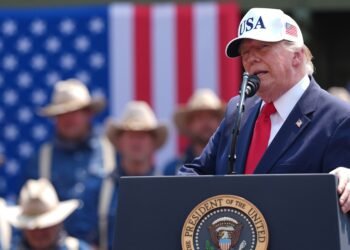 Trump’s Mount Rushmore Speech: A Divisive Anniversary
 Trump’s Red-Card Intervention Hurts the US World Cup
 Farage Warns Sky News Following Financial Inquiry
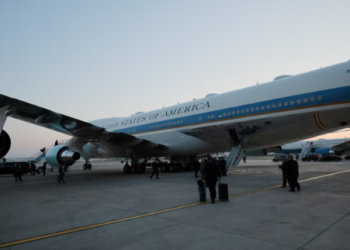 Trump Swaps Planes Amid Iran Tensions
 Ann Widdecombe, Formidable Political Figure, Dies at 78
 Houthis Strike Saudi Arabia as Middle East Tensions Rise