Published: 24 January 2026. The English Chronicle Desk. The English Chronicle Online
Each spring, Juha Kujala releases his reindeer into the forests that stretch along Finland’s eastern frontier, trusting an age-old rhythm that has sustained his family for generations. The animals roam freely through a vast wilderness of lichens, grass and mushrooms, returning months later, heavier and stronger, ready for winter. Or at least, that is how it used to be.
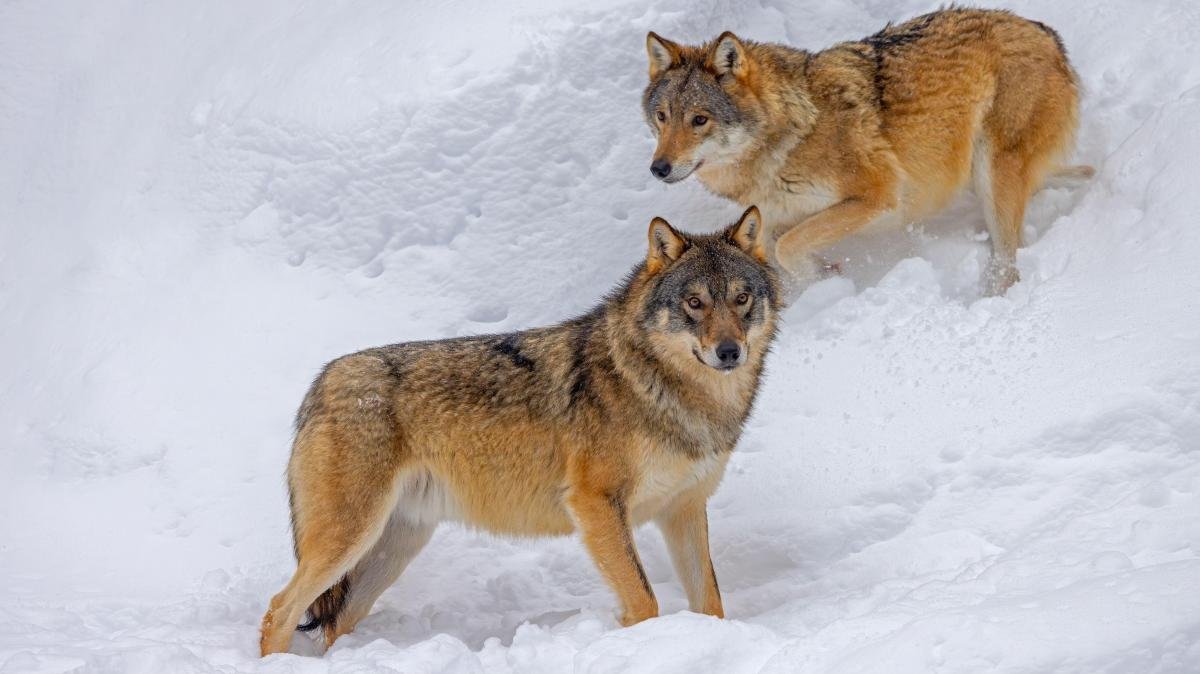
Now, as winter sets in and Kujala counts the animals that have returned to his farm near Kuusamo, uncertainty has become part of daily life. Since 2022, the 54-year-old herder has increasingly found the forest floor littered with bleached bones and scattered antlers, grim evidence of a growing threat. “The last year has been the worst ever for wolf attacks in this area,” he says quietly. “The reindeer are an easy catch for them.”
Finland recorded a staggering 2,124 reindeer killed by wolves in 2025, according to figures from the Reindeer Herders’ Association. It is the highest number ever documented, and many believe it represents only a fraction of the true toll. Carcasses are often consumed quickly, leaving behind little more than skeletons, sometimes discovered months later beneath snow or moss. For herders, each find is a reminder that a way of life rooted in centuries of coexistence with nature is under growing strain.

Among many in the herding community, suspicion has settled on an unlikely but politically charged culprit: wolves from Russia. The animals themselves are oblivious to the geopolitical upheaval unleashed by Moscow’s invasion of Ukraine, yet the war looms large in the explanations offered by those living along the 830-mile Finnish-Russian border. Herders believe that wolf numbers on the Russian side have surged because hunters who once controlled populations have been sent to fight, pushing predators westwards in search of food.
“My home is only 38 kilometres from the border,” Kujala says. “When it snows, you can see the tracks coming from their side. You can tell it’s wolves – they go for the throat and the legs. When you’ve seen enough dead ones, you know.”
Large animals have always crossed the forested frontier between Finland and Russia with ease. Bears, elk and wolves do not recognise political boundaries, and for decades this movement was largely uncontroversial. Before the war in Ukraine, Finnish herders were able to retrieve reindeer that wandered across the border, maintaining informal cooperation that softened the impact of migration. That has now ended. The border is effectively sealed, and contact with Russian counterparts has all but ceased.
This lack of communication has left Finnish authorities struggling to answer basic questions about what is happening on the other side. Are wolf numbers rising dramatically in Russia? Has hunting pressure declined? Or are other ecological factors at play? With no data-sharing and no joint monitoring, definitive answers remain elusive.
Scientists urge caution in attributing the surge in attacks solely to the war. Ilpo Kojola, a wolf specialist at Finland’s Natural Resources Institute, acknowledges that the timing raises eyebrows but stresses the limits of available evidence. “The wolf is a species that can increase rapidly,” he explains. “They are usually pretty limited by hunting in Russia, so it is possible that the war in Ukraine has had some role in the change. But it’s impossible to be conclusive. There could be other reasons that we do not yet have solid evidence for.”
Finland’s own wolf population was estimated at around 430 animals in spring 2025, part of the same subspecies found across the Russian border. Russia, by contrast, is believed to be home to as many as 60,000 wolves, making it one of the largest populations in the world. Kojola notes that history offers some parallels. During the second world war, wolf numbers in the Soviet Union reportedly doubled after millions of men were sent to the front, reducing hunting pressure. A similar spike followed the collapse of the USSR in the early 1990s.
“We don’t know how big a role border garrisons or local hunters played in controlling wolf numbers,” Kojola says. “But the increase in attacks is close in timing with the war in Ukraine, and that makes people draw connections.”
Genetic research provides some clues but not definitive proof. Mia Valtonen, a senior scientist responsible for genetic testing of wolves culled in Finland, says that many of the animals shot in recent years do not appear to originate from established Finnish packs. However, she is careful to underline the uncertainty. “We cannot say for sure that most of these wolves come from Russia,” she explains. “It’s likely, but we cannot say it for sure. Our genetic record of the entire wolf population is not yet complete.”
For herders, such scientific caution can feel detached from the realities on the ground. Many share photographs of skeletons they find in the forest, documenting losses they say threaten their livelihoods and culture. Reindeer herding is not simply an economic activity in northern Finland; it is a cornerstone of local identity, deeply tied to Sámi traditions and regional history.
“We do not hate the wolves,” Kujala insists. “But we need balance. The reindeer spend most of their lives out in nature. Around my farm there is a 50-kilometre area for them to roam. It’s impossible to protect them all the time. We need them healthy and strong. This is our life, our job, how we live. It’s been like this for hundreds of years.”
That call for balance is increasingly shaping policy debates across Europe. Until last year, wolves were strictly protected under EU law after being hunted almost to extinction in many countries. Conservation efforts were strikingly successful: wolf numbers across Europe nearly doubled from just over 11,000 in 2012 to more than 20,000 by 2023. With that recovery came conflict. Roughly 65,500 livestock are now thought to be killed by wolves each year across the continent, fuelling anger among farmers and rural communities.
In response, the EU downgraded the wolf’s conservation status, giving member states more flexibility in managing populations. Finland moved swiftly. At the start of 2026, it lifted its long-standing ban on wolf hunting and introduced a quota system aimed at limiting population growth while still maintaining a viable wolf presence.

Supporters argue that controlled hunting is necessary to protect reindeer and maintain public support for conservation. Critics warn that culling risks undermining decades of progress and could destabilise wolf packs in ways that actually increase attacks on livestock. The debate is highly charged, pitting rural livelihoods against environmental values, and science against lived experience.
In the border regions, the war in Ukraine casts a long shadow over these arguments. The closure of the frontier has not only disrupted reindeer herding practices but has also transformed perceptions of risk and responsibility. Wolves that once symbolised wilderness and coexistence are increasingly seen through the lens of geopolitics, their movements interpreted as a consequence of distant human conflict.
Yet even those closest to the issue acknowledge that certainty remains out of reach. Climate change, shifting prey populations, changes in land use and natural fluctuations in predator behaviour could all be contributing to the surge in attacks. Untangling these factors will take years of research and, crucially, cooperation that currently seems impossible.
For now, herders like Kujala continue their work with a sense of unease. Each winter return brings relief for the animals that survive and grief for those that do not. In the silence of the northern forests, the question lingers unanswered: are these deaths the result of a war hundreds of kilometres away, or simply another chapter in the complex, uneasy relationship between humans and predators?
As Finland searches for solutions, one thing is clear. The bones scattered across the snow-covered ground are not just evidence of predation; they are symbols of a fragile balance under pressure, where ancient traditions, modern science and global politics collide.
Related News:
 ‘Extinct’ Antelope Returns to Sahara, Bringing Hope
 Japan Prepares for Kashiwazaki Restart After Fukushima Legacy
 Half the World’s Largest Cities Face Rising Water Stress
 The Sound of Mayhem’: Terror and Loss at Mount Maunganui
 Greenpeace $345m Ruling Sparks Appeal Battle
 Musk’s xAI Permit Sparks Fury Over Power Plant Expansion
 The Truth Behind Rising Energy Costs and Fossil Fuel Myths
 Extreme Weather: Europe Shivers as Cyclone Narelle Hits
 Trump to Deploy “God Squad” Over Gulf Wildlife Protections
 Tragic End to Outback Search as Floods Claim a Life
 Escobar’s Hippos May Be Moved to India Zoo
 Capitalism ‘Suicidal’, Warns Petro at Climate Summit
 Ukraine strikes Tuapse as oil disaster worsens
 UN Faces Crucial Vote on Landmark ICJ Climate Ruling
 Man killed in shark attack on Great Barrier Reef
 China Storms Claim Fifteen Lives in Tragic Surge
 Wildfires rage across Europe as hundreds arrested in France
 BBC to Apologise Over Edited Trump Speech Amid Backlash
 Britain deploys RAF specialists to assist Belgium with drone threats
 Palace May Restore Hyphen to Andrew Mountbatten-Windsor’s Name
 Greene Pushes Epstein Files Amid Trump Fallout
 December Run-Off in Chile as Election Produces No Winner
 Zelenskyy Signs Fighter Jet Deal Amid Russian Drone Attacks
 Shadow Fleet at Sea: Europe’s Battle Against Illicit Oil Shipping
 Tiny Curacao Makes History as Smallest Nation to Reach World Cup
 US Suspends Afghan Immigration After White House Shooting
 Georgians Defy Government Crackdown After Year of Protests
 Irish Beach Tragedy: Irish Drown at Whitehaven Beach in Australia
 Sanctioned oil tankers sail Channel amid Russia scrutiny
 Judi Dench Champions Fight to Save London’s Green Spaces
 Pentagon Signals Reduced Role in Deterring North Korea
 Thousands Protest ICE Operations in Nationwide US Day of Action
 Chikungunya Spread in Europe Climbs as Climate Warms
 AFP Reviews Pauline Hanson Comments
 Trump Tariffs Threat Spark UK and EU Alarm
 The Dangerous Rise of Remigration Across Modern Europe
 US to offer passport services in West Bank settlements
 Iranian Australian community divided after vigils
 UK Rescue Flight Delayed Amid Middle East War
 Iran Defiance Grows Amid US-Israel War Pressure
 US Missile Strike on Iran School Sparks Global Shock
 Welsh Water Faces £44.7m Enforcement Over Sewage Breaches
 Australian Petrol Crisis Deepens as Local Stations Run Dry
 Oil Slides, Stocks Jump on Trump Peace Signals
 Danish Election Deadlock Shakes Frederiksen’s Grip
 Tropical Cyclone Narelle Batters the Western Australian Coast
 Pope Rebukes Leaders for War as Middle East Tensions Rise
 Middle East Deluge: Freak Storms Bangle Desert Nations
 Army Probes Apache Flyover at Kid Rock’s Nashville Estate
 Artemis II: Humanity Returns to the Moon After Decades
 Nuns of Schloss Goldenstein Move Closer to Staying Home
 Italian Town Buys Mussolini Villa to Keep Away Fascist Fans
 Report Says Pezzullo Acted ‘Recklessly’ in Dealings
 Trump and Tehran Find Common Ground in Landmark Ceasefire
 Trump Employs Nixon’s Madman Theory Amid Iran Crisis
 Singapore Pledges Stable Fuel Supply for Australia
 Suspected Plot Targets Pipeline Before Hungary Vote
 Reeves Slams Trump Over Iran War Lack Of Exit Plan
 Medellín’s Green Revolution: A Global Climate Blueprint
 Learner Driver Charged After Expo Tragedy
 Urban Flood Crisis: A Growing Threat to English Homes
 Coalition pushes fossil fuel phaseout plan
 Trump approval plunges amid Iran war fears
 Ohio’s Battle for Trust: Democrats Vying to Flip the Buckeye State
 US ‘Narco Boat’ Strikes Draw Global Outcry
 FIFA Confirms Global Ban for Benfica Star Prestianni
 US Awaits Iran Reply on New Ceasefire Proposal
 Putin Signals War End as Russian Momentum Stalls
 Scepticism and tight security as Beijing braces for Trump
 Philippine Senator Flees After Days Under Senate Siege
 Tensions Flare as Israeli Nationalists March in Jerusalem
 High Street Crisis: Fears Grow Over Post Office Closures
 Oil Markets Face ‘Red Zone’ Threat Amid Iran Crisis
 Pope Meets Families in Italy Toxic Waste Zone
 Discontent grows around Putin amid war strain
 Aukus Deal Facing Fierce Backing and Historic Criticism
 US Courts Back Trump on Park Signage Removals
 Britain’s Mini Fan Craze Sparks Major Waste Crisis
 US Chemical Accidents Rise as Protections Are Rolled Back
 Houthis Strike Saudi Arabia as Middle East Tensions Rise