Published: 27 January 2026. The English Chronicle Desk. The English Chronicle Online.
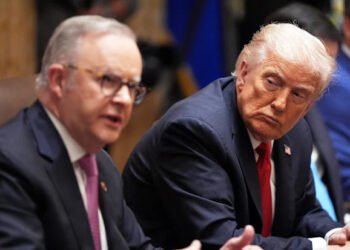
Former Australian Prime Minister Malcolm Turnbull has called on Anthony Albanese to confront the new global political reality under US President Donald Trump, describing him as a bully Trump reshaping international norms. Turnbull emphasized that Albanese must provide a clear-eyed analysis of today’s world order, noting that the United States’ approach has shifted dramatically, and Australia can no longer rely on the traditional predictability of its alliance. “Australians need honesty about the world as it is, not the world as we wish it to be,” Turnbull said.
Turnbull praised Canadian Governor Mark Carney’s recent Davos speech, where Carney warned that the US-led global order is experiencing “a rupture” rather than a transitional phase. Carney criticized reliance on the rules-based international order, which he argued no longer functions as designed, and highlighted the growing economic coercion used by global powers. Turnbull suggested that Albanese should deliver a similar address, acknowledging the realities of intensified great power rivalry and the challenges posed by a bully Trump.
“The Canadian speech was outstanding. It’s time for Australia to articulate the same rigorous perspective,” Turnbull told Guardian Australia’s Full Story podcast. He stressed that avoiding commentary on Trump’s actions is insufficient and that the Prime Minister must explain Australia’s strategic position in a world where US influence is increasingly unpredictable.

Turnbull highlighted that while Trump has recently retreated from his Greenland ambitions, this outcome was achieved due to pushback from Carney and European leaders. He cautioned that Australia cannot continue pretending nothing has changed in international relations under bully Trump. “The United States under Trump is not the United States we grew up trusting. Albanese needs to explain how Australia will navigate this environment,” Turnbull said.
The former Prime Minister also reflected on his own experience with Trump in 2017, noting that pressure on the US led to honoring an Obama-era refugee resettlement agreement affecting Nauru. Turnbull stressed that confronting Trump’s tactics does not mean antagonism but requires acknowledgment that negotiation with him is effective only when there is firm resistance.
Federal Treasurer Jim Chalmers echoed aspects of Carney’s perspective, calling the speech “stunning” and affirming that it had been widely circulated within government circles. Chalmers highlighted the breakdown of traditional certainties, citing escalating trade tensions, the Russian invasion of Ukraine, and shifting NATO dynamics as examples of the unpredictable global landscape. He emphasized that Australia’s interests are best served through international cooperation and adherence to law, while carefully managing differences with powerful nations.
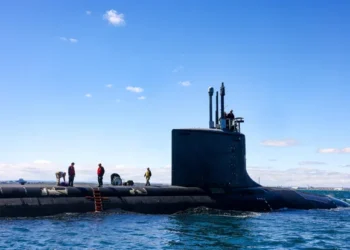
Turnbull criticized the $368 billion Aukus agreement with the United States, arguing that Australia’s heavy reliance on the alliance must be reconsidered given the unpredictability of American policy under bully Trump. He pointed out that Australians increasingly understand the need for their country to assume greater responsibility for its own security, particularly as US strategic priorities evolve.
Experts agree that the global balance of power is shifting, with Trump’s leadership style emblematic of a broader trend where traditional alliances and rules are being tested. Turnbull urged the government to recognize this shift, warning that failure to adjust Australia’s strategy risks being left unprepared for emerging geopolitical pressures. “We need a strategy reflecting reality, not nostalgia for a past international order,” he said.
The call for transparency extends to trade, defence, and diplomatic engagement, where Turnbull believes Australia must articulate how it intends to protect its interests amid rising global friction. By acknowledging Trump’s assertive approach, the government can foster informed public understanding and position Australia strategically in a multipolar world. Turnbull emphasized that international engagement must be proactive, combining respect for global law with clear-eyed assessment of the limitations imposed by unpredictable allies.
Analysts note that Carney’s warnings about intensified great power rivalry underline the necessity of balancing collaboration with strategic caution. For Australia, this involves reassessing its role within alliances, trade partnerships, and defence commitments, ensuring that national security and economic interests are not compromised by reliance on a volatile US leadership. Turnbull’s appeal to Albanese signals a growing recognition among senior politicians that the rules-based order once taken for granted is increasingly fragile.
The former prime minister also stressed that acknowledging these geopolitical realities is crucial for Australia’s credibility on the international stage. By clearly communicating the nature of US-led shifts and global competition, the government can better negotiate trade, defence, and diplomatic outcomes. Turnbull concluded that avoiding hard truths risks undermining both domestic confidence and Australia’s capacity to engage effectively with international partners in a rapidly evolving world.

Turnbull’s remarks have sparked discussion across Canberra, with growing acknowledgment that Australian foreign policy must adapt. Albanese is now faced with the challenge of articulating a vision that balances alliance obligations with the need for independent strategic decision-making. Experts suggest that this recalibration is essential, particularly as global tensions continue to rise and old assumptions about predictable leadership are increasingly challenged.
The discussion surrounding Trump’s influence has intensified debate on Australia’s long-term strategy, underscoring the need for transparent, decisive, and informed leadership. Turnbull’s call reflects broader concerns that Australian policy must evolve to remain effective in a world where traditional rules and expectations are no longer reliable.
As global dynamics shift, the ability of Australian leaders to confront realities, manage alliances, and safeguard national interests is under scrutiny. Turnbull’s message is clear: acknowledging the disruptive nature of bully Trump is not only necessary but urgent for maintaining Australia’s security, influence, and international standing.
The former prime minister’s intervention serves as a stark reminder that international relations require vigilance, adaptability, and a willingness to confront powerful actors directly. Albanese’s response in the coming months will likely set the tone for Australia’s approach to the United States and broader global challenges, highlighting the importance of candid engagement and strategic foresight.
Related News:
 Mandelson apologises over Epstein ties after public scrutiny
 US Senate rejects resolution limiting Trump military powers
 Trump Calls Greenland Critical for US Security After Denmark Talks
 Trump: Iran Killing Has Stopped, Strike Threats Pulled Back
 Machado Trump medal gesture reshapes Venezuela power struggle
 Iran unrest slows under brutal crackdown and global tensions
 Trump Allies Pursue $200m European Gas Pipeline Deal
 Starmer Challenges US Over Controversial Greenland Deal
 Spoof “Make America Go Away” Caps Rally Denmark Over Greenland
 UK Presses On With Chagos Handover Despite Trump Criticism
 Kim Jong-un Fires Vice-Premier Over Factory Failures
 Shinzo Abe’s killer receives life sentence in Japan
 Starmer Resists Matching Trump Amid Greenland Tensions
 Netanyahu Accepts Trump’s ‘Board of Peace’ Invitation
 South Korean Ex-PM Jailed 23 Years Over Martial Law Role
 Canada Rules Out Free Trade Deal With China Amid US Tensions
 Snow Threatens Japan Election Turnout Amid Extreme Cold
 Keir Starmer meets Xi to strengthen UK-China economic relations
 Crisis Looms as Liberals Debate Sussan Ley Future
 Cambridge Faces Scrutiny Over Arms Investment Transparency
 Files Link Andrew to Epstein Dinner After Prison Release
 Thousands Protest ICE Operations in Nationwide US Day of Action
 Epstein Files Reveal Trump Officials’ Emails with Financier
 Thousands Protest ICE in New York Against Trump Deportation Campaign
 Trump-Petro Meeting Sparks Hopes of Diplomatic Detente
 Epstein UAE Emails Shake British Royal Andrew’s Legacy
 Liberal Fallout: Taylor Challenge Casts Shadow Over Sussan Ley’s Leadership
 Ukraine, Russia Meet in Geneva Ahead of War Anniversary
 Brazilian Politician Brothers Sentenced for Marielle Murder
 Tommy Robinson Meets Trump Officials at US State Department
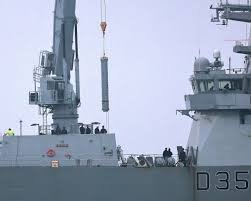 HMS Dragon to Head to Cyprus Amid Rising Tensions
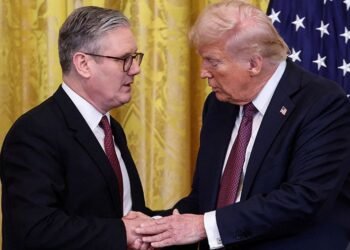 Starmer Praised for Stance on Trump and Iran Conflict
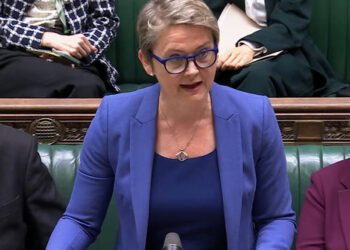 Yvette Cooper: UK Must Follow Principles, Not US Pressure
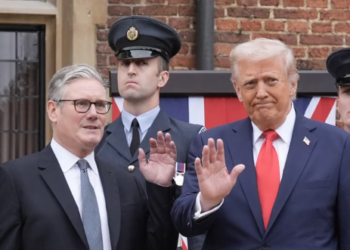 UK Ministers Signal Strategic Independence From Trump Demands
 Florida Governor renames Palm Beach Airport for Donald Trump
 Farage Shuns Truss as US Right-Wing Roadshow Hits London
 European Leaders Slam Hungary Over Alleged Russian Ties
 Starmer Urges Ambitious EU Ties Amid Middle East Conflict
 A Global Voice For Justice: Stephen Lewis Dies At Age 88
 Trump Mocks Starmer and UK Carriers in White House Speech
 Final Countdown as Trump Deadline Looms Over Tehran
 Starmer visits Gulf as US and Iran agree ceasefire
 GOP Senator Criticizes Trump’s Feud With Pope Leo XIV
 Global Oil Prices Surge Amid Renewed Gulf Tensions
 Faith and Power: Catholics React to Trump-Pope Feud
 Timor-Leste Faces Tough Questions Over Resort Proposal
 Security Scrutiny After Washington Shooting Incident
 Aukus Submarine Plan Faces Critical Failures
 UK Envoy Sparks Controversy Over Special Relationship Claims
 US Calls Australia Media Law “Foreign Extortion”
 USS Gerald R Ford Ends Record Naval Deployment
 Activists allege abuse after Gaza flotilla seizure
 Australia pushes Pacific security pact amid China tension
 Indiana Republicans Defy Trump in Key Vote Test
 Middle East Crisis Escalates as Oil Routes Shake Markets
 One Nation Candidate’s Surprising Ties to Independents
 Anika Wells Repays Over £5,000 in Travel Claims
 Tensions Emerge in Netanyahu-Trump Alliance
 California Mayor Resigns Over Foreign Agent Charges
 Liberal Senator Criticises Immigration Rhetoric
 Hanson Stunner: Norway Model Sparking Energy Row
 Tony Abbott Returns as New Liberal Party President
 Tulsi Gabbard exits after turbulent intelligence tenure
 UK Urged to Build EU Rejoin Consensus, Says Miliband
 Zelenskyy warns over Oreshnik threat as Kyiv hit
 Discontent grows around Putin amid war strain
 Former ICC prosecutor condemns US sanctions
 Trump Weighs Retreat from Controversial $1.8bn Slush Fund
 Iran Prepares for Massive Six-Day Funeral for Khamenei
 Trump’s Mount Rushmore Speech: A Divisive Anniversary
 Iran Mourns: Millions at Khamenei’s Final Procession
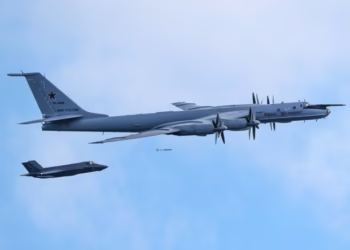 Starmer Braces for Nato Spending Clash in Ankara
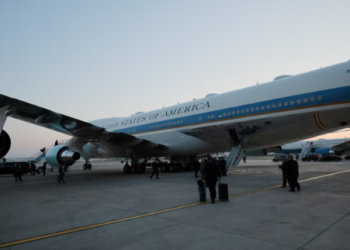 Trump Swaps Planes Amid Iran Tensions
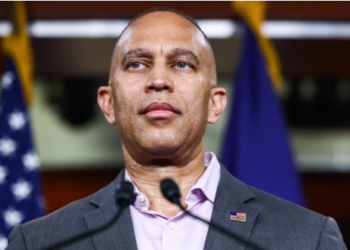 House Democrats Divided Over Israel Military Funding Bid
 Houthis Strike Saudi Arabia as Middle East Tensions Rise
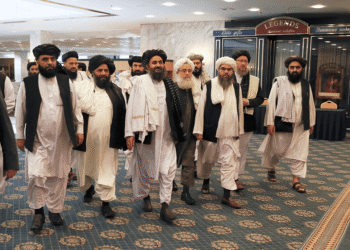 Taliban global ties grow as rights fears mount
 Russian Missiles Intensify Pressure on Kyiv
 Trump Calls Strait of Hormuz ‘American Territory’
 Trump Faces Iran War Crisis Before Midterm Vote
 Former Diplomats Urge UK and France to Act on Palestine