Published: 28 January 2026. The English Chronicle Desk. The English Chronicle Online.
England’s deprived areas decline is expected to deepen before the next general election, according to a report prepared for Number 10. The study, commissioned from the Independent Commission on Neighbourhoods, paints a troubling picture for hundreds of communities already facing entrenched disadvantage. Despite government pledges to revitalise local areas and rebalance opportunity, the analysis suggests crime and unemployment will continue rising where social pressures are already most acute. The findings underline how the deprived areas decline could shape political, economic, and social debates as the parliament draws towards its end.
Drawing on public data and long-term trend modelling, the commission examined conditions across England’s 613 most deprived neighbourhoods. These areas, home to roughly one million people, are largely concentrated in former industrial towns across the Midlands and the north. Many have endured decades of economic restructuring, population churn, and shrinking local services. The report argues that while recent funding initiatives offer short-term relief, they are insufficient to counter deeper structural forces driving decline.
According to the forecasts, crime rates in these neighbourhoods are set to climb steadily over the remainder of the parliament. Current levels already stand well above the national average, reflecting persistent problems linked to antisocial behaviour, drug-related offences, and organised crime. By the end of the decade, average crime rates in these communities are expected to exceed 300 incidents per 1,000 residents, compared with around half that level nationally. Researchers warn this trajectory risks reinforcing negative perceptions that further deter private investment and local confidence.

Economic indicators are similarly bleak. Unemployment and economic inactivity remain stubbornly high, with limited prospects for rapid improvement. The report projects that economic inactivity will rise slightly by 2030, reflecting ongoing challenges in sectors such as retail and hospitality. These industries employ large numbers of people in deprived areas but have struggled with declining footfall, automation, and changing consumer habits. Without targeted intervention, the deprived areas decline is likely to become more entrenched, particularly among younger and older workers.
The commission’s head of research analysis, Ross Mudie, said the findings should be seen as a warning rather than a prediction set in stone. He argued that funding decisions made over the next few years will determine whether neighbourhoods can stabilise or continue sliding backwards. Mudie highlighted that some councils with the highest levels of deprivation are facing real-terms budget reductions, leaving them less able to respond to rising social need. Even where cuts have been partially offset, he said, local authorities remain financially weaker than a decade ago.
Political reaction to the report has been swift, especially among Labour MPs representing northern constituencies. Many have expressed concern that recent reforms to local government funding formulas could divert resources away from poorer towns. Former minister Justin Madders described the report as a stark reminder of how deep-rooted decline has become in many communities. He argued that unless visible improvements are delivered before the next election, public frustration will grow and fuel support for populist alternatives.
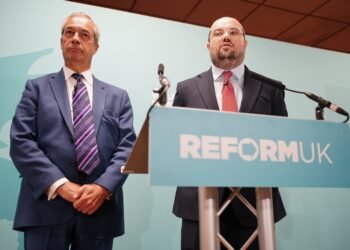
The political context gives the findings added significance. Many of the neighbourhoods identified as “mission critical” by the commission played a decisive role in recent elections. They backed the Conservatives in 2019, shifted to Labour in 2024, and are now being actively courted by Reform UK. Analysts suggest that perceptions of neglect or broken promises in these areas could reshape future electoral outcomes. In that sense, the deprived areas decline is not only a social challenge but a strategic political risk.
At the centre of the government’s response is the Pride in Place programme, which aims to support long-term regeneration in selected communities. Under the scheme, around 250 areas will receive £20 million each over ten years. Ministers argue that this funding will help improve high streets, support local businesses, and strengthen community infrastructure. However, the commission’s report questions whether the scale and pace of investment match the severity of the challenge facing disadvantaged neighbourhoods.
Mudie acknowledged that Pride in Place represents progress compared with previous piecemeal initiatives. Yet he warned that the programme merely brings communities to a starting line rather than delivering transformation. Years of austerity, he said, have left visible scars in the form of decaying town centres, underfunded services, and limited employment opportunities. Reversing those trends would require sustained investment well beyond existing commitments.
The report also assesses deprivation through the lens of the government’s five core missions. Neighbourhoods score poorly where residents face long waits for NHS treatment, children start school unprepared, or healthy life expectancy lags behind national averages. On this measure, many communities remain far from meeting official targets. The analysis suggests that without coordinated action across health, education, and employment policy, improvements in one area risk being cancelled out by deterioration elsewhere.
Health outcomes offer a rare note of cautious optimism. The commission forecasts a slight reduction in the proportion of residents classed as being in poor health by 2030. While the improvement is modest, it suggests that recent investments in healthcare access and prevention may be having some effect. Even so, researchers stress that health gains alone cannot offset worsening economic and social conditions.

In a separate publication released alongside the main report, the commission called for a far more ambitious funding settlement. It recommended committing up to £2.5 billion extra each year specifically for disadvantaged neighbourhoods. Such investment, the authors argue, would allow councils to plan long term, rebuild local services, and attract private sector partners. Without that level of commitment, they warn, the deprived areas decline will continue to define life chances for millions.
The government has responded by emphasising its existing plans and fiscal constraints. Local government minister Miatta Fahnbulleh said communities are understandably impatient for change and that ministers recognise the urgency of the situation. She highlighted the £5 billion pledged to Pride in Place over the next decade as evidence of renewed focus on local regeneration. Officials maintain that this approach balances ambition with responsible public spending.
For residents living in England’s most deprived neighbourhoods, the debate is about more than statistics or policy frameworks. It concerns everyday experiences of safety, work, health, and hope. The commission’s report suggests that without stronger action, many communities will see conditions worsen before any improvement arrives. As the next election approaches, how the government responds to warnings about deprived areas decline may shape both public trust and the country’s political landscape.
Related News:
 British Woman in Iran ‘Losing Hope’ Amid Ongoing Detention
 BBC Journalist Held and Interrogated in Vietnam
 Green Party Surges Past Labour in Latest UK Poll
 Celebrities and Charities Demand UK Government Act on Child Poverty
 Trump’s UK Ambassador Urges North Sea Drilling to Strengthen US Ties
 FBI Director Kash Patel Defends Girlfriend Amid Government Jet Claims
 Phillipson urges careful review of gender recognition guidance
 French Taxi Driver Cleared in David Lammy Theft Case After Fare Dispute
 Rachel Reeves Set to Break Labour Pledge and Raise Income Tax
 Who is Rama Duwaji? What Zohran Mamdani’s wife has said about Gaza and ICE as he’s elected NYC mayor
 MPs Press Rachel Reeves to Hike Gambling Taxes
 Met Police Culture Makes Racial Harm ‘Inevitable’
 Boris Johnson accused of undermining BBC leadership
 Remaining rebel Labour MPs have whip restored
 ‘Reckless’ cuts to victims’ services will cost more than they save
 Millionaires group urge Reeves to introduce wealth tax to ‘lift kids out of poverty’
 Starmer Faces Growing Dissent as Labour MPs Weigh Leadership Challenge
 BBC Faces Backlash as Reform UK Withdraws from Film
 Reeves rejects £1bn plea for NHS redundancy payouts
 Farage appointee to lead Reform youth accused of anti-British views
 Palace to reinstate hyphen in Andrew’s surname
 Politics latest: Starmer ‘will fight any leadership coup’ as Streeting denies attempt to oust Labour PM
 PM Condemns Leaks, Vows Loyalty to Ministers and Stability
 Major Rent Reform Ends No-Fault Evictions in England
 Peers Flood Assisted Dying Bill with 942 Amendments
 England’s Special Needs Support Faces Breaking Point
 MoD warned over Excel risks before Afghan data breach
 UK Unveils Fast-Track Deportation and Asylum Overhaul
 UK Asylum Overhaul Sparks Debate Over Human Rights and Deportations
 UK Asylum Reforms: Temporary Refugee Status and Faster Deportations
 UK Candidate Moved to Safe House After Election Threats
 Mahmood Defends Tough Overhaul of UK Asylum System
 UK Warns China After MI5 Issues Espionage Alert
 Westminster Advances Legacy Bill Amid Criticism
 Minister Defends Tough New Asylum Reform Plan
 UK Vulnerable to Attack, Defence Committee Finds
 Labour Faces Historic Decline in Wales
 Rama Rebukes Mahmood for Targeting Albanian Families
 Russian Vessel Used Lasers on RAF Pilots, UK Claims
 PM Shares Emotional Letter to Son on Men’s Struggles
 PM Highlights UK Business at G20 in South Africa
 Kate Forbes: Motherhood Harder Than Politics
 Welsh Government Christmas 2020 Lockdown Criticised
Reeves to Crack Down on Benefit Fraud While Lifting Two-Child Limit
Welsh Government Christmas 2020 Lockdown Criticised
Reeves to Crack Down on Benefit Fraud While Lifting Two-Child Limit
 Most Tories Expect to Support a Farage-Led Government
 Labour MP claims devolution bill is ‘blatant discrimination’ against Cornwall
 English Mayors Set to Introduce Tourist Taxes
 Millions Face Higher Taxes Under Reeves New Budget
 Peers Get Extra Time to Debate Assisted Dying Bill
 Planned Palestinian Flag Raising at Belfast City Hall Faces Delay Amid Legal Concerns
 Government righting decades-old injustice for miners
 Starmer Says Labour’s Economic Plan Needs Years to Deliver
 UK delays ruling on China embassy plan until January
 Culture secretary to review Telegraph takeover by Daily Mail owner
 Andy Burnham Apologises for Past LGBTQ+ Police Discrimination
 UK to Launch Military ‘Gap Year’ Scheme to Boost Recruitment
 Reeves Slams Farage Over Two-Child Benefit Cap Opposition
 Mandelson Refuses Apology Over Epstein Ties
 Plans to Limit Jury Trials Face Retreat After Mounting Opposition
 Jenrick Reform defection deepens Tory civil war
 China Dependence Threatens UK Energy Supply Chains and Jobs
 Right Must Unite After Jenrick Defection, Urges Rees-Mogg
 Romford MP Andrew Rosindell defects to Reform UK
 UK Ministers Drop Foreign Student Targets for Global Education Push
 MPs warn AI financial risks threaten UK stability
 MPs warn AI financial risks threaten UK stability
 No Gas Boiler Ban as UK Warm Homes Plan Backs Heat Pumps
 Hugh Grant Joins Call for Under-16 Social Media Ban in UK
 Shinzo Abe’s killer receives life sentence in Japan
 US Africa aid remarks spark anger after leaked State email
 Lords Vote Piles Pressure on Starmer Over Social Media Ban
 Judge-only trials plan fails to ease court backlog
 Planned Troubles Board Game Sparks Outrage in Northern Ireland
 Reform UK Health Plan ‘Would Cost £1.7bn’, Streeting Says
 Labour Blocks Burnham as Party Rift Deepens Ahead of Polls
 Police response times face strict new national limits
 Huge mistake: Labour blocks Burnham from byelection bid
 Labour policing overhaul sparks fears over growing central control
 Tories criticised after Braverman defection sparks mental health row
 Burnham Westminster return hopes fade amid Labour rift