Published: 28 January 2026. The English Chronicle Desk. The English Chronicle Online.
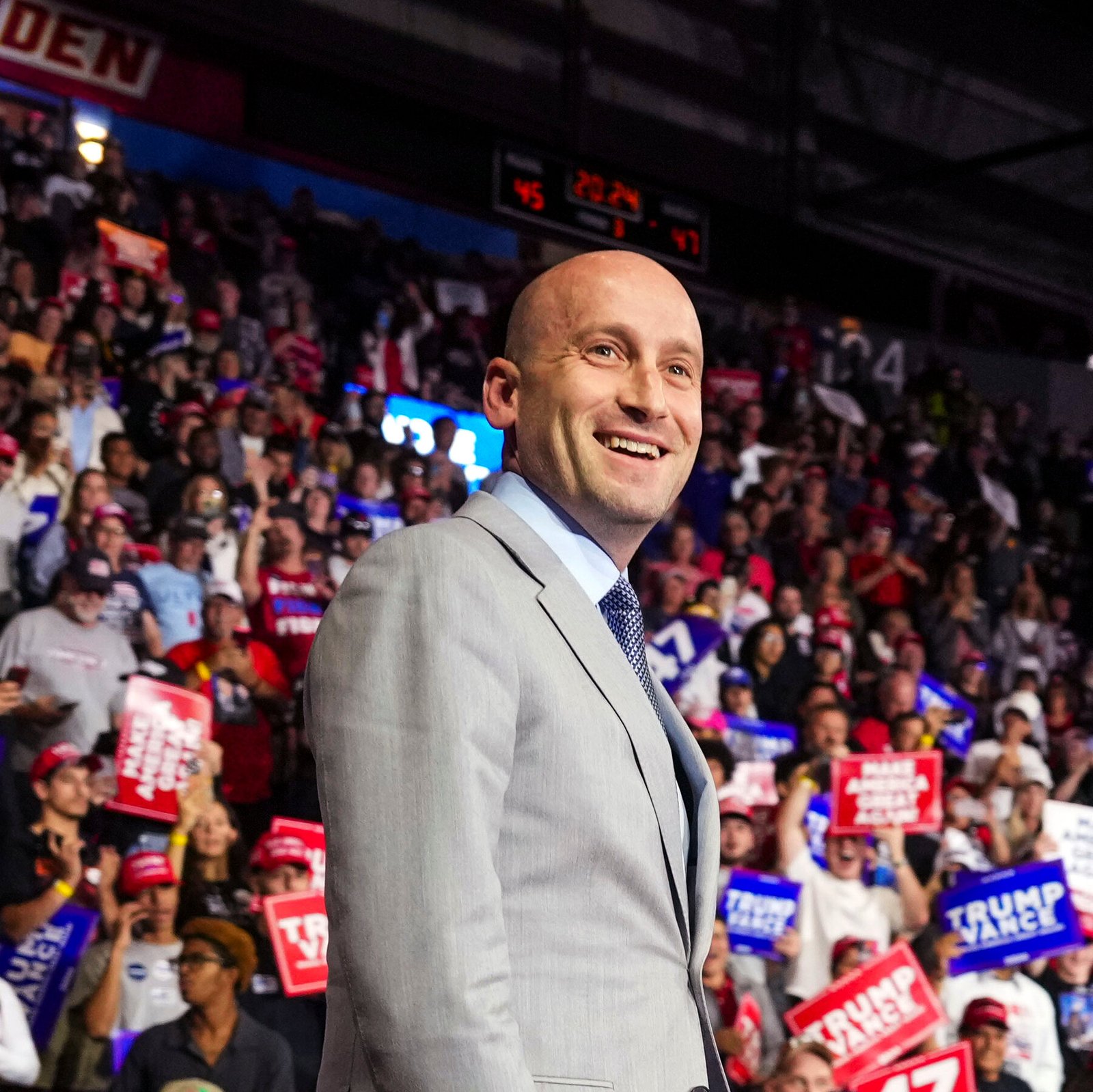
Pressure is mounting on White House senior adviser Stephen Miller after the killing of nurse Alex Pretti by border patrol agents sparked widespread outrage. Miller, a pivotal figure in Trump’s immigration strategy, faced immediate backlash for describing Pretti as a “would-be assassin” online within hours of her death. This statement directly contradicted President Trump, who clarified he did not believe Pretti posed such a threat. The focus on Miller’s role in shaping the narrative has raised questions about accountability within the administration, particularly regarding border enforcement policies.

Stephen Miller, often described as Trump’s de facto policy architect, found himself excluded from key Oval Office discussions following Pretti’s death. Homeland Security Secretary Kristi Noem met with the president to recalibrate border tactics, while Stephen Miller’s absence signalled a rare limitation of his influence. Multiple eyewitness videos surfaced, undermining the administration’s earlier claims and forcing public acknowledgment that the officers may not have followed proper protocol.
The controversy has intensified scrutiny of Stephen Miller’s power within the White House. Sources cited by Axios revealed he was instrumental in the Department of Homeland Security’s exaggerated claim that Pretti intended to “massacre” officers. This narrative was quickly amplified, creating a misleading impression that inflamed public sentiment. The situation in Minneapolis exposed gaps in oversight, highlighting Stephen Miller’s capacity to shape messaging that often exceeded legal or procedural boundaries.
Political analysts note that Stephen Miller’s influence has long been integral to Trump’s enforcement policies. His direction has pushed Immigration and Customs Enforcement to pursue aggressive arrest quotas, sometimes prioritising numbers over due process. Observers argue this approach contributed directly to the Minneapolis tragedy, reinforcing claims that Miller’s methods can produce dangerous consequences when executed without restraint.
Despite mounting criticism, Stephen Miller appears unlikely to lose his position. President Trump has consistently endorsed the policies Miller champions, though not necessarily their execution. Experts suggest Miller may temporarily step back from public-facing roles to allow tensions to subside, but his policy influence remains intact. His alignment with Trump’s strategic priorities and media presence cements his standing within the administration.
In the aftermath, Trump redirected Minneapolis border leadership and engaged state officials to calm tensions, signalling recognition of public concern. Yet Stephen Miller’s centrality in shaping hardline immigration measures continues to attract criticism. Commentators highlight that while Miller occasionally admits procedural errors, his ideological commitment remains unwavering. His ability to translate Trump’s impulses into enforceable policy has made him indispensable in the eyes of the administration.
 Political strategist Rick Wilson described Miller as “too dominant” in Trump’s calculations to be fully sidelined. Analysts agree that while Miller may reduce his visibility temporarily, he retains significant influence over policy decisions and messaging. His approach often involves provocative language and uncompromising stances, reinforcing his authority among supporters while alarming critics.
Miller’s actions in Minneapolis illustrate both his power and the risks inherent in concentrated influence. The fallout has provoked broader discussions about accountability and oversight in border operations. Observers note that the combination of Miller’s strategic acumen and ideological zeal allows him to drive controversial policies effectively, often while avoiding direct consequences.
In summary, Stephen Miller remains a formidable figure within the Trump administration, despite recent controversies highlighting his aggressive enforcement approach. While public scrutiny and procedural lapses in Minneapolis have temporarily tempered his public role, his policy influence continues, underscoring the complexities of accountability in highly centralised political environments. Analysts predict Miller will maintain substantial control over immigration strategy, even as political pressure mounts, demonstrating the resilience of his controversial yet influential position.
Related News:
 US National Guard Member Killed in DC Shooting
 Trump to Recheck Green Cards from 19 Nations After DC Attack
 Trump Escalates Minnesota Immigration Surge Amid Rising Tensions
 Homeland security agents deployed amid Minneapolis protests
 Democrats Push Affordability to Challenge Trump Ahead of Votes
 Greenland Faces Pivotal Summit Over Arctic Power Struggle
 Government Unveils Northern Powerhouse Rail Plans
 Trump press secretary attacks reporter over ICE question
 Kyrsten Sinema Faces High-Profile Lawsuit Over Marriage Interference
 ‘He Believed Help Was Coming’: Why Iran’s Protesters Feel Betrayed
 Trump Fed bid heads to Supreme Court
 EU Says US Ties Have Suffered ‘Big Blow’ After Greenland Crisis
 Trump officials continue false claims after Alex Pretti shooting
 Fulton election raid hits Georgia election office
 Thousands Protest ICE Operations in Nationwide US Day of Action
 Epstein Files Reveal Trump Officials’ Emails with Financier
 Thousands Protest ICE in New York Against Trump Deportation Campaign
 Trump Praises ‘Terrific’ Petro After White House Talks
 Sanders Condemns Billionaire ‘Greed’ in California Tax Debate
 California Democrats Vow Trump Reckoning
 Trump’s Surgeon General Pick Evades Vaccine Questions
 Clinton Testimony Erupts in Fiery Exchange
 Scaramucci on Trump: ‘Epstein files won’t end him’
 Texas Senate seat fight heads to runoff as votes split
 Cooper and Whatley Win Primaries for North Carolina Senate
 Thousands Protest Iran Strikes Outside US Embassy London
 US Bombers Arrive at RAF Base Amid Rising Iran Tensions
 UK Prepares Aircraft Carrier for Middle East Crisis
 Pete Hegseth Iran War Remarks Spark Alarm
 Can Congress Stop US Sports Teams From Moving Cities?
 Can King Charles Calm Trump on Key US Visit?
 Melania Trump Epstein remarks spark survivor backlash
 US Catholics Caught Between President and the Pope
 Iron Worker Challenges Trump Loyalist in Ohio
 Trump Faces Crisis as Iran Reopens Hormuz Tensions
 GOP Senator Criticizes Trump’s Feud With Pope Leo XIV
 Charles Faces Trump Test in High-Stakes US Visit
 Trump at Press Dinner Sparks Tension
 Trump Defiant After Washington Hotel Shooting
 Identity Revealed: Suspected Washington Gunman Named
 US Court Weighs Fate of TPS for Migrants
 Florida Redistricting Map Sparks Major US Political Battle
 USS Gerald R Ford Ends Record Naval Deployment
 US Voting Rights Ruling Sparks Celebration and Outcry
 US Court Ruling Reshapes Voting Rights Landscape
 US states redraw maps after voting rights ruling
 Judge halts deportation of Yemeni refugees in US
 White House Security Case Sparks Political Firestorm
 Trump approval plunges amid Iran war fears
 Giuliani hospitalised in critical condition
 Ohio’s Battle for Trust: Democrats Vying to Flip the Buckeye State
 Trump Threatens UN Budget Cuts as US Pushes ‘Trade Over Aid’ Agenda
 Trump warns Iran as Middle East tensions surge again
 US Supreme Court fast-tracks Voting Rights ruling
 US ‘Narco Boat’ Strikes Draw Global Outcry
 Ohio Primaries Set Stage for Crucial Midterms
 Afghan Families Left in Limbo Face Risk of Deportation
 Tensions Emerge in Netanyahu-Trump Alliance
 US Awaits Iran Reply on New Ceasefire Proposal
 Immigration Judges Fear Pressure in Trump Era
 FDA Chaos Deepens as Trump Eyes Makary Exit
 US green card applicants must apply from abroad, DHS says
 Tulsi Gabbard exits after turbulent intelligence tenure
 Hormuz Talks Near Critical Stage
 Former ICC prosecutor condemns US sanctions
 Gunman Killed After White House Security Shootout
 Trump Claims Iran Peace Deal Near Completion
 DeSantis’s ‘Alligator Alcatraz’ Faces Final Shutdown
 Prosecutor Proposes Law to Combat Election Deceit
 US Midterm Primaries: Democrats Target Key Republican Seats
 House Curbs Trump’s War Powers in Rare Rebellion
 US Courts Back Trump on Park Signage Removals
 Trump’s Mount Rushmore Speech: A Divisive Anniversary
 Court Rejects Florida Campus Speech Restrictions
 Graham Platner’s Exit Leaves Democrats in Chaos
 Trump Refuses to Sign Housing Bill, But Law Takes Effect
 Senate Halts Defense Bill Over Iran Clashes
 Houthis Strike Saudi Arabia as Middle East Tensions Rise
 Trump Orders Signs Criticising Smithsonian Museum
 Is America Ready for an AOC Presidential Run?