Published: 12 February 2026. The English Chronicle Desk. The English Chronicle Online.
A major national study has revealed deep youth work gaps across nearly half of council areas in England today. These youth work gaps appear most often in deprived neighbourhoods facing higher antisocial behaviour and social pressure. The findings come from a large mapping project examining thousands of youth organisations and service locations nationwide. Researchers say the pattern shows uneven support, shrinking provision, and fragile access for vulnerable young people. Experts warn that youth work gaps are no longer isolated problems but signs of a structural imbalance. Communities already under strain are now seeing fewer safe youth spaces and trusted support networks nearby.
The new analysis was carried out by Social Investment Business in partnership with the University of Leeds. It represents the most detailed national mapping of youth provision seen in more than a decade. Researchers examined around 20,000 organisations likely to provide youth activities, support, or safe meeting spaces. They compared service density against neighbourhood deprivation levels and recorded antisocial behaviour rates among young populations. This produced a local unmet needs index, highlighting where support is lowest but demand remains highest. The outcome shows youth work gaps stretching across urban and regional authorities, with stark regional differences.

Northern regions of England show the heaviest concentration of missing or limited youth provision across multiple districts. Many of these communities experienced the sharpest funding reductions during long periods of public sector austerity. In several northern authorities, more than half of neighbourhood zones fall into the highest unmet need category. These areas combine poverty indicators, fewer structured activities, and limited youth worker presence on the ground. By contrast, several southern districts show stronger coverage and lower measured youth vulnerability indicators overall. Researchers stress that geography should not determine whether a young person can access structured support locally.
Knowsley and Middlesbrough stand out in the research as areas with particularly severe shortages of services. In both places, more than half of neighbourhoods show high need but very limited youth provision nearby. Meanwhile, districts such as South Oxfordshire, East Hampshire, and Richmond upon Thames show lower need levels. Those same areas also maintain relatively healthy networks of youth clubs and activity providers for residents. This contrast illustrates how youth work gaps align closely with economic inequality and long term funding patterns. It also raises questions about how resources are distributed through current support and grant systems.
Sector leaders say the data confirms what frontline organisations have experienced for many years across communities. Youth charities report rising demand, complex needs, and reduced long term funding certainty for local programmes. Many council funded youth centres have closed or reduced hours due to sustained budget pressures since 2010. Independent charities and social enterprises now deliver much of the remaining youth provision across England. That fragmented model makes national tracking harder and leaves some neighbourhoods effectively invisible in planning decisions. These blind spots contribute directly to the persistence of youth work gaps across multiple authority boundaries.
Youth specialists say the loss of local clubs changes daily life patterns for teenagers and older children. Without nearby centres, many young people lose access to mentoring, supervised recreation, and early support services. Practitioners link these closures to effects on school engagement, emotional wellbeing, and personal safety outcomes. Community workers often observe that early intervention reduces later crisis demand across policing and health services. When youth work gaps widen, those preventative benefits weaken and long term public costs may increase. The study authors argue that rebuilding provision should be viewed as social infrastructure, not optional spending.
Recent government announcements have promised new investment into youth facilities and programme development across England. A national youth strategy package includes hundreds of millions of pounds for building and refurbishing centres. Officials say the goal is to modernise spaces and expand access in areas with limited provision today. Sector voices welcome the funding direction but caution that rebuilding networks takes time and careful targeting. They note that reopening buildings alone will not automatically solve youth work gaps without trained staff. Sustainable revenue funding and workforce development remain essential for meaningful long term recovery in services.
Spending figures underline the scale of contraction experienced across youth services over the past fourteen years. Local authority youth service funding in England has fallen dramatically in real terms since the early 2010s. Billions in cumulative reductions have reshaped delivery models and reduced direct council run provision nationwide. Recent annual data also shows another year of decline as councils face rising core service costs. Youth worker numbers have dropped sharply, with many experienced professionals leaving the sector entirely. These workforce losses deepen youth work gaps because relationships and trust cannot be replaced quickly or cheaply.
Charitable funders say better mapping should guide smarter and more precise investment decisions going forward. With clearer neighbourhood level data, funders can direct grants toward areas showing the highest unmet demand. Place based funding models are now being discussed as a way to avoid spreading resources too thinly. Analysts argue that concentrated support may deliver stronger measurable outcomes for vulnerable youth populations over time. Transparent data also allows communities to challenge uneven provision and advocate for fairer distribution of services. Public access to the findings is intended to support accountability and better long term planning choices.

Youth representatives say many teenagers already feel the absence of structured community spaces in daily life. Some report never having used a youth club because none operated near their home area. Others describe long travel distances, waiting lists, or limited programme hours restricting meaningful participation opportunities. Practitioners warn that isolation can grow when safe shared spaces disappear from neighbourhood environments. They emphasise that prevention and belonging are central goals of effective youth work approaches. Closing youth work gaps therefore supports not only individuals but also wider community stability and cohesion.
Researchers behind the project say the evidence should act as a wake up call for policymakers. They argue that uneven provision is measurable, visible, and fixable with coordinated national and local action. Better datasets, stable funding, and workforce rebuilding are described as key pillars of future improvement plans. The message from sector leaders remains consistent that delay will widen youth work gaps further. Early targeted intervention is seen as more effective than reacting after social problems escalate. The new mapping now offers a foundation for more balanced and evidence led youth policy decisions.
Related News:
 Peterborough Mosques Tighten Security After Attack
 Reeves Faces Setback as Labour May Miss Homes Target
 Hospice Cuts Raise Alarm Across England Amid Funding Crisis
 Kate Winslet to Narrate Film Highlighting King’s Environmental Mission
 Green Party Surges Past Labour in Latest UK Poll
 Trump’s UK Ambassador Urges North Sea Drilling to Strengthen US Ties
 Children to Learn Local History in Major Curriculum Overhaul
 Granit Xhaka Rescue Earns Everton Draw at Sunderland
 French Taxi Driver Cleared in David Lammy Theft Case After Fare Dispute
 UK Bans Fake Numbers: Scammers Lose Their Trick
 Prince William Plants Trees with Brazil’s Nature Heroes
 M&S Profits More Than Halve After Cyber-Attack
 Just Stop Oil Protesters Convicted Amid Climate Defence Row
 Kent village told to remove flags before Christmas lights go up
 Patients to Test Health at Home to Ease NHS Winter Pressure
 King Charles to Lead Nation in Remembrance Sunday Service
 How to get help when a child goes missing – call 999 urgently
 Palace May Restore Hyphen to Andrew Mountbatten-Windsor’s Name
 Millionaires group urge Reeves to introduce wealth tax to ‘lift kids out of poverty’
 Starmer Faces Growing Dissent as Labour MPs Weigh Leadership Challenge
 Shouting Works Best to Deter Gulls, UK Study Finds
 Reeves rejects £1bn plea for NHS redundancy payouts
 Northern Lights may illuminate UK skies this week
 PM Condemns Leaks, Vows Loyalty to Ministers and Stability
 Son Reveals UK Couple in Iran Resort to Hunger Strike for Help
 Major Rent Reform Ends No-Fault Evictions in England
 Peers Flood Assisted Dying Bill with 942 Amendments
 Former Lion Heskey Warns of Shortage of England Strikers
 Criminal Gangs Pose as Truckers to Hijack UK Supply Chains
 Stroke Patient Mistaken for Drunk, Care Delayed
 Mother Watches in Horror as Teen Daughter Dies on Tracks
 Van Dwellers Face Eviction After Park Misuse Sparks Outcry
 ‘Traumatic Wait’: Northern Ireland Women Face Breast Cancer Delays
 Serial Rapist and Former Cop Found Guilty Again
 Royal Navy Shadows Russian Warships Entering the Channel
 Inside the Helpline Protecting Missing Children in the UK
 Most Tories Expect to Support a Farage-Led Government
 Boots Showstopper Beauty Bundle Outshines Many Advent Calendars This Holiday Season
 Bill Murray Terrified Wes Anderson but Became His Closest Collaborator
 Labour’s ‘blinkered’ drive to build risks pushing wildlife to point of no return, nature experts warn
 PlayStation PS5 Deals Hit Lowest Prices Ahead of Black Friday
 Karen Carney Stuns on Blackpool Week, Deserves Strictly Final
 Five-Year-Old Dies After Rare Tonsil Surgery Complication
 Fibromyalgia Patients Struggle as NHS Fails to Provide Care
 Starmer Says Labour’s Economic Plan Needs Years to Deliver
 Virgin Media Fined £23.8m Over Telecare Safety Failures
 More Patients Now Contacting GPs Online, Data Shows
 UK unemployment rises to four-year high of 5.1% before budget
 Culture secretary to review Telegraph takeover by Daily Mail owner
 Wiltshire Police Use Lasso to Catch Rampaging Village Goat
 Prince George Helps Father at London Homelessness Charity
 Children to Receive Home Vaccines as England Acts
 Cambridge College Faces Backlash Over Private School Recruitment
 NHS Violence Crisis: Staff Face Daily Assaults
 Celebrity Campaign Highlights SMA Screening Failures
 Bereaved Fathers Gain New Paternity Leave Rights in UK
 Storm Goretti leaves Cornwall homes without power
 New Documentary Examines Teen’s Zombie Knife Murder
 Woman Jailed for Life After Killing E-Bike Rider in Tragic Mistaken Identity Case
 Right Must Unite After Jenrick Defection, Urges Rees-Mogg
 UK Ministers Drop Foreign Student Targets for Global Education Push
MPs warn AI financial risks threaten UK stability
UK Ministers Drop Foreign Student Targets for Global Education Push
MPs warn AI financial risks threaten UK stability
 No Gas Boiler Ban as UK Warm Homes Plan Backs Heat Pumps
 UK Glaucoma Rise Signals Looming Eye Health Crisis by 2060
 Shinzo Abe’s killer receives life sentence in Japan
 Police response times face strict new national limits
 Edinburgh, Glasgow Lead UK Nightlife Hotspots, Uber Data
 Labour policing overhaul sparks fears over growing central control
 Devon hosts first high-density hydro power system
 Pornhub blocks new UK users over age checks dispute
 Reform candidate sparks British identity row in byelection
 Starmer warns of toxic division politics in Reform challenge
 Households in England Face Rising Water Bills in April
 UK New Car Discounts Near £6,000 as Prices Are Slashed
 Pneumonia Surge Pushes England Emergency Cases Higher
 Wigan Dump Crisis Sparks Health and Safety Alarm
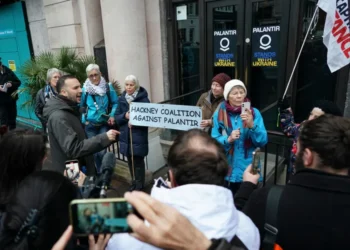 Palantir contracts face UK halt calls over transparency
 Teen Girl Chased in Broad Daylight in Ipswich
 Send spending gap leaves deprived areas behind
 Cabinet Secretary Shake-Up Triggers Due Diligence Warning