Published: 18 February 2026. The English Chronicle Desk. The English Chronicle Online
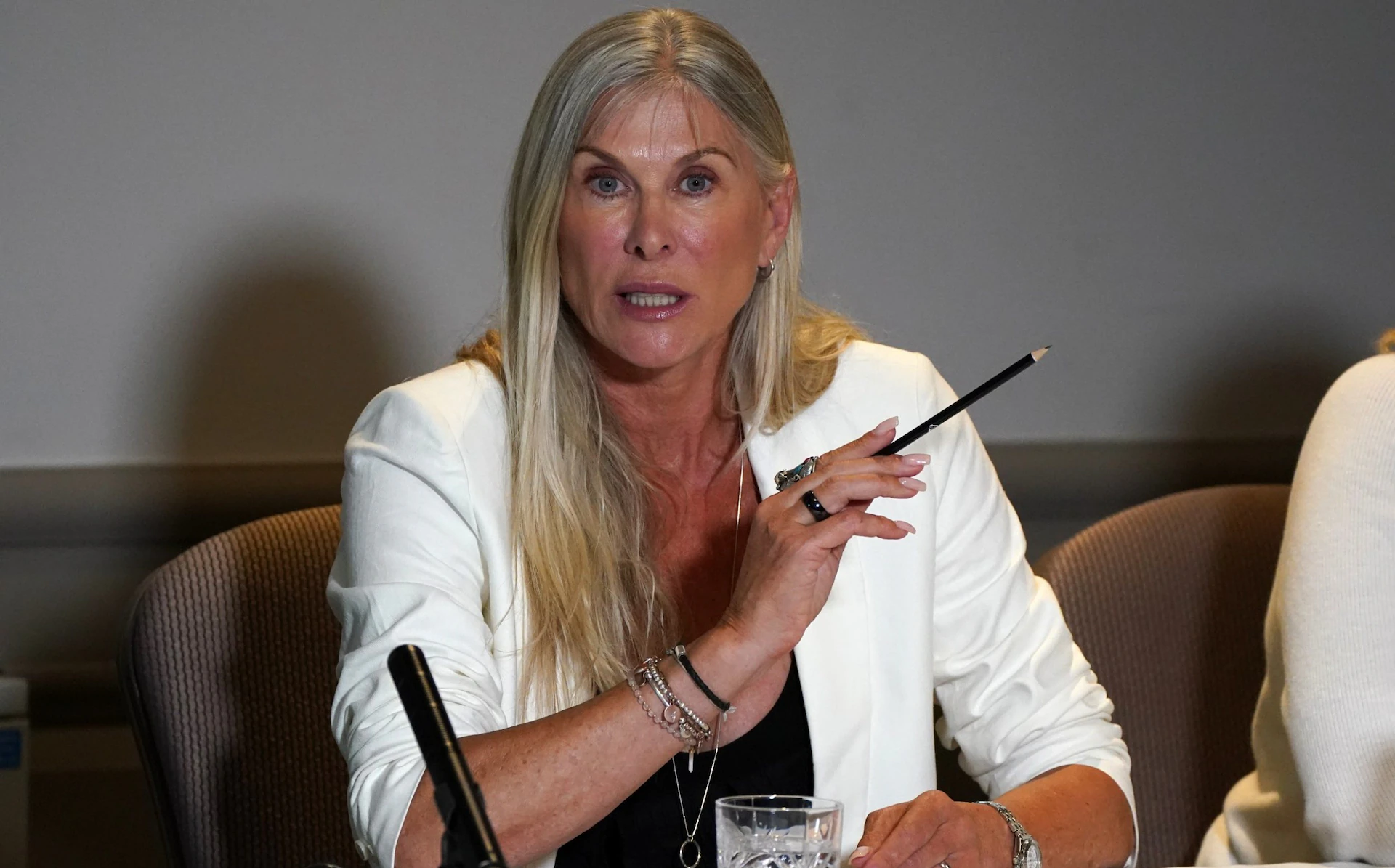
Baroness Sharron Davies, the former Olympic swimmer and women’s rights campaigner, is preparing to fight a speeding ticket in court after claiming that unclear motorway signs caused her to unintentionally exceed the temporary speed limit, court documents show. The 63-year-old peer was caught by a speed camera on the M4 motorway near South Gloucestershire late at night, when the speed limit had been reduced to 50 mph for road works. She insists she did not see any clear signs indicating the lower limit, blaming the signage as “so poor it was easy to miss” and saying she believed she was still driving within the usual 70 mph limit.

Davies, who was driving alone back from a speaking engagement in Wales when the incident occurred, has pleaded not guilty and said she intends to contest the charge at Bath Magistrates’ Court in August. In statements accompanying her plea, she described herself as a cautious driver and explained that she uses cruise control and navigation apps, such as Waze, to help stay within the limit — but that the temporary reduction was not obvious to her at the time.
The former Commonwealth champion and television pundit said she was “shocked” to receive the notice of intended prosecution and reiterated that in her 45 years of driving she has never before contested a speeding fine. Davies was made a life peer last year after being nominated by the Conservative Party and sits in the House of Lords as Baroness Davies of Devonport, where she also champions issues affecting women and sport.

Her case highlights wider frustrations among motorists about variable speed limits and changing signage on smart motorways, where temporary limits are enforced for traffic management and road safety but can be hard to notice — a problem that has previously contributed to thousands of disputed fines across the UK due to delays between signs and speed camera enforcement.
Davies’s trial will test whether unclear road signage can constitute a valid defence against a speeding charge in a high-profile example, with potential implications for how similar cases are handled in future and how authorities manage temporary traffic restrictions.
Related News:
 Jet2 Hands Passengers Life Ban After Mid‑Air Brawl
 Tasers Introduced in UK Prisons to Combat Rising Violence and Protect Staff
 Supreme Court Ruling on Car Finance Scandal Poised to Impact Millions of Motorists and Banks
 Targeted Attack in Bury Sparks Murder Investigation as Community Awaits Justice
 Man Remanded After Children Fall Ill at Leicestershire Summer Camp in Shocking Child Cruelty Case
 Prison System Faced Collapse Under Sunak’s Leadership, Reveals Damning Review
 AI Revolutionises Grooming Gang Investigations as Police Target Cold Cases Across England and Wales
 Diane lost her husband to a reckless driver — and the long wait for justice was nearly just as agonizing.
 David Lammy Faces Possible Legal Challenge Over Foreign Office Secondment Scheme
 Police Advised to Disclose Ethnicity of Suspects in High-Profile Cases
 Inquest Finds Agency Worker Failings Led to Unlawful Death of Vulnerable 14-Year-Old
 Sally Rooney Pledges BBC Royalties to Support Palestine Action Despite UK Terror Ban
 Major Brand Has Advert Banned for Suggesting Black Skin Is ‘Problematic’
 Government Signs Deal with Iraq to Return Illegal Migrants in Latest Bid to Deter Small Boats
 Merseyside Police Helicopter Crew Cleared After Low-Altitude Pursuit of Suspect
 High Court Rules Against Noel Clarke in Libel Case Against Guardian Publisher
 Angela Rayner Admits Underpaying Stamp Duty on £800,000 Seaside Flat
 Angela Rayner Faces Scrutiny as Stamp Duty Row Deepens
 Tanni Grey-Thompson Faces Abuse Over Opposition to Assisted Dying Bill
 UK Launches Major Crackdown on Networks Profiting from Online Child Sexual Abuse
 First “One In, One Out” Deportation Flight Departs Without Migrants Amid Legal Challenges
 Corbyn and Sultana Clash Over Membership Portal as Divisions Surface in New Leftwing Party
 Mahmood Pledges Reform of Modern Slavery Laws After Court Blocks Deportation Appeal
 Migrants in UK May Need to Contribute or Face Removal, Home Secretary Signals
 Jailed Georgian Opposition Leaders Warn UK of Iranian Links to Ruling Party
 No Evidence Found to Substantiate Alleged Rape in Oxfordshire Churchyard, Police Confirm
 Digital ID Plans Ignite Debate Over £600m Treasury Tax Boost and Privacy Concerns
 Madeleine McCann Detectives to Testify Against Woman Accused of Stalking the Family
 Boris Johnson Breached Rules on Post-Office Business Contacts
 Lucy Powell urged ministers to reconsider costly legal case for Labour donor’s firm
 Starmer Accused of Creating ‘Toxic Downing Street’
Johnson Approved China’s London ‘Super-Embassy’ in 2018
Starmer Accused of Creating ‘Toxic Downing Street’
Johnson Approved China’s London ‘Super-Embassy’ in 2018
 Afghan man charged with murder after west London knife attack
 French Taxi Driver Cleared in David Lammy Theft Case After Fare Dispute
 Just Stop Oil Protesters Convicted Amid Climate Defence Row
 Newcastle United Lifts Ban on Fan Over Gender-Critical Views
 King Charles to Lead Nation in Remembrance Sunday Service
 Government urges schools to ban phones to curb classroom disruption
 Pop Stars Call on UK Government to Cap Resale Prices for Fans
 Major Rent Reform Ends No-Fault Evictions in England
 Peers Flood Assisted Dying Bill with 942 Amendments
 UK Unveils Fast-Track Deportation and Asylum Overhaul
 UK Asylum Overhaul Sparks Debate Over Human Rights and Deportations
 UK Asylum Reforms: Temporary Refugee Status and Faster Deportations
 Mahmood Defends Tough Overhaul of UK Asylum System
 Paralegal Fired After Exposé on Illegal Worker Scam
 Westminster Advances Legacy Bill Amid Criticism
 Serial Rapist and Former Cop Found Guilty Again
 Peers Get Extra Time to Debate Assisted Dying Bill
 Second homes curbs quashed in Gwynedd legal ruling
 Virgin Media Fined £23.8m Over Telecare Safety Failures
 UK Police Forces Face Criticism Over Biased Facial Recognition Use
 Starmer’s communications chief to outline media strategy overhaul
 Google Employee Claims Redundancy After Harassment Report
 Plans to Limit Jury Trials Face Retreat After Mounting Opposition
 Woman Jailed for Life After Killing E-Bike Rider in Tragic Mistaken Identity Case
 Betfair Faces Pressure Over Funds Lost to Gambling Fraud
 HMRC Delays Leave Taxpayers Waiting Over a Year for Refunds
 Prince Harry’s Trial Against Daily Mail Puts UK Press on Edge
 Starmer tariffs stance rejects US trade retaliation
 Study Finds One in Seven England Takeaways Are Dark Kitchens
 Emails Show Epstein Funded Mandelson’s Husband After Jail
 Police Probe Mandelson Over Alleged Epstein Leak
 Appeal to B&B Owners Over Cash Point Ram-Raid
 David Furnish Says Alleged Daily Mail Hacks of Him and Elton John Were ‘An Abomination’
 Parents in Tears as Court Hears Summer Camp Predator Jon Ruben’s Victims Were ‘Tired and Floppy’ After Eating Laced Sweets
 Man in Court Charged with Belfast Murder
 Rapist Caught by DNA 20 Years After Teen Attack
 Man Claimed Girlfriend’s Death Was Accident
 Wayne Couzens Still Eligible for £7k Pension
 Motorists Could Face ‘Mandatory’ Driving Ban for Road Offences Under Tougher Laws
 Royal Mail Blames Poor Weather and Sickness for Delayed Deliveries
 Teenagers Guilty of Killing Man They Lured to Beach
 Students Begin Covid Compensation Claim Against 36 More Universities
 Disability and LGBT Hate Crimes Set to Become Aggravated Offences
 Last‑ditch Call to Save Police Front Counters in London
 Prisoner Escapes London Hospitals Twice in a Week
 Dual Nationals Face Scramble for UK Passports as New Rules Come Into Force
 Ex‑Mail Reporter Denies Making Payments for Lawrence Information
 Burning a Quran Is Disorderly, High Court Told