
Published: 28 February 2026. The English Chronicle Desk. The English Chronicle Online
A grieving mother has described an emotional meeting with the man convicted of killing her daughter in a restorative justice encounter at a UK prison, telling the BBC that she hugged him as both cried and that the experience helped her find a measure of understanding and personal peace.

Danielle O’Halloran, 37, from Mountain Ash, South Wales, lost her daughter Chloe Hayman, aged 17, in July 2022 after a drug‑driving crash in Pontypridd. Keilan Roberts, who had taken cocaine, ecstasy and other substances and was over the legal alcohol limit, was convicted in relation to the crash. After his sentence was increased on appeal to five years and three months in prison, O’Halloran initially struggled with intense grief, anger and hate.
Months after Chloe’s death, O’Halloran said she eventually chose to meet Roberts in prison to seek answers and personal closure. During the meeting, she said she realised the driver did not intend harm in the criminal sense but made deeply wrong choices that led to tragedy. In the emotional encounter, they held each other and cried, and she told him, “I’m sorry you’re the one who has to live with this.”
O’Halloran explained that her decision to meet Roberts was not an endorsement of his actions but a way of letting go of anger that was harming her ability to live: “I realised that hatred was eating me up,” she said. She said that understanding the human side of the person responsible — including his remorse and regret — was part of her healing process.
The restorative justice meeting is part of a practice some victims’ families choose to participate in, where offenders and victims or their families are brought together to share experiences, questions and emotions in a controlled setting. Advocates say such encounters can help victims process grief and can humanise the consequences of crime for offenders, though they are not appropriate or desired in all cases.

O’Halloran now hopes to work with Roberts in the future to speak in schools about the dangers of drink and drug‑related driving, using their story to warn others about the profound consequences of such choices. She emphasised that her forgiveness is not about forgetting or diminishing Chloe’s life, but about ensuring her grief does not consume her life’s purpose.
Related News:
 Mother dies after black market weight loss injection
 Young Woman Missed 13 Times by GPs Before Bowel Cancer Diagnosis
 Peterborough Mosques Tighten Security After Attack
 It’s time to come clean on the China spy case
 Five More Prisoners Freed by Mistake in Essex Week
 Nearly 48,000 Zombie Knives Removed from UK Streets in a Year
 Prince Andrew Stripped of Title: Giuffre Family Hails Historic Moment
 Afghan man charged with murder after west London knife attack
 Reform Councillor Defects to Tories Over ‘Uncomfortable’ Policies
 FBI Director Kash Patel Defends Girlfriend Amid Government Jet Claims
Trump Speaks on Prince Andrew’s Royal Scandal Fallout
FBI Director Kash Patel Defends Girlfriend Amid Government Jet Claims
Trump Speaks on Prince Andrew’s Royal Scandal Fallout
 Man Charged Over Cambridgeshire Train Stabbing
 Experts Warn on Home Birth Risks, Call for Skilled Midwives
 French Taxi Driver Cleared in David Lammy Theft Case After Fare Dispute
 UK Bans Fake Numbers: Scammers Lose Their Trick
 Just Stop Oil Protesters Convicted Amid Climate Defence Row
 Company linked to Michelle Mone owes £39m in tax
 Lammy ‘misinformed’ over Wandsworth prisoner releases
 Met Police Culture Makes Racial Harm ‘Inevitable’
 Southport Inquiry: Killer’s Parents Must Face Accountability
 British Grandmother to Return Home After Death Sentence in Bali
 Eleven Arrested After Pro-Palestine Protest at Villa Match
 Jailed UK climate protesters face extremist-style restrictions
 Boris Johnson accused of undermining BBC leadership
 Remaining rebel Labour MPs have whip restored
 Bar Council urges legal aid for all domestic abuse family cases
 How to get help when a child goes missing – call 999 urgently
 ‘Reckless’ cuts to victims’ services will cost more than they save
 BBC Faces Backlash as Reform UK Withdraws from Film
 Madeleine McCann Suspect Forced into Woodland Hideout After Release
 Wes Streeting Denies Leadership Plot Against Starmer
 British state supplied victims to ‘worst sex offender in history’
 Leading doctors issue warning amid ‘bad’ flu season
 UK Centres Used Risky Heart Pump Despite Safety Fears
 ‘Fever Pitch’ Screaming: Red Flags Before Sara Sharif’s Death
 Met Police Clarifies Scale of Grooming Gang Cases
 ‘Fake Admiral’ Sparks Outrage at Remembrance Event
 Criminal Gangs Pose as Truckers to Hijack UK Supply Chains
 Mum Calls for New Licence Rules After Teen Road Death
 UK Candidate Moved to Safe House After Election Threats
 Paralegal Fired After Exposé on Illegal Worker Scam
 Dan Wootton Rejects Catfishing Allegation in Court
 Mother Watches in Horror as Teen Daughter Dies on Tracks
 Serial Rapist and Former Cop Found Guilty Again
 Podcaster Faces Abuse Charges Over Controlling Behaviour
 Police Name Woman Who Died in Swindon as Murder Probe Continues
 Inside the Helpline Protecting Missing Children in the UK
 Most Tories Expect to Support a Farage-Led Government
 Swindon Counsellor Dies; Teen Arrested and Released
 Carer’s Allowance Chaos Draws Parallels With Post Office Scandal
 DWP to Reassess Hundreds of Thousands in Carer Allowance Scandal
 Gardener Guilty of Brutal Attack on Teacher Partner
 BBC Chairman Faces Scrutiny Over Bias Claims
 Ex-Classmate Accuses Farage of Dishonesty on Racism Claims
 15-Year-Old Arrested After Sheffield Shooting Leaves Teen Critical
 Inquiry Opens Into Disgraced Surgeon Eljamel Scandal
 Sudanese Family Vows to Stay After Racist Graffiti
 Ex-Brexit MEP Rejects Claim of Pro-Russia Payments
 Twelve Prisoners Released in Error, Two Still Missing
 Kent Reform Councillors Criticised Over Political Staff Spending
 Russell Brand Faces New Sexual Offence Charges Including Rape
 Teen Misidentified in Yorkshire Crash Sparks Family’s Ordeal
 Met Police Vetting Failures Let Serial Rapists Remain
 New Documentary Examines Teen’s Zombie Knife Murder
 Woman Jailed for Life After Killing E-Bike Rider in Tragic Mistaken Identity Case
 ‘It’s a Complete Scandal’: Aristocrat’s Fight for Prison Children
 Police response times face strict new national limits
 Record prison recalls rise sharply in England and Wales
 Wigan lottery drugs case exposes vast counterfeit empire
 School vetting failure exposed by London abuse case
 Teen Girl Chased in Broad Daylight in Ipswich
 Man Arrested After University of Lancashire Student Found Dead
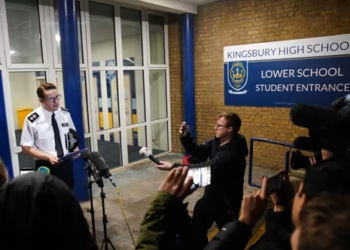 Kingsbury stabbing probe led by counter-terror police
 Former Pupil Held After London School Stabbing
 Children to Receive Early Support After Knife Incidents
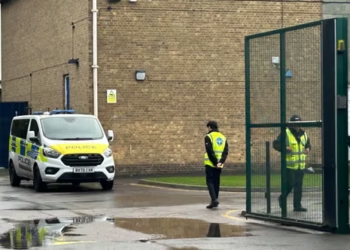 London school stabbing: 13-year-old boy charged with attempted murder
 Epstein UK Flights Under Police Scrutiny
 Northampton Skate Park Stabbing Leaves Man Dead and Teen in Critical Condition
 Nottingham killer inquiry hears race claim
 Criminal Gangs Target UK Shops, Costing Retailers £400m