Published: 2 March 2026
The English Chronicle Desk
The English Chronicle Online
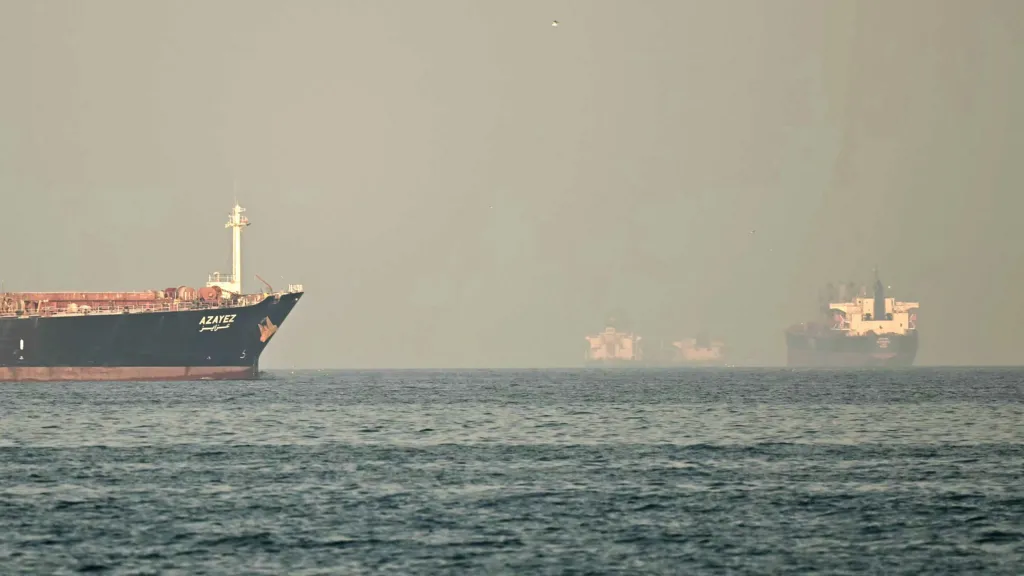
Global oil prices climbed sharply this week after a series of attacks on ships near the strategically vital Strait of Hormuz and growing fears that the ongoing Middle East conflict could disrupt energy supplies. The narrow shipping corridor, through which roughly 20 per cent of the world’s crude oil is transported, has seen tanker traffic grind to a halt and owners suspend voyages amid increased risk, pushing market prices higher.

Trading floors opened with significant gains in crude futures after at least three commercial vessels were struck or damaged near the Hormuz waterway amid escalating hostilities between Iran and allied forces of the United States and Israel. Industry data show that hundreds of tankers have congregated outside the strait as ship operators wait for clarity and enhanced safety measures, effectively choking off normal flows of crude and liquefied natural gas through the region.
On Monday, Brent crude futures — the global benchmark — jumped more than 10 per cent in early trading, rising toward levels not seen in months as traders factored in the prospect of a wider supply shock. West Texas Intermediate (WTI) similarly surged, reflecting heightened concern about potential disruptions to Middle Eastern output and exports.
Market analysts say the combination of tanker attacks, the effective suspension of traffic through the strait and the withdrawal or refusal of war-risk insurance for vessels in the Gulf has created a significant premium on crude prices, even before actual supply cuts occur. Some forecasts see the potential for prices to approach or exceed US $100 per barrel if the stalemate persists and alternative export routes cannot fully compensate for lost flows through Hormuz.
Global stock markets were also unsettled, with energy sector shares rising while broader indices experienced volatility amid concerns that rising fuel costs could stoke inflationary pressure and slow economic activity worldwide. For many importing nations, particularly in Asia and Europe, higher oil prices could translate into increased costs for transport fuels and manufacturing inputs, adding to consumer price pressures.
The attacks come amid a wider geopolitically charged period linked to recent U.S. and Israeli strikes on Iran, which have prompted Iranian authorities to issue warnings about navigation safety in the strait. Maritime security agencies have urged vessels to exercise caution, and some have paused operations entirely until clearer assurances of safe passage are available.

OPEC and other major producers have responded by agreeing to modest increases in output in an effort to offset tightness, but analysts argue that additional production alone may not fully dampen price rises if shipping through Hormuz remains constrained or if broader regional escalation continues.
Related News:
 Modi’s London Visit Seals Historic UK-India Trade Pact Amid Global Tensions
 Historic Trade Milestone: India and UK Sign Landmark Free Trade Agreement to Deepen Economic Ties
 Rubio Calls Russian Oil Imports a Strain on India-US Relations
 China’s crackdown on civil servant perks sparks economic concerns
 Shein UK Faces Allegations of Shifting Majority of Profits to Singapore to Reduce UK Tax
 British AI Startup Outshines Human Forecasters in Global Prediction Contest
 Indian Court Deals Legal Setback to Elon Musk’s X in Free Speech Battle
 China warns UK over delayed London mega embassy decision
 Rachel Reeves to lead UK trade push in Saudi Arabia amid rights debate
 UPS Cargo Plane Crash in Kentucky Kills Seven
 US private equity set to acquire UK online retailer Very Group
 Switzerland Rolls Out Charm Offensive to Cut Trump’s 39% Tariffs
 China Gained Military-Tech Access Through UK Investments
 Canada Passes Carney’s First Budget in Tight Parliamentary Vote
 India’s Labour Law Overhaul Sparks Fierce Debate
 Carney’s Alberta Pipeline Deal Sparks Immediate Pushback
 Austrian Airlines Halts Tehran Flights Amid Political Unrest
 Trump Administration Probe of Fed’s Powell Draws Pushback
 Trading Day: Trump Crosses Fed Rubicon, Market Shrugs
 Mark Carney Walks Diplomatic Tightrope on China Visit
 Wall Street shaken by Trump tariff shock as markets tumble
 ‘Black Tax’: Burden, Pride and Survival for African Workers
 ‘Repatriate the Gold’: Germany Debates Bringing Reserves Home
 UK New Car Discounts Near £6,000 as Prices Are Slashed
 Cuban Cigar Festival Cancelled Amid US-Linked Energy Crisis
 Coles Discounts Under Fire in Federal Court
 Tourism Is Booming in 2026 — Just Not Where You Think
 Netflix and Paramount Are Battling for Warner Bros. — Who Is Likely to Win?
 Japan Braces as Takaichi Begins New Term with Huge Mandate for Low‑Tax, Ultra‑Conservative Agenda
 The Chinese AI App Sending Hollywood Into a Panic
 US and Indonesia Finalise Deal to Cut Tariffs to 19%
 US Trade Deficit Hits Fresh High Despite Trump’s Tariffs
 The Two Farms in Senegal That Supply Many of the UK’s Vegetables
 Live Nation Sees Strong Ticket Sales as Monopoly Lawsuit Looms
 ‘We’re Still on Edge’: Toy Firms Look to US Supreme Court as Tariffs Hit Profits
 Etsy Sells Second‑Hand Fashion App Depop to eBay for $1.2bn
 Asos Co-Founder Dies After Thailand Balcony Fall
 Gold Fever Hits South Africa After Lucky Find in Cattle Pen
 US Will Not Back Out of Tariff Deals with UK and Others, Says Trump Trade Representative
 Trump Tower Gold Coast to Redefine Skyline
 Rory Amon Trial: Alleged Victim Speaks in Court
 What Now for Asia After Trump’s Tariffs Were Struck Down?
 Ukraine war briefing: Russia exporting more oil now than before war despite sanctions – report
 Trump’s tariff strategy collapse sows global chaos and confusion
 Shein’s Elusive Boss Hails Chinese Roots in Rare Public Appearance
 What Tariffs Has Trump Introduced and Why?
 Bill Gates ‘Took Responsibility’ Over Epstein Ties in Staff Meeting, Foundation Says
 Netflix Drops Warner Bros Bid, Clearing Way for Paramount Takeover
 Why Asian Firms Are Not Cheering Trump Tariff Ruling
 Why Asian Firms Are Not Cheering Trump Tariff Ruling
 UK Must Act with Courage and Clarity on Israel-Palestine Conflict, Says Foreign Affairs Committee Report
 Yvette Cooper Signals Global Momentum Towards Gaza Peace Deal Amid Humanitarian Crisis
 Chaos at Ibrox as Martin’s Rangers Era Comes to an End
 UK House Price Growth Slows as Buyers Exercise Caution Ahead of Autumn Budget
 Russia’s Latest Push to Win US Favors Shows Deep Desperation
 Reeves Faces Setback as Labour May Miss Homes Target
 Trump’s UK Ambassador Urges North Sea Drilling to Strengthen US Ties
BBC to Apologise Over Edited Trump Speech Amid Backlash
Trump’s UK Ambassador Urges North Sea Drilling to Strengthen US Ties
BBC to Apologise Over Edited Trump Speech Amid Backlash
 Millionaires group urge Reeves to introduce wealth tax to ‘lift kids out of poverty’
 Greene Pushes Epstein Files Amid Trump Fallout
 Zelenskyy Signs Fighter Jet Deal Amid Russian Drone Attacks
 Sydney Shark Attack Surge Shocks Australia Beaches
 US Dollar Hits Four-Year Low Amid Market Turmoil
 Portugal Election Delivers Socialist Win as Far Right Surges
 Major UK Clothing Firm Collapses into Administration — 109 Jobs at Risk
 Is Dining Out Dying Out?
 Could Manchester Lead the UK’s Economic Revival?
 Australian Families Leave Syrian Camp for Home
 ‘I Would Scream in My Sleep’: Alawite Women from Syria Tell of Kidnap and Rape
 Lloyds Boss Accepts Concern Over Use of Staff Data in Pay Talks
 Epstein Eyed Record Label Investment to Access Women, Files Suggest
 How Do You Modernise Mango Farming? India’s Growers Urged to Innovate as Climate Change Hits
 AI Coding Firm’s ‘Pride’ at Business Award Win
 UK Job Vacancies Hit Five-Year Pandemic Low
 Ukraine Negotiator Reveals What It Feels Like Facing Russia
 Drugs, Denial, Stigma: Fiji’s HIV Crisis Hits Children
 UK Youth Unemployment Surges Amid Tax Changes
 Hilary Knight speaks out on Trump’s recent hockey remarks
 American Citizen Killed in Cuba Boat Shooting, U.S. Officials Say
 Iran’s Regime Still Intact — Coming Days Will Test Its Survival